English
- Afrikaans
- Albanian
- Amharic
- Arabic
- Armenian
- Azerbaijani
- Basque
- Belarusian
- Bengali
- Bosnian
- Bulgarian
- Catalan
- Cebuano
- Corsican
- Croatian
- Czech
- Danish
- Dutch
- English
- Esperanto
- Estonian
- Finnish
- French
- Frisian
- Galician
- Georgian
- German
- Greek
- Gujarati
- Haitian Creole
- hausa
- hawaiian
- Hebrew
- Hindi
- Miao
- Hungarian
- Icelandic
- igbo
- Indonesian
- irish
- Italian
- Japanese
- Javanese
- Kannada
- kazakh
- Khmer
- Rwandese
- Korean
- Kurdish
- Kyrgyz
- Lao
- Latin
- Latvian
- Lithuanian
- Luxembourgish
- Macedonian
- Malgashi
- Malay
- Malayalam
- Maltese
- Maori
- Marathi
- Mongolian
- Myanmar
- Nepali
- Norwegian
- Norwegian
- Occitan
- Pashto
- Persian
- Polish
- Portuguese
- Punjabi
- Romanian
- Russian
- Samoan
- Scottish Gaelic
- Serbian
- Sesotho
- Shona
- Sindhi
- Sinhala
- Slovak
- Slovenian
- Somali
- Spanish
- Sundanese
- Swahili
- Swedish
- Tagalog
- Tajik
- Tamil
- Tatar
- Telugu
- Thai
- Turkish
- Turkmen
- Ukrainian
- Urdu
- Uighur
- Uzbek
- Vietnamese
- Welsh
- Bantu
- Yiddish
- Yoruba
- Zulu

Telephone: +86 13120555503
Email: frank@cypump.com


Apr . 01, 2024 17:55 Back to list
costeffective dualsuction sludge water pump affordable performance analysis
Introduction
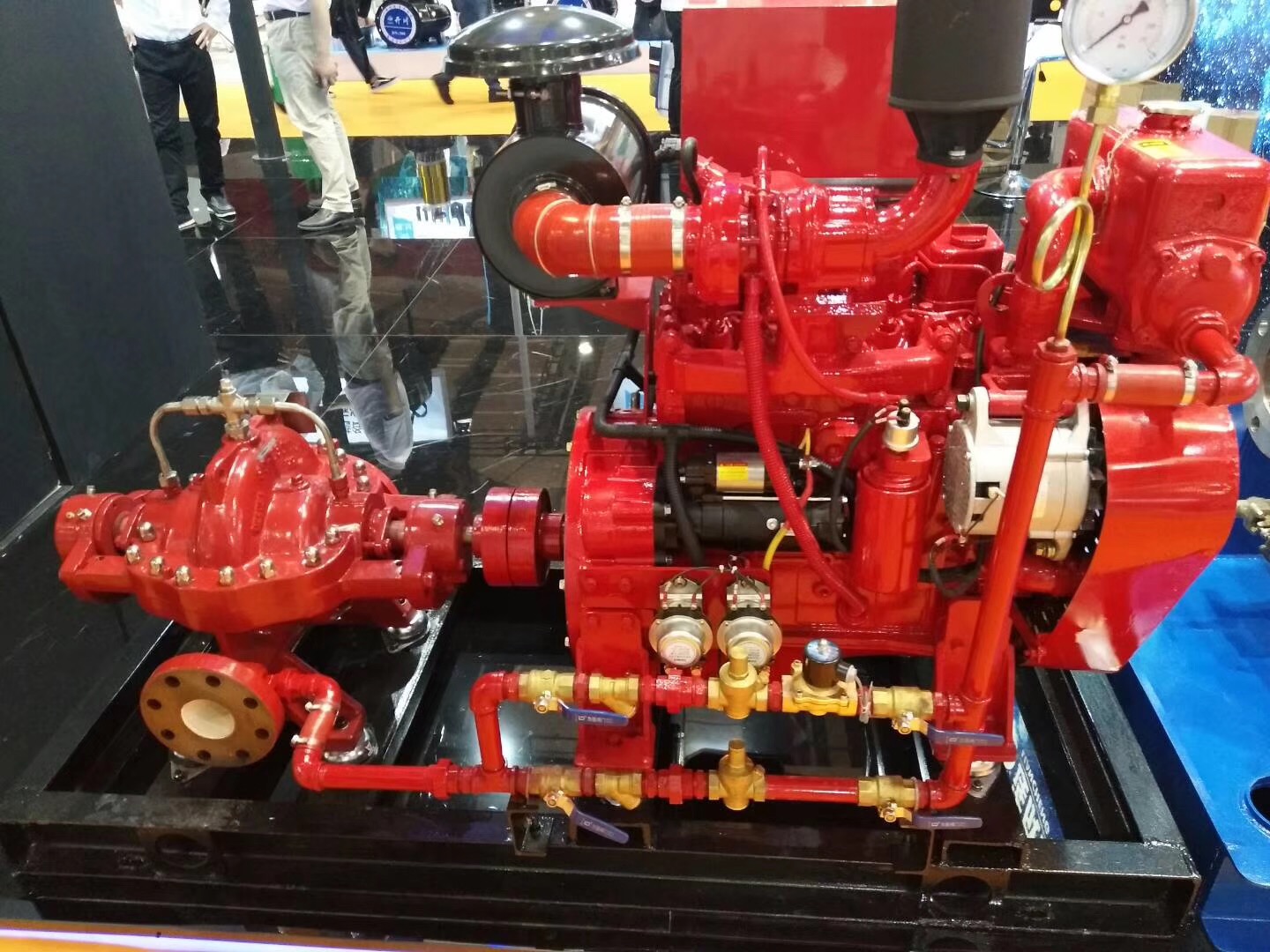
The cost-effective dual-suction sludge water pump represents a critical component in wastewater treatment facilities, industrial effluent management, and sediment control applications. Characterized by its ability to handle highly viscous fluids containing abrasive solids, this pump type addresses the significant operational challenges associated with traditional centrifugal pumps in demanding environments. Its dual-suction impeller design inherently minimizes axial thrust, leading to enhanced bearing life and reduced maintenance requirements. Within the industry chain, this pump bridges the gap between raw wastewater intake and further processing stages like screening, aeration, and clarification. Core performance characteristics center on delivering high flow rates at relatively low heads, coupled with exceptional solids handling capability and resistance to clogging. The affordability stems from optimized design utilizing common materials and manufacturing processes, without sacrificing essential reliability for sludge transfer.
Material Science & Manufacturing
The construction of a cost-effective dual-suction sludge water pump typically involves several key materials. The pump casing is commonly manufactured from cast iron (ASTM A48 Class 30) due to its cost-effectiveness, durability, and machinability. However, for applications dealing with particularly corrosive sludges, ductile iron (ASTM A536-83) or stainless steel (304/316) may be employed, albeit at a higher cost. The impeller, critical for performance, is often constructed from high-chromium cast iron (HC-C25) or a specialized polymer composite, balancing abrasion resistance with cost. Shaft material is typically 4140 alloy steel, heat-treated for high tensile strength and torsional rigidity. Seals are typically mechanical seals comprised of silicon carbide faces with Viton elastomers for chemical resistance. Manufacturing processes include sand casting for the casing, investment casting or machining for the impeller, and precision machining for the shaft and wear parts. A critical parameter in impeller manufacturing is the surface finish – a smoother finish minimizes frictional losses and cavitation. Welding processes, where applicable, must adhere to AWS D1.1 standards for structural welding. Quality control involves hydrostatic testing to verify casing integrity, dynamic balancing of the impeller to minimize vibration, and dimensional inspection of all critical components according to ISO 2768 tolerances.
Performance & Engineering
The performance of a dual-suction sludge pump is dictated by several engineering principles. Force analysis considers the hydraulic forces acting on the impeller, the radial and axial loads on the shaft, and the torque required to drive the pump. Cavitation, a critical concern with sludge pumps, is mitigated through the dual-suction design which lowers the Net Positive Suction Head Required (NPSHr). The impeller geometry – vane angle, number of vanes, and impeller diameter – are optimized using computational fluid dynamics (CFD) modeling to maximize hydraulic efficiency and solids handling capability. Environmental resistance is paramount, particularly in outdoor installations. Pump casings are often coated with epoxy or polyurethane coatings to resist corrosion from exposure to moisture and chemicals. Bearing selection considers the expected radial and axial loads, operating speed, and ambient temperature. Compliance requirements vary by region. In the US, pumps handling wastewater are often subject to EPA standards regarding solids discharge and energy efficiency. European regulations, such as the EcoDesign Directive, place limits on pump energy consumption. Proper alignment of the pump and motor is crucial to prevent premature bearing failure and ensure efficient power transmission. Regular vibration analysis is recommended to detect potential mechanical issues before they escalate. The pump's performance curve (head vs. flow rate) should be carefully matched to the system's requirements.
Technical Specifications
| Parameter | Unit | Typical Range (Cost-Effective Model) | Premium Model |
|---|---|---|---|
| Flow Rate | m³/hr | 50 - 300 | Up to 500 |
| Total Head | m | 10 - 40 | Up to 60 |
| Solids Handling | mm | Up to 50 | Up to 75 |
| Pump Speed | RPM | 1450 - 2900 | Variable Frequency Drive (VFD) Capability |
| Power | kW | 1.5 - 15 | Up to 30 |
| Casing Material | - | Cast Iron (A48 Class 30) | Ductile Iron (A536-83) or Stainless Steel (316) |
Failure Mode & Maintenance
Dual-suction sludge pumps are susceptible to several failure modes. Fatigue cracking in the impeller, particularly around the vane roots, can occur due to cyclical loading from solids impact. Delamination of protective coatings on the casing leads to corrosion and eventual casing failure. Mechanical seal failure is common, resulting from abrasive particles, dry running, or chemical attack. Bearing failure is often preceded by misalignment, inadequate lubrication, or excessive vibration. Oxidation and corrosion of the shaft can occur in harsh environments. Clogging of the impeller, while mitigated by the dual-suction design, can still occur with extremely viscous or fibrous sludges. Preventive maintenance is crucial. Regularly inspect mechanical seals for wear or leakage. Lubricate bearings according to manufacturer's specifications. Perform vibration analysis to detect imbalances or misalignments. Periodically check the coating for damage and repair as needed. Flush the pump casing to remove accumulated solids. In the event of impeller damage, consider replacement with a hardened impeller material. If corrosion is a persistent issue, upgrade to a more corrosion-resistant casing material. Maintain detailed maintenance logs to track pump performance and identify recurring issues. A comprehensive failure analysis should be conducted on any significant component failure to determine the root cause and prevent recurrence.
Industry FAQ
Q: What is the primary advantage of a dual-suction design compared to a single-suction pump for sludge applications?
A: The dual-suction design significantly reduces axial thrust on the impeller and shaft. This leads to longer bearing life, reduced vibration, and improved overall pump reliability, especially crucial when handling abrasive solids in sludge. It also generally lowers the NPSHr, minimizing cavitation risk.
Q: How do I select the appropriate impeller material for a specific sludge type?
A: The impeller material selection depends on the sludge's composition and abrasiveness. High-chromium cast iron is generally suitable for moderately abrasive sludges. For highly abrasive sludges or those containing sharp objects, a hardened alloy steel or a specialized polymer composite may be necessary. Chemical compatibility with the sludge is also a key consideration.
Q: What are the common causes of mechanical seal failure in sludge pumps?
A: Common causes include abrasive particles damaging the seal faces, dry running (lack of fluid lubrication), chemical attack from aggressive components in the sludge, and improper seal installation. Regular inspection and replacement of seals based on operating hours are essential.
Q: What maintenance practices can extend the lifespan of a dual-suction sludge pump?
A: Regular lubrication of bearings, vibration analysis to detect imbalances, inspection and repair of casing coatings, flushing the pump to remove solids buildup, and proper alignment of the pump and motor are all critical maintenance practices. Maintaining detailed maintenance logs is also crucial.
Q: How does the pump's performance curve influence system design?
A: The pump’s performance curve (head vs. flow rate) dictates the operating point within the system. It’s essential to match the pump curve to the system’s requirements to ensure efficient operation and avoid cavitation or excessive wear. A steeper curve provides more flexibility in adjusting flow rates.
Conclusion
The cost-effective dual-suction sludge water pump remains a vital piece of equipment for managing wastewater and industrial byproducts. Its inherent advantages in solids handling, reduced axial thrust, and relatively low maintenance requirements make it a compelling choice for a wide range of applications. Understanding the material science, manufacturing processes, and potential failure modes is crucial for maximizing pump lifespan and minimizing operational costs.
Looking forward, advancements in pump design will likely focus on improving hydraulic efficiency, reducing energy consumption, and incorporating smart monitoring systems for predictive maintenance. Optimized impeller geometries, advanced sealing technologies, and the integration of variable frequency drives (VFDs) will contribute to enhanced performance and reduced environmental impact. Careful consideration of the operating environment and proper maintenance procedures will continue to be paramount for ensuring the long-term reliability and cost-effectiveness of these essential pumps.
-
Precision at the Pump: How Better Machining Protects Flow and Uptime
News2026-11-20
-
Why Pump Reliability Begins Before the First Drop of Fluid
News2026-11-20
-
Beyond the Pump: Designing Safer Access Around Critical Water Infrastructure
News2026-11-20
-
Why Pumping Stations Depend on the Infrastructure Beneath the Pumps
News2026-11-20
-
Beyond the Pump Room: How Smarter Loading Protects Industrial Equipment
News2026-11-19
-
When Pumps Stop: Designing More Resilient Power for Critical Pumping Systems
News2026-11-19
-
The Hidden Role of Dust and Gas Monitoring in Reliable Pump Operations
News2026-11-19
-
The Hidden Role of Mineral Compounds in Extending Industrial Pump Lifespan
News2026-10-12
-
Why Pump System Reliability Depends on Precision Hose Assembly Methods
News2026-09-15
-
How Advanced Imaging Films Are Transforming Pump Component Quality Control
News2026-08-25
-
How Advanced Filtration Protects Pump Systems from Premature Wear and Costly Downtime
News2026-08-25
-
How Steel Material Selection Drives Pump Reliability in Heavy-Duty Systems
News2026-08-25
-
Ensuring Pump System Efficiency: The Role of High-Quality Pipe Fittings and Tubing
News2026-08-24
-
Optimizing Fluid Dynamics and Material Consistency in Industrial Processing
News2026-08-18
-
Innovations and Challenges in Hydraulic Systems for Heavy Machinery
News2026-08-13




