English
- Afrikaans
- Albanian
- Amharic
- Arabic
- Armenian
- Azerbaijani
- Basque
- Belarusian
- Bengali
- Bosnian
- Bulgarian
- Catalan
- Cebuano
- Corsican
- Croatian
- Czech
- Danish
- Dutch
- English
- Esperanto
- Estonian
- Finnish
- French
- Frisian
- Galician
- Georgian
- German
- Greek
- Gujarati
- Haitian Creole
- hausa
- hawaiian
- Hebrew
- Hindi
- Miao
- Hungarian
- Icelandic
- igbo
- Indonesian
- irish
- Italian
- Japanese
- Javanese
- Kannada
- kazakh
- Khmer
- Rwandese
- Korean
- Kurdish
- Kyrgyz
- Lao
- Latin
- Latvian
- Lithuanian
- Luxembourgish
- Macedonian
- Malgashi
- Malay
- Malayalam
- Maltese
- Maori
- Marathi
- Mongolian
- Myanmar
- Nepali
- Norwegian
- Norwegian
- Occitan
- Pashto
- Persian
- Polish
- Portuguese
- Punjabi
- Romanian
- Russian
- Samoan
- Scottish Gaelic
- Serbian
- Sesotho
- Shona
- Sindhi
- Sinhala
- Slovak
- Slovenian
- Somali
- Spanish
- Sundanese
- Swahili
- Swedish
- Tagalog
- Tajik
- Tamil
- Tatar
- Telugu
- Thai
- Turkish
- Turkmen
- Ukrainian
- Urdu
- Uighur
- Uzbek
- Vietnamese
- Welsh
- Bantu
- Yiddish
- Yoruba
- Zulu

Telephone: +86 13120555503
Email: frank@cypump.com


Apr . 01, 2024 17:55 Back to list
Concrete Slurry Transport efficient solutions for transporting heavy concrete slurry …

Introduction
Efficient transport of heavy concrete slurry is a critical process within the construction industry, directly impacting project timelines, material quality, and overall cost-effectiveness. The challenges inherent in moving this dense, abrasive material – ranging from segregation and pumping limitations to pipeline wear and environmental concerns – necessitate specialized solutions. This technical guide provides a comprehensive overview of the technologies employed for concrete slurry transport, focusing on pipeline systems, pneumatic conveying, and specialized pumping techniques. We will examine the underlying material science, engineering considerations, failure modes, and relevant industry standards. The core performance metric centers on maintaining slurry homogeneity, minimizing pressure loss, and ensuring long-term system reliability while adhering to stringent environmental regulations. Effective slurry transport addresses key industry pain points, including minimizing material waste, reducing downtime, and ensuring consistent concrete quality at the pour site.
Material Science & Manufacturing
Concrete slurry is a heterogeneous mixture comprised primarily of cement, fine aggregates (sand, silt), water, and often chemical admixtures. The rheological properties of the slurry are paramount to efficient transport. Cement hydration begins immediately upon mixing with water, leading to an increase in viscosity and potential for setting. Aggregate size distribution influences flowability and susceptibility to segregation. Piping materials commonly employed are high-density polyethylene (HDPE), steel (carbon or stainless), and rubber-lined steel. HDPE offers excellent chemical resistance and flexibility, but has limitations in high-temperature and high-pressure applications. Steel provides superior strength and abrasion resistance, but requires corrosion protection. Rubber lining adds an additional layer of protection against abrasion and corrosion. Manufacturing processes for HDPE pipelines involve extrusion, ensuring consistent wall thickness and diameter. Steel pipelines are typically manufactured through welding, requiring rigorous non-destructive testing (NDT) – radiography, ultrasonic testing, and liquid penetrant inspection – to ensure weld integrity. Key parameters during pipe manufacturing include material purity, dimensional accuracy, and weld quality. The selection of pipe joining methods (flanged, welded, or quick-connect couplings) directly impacts system leak-proofness and maintenance requirements. Admixtures used in the slurry, such as superplasticizers, air-entraining agents, and retarders, influence slurry workability and must be considered in material compatibility assessments.
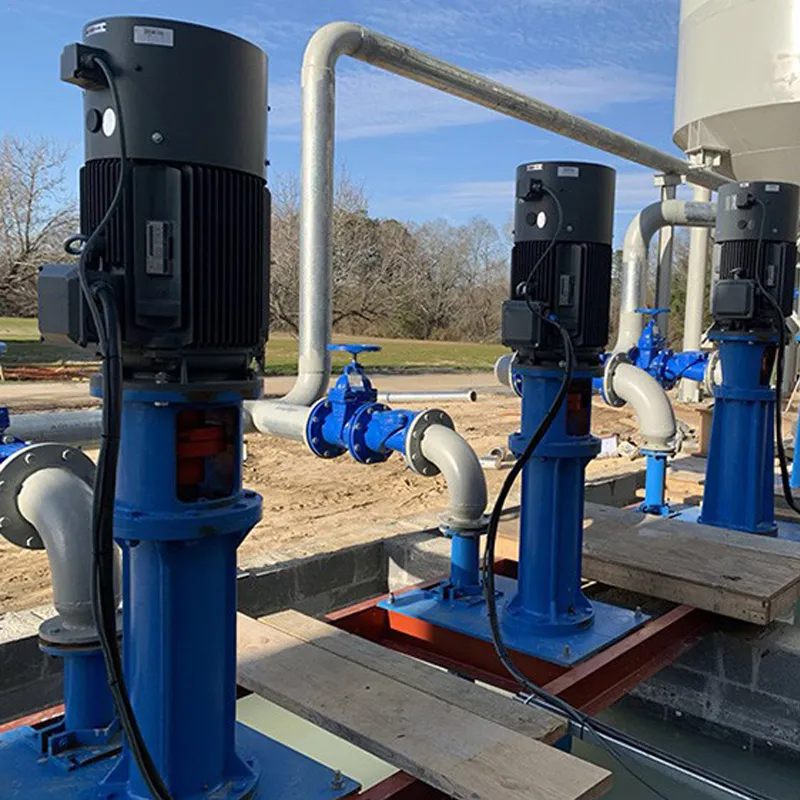
Performance & Engineering
The performance of concrete slurry transport systems is governed by principles of fluid mechanics, specifically relating to non-Newtonian fluid flow. Concrete slurry exhibits shear-thinning behavior, meaning its viscosity decreases with increasing shear rate. This phenomenon impacts pump selection and pipeline sizing. Force analysis is crucial for pipeline design, accounting for hydrostatic pressure, frictional losses, and dynamic loads due to slurry momentum. Pipeline routing must minimize bends and elevation changes to reduce pressure drop. Environmental resistance considerations include temperature fluctuations, UV exposure (for HDPE pipelines), and soil corrosion. Compliance requirements mandate adherence to environmental regulations regarding wastewater discharge and noise pollution. The engineering design must incorporate appropriate erosion protection measures, particularly at bends and areas with high slurry velocity. Pump selection hinges on flow rate, pressure head, and slurry characteristics. Positive displacement pumps (e.g., piston or progressing cavity pumps) are commonly used due to their ability to handle high-solids content and maintain consistent flow. Furthermore, systems must be designed for clean-out procedures, preventing material build-up and maintaining optimal performance. Fatigue analysis of pipeline supports and pump components is vital to ensuring long-term structural integrity.
Technical Specifications
| Parameter | HDPE Pipeline | Carbon Steel Pipeline (Unlined) | Rubber-Lined Steel Pipeline | Progressing Cavity Pump |
|---|---|---|---|---|
| Maximum Operating Pressure | 150 psi (10.3 bar) | 500 psi (34.5 bar) | 400 psi (27.6 bar) | 150 psi (10.3 bar) |
| Abrasion Resistance | Low | Medium | High | Medium-High (Stator Material Dependent) |
| Chemical Resistance | Excellent | Poor (Susceptible to Corrosion) | Excellent | Good (Seal Material Dependent) |
| Maximum Slurry Velocity | 10 ft/s (3.0 m/s) | 15 ft/s (4.6 m/s) | 12 ft/s (3.7 m/s) | 5 ft/s (1.5 m/s) – Optimized for Viscosity |
| Temperature Range | -40°F to 140°F (-40°C to 60°C) | -20°F to 400°F (-29°C to 204°C) | -20°F to 250°F (-29°C to 121°C) | 32°F to 176°F (0°C to 80°C) |
| Typical Wall Thickness | 0.25 – 1 inch (6.4 – 25.4 mm) | 0.25 – 0.75 inch (6.4 – 19.1 mm) | 0.5 – 1 inch (12.7 – 25.4 mm) (Including Rubber Lining) | N/A |
Failure Mode & Maintenance
Concrete slurry transport systems are susceptible to several failure modes. Pipeline failures often stem from abrasion, corrosion, or pressure surges. Abrasive wear is particularly prevalent in areas with high slurry velocity and sharp bends, leading to wall thinning and eventual perforation. Corrosion can occur in steel pipelines due to chemical attack from the slurry or external environmental factors. Pressure surges, caused by pump start-up/shut-down or blockages, can exceed the pipeline’s pressure rating, leading to ruptures. Pump failures commonly arise from stator wear (progressing cavity pumps), impeller damage (centrifugal pumps), or seal failures. Delamination of rubber lining in steel pipelines is a common issue, exposing the underlying steel to corrosion. Regular inspection is crucial for identifying potential problems. This includes visual inspection for signs of corrosion, abrasion, or cracking; NDT of welds; and monitoring pump performance parameters (pressure, flow rate, vibration). Preventative maintenance includes periodic pipeline cleaning to remove accumulated sediment, lubricating pump components, and replacing worn parts. To mitigate failure, pipeline design should incorporate erosion-resistant materials and optimized flow velocities. Surge protection devices should be installed to dampen pressure fluctuations. Proper operator training and adherence to recommended operating procedures are also essential for maximizing system lifespan.
Industry FAQ
Q: What are the key differences between HDPE and steel pipelines for concrete slurry transport?
A: HDPE offers superior chemical resistance and is lighter weight, making installation easier. However, it has lower abrasion resistance and temperature tolerance compared to steel. Steel provides greater strength and durability, particularly when properly lined, but requires corrosion protection and is heavier. The choice depends on the slurry composition, operating conditions, and project budget.
Q: How do you prevent segregation of the concrete slurry during transport?
A: Maintaining appropriate slurry velocity is critical. Too low a velocity allows aggregates to settle, while too high a velocity can cause excessive turbulence. Pipeline diameter and routing should minimize bends and elevation changes. The use of viscosity-modifying admixtures can also help to stabilize the slurry.
Q: What is the recommended maintenance schedule for a progressing cavity pump used in concrete slurry transport?
A: A typical maintenance schedule includes daily visual inspections, monthly checks of stator and rotor wear, and annual replacement of the stator. Lubrication of joints should be performed weekly. Monitoring pump performance data (pressure, flow, vibration) is crucial for identifying potential issues early on.
Q: What are the environmental considerations for concrete slurry transport systems?
A: Wastewater discharge must comply with local environmental regulations. Systems should be designed to prevent leaks and spills. Noise pollution from pumps and pipelines should be minimized. Proper disposal of cleaning fluids and worn parts is also essential.
Q: How do you mitigate the risk of pipeline blockage due to slurry settlement?
A: Regular pipeline cleaning, as mentioned previously, is crucial. Pipeline routing should minimize horizontal sections where sediment can accumulate. Maintaining adequate slurry velocity and using appropriate admixtures also helps to prevent settlement.
Conclusion
The efficient transport of heavy concrete slurry necessitates a comprehensive understanding of material science, fluid mechanics, and engineering principles. Selecting the appropriate pipeline material – HDPE, steel, or rubber-lined steel – is contingent upon factors such as slurry composition, operating pressure, and environmental conditions. Pump selection, particularly the preference for positive displacement pumps like progressing cavity pumps, directly impacts flow rate, pressure control, and overall system reliability. Rigorous preventative maintenance, including regular inspections and component replacement, is paramount to mitigating common failure modes such as abrasion, corrosion, and blockage.
Looking ahead, advancements in pipeline coatings, sensor technologies for real-time slurry monitoring, and optimized pump designs promise to further enhance the efficiency and longevity of concrete slurry transport systems. Integrating these innovations with robust operational protocols and adherence to industry standards will be crucial for minimizing downtime, reducing material waste, and ensuring consistent concrete quality in demanding construction projects.
-
Precision at the Pump: How Better Machining Protects Flow and Uptime
News2026-11-20
-
Why Pump Reliability Begins Before the First Drop of Fluid
News2026-11-20
-
Beyond the Pump: Designing Safer Access Around Critical Water Infrastructure
News2026-11-20
-
Why Pumping Stations Depend on the Infrastructure Beneath the Pumps
News2026-11-20
-
Beyond the Pump Room: How Smarter Loading Protects Industrial Equipment
News2026-11-19
-
When Pumps Stop: Designing More Resilient Power for Critical Pumping Systems
News2026-11-19
-
The Hidden Role of Dust and Gas Monitoring in Reliable Pump Operations
News2026-11-19
-
The Hidden Role of Mineral Compounds in Extending Industrial Pump Lifespan
News2026-10-12
-
Why Pump System Reliability Depends on Precision Hose Assembly Methods
News2026-09-15
-
How Advanced Imaging Films Are Transforming Pump Component Quality Control
News2026-08-25
-
How Advanced Filtration Protects Pump Systems from Premature Wear and Costly Downtime
News2026-08-25
-
How Steel Material Selection Drives Pump Reliability in Heavy-Duty Systems
News2026-08-25
-
Ensuring Pump System Efficiency: The Role of High-Quality Pipe Fittings and Tubing
News2026-08-24
-
Optimizing Fluid Dynamics and Material Consistency in Industrial Processing
News2026-08-18
-
Innovations and Challenges in Hydraulic Systems for Heavy Machinery
News2026-08-13




