English
- Afrikaans
- Albanian
- Amharic
- Arabic
- Armenian
- Azerbaijani
- Basque
- Belarusian
- Bengali
- Bosnian
- Bulgarian
- Catalan
- Cebuano
- Corsican
- Croatian
- Czech
- Danish
- Dutch
- English
- Esperanto
- Estonian
- Finnish
- French
- Frisian
- Galician
- Georgian
- German
- Greek
- Gujarati
- Haitian Creole
- hausa
- hawaiian
- Hebrew
- Hindi
- Miao
- Hungarian
- Icelandic
- igbo
- Indonesian
- irish
- Italian
- Japanese
- Javanese
- Kannada
- kazakh
- Khmer
- Rwandese
- Korean
- Kurdish
- Kyrgyz
- Lao
- Latin
- Latvian
- Lithuanian
- Luxembourgish
- Macedonian
- Malgashi
- Malay
- Malayalam
- Maltese
- Maori
- Marathi
- Mongolian
- Myanmar
- Nepali
- Norwegian
- Norwegian
- Occitan
- Pashto
- Persian
- Polish
- Portuguese
- Punjabi
- Romanian
- Russian
- Samoan
- Scottish Gaelic
- Serbian
- Sesotho
- Shona
- Sindhi
- Sinhala
- Slovak
- Slovenian
- Somali
- Spanish
- Sundanese
- Swahili
- Swedish
- Tagalog
- Tajik
- Tamil
- Tatar
- Telugu
- Thai
- Turkish
- Turkmen
- Ukrainian
- Urdu
- Uighur
- Uzbek
- Vietnamese
- Welsh
- Bantu
- Yiddish
- Yoruba
- Zulu

Telephone: +86 13120555503
Email: frank@cypump.com


Apr . 01, 2024 17:55 Back to list
commercial submersible water pump Performance Analysis
Introduction
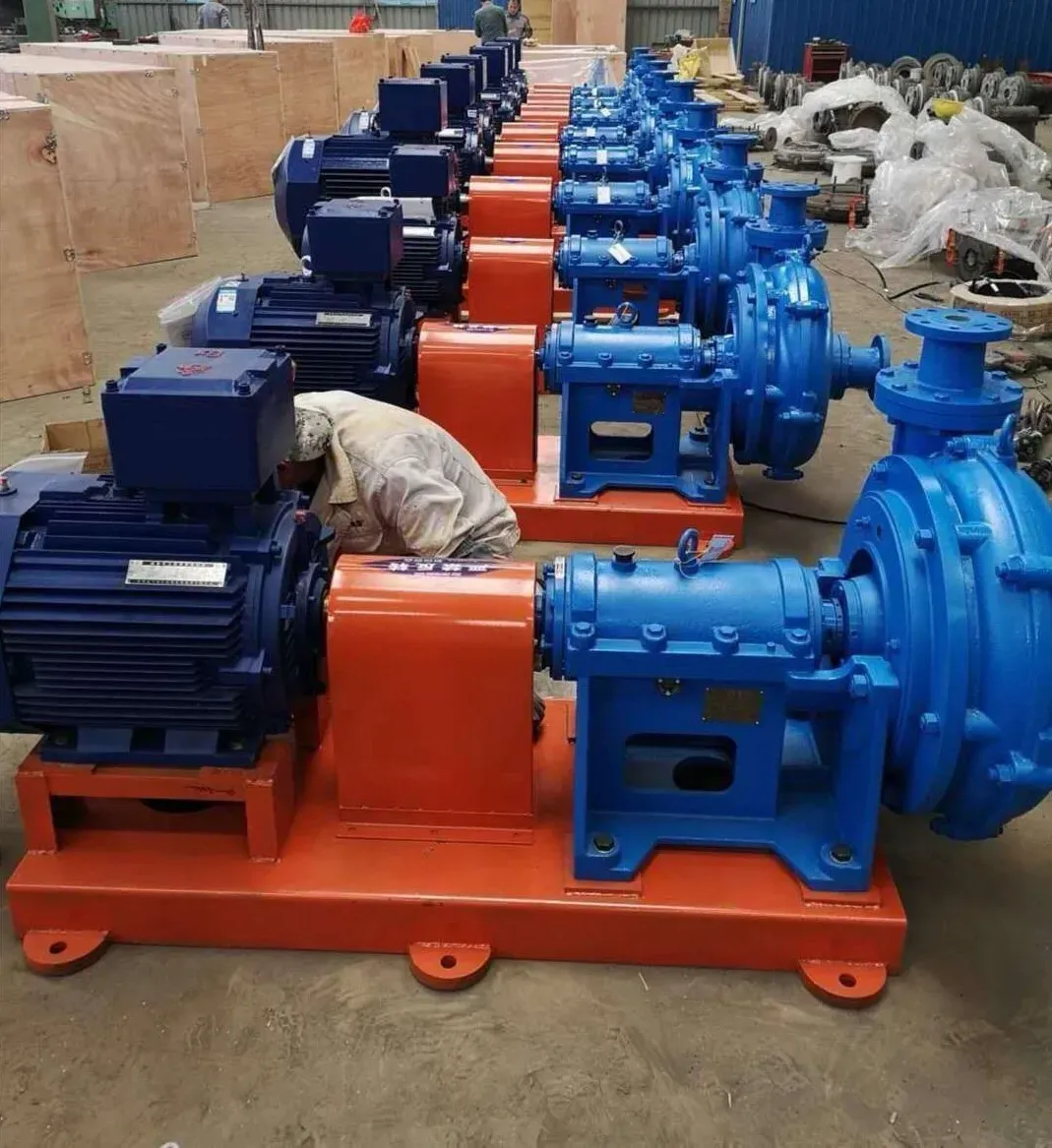
Commercial submersible water pumps are multi-stage centrifugal pumps specifically designed for efficient and reliable fluid transfer in submerged applications. Distinct from surface-mounted pumps, these units operate while fully immersed in the fluid being pumped, eliminating the need for priming and reducing system complexity. Their primary position within the industrial chain lies in water supply, wastewater management, dewatering operations, and irrigation, serving sectors including construction, agriculture, mining, and municipal engineering. Core performance characteristics revolve around head (pumping height), flow rate (volume of fluid delivered per unit time), power consumption, and the ability to handle solids – defining parameters for optimal system design and operational efficiency. A key industry pain point centers on pump longevity in abrasive or corrosive environments and minimizing energy consumption while maintaining required performance levels.
Material Science & Manufacturing
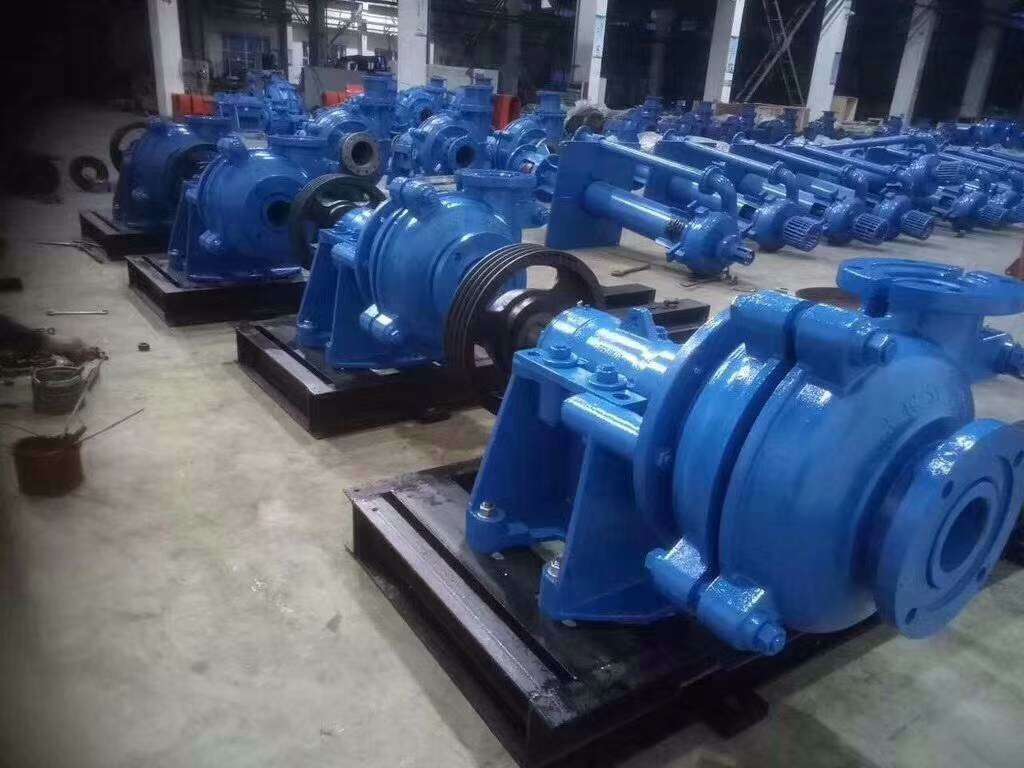
The construction of commercial submersible pumps necessitates a careful selection of materials to withstand prolonged submersion and the specific fluid characteristics. Pump housings are commonly manufactured from cast iron (ASTM A48 Class 30) for cost-effectiveness and adequate strength in freshwater applications, although stainless steel (304 or 316 grades – ASTM A240) is prevalent in corrosive environments. Impellers, responsible for imparting kinetic energy to the fluid, utilize materials such as ductile iron (ASTM A536-85), high-chromium cast iron for abrasive slurries, or engineered polymers (Polypropylene, PEEK) for chemically aggressive liquids. Shaft materials typically consist of stainless steel (4140, heat treated) due to its high tensile strength and corrosion resistance. Seals, critical for preventing water ingress into the motor, are often constructed from materials like Viton (fluoroelastomer) or EPDM rubber, selected for their chemical compatibility and resilience. Manufacturing processes predominantly involve sand casting for housings, investment casting for impellers, and machining for precision components. Welding processes (SMAW, GMAW, SAW) are utilized for joining larger components. Critical parameter control during manufacturing includes dimensional accuracy (ISO 2768-mK), surface finish (Ra values as per ISO 4287), and heat treatment procedures to achieve desired material properties. Motor winding insulation is typically Class H (180°C) to withstand operating temperatures.
Performance & Engineering
The performance of a submersible pump is governed by fundamental hydraulic principles. Force analysis considers hydrostatic pressure (dependent on depth), dynamic pressure from fluid flow, and mechanical stresses induced by impeller rotation and fluid turbulence. Cavitation, a critical concern, occurs when the absolute pressure at the impeller inlet falls below the vapor pressure of the fluid, leading to vapor bubble formation and subsequent implosion, causing erosion and performance degradation. Pump curves, generated through hydraulic testing (ISO 9906), define the relationship between head, flow rate, and efficiency. Environmental resistance is crucial; the pump must withstand hydrostatic pressure at maximum operating depth, potential chemical attack from the pumped fluid (pH levels, chloride concentration), and temperature variations. Compliance requirements vary geographically, but generally include CE marking (European Union), UL listing (United States), and conformance to regional safety standards. Electrical engineering aspects include motor selection (considering voltage, frequency, power factor), cable insulation ratings (NEC standards), and the incorporation of thermal overload protection devices. Hydraulic Institute standards (HI) are widely referenced for pump performance testing and classification.
Technical Specifications
| Parameter | Unit | Typical Range (Small Commercial) | Typical Range (Large Industrial) |
|---|---|---|---|
| Flow Rate | m³/h | 0.5 – 10 | 20 – 200 |
| Total Head | m | 5 – 50 | 50 – 300 |
| Motor Power | kW | 0.75 – 7.5 | 11 – 150 |
| Maximum Immersion Depth | m | 7 – 20 | 20 – 80 |
| Solids Handling Capacity | mm | Up to 10 | Up to 75 |
| Discharge Connection | inch | 1.5 – 3 | 4 – 8 |
Failure Mode & Maintenance
Submersible pumps are susceptible to various failure modes. Fatigue cracking can occur in the pump housing or impeller due to cyclical stress, exacerbated by cavitation. Delamination of the winding insulation in the motor leads to short circuits and eventual failure. Degradation of seals allows water ingress, causing corrosion of internal components and electrical shorts. Oxidation of metallic parts, particularly in aggressive fluids, reduces material strength and functionality. Abrasion from suspended solids erodes impeller vanes and pump housings, diminishing performance. Maintenance procedures include regular inspection of seals and cables for damage, monitoring motor current and temperature for anomalies, and performing routine cleaning to remove debris. Preventive maintenance should include periodic oil changes (if applicable) and testing of the pump’s performance characteristics. Failure analysis techniques (visual inspection, non-destructive testing like ultrasonic testing, metallurgical analysis) are critical for identifying root causes and preventing recurrence. Replacement of worn components, such as impellers and seals, is essential for maintaining optimal pump performance and extending service life. Proper storage during periods of inactivity is also crucial to prevent corrosion and deterioration.
Industry FAQ
Q: What is the impact of specific gravity on pump performance?
A: Specific gravity directly influences the power required to lift and move a fluid. Higher specific gravity fluids are denser, requiring more energy to pump. Pump curves are typically developed for water (specific gravity of 1.0). For fluids with different specific gravities, the pump’s head and flow rate will be reduced proportionally, and the motor power requirement will increase. Calculations based on the fluid’s density are necessary to select the appropriate pump size and motor.
Q: How does the viscosity of the pumped fluid affect pump efficiency?
A: Increased viscosity leads to higher frictional losses within the pump, reducing both head and flow rate, and decreasing overall efficiency. Viscous fluids require more energy to overcome internal friction. Pumps designed for low-viscosity fluids may struggle to effectively pump highly viscous liquids. Selecting a pump with a larger impeller diameter and a slower rotational speed can help mitigate the effects of viscosity.
Q: What are the key considerations for selecting a submersible pump for abrasive slurries?
A: Abrasive slurries necessitate pumps constructed from wear-resistant materials such as high-chromium cast iron or hardened stainless steel. Impeller design should minimize the impact of abrasive particles, and clearances should be maximized to reduce wear. Regular inspection and replacement of worn components are essential. Consideration should also be given to the slurry’s particle size and concentration.
Q: How can I prevent cavitation in a submersible pump?
A: Preventing cavitation involves ensuring sufficient Net Positive Suction Head Available (NPSHa). This can be achieved by minimizing suction lift, increasing fluid pressure, reducing fluid temperature, and selecting a pump with a lower NPSH requirement. Proper system design and operation are critical. Regular inspection for impeller damage is also crucial.
Q: What is the role of the pump's power cable and what precautions should be taken?
A: The power cable provides electrical power to the submersible motor. It’s critical to select a cable with appropriate insulation for submersion and chemical compatibility with the pumped fluid, adhering to NEC standards. Proper cable support and strain relief are essential to prevent damage. Regular inspection for cracks, abrasion, and insulation deterioration is vital. Using a cable with sufficient length to avoid excessive strain is also important.
Conclusion
Commercial submersible water pumps represent a robust and versatile solution for fluid handling in diverse industrial applications. Their submerged operation offers significant advantages in terms of priming requirements and system simplicity. However, optimal performance and longevity are contingent upon careful material selection, precise manufacturing processes, and a thorough understanding of the operational environment. Addressing potential failure modes through preventive maintenance and robust failure analysis is paramount to maximizing return on investment.
Future developments in submersible pump technology will likely focus on increasing energy efficiency through improved hydraulic designs and variable frequency drives, enhancing materials to resist corrosion and abrasion, and integrating smart sensors for remote monitoring and predictive maintenance. Adherence to relevant industry standards and a commitment to continuous improvement are essential for maintaining the reliability and performance of these critical industrial components.
-
Precision at the Pump: How Better Machining Protects Flow and Uptime
News2026-11-20
-
Why Pump Reliability Begins Before the First Drop of Fluid
News2026-11-20
-
Beyond the Pump: Designing Safer Access Around Critical Water Infrastructure
News2026-11-20
-
Why Pumping Stations Depend on the Infrastructure Beneath the Pumps
News2026-11-20
-
Beyond the Pump Room: How Smarter Loading Protects Industrial Equipment
News2026-11-19
-
When Pumps Stop: Designing More Resilient Power for Critical Pumping Systems
News2026-11-19
-
The Hidden Role of Dust and Gas Monitoring in Reliable Pump Operations
News2026-11-19
-
The Hidden Role of Mineral Compounds in Extending Industrial Pump Lifespan
News2026-10-12
-
Why Pump System Reliability Depends on Precision Hose Assembly Methods
News2026-09-15
-
How Advanced Imaging Films Are Transforming Pump Component Quality Control
News2026-08-25
-
How Advanced Filtration Protects Pump Systems from Premature Wear and Costly Downtime
News2026-08-25
-
How Steel Material Selection Drives Pump Reliability in Heavy-Duty Systems
News2026-08-25
-
Ensuring Pump System Efficiency: The Role of High-Quality Pipe Fittings and Tubing
News2026-08-24
-
Optimizing Fluid Dynamics and Material Consistency in Industrial Processing
News2026-08-18
-
Innovations and Challenges in Hydraulic Systems for Heavy Machinery
News2026-08-13




