English
- Afrikaans
- Albanian
- Amharic
- Arabic
- Armenian
- Azerbaijani
- Basque
- Belarusian
- Bengali
- Bosnian
- Bulgarian
- Catalan
- Cebuano
- Corsican
- Croatian
- Czech
- Danish
- Dutch
- English
- Esperanto
- Estonian
- Finnish
- French
- Frisian
- Galician
- Georgian
- German
- Greek
- Gujarati
- Haitian Creole
- hausa
- hawaiian
- Hebrew
- Hindi
- Miao
- Hungarian
- Icelandic
- igbo
- Indonesian
- irish
- Italian
- Japanese
- Javanese
- Kannada
- kazakh
- Khmer
- Rwandese
- Korean
- Kurdish
- Kyrgyz
- Lao
- Latin
- Latvian
- Lithuanian
- Luxembourgish
- Macedonian
- Malgashi
- Malay
- Malayalam
- Maltese
- Maori
- Marathi
- Mongolian
- Myanmar
- Nepali
- Norwegian
- Norwegian
- Occitan
- Pashto
- Persian
- Polish
- Portuguese
- Punjabi
- Romanian
- Russian
- Samoan
- Scottish Gaelic
- Serbian
- Sesotho
- Shona
- Sindhi
- Sinhala
- Slovak
- Slovenian
- Somali
- Spanish
- Sundanese
- Swahili
- Swedish
- Tagalog
- Tajik
- Tamil
- Tatar
- Telugu
- Thai
- Turkish
- Turkmen
- Ukrainian
- Urdu
- Uighur
- Uzbek
- Vietnamese
- Welsh
- Bantu
- Yiddish
- Yoruba
- Zulu

Telephone: +86 13120555503
Email: frank@cypump.com


Apr . 01, 2024 17:55 Back to list
commercial submersible pump Performance Engineering
Introduction
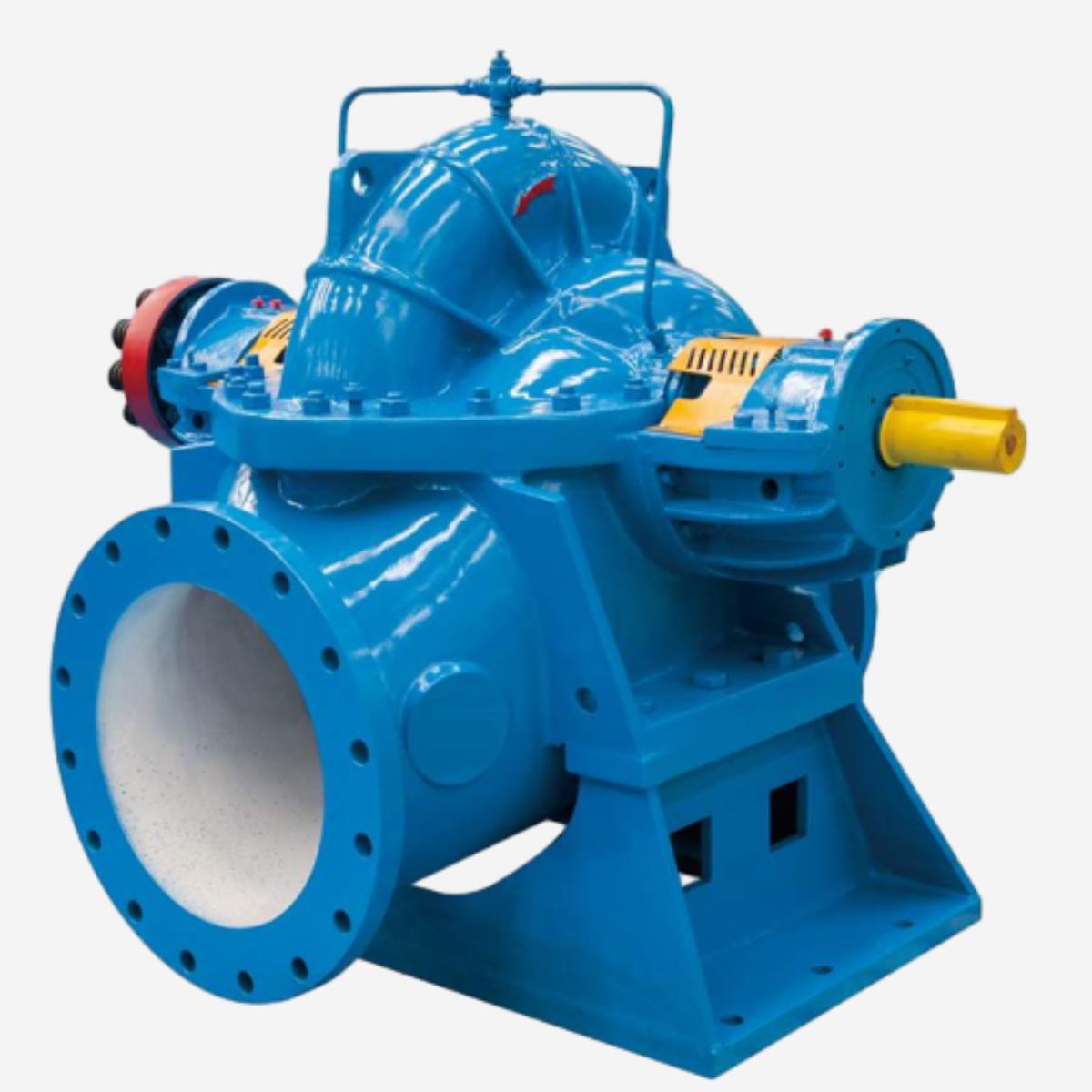
Commercial submersible pumps are multi-stage centrifugal pumps specifically designed for efficient fluid extraction from wells and boreholes, typically in applications such as water supply, dewatering, and industrial processes. Positioned within the fluid handling industry chain between pump manufacturers and end-users (agriculture, municipalities, construction, mining), their performance is critically defined by hydraulic efficiency, motor longevity, and overall system reliability. These pumps offer a significant advantage over surface-mounted pumps, eliminating the need for priming and reducing the risk of cavitation, especially in deep well applications. Core performance indicators include flow rate (measured in gallons per minute or liters per second), head (expressed in feet or meters), power consumption (horsepower or kilowatts), and the maximum solids handling capacity. Addressing a key industry pain point – the high cost of downtime and maintenance in remote or challenging environments – requires robust designs and the selection of materials resistant to abrasion, corrosion, and hydraulic shock.
Material Science & Manufacturing
The construction of a commercial submersible pump necessitates a careful selection of materials to withstand the harsh operating conditions. Pump casings are predominantly manufactured from cast iron (ASTM A48 Class 30) or stainless steel (304/316 grades, per ASTM A743) offering a balance of structural integrity and corrosion resistance. Impellers and diffusers, critical for hydraulic performance, are often constructed from engineered polymers like Polypropylene (PP) or Polyetheretherketone (PEEK), chosen for their high strength-to-weight ratio and resistance to abrasive wear. Motor housings utilize cast iron or stainless steel for protection against environmental factors. Shafts are typically made of high-strength alloy steel (4140, per ASTM A514) and undergo induction hardening to resist torsional stress and fatigue. The manufacturing process involves several key stages: casting of pump components, precision machining of impellers and diffusers, motor winding and assembly, and final pump assembly with rigorous quality control checks. Critical parameter control includes maintaining tight tolerances on impeller blade profiles to maximize hydraulic efficiency, ensuring proper alignment between motor and pump shafts to minimize vibration, and implementing stringent non-destructive testing (NDT) methods like ultrasonic testing (UT) and magnetic particle inspection (MPI) to detect flaws in castings and welds. Cable construction utilizes ethylene propylene rubber (EPR) insulation and chlorinated polyethylene (CPE) jackets, adhering to IEC 60502 standards for submersion resistance and electrical safety.
Performance & Engineering
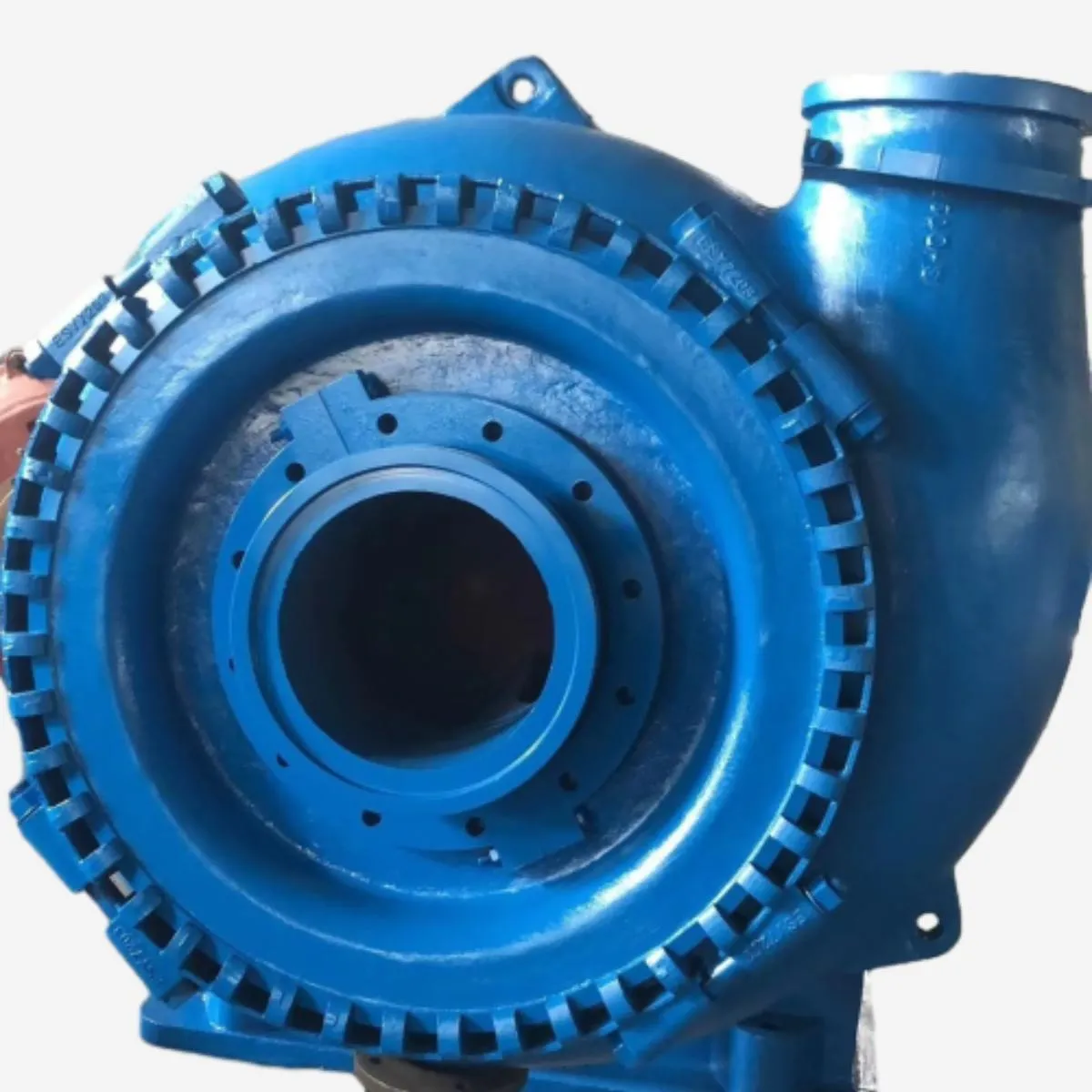
The performance of a commercial submersible pump is fundamentally governed by hydraulic principles and motor characteristics. Force analysis focuses on calculating radial and axial thrust loads on the pump shaft, particularly at higher flow rates. These loads are mitigated through the use of thrust bearings and optimized impeller design. Environmental resistance is crucial; pumps are designed to operate within specified temperature ranges (typically 0-40°C) and pH levels of the fluid being pumped. Compliance requirements dictate adherence to standards such as NSF/ANSI 61 for potable water applications, and UL 778 for electrical safety. Functional implementation involves a detailed assessment of the system head curve – the relationship between flow rate and pressure – to ensure the pump is properly sized for the application. Specific attention is given to the pump’s Net Positive Suction Head Required (NPSHr) to prevent cavitation. Cable selection is based on the total dynamic head (TDH), considering both static lift and frictional losses within the piping system. Motor efficiency is paramount, with designs aiming for IE3 or IE4 efficiency classes (per IEC 60034-30) to minimize energy consumption. Furthermore, pump curves are generated through rigorous testing according to Hydraulic Institute (HI) standards, providing a clear representation of pump performance under various operating conditions. Corrosion prevention is achieved through material selection and the application of protective coatings (epoxy or polyurethane) to metallic components.
Technical Specifications
| Parameter | Unit | Typical Range (Small Commercial) | Typical Range (Large Industrial) |
|---|---|---|---|
| Flow Rate | GPM (L/s) | 10-50 (0.6-3.2) | 100-500 (6.3-31.5) |
| Total Dynamic Head | ft (m) | 50-200 (15-60) | 200-800 (60-240) |
| Motor Power | HP (kW) | 0.5-5 (0.37-3.7) | 5-100 (3.7-75) |
| Impeller Material | - | Polypropylene (PP) | Stainless Steel (304/316) |
| Casing Material | - | Cast Iron (A48 Class 30) | Stainless Steel (A743) |
| Maximum Solids Handling | in (mm) | 0.25 (6) | 1.25 (32) |
Failure Mode & Maintenance
Commercial submersible pumps are susceptible to several failure modes. Fatigue cracking in the pump shaft, particularly near stress concentration points, can occur due to cyclical loading. Delamination of polymer impellers, caused by abrasive particles or prolonged exposure to high temperatures, reduces pump efficiency. Degradation of cable insulation due to chemical attack or thermal stress leads to electrical faults and potential pump failure. Oxidation and corrosion of metallic components, especially in aggressive environments, can result in reduced structural integrity and increased friction. Bearing failure, often stemming from inadequate lubrication or contamination, causes excessive vibration and noise. Preventative maintenance is crucial. Regular inspection of cable insulation for damage, monitoring of motor current and voltage for anomalies, and periodic analysis of pumped fluid for abrasive content are essential. Lubrication of bearings with appropriate grease (lithium-based, NLGI Grade 2) as per manufacturer’s recommendations is vital. Impellers should be inspected for wear and replaced when necessary. Casings should be periodically cleaned to remove scale and debris. If a pump fails, a thorough failure analysis should be conducted to identify the root cause and prevent recurrence. Consider using variable frequency drives (VFDs) to optimize pump speed and reduce stress on mechanical components.
Industry FAQ
Q: What is the impact of fluid temperature on pump performance and longevity?
A: Elevated fluid temperatures can reduce the viscosity of the pumped liquid, potentially increasing flow rates but also accelerating the degradation of pump seals and elastomers. High temperatures can also cause thermal expansion of pump components, leading to increased clearances and reduced hydraulic efficiency. Exceeding the pump's maximum operating temperature can significantly shorten the motor's lifespan.
Q: How do I determine the appropriate pump size for a given application?
A: Proper pump sizing requires a comprehensive understanding of the system’s requirements. This involves accurately calculating the total dynamic head (TDH), which includes static lift, friction losses in the piping, and any pressure requirements at the discharge point. The required flow rate must also be accurately determined. Pump curves should be consulted to select a pump that delivers the desired flow rate at the calculated TDH, operating within its recommended efficiency range.
Q: What are the key considerations for submersible pump cable selection?
A: Submersible pump cable must be specifically designed for continuous submersion in water. Key considerations include the cable's voltage and current carrying capacity, its insulation material (EPR is common), its jacket material (CPE provides excellent abrasion and chemical resistance), and its compliance with relevant safety standards (IEC 60502). The cable should also be sized to minimize voltage drop over the cable length.
Q: What maintenance procedures are critical for extending pump life?
A: Regular maintenance is essential. This includes periodic inspection of cable connections, monitoring of motor current and voltage, lubrication of bearings, cleaning of pump casings, and analysis of the pumped fluid for abrasive content. Vibration analysis can also identify potential bearing failures early on. Implementing a preventative maintenance schedule based on operating hours is highly recommended.
Q: How does the presence of solids in the fluid affect pump performance and what mitigation strategies are available?
A: Solids can cause abrasive wear on pump components, particularly impellers and casings, reducing pump efficiency and shortening lifespan. Larger solids can also cause clogging, leading to pump failure. Mitigation strategies include using pumps designed for solids handling (with hardened impellers), installing strainers or filters upstream of the pump, and regularly flushing the pump to remove accumulated debris.
Conclusion
Commercial submersible pumps represent a critical component in numerous fluid handling applications, offering reliable and efficient performance in challenging environments. The effective selection and application of these pumps depend on a thorough understanding of material science, manufacturing processes, hydraulic principles, and potential failure modes. Optimizing pump performance requires careful consideration of system requirements, proper maintenance practices, and adherence to relevant industry standards.
Continued innovation in materials, motor technology, and pump design will further enhance the efficiency, reliability, and longevity of commercial submersible pumps. Future developments are likely to focus on reducing energy consumption, improving solids handling capabilities, and incorporating smart monitoring systems for predictive maintenance, ultimately minimizing total cost of ownership for end-users.
-
Precision at the Pump: How Better Machining Protects Flow and Uptime
News2026-11-20
-
Why Pump Reliability Begins Before the First Drop of Fluid
News2026-11-20
-
Beyond the Pump: Designing Safer Access Around Critical Water Infrastructure
News2026-11-20
-
Why Pumping Stations Depend on the Infrastructure Beneath the Pumps
News2026-11-20
-
Beyond the Pump Room: How Smarter Loading Protects Industrial Equipment
News2026-11-19
-
When Pumps Stop: Designing More Resilient Power for Critical Pumping Systems
News2026-11-19
-
The Hidden Role of Dust and Gas Monitoring in Reliable Pump Operations
News2026-11-19
-
The Hidden Role of Mineral Compounds in Extending Industrial Pump Lifespan
News2026-10-12
-
Why Pump System Reliability Depends on Precision Hose Assembly Methods
News2026-09-15
-
How Advanced Imaging Films Are Transforming Pump Component Quality Control
News2026-08-25
-
How Advanced Filtration Protects Pump Systems from Premature Wear and Costly Downtime
News2026-08-25
-
How Steel Material Selection Drives Pump Reliability in Heavy-Duty Systems
News2026-08-25
-
Ensuring Pump System Efficiency: The Role of High-Quality Pipe Fittings and Tubing
News2026-08-24
-
Optimizing Fluid Dynamics and Material Consistency in Industrial Processing
News2026-08-18
-
Innovations and Challenges in Hydraulic Systems for Heavy Machinery
News2026-08-13




