English
- Afrikaans
- Albanian
- Amharic
- Arabic
- Armenian
- Azerbaijani
- Basque
- Belarusian
- Bengali
- Bosnian
- Bulgarian
- Catalan
- Cebuano
- Corsican
- Croatian
- Czech
- Danish
- Dutch
- English
- Esperanto
- Estonian
- Finnish
- French
- Frisian
- Galician
- Georgian
- German
- Greek
- Gujarati
- Haitian Creole
- hausa
- hawaiian
- Hebrew
- Hindi
- Miao
- Hungarian
- Icelandic
- igbo
- Indonesian
- irish
- Italian
- Japanese
- Javanese
- Kannada
- kazakh
- Khmer
- Rwandese
- Korean
- Kurdish
- Kyrgyz
- Lao
- Latin
- Latvian
- Lithuanian
- Luxembourgish
- Macedonian
- Malgashi
- Malay
- Malayalam
- Maltese
- Maori
- Marathi
- Mongolian
- Myanmar
- Nepali
- Norwegian
- Norwegian
- Occitan
- Pashto
- Persian
- Polish
- Portuguese
- Punjabi
- Romanian
- Russian
- Samoan
- Scottish Gaelic
- Serbian
- Sesotho
- Shona
- Sindhi
- Sinhala
- Slovak
- Slovenian
- Somali
- Spanish
- Sundanese
- Swahili
- Swedish
- Tagalog
- Tajik
- Tamil
- Tatar
- Telugu
- Thai
- Turkish
- Turkmen
- Ukrainian
- Urdu
- Uighur
- Uzbek
- Vietnamese
- Welsh
- Bantu
- Yiddish
- Yoruba
- Zulu

Telephone: +86 13120555503
Email: frank@cypump.com


Apr . 01, 2024 17:55 Back to list
clearwater well vertical slurry pump Performance Analysis
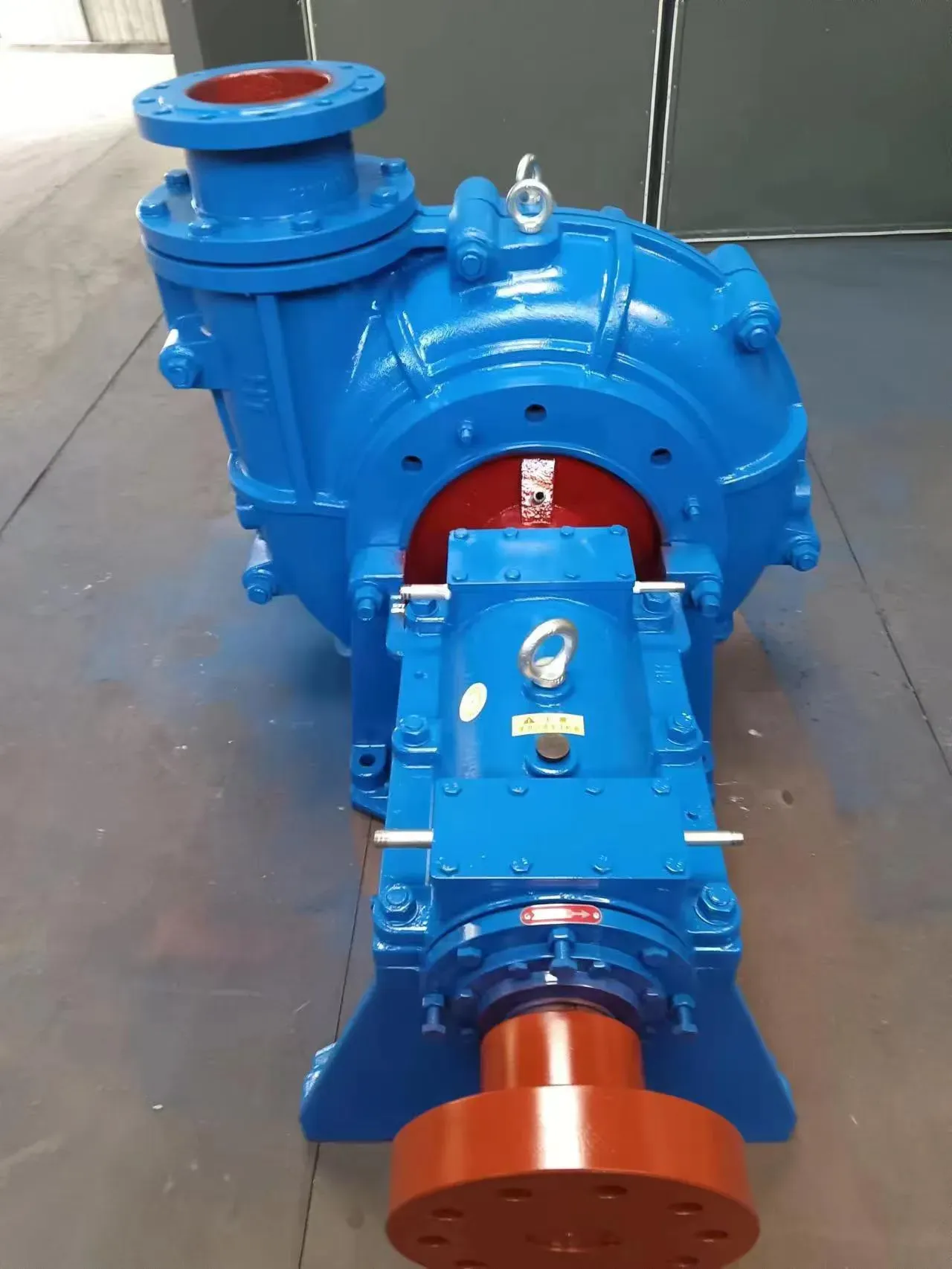
Introduction
The Clearwater Well Vertical Slurry Pump represents a critical component in the solids handling industry, specifically designed for the lift and transfer of abrasive or corrosive slurries. Positioned within the industrial fluid handling chain, it bridges the gap between excavation/process points and higher elevation discharge points, or between collection sumps and processing equipment. Unlike centrifugal pumps optimized for clear liquids, vertical slurry pumps are engineered to tolerate a high percentage of solids by volume and weight. Their core performance is defined by flow rate (typically measured in gallons per minute or cubic meters per hour), head (total dynamic head in feet or meters), solids handling capability (maximum particle size and concentration), and material compatibility. A key industry pain point centers on pump wear life; abrasive slurries rapidly degrade pump components, leading to frequent maintenance, downtime, and escalating operational costs. This guide details the material science, engineering principles, performance characteristics, failure modes, and maintenance protocols for Clearwater Well vertical slurry pumps, providing a comprehensive technical resource for engineers, procurement managers, and maintenance personnel.
Material Science & Manufacturing
Clearwater Well vertical slurry pumps utilize materials specifically selected for their resistance to abrasion, corrosion, and erosion, dictated by the slurry composition. Common materials include high-chrome cast iron (for abrasion resistance in non-corrosive slurries), stainless steels (304, 316, duplex for corrosion resistance), and specialized alloys like Hastelloy or nickel alloys (for highly corrosive environments). Impeller and volute casings are frequently lined with rubber or polyurethane to further enhance abrasion resistance. Shafts are typically constructed from alloy steel and hardened to withstand torsional stress and bending moments. The manufacturing process commonly involves several stages: casting or forging of components, machining to precise tolerances, welding (using shielded metal arc welding or submerged arc welding for robust, stress-relieved joints), heat treatment to optimize material properties, and finally, assembly and testing. Key parameter control during manufacturing focuses on impeller balance (to minimize vibration), volute smoothness (to maximize hydraulic efficiency), and weld integrity (to prevent catastrophic failure). Dimensional accuracy of the wearing parts—liner, impeller, and throat bushings—is crucial, as excessive clearances will reduce pump performance and increase recirculation. Rubber lining application requires meticulous surface preparation and bonding to ensure adhesion and prevent delamination. The selection of welding electrodes and parameters is critical to maintain the metallurgical properties of the base metal, avoiding sensitization or cracking.
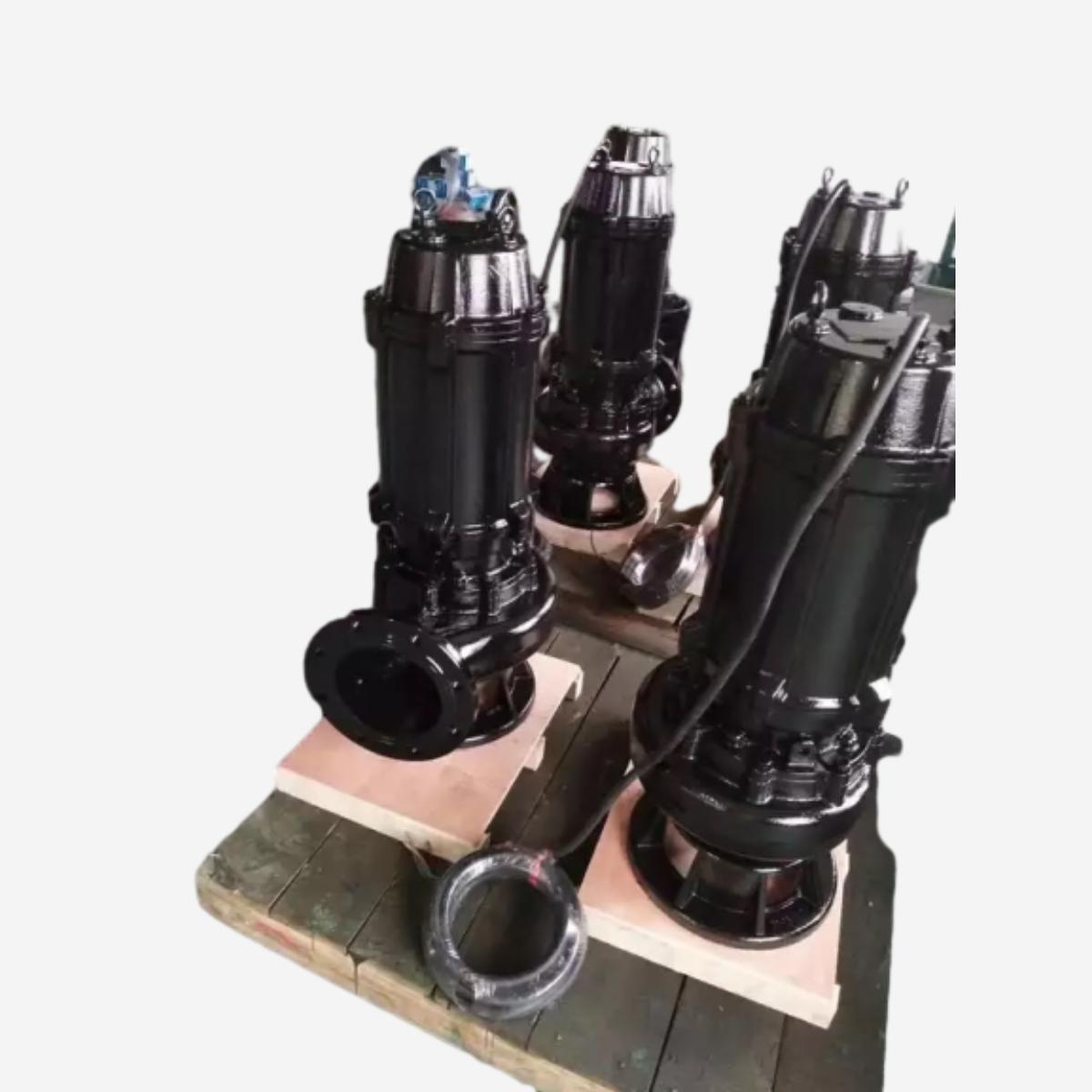
Performance & Engineering
The performance of a Clearwater Well vertical slurry pump is governed by fundamental hydraulic principles and the characteristics of the slurry being pumped. Force analysis considers hydrostatic pressure, centrifugal force generated by the impeller, and frictional losses within the pump casing and piping system. The pump’s head-capacity curve defines its operating range, indicating the relationship between flow rate and developed head. Cavitation, a significant concern, occurs when the absolute pressure at the impeller inlet falls below the vapor pressure of the slurry, forming vapor bubbles that collapse violently, causing erosion and noise. Net Positive Suction Head Required (NPSHr) is a critical parameter provided by the pump manufacturer, which must be satisfied by the system’s Net Positive Suction Head Available (NPSHa) to prevent cavitation. Environmental resistance is crucial, particularly for outdoor installations; pumps must be protected from extreme temperatures, precipitation, and UV exposure. Compliance requirements vary by region and application, including standards related to electrical safety (UL, CSA, IEC), pump efficiency (Department of Energy regulations), and environmental protection (discharge limits for solids and pollutants). Functional implementation necessitates proper piping design (minimizing bends and restrictions), adequate suction lift, and appropriate motor sizing to meet the required operating conditions. Consideration must be given to the slurry’s specific gravity and viscosity, as these factors significantly impact pump performance.
Technical Specifications
| Parameter | Unit | Value (Example - Model CWV-8x6-A) | Tolerance |
|---|---|---|---|
| Flow Rate | GPM (US) | 250 | ±10% |
| Total Dynamic Head | ft | 120 | ±5% |
| Maximum Solids Size | in | 2.5 | - |
| Maximum Solids Concentration (by weight) | % | 40 | - |
| Impeller Diameter | in | 8 | ±0.125 |
| Motor Power | HP | 15 | ±10% |
| Casing Material | - | High Chrome Iron | - |
Failure Mode & Maintenance
Clearwater Well vertical slurry pumps are susceptible to several failure modes. Fatigue cracking in the impeller or shaft is common due to cyclic stress from solids impact and vibration. Erosion of the impeller, volute casing, and liners occurs due to the abrasive nature of the slurry, leading to decreased pump performance and increased energy consumption. Corrosion can degrade pump components, particularly in aggressive chemical environments, leading to leaks and structural failure. Mechanical seal failure is a frequent issue, often caused by abrasive particles, dry running, or incompatibility with the slurry. Bearing failure can result from inadequate lubrication, misalignment, or excessive loads. Preventative maintenance is critical and includes regular visual inspections for wear, vibration analysis to detect bearing issues, seal replacement, lubrication of bearings, and impeller/liner replacement as needed. Failure analysis should be conducted on failed components to identify the root cause and prevent recurrence. When replacing parts, ensure compatibility with the slurry being pumped and adherence to manufacturer’s specifications. Proper suction strainer maintenance is vital to prevent large solids from entering the pump and causing damage. Regular monitoring of pump performance parameters (flow rate, pressure, power consumption) can provide early warning signs of developing problems.
Industry FAQ
Q: What is the optimal impeller material for a slurry containing 60% silica sand by weight?
A: For a slurry with 60% silica sand, a high-chrome cast iron impeller is generally recommended due to its excellent abrasion resistance. However, the specific sand particle size distribution and impact velocity should be considered. For extremely fine and high-velocity silica sand, a ceramic or tungsten carbide impeller may provide a longer service life, albeit at a higher cost.
Q: How do I determine the NPSHa in my system to prevent cavitation?
A: NPSHa is calculated based on the suction tank liquid level, atmospheric pressure, vapor pressure of the liquid at the pumping temperature, and frictional losses in the suction piping. A detailed hydraulic calculation is required, and it's crucial to account for potential variations in liquid level and temperature. Consult pump performance curves and manufacturer's recommendations to ensure NPSHa exceeds NPSHr by a sufficient margin.
Q: What is the typical lifespan of a rubber liner in a slurry pump handling a moderately abrasive slurry?
A: The lifespan of a rubber liner depends heavily on the slurry’s abrasiveness, particle size, and impact velocity, as well as the rubber compound used. Typically, a rubber liner can last between 6 months to 2 years in a moderately abrasive application. Regular inspections are crucial to identify wear and schedule timely replacement.
Q: What are the benefits of using a vertical slurry pump over a horizontal slurry pump in certain applications?
A: Vertical slurry pumps are ideal for sumps and applications where space is limited. They require no separate foundation or baseplate, simplifying installation. They are also well-suited for handling solids that tend to settle, as the impeller is submerged. Horizontal pumps often require priming and may be more susceptible to clogging in such scenarios.
Q: How frequently should the mechanical seal be inspected and replaced?
A: Mechanical seals should be inspected during routine maintenance, typically every 3-6 months, depending on the severity of the slurry. Replacement frequency varies but is generally recommended every 1-2 years, or sooner if leakage is detected or performance degrades. Using a compatible seal material for the slurry is paramount to maximizing its lifespan.
Conclusion
The Clearwater Well vertical slurry pump is a robust and essential piece of equipment in numerous industrial processes requiring the reliable handling of abrasive and corrosive slurries. Understanding the interplay between material science, hydraulic principles, and proper maintenance protocols is paramount to maximizing pump performance and minimizing operational costs. Selecting the correct materials of construction, ensuring adequate NPSH, and implementing a rigorous preventative maintenance schedule are key to extending pump life and preventing catastrophic failures.
Future advancements in slurry pump technology are focused on developing more wear-resistant materials, improving impeller designs to enhance hydraulic efficiency, and incorporating smart monitoring systems for predictive maintenance. Optimizing pump selection based on a thorough analysis of slurry characteristics and system requirements will continue to be critical for achieving long-term reliability and cost-effectiveness.
-
Precision at the Pump: How Better Machining Protects Flow and Uptime
News2026-11-20
-
Why Pump Reliability Begins Before the First Drop of Fluid
News2026-11-20
-
Beyond the Pump: Designing Safer Access Around Critical Water Infrastructure
News2026-11-20
-
Why Pumping Stations Depend on the Infrastructure Beneath the Pumps
News2026-11-20
-
Beyond the Pump Room: How Smarter Loading Protects Industrial Equipment
News2026-11-19
-
When Pumps Stop: Designing More Resilient Power for Critical Pumping Systems
News2026-11-19
-
The Hidden Role of Dust and Gas Monitoring in Reliable Pump Operations
News2026-11-19
-
The Hidden Role of Mineral Compounds in Extending Industrial Pump Lifespan
News2026-10-12
-
Why Pump System Reliability Depends on Precision Hose Assembly Methods
News2026-09-15
-
How Advanced Imaging Films Are Transforming Pump Component Quality Control
News2026-08-25
-
How Advanced Filtration Protects Pump Systems from Premature Wear and Costly Downtime
News2026-08-25
-
How Steel Material Selection Drives Pump Reliability in Heavy-Duty Systems
News2026-08-25
-
Ensuring Pump System Efficiency: The Role of High-Quality Pipe Fittings and Tubing
News2026-08-24
-
Optimizing Fluid Dynamics and Material Consistency in Industrial Processing
News2026-08-18
-
Innovations and Challenges in Hydraulic Systems for Heavy Machinery
News2026-08-13




