English
- Afrikaans
- Albanian
- Amharic
- Arabic
- Armenian
- Azerbaijani
- Basque
- Belarusian
- Bengali
- Bosnian
- Bulgarian
- Catalan
- Cebuano
- Corsican
- Croatian
- Czech
- Danish
- Dutch
- English
- Esperanto
- Estonian
- Finnish
- French
- Frisian
- Galician
- Georgian
- German
- Greek
- Gujarati
- Haitian Creole
- hausa
- hawaiian
- Hebrew
- Hindi
- Miao
- Hungarian
- Icelandic
- igbo
- Indonesian
- irish
- Italian
- Japanese
- Javanese
- Kannada
- kazakh
- Khmer
- Rwandese
- Korean
- Kurdish
- Kyrgyz
- Lao
- Latin
- Latvian
- Lithuanian
- Luxembourgish
- Macedonian
- Malgashi
- Malay
- Malayalam
- Maltese
- Maori
- Marathi
- Mongolian
- Myanmar
- Nepali
- Norwegian
- Norwegian
- Occitan
- Pashto
- Persian
- Polish
- Portuguese
- Punjabi
- Romanian
- Russian
- Samoan
- Scottish Gaelic
- Serbian
- Sesotho
- Shona
- Sindhi
- Sinhala
- Slovak
- Slovenian
- Somali
- Spanish
- Sundanese
- Swahili
- Swedish
- Tagalog
- Tajik
- Tamil
- Tatar
- Telugu
- Thai
- Turkish
- Turkmen
- Ukrainian
- Urdu
- Uighur
- Uzbek
- Vietnamese
- Welsh
- Bantu
- Yiddish
- Yoruba
- Zulu

Telephone: +86 13120555503
Email: frank@cypump.com


Apr . 01, 2024 17:55 Back to list
Clearwater Well and Pump Systems Performance Analysis
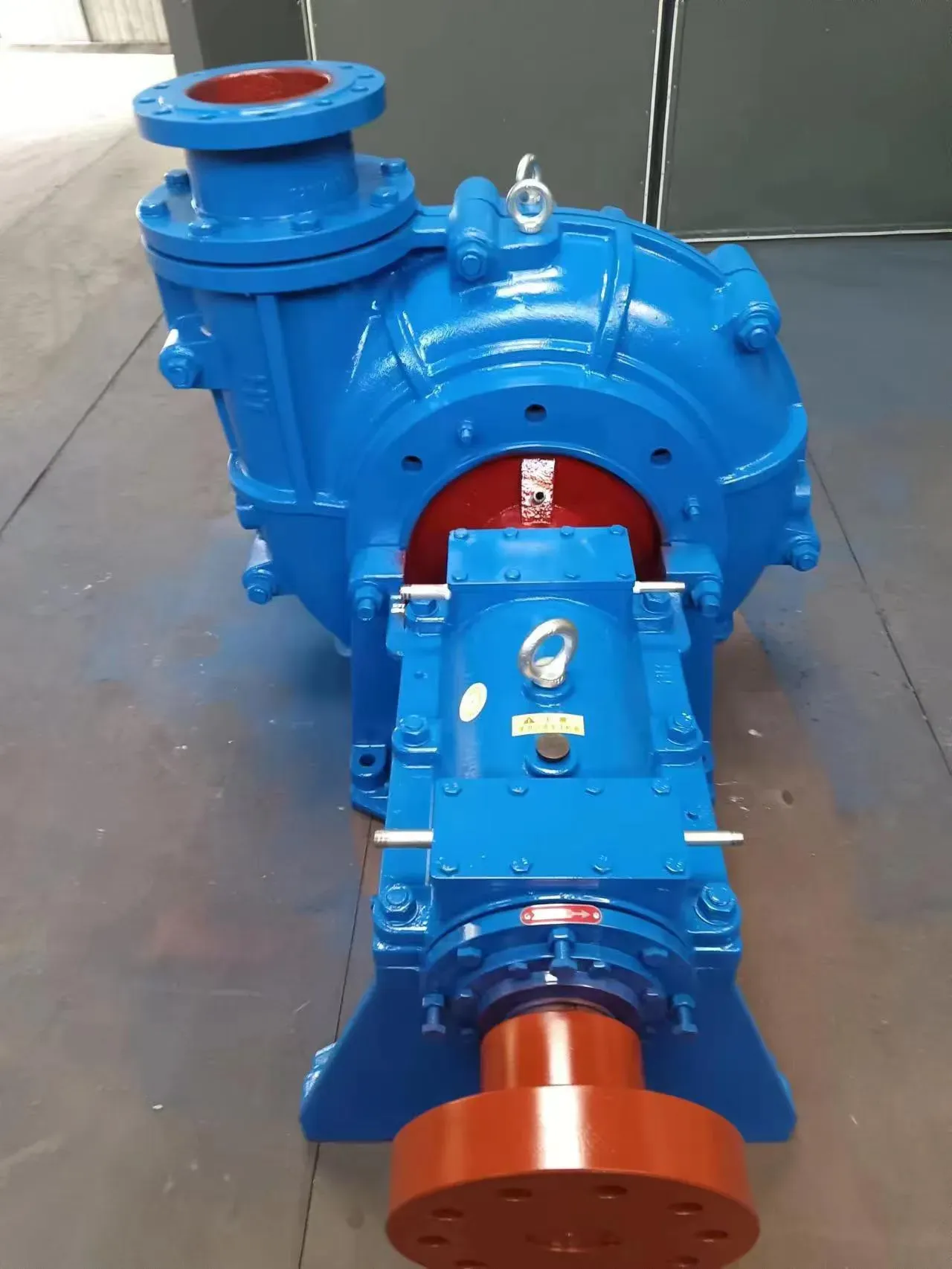
Introduction
Clearwater well and pump systems represent a critical infrastructure component for potable water provision, agricultural irrigation, and industrial processes. Effective solutions for these systems require a holistic understanding of hydrogeology, pump mechanics, material science, and long-term operational sustainability. This guide provides an in-depth technical analysis of these systems, focusing on the interplay between well construction, pump selection, system maintenance, and mitigation of common failure modes. The industry currently faces challenges including declining aquifer levels, increased energy costs for pumping, corrosion issues within well casings and pumps, and regulatory compliance with water quality standards. A robust understanding of the materials used, manufacturing processes, and performance characteristics is essential for ensuring reliable and cost-effective operation. This document aims to equip engineers, procurement managers, and technicians with the knowledge necessary to optimize these vital systems.
Material Science & Manufacturing
Well construction materials commonly include carbon steel, stainless steel (304, 316), fiberglass reinforced polymer (FRP), and polyvinyl chloride (PVC). Carbon steel, while cost-effective, is susceptible to corrosion and requires protective coatings (epoxy, polyurethane) or cathodic protection. Stainless steels offer superior corrosion resistance but at a higher cost. FRP provides excellent corrosion resistance and a high strength-to-weight ratio, but its long-term durability is dependent on the resin matrix and fiber orientation. PVC is used primarily for lower-pressure applications and is prone to UV degradation. Pump components frequently utilize cast iron, bronze, stainless steel, and engineered polymers. Manufacturing processes for well casings involve longitudinal seam welding (ERW or DSAW) or spiral welding, followed by rigorous non-destructive testing (NDT) like ultrasonic testing (UT) and radiographic testing (RT) to ensure weld integrity. Pump impellers are typically manufactured via investment casting or sand casting, with subsequent machining to precise tolerances. Pump housings often involve sand casting or centrifugal casting. Polymer components are produced via injection molding or rotational molding. Key parameter control includes maintaining consistent material composition, proper heat treatment for metallic components to achieve desired hardness and tensile strength, and ensuring precise dimensional accuracy through stringent quality control measures. The chemical compatibility between well water constituents (pH, dissolved solids, chlorides, sulfates) and the construction materials must be carefully considered to prevent corrosion or degradation.
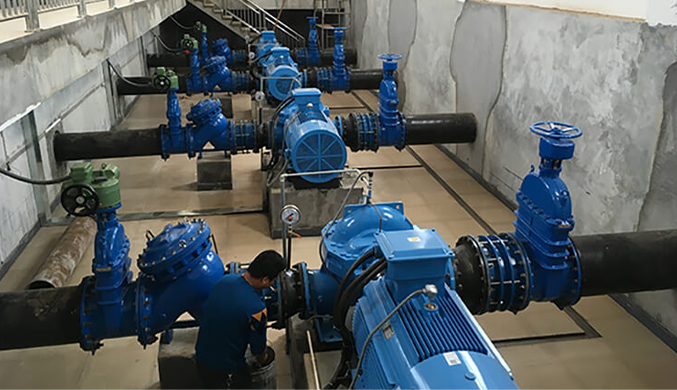
Performance & Engineering
Pump performance is governed by fundamental hydraulic principles, including Bernoulli’s equation and the affinity laws. Key performance parameters include flow rate, total dynamic head (TDH), pump efficiency, and net positive suction head required (NPSHr). The selection of a pump must consider the system’s required flow rate and TDH, as well as the well’s drawdown characteristics. Force analysis focuses on stresses induced by hydrostatic pressure, internal pressure from the pumped fluid, and mechanical loads from the pump motor. Finite element analysis (FEA) is commonly used to assess the structural integrity of well casings and pump components. Environmental resistance is critical, particularly in harsh environments with extreme temperatures or corrosive groundwater. Compliance requirements vary by region and may include standards set by the EPA (Environmental Protection Agency) or local water authorities. Functional implementation involves proper pump installation, alignment with the motor, and the use of appropriate seals and gaskets to prevent leakage. Variable frequency drives (VFDs) are increasingly used to optimize pump efficiency by matching pump speed to varying demand, reducing energy consumption and minimizing stress on the pump. Well efficiency is also influenced by the aquifer's permeability and the well's specific capacity.
Technical Specifications
| Parameter | Carbon Steel Well Casing | Stainless Steel (316) Well Casing | FRP Well Casing | Centrifugal Pump (Cast Iron) |
|---|---|---|---|---|
| Tensile Strength (MPa) | 400-550 | 500-700 | 200-400 (depending on resin) | 200-300 |
| Yield Strength (MPa) | 250-350 | 280-450 | 80-150 (depending on resin) | 150-250 |
| Corrosion Rate (mm/year) in Chloride Solution | 0.1-1.0 | <0.01 | <0.01 | 0.05-0.5 (with coating) |
| Operating Temperature Range (°C) | -20 to 150 | -50 to 200 | -40 to 80 | -10 to 100 |
| Maximum Operating Pressure (MPa) | 5-10 | 10-20 | 2-8 | 1-5 |
| Weight (kg/meter) | 5-15 (depending on diameter & wall thickness) | 8-20 (depending on diameter & wall thickness) | 1-3 | Variable (pump size dependent) |
Failure Mode & Maintenance
Common failure modes for well casings include corrosion-induced cracking, stress corrosion cracking (SCC) in chloride-rich environments, and mechanical failure due to excessive loading. Pump failures often result from impeller cavitation (due to insufficient NPSHr), bearing wear, seal failures, and motor burnout. Fatigue cracking can occur in pump shafts and casings due to cyclic loading. Delamination is a concern for FRP well casings, particularly if the resin matrix is compromised. Degradation of polymer components can occur due to UV exposure or chemical attack. Oxidation of metallic components is a common issue, especially in wells with high dissolved oxygen content. Preventive maintenance is crucial and includes regular well inspections (visual, sonar, video), pump performance monitoring (flow rate, pressure, power consumption), lubrication of bearings, seal replacement, and corrosion protection measures (coating repair, cathodic protection). Failure analysis should involve detailed inspection of failed components (metallographic analysis, fracture surface examination) to determine the root cause and prevent recurrence. Regular water quality testing is essential to identify corrosive elements and adjust treatment accordingly. Implementing a predictive maintenance program based on vibration analysis and oil analysis can further enhance reliability and reduce downtime.
Industry FAQ
Q: What are the primary considerations when selecting a well casing material for a highly corrosive groundwater environment?
A: For highly corrosive environments, stainless steel (316 or higher alloy) or FRP are the preferred materials. Stainless steel offers robust corrosion resistance but is more expensive. FRP is lightweight and highly corrosion-resistant but requires careful consideration of the resin system and fiber orientation to ensure long-term durability and structural integrity. Carbon steel should be avoided unless protected with a high-performance coating system and cathodic protection.
Q: How does water level drawdown impact pump selection and performance?
A: Water level drawdown directly affects the NPSHr required by the pump. As the water level drops, the available NPSH decreases. The pump must be selected with sufficient NPSHr margin to prevent cavitation. Increased drawdown also increases the TDH, which impacts pump efficiency and power consumption. Pump curves must be analyzed considering the anticipated drawdown range.
Q: What are the benefits of utilizing Variable Frequency Drives (VFDs) in well and pump systems?
A: VFDs provide significant energy savings by adjusting pump speed to match demand. This reduces energy waste during periods of low demand. VFDs also reduce mechanical stress on the pump and piping system by minimizing water hammer and pressure surges. Furthermore, they can improve pump life and reduce maintenance costs.
Q: What are the key indicators that suggest a pump is experiencing cavitation?
A: Key indicators include a rough or noisy pump operation, a decrease in pump efficiency and flow rate, and visible damage to the impeller (pitting or erosion). Regular monitoring of pump performance parameters is essential for early detection of cavitation.
Q: What are the best practices for preventing corrosion in well and pump systems?
A: Best practices include selecting corrosion-resistant materials, applying protective coatings, implementing cathodic protection, maintaining proper water chemistry, and conducting regular inspections. Monitoring water quality parameters (pH, dissolved oxygen, chloride concentration) is crucial for identifying and mitigating corrosive conditions.
Conclusion
Effective solutions for clearwater well and pump systems necessitate a comprehensive understanding of material science, hydraulic principles, and long-term operational considerations. Selecting the appropriate materials, implementing robust manufacturing processes, and adhering to stringent quality control measures are paramount for ensuring system reliability and minimizing the risk of failure. The integration of advanced technologies such as VFDs and predictive maintenance programs further enhances efficiency and reduces lifecycle costs.
Continued research and development are focused on improving well casing materials, optimizing pump designs, and developing innovative corrosion prevention techniques. Addressing the challenges of declining aquifer levels and increasing energy costs will require a collaborative effort between engineers, regulators, and water resource managers to implement sustainable and resilient water infrastructure solutions.
-
Precision at the Pump: How Better Machining Protects Flow and Uptime
News2026-11-20
-
Why Pump Reliability Begins Before the First Drop of Fluid
News2026-11-20
-
Beyond the Pump: Designing Safer Access Around Critical Water Infrastructure
News2026-11-20
-
Why Pumping Stations Depend on the Infrastructure Beneath the Pumps
News2026-11-20
-
Beyond the Pump Room: How Smarter Loading Protects Industrial Equipment
News2026-11-19
-
When Pumps Stop: Designing More Resilient Power for Critical Pumping Systems
News2026-11-19
-
The Hidden Role of Dust and Gas Monitoring in Reliable Pump Operations
News2026-11-19
-
The Hidden Role of Mineral Compounds in Extending Industrial Pump Lifespan
News2026-10-12
-
Why Pump System Reliability Depends on Precision Hose Assembly Methods
News2026-09-15
-
How Advanced Imaging Films Are Transforming Pump Component Quality Control
News2026-08-25
-
How Advanced Filtration Protects Pump Systems from Premature Wear and Costly Downtime
News2026-08-25
-
How Steel Material Selection Drives Pump Reliability in Heavy-Duty Systems
News2026-08-25
-
Ensuring Pump System Efficiency: The Role of High-Quality Pipe Fittings and Tubing
News2026-08-24
-
Optimizing Fluid Dynamics and Material Consistency in Industrial Processing
News2026-08-18
-
Innovations and Challenges in Hydraulic Systems for Heavy Machinery
News2026-08-13




