English
- Afrikaans
- Albanian
- Amharic
- Arabic
- Armenian
- Azerbaijani
- Basque
- Belarusian
- Bengali
- Bosnian
- Bulgarian
- Catalan
- Cebuano
- Corsican
- Croatian
- Czech
- Danish
- Dutch
- English
- Esperanto
- Estonian
- Finnish
- French
- Frisian
- Galician
- Georgian
- German
- Greek
- Gujarati
- Haitian Creole
- hausa
- hawaiian
- Hebrew
- Hindi
- Miao
- Hungarian
- Icelandic
- igbo
- Indonesian
- irish
- Italian
- Japanese
- Javanese
- Kannada
- kazakh
- Khmer
- Rwandese
- Korean
- Kurdish
- Kyrgyz
- Lao
- Latin
- Latvian
- Lithuanian
- Luxembourgish
- Macedonian
- Malgashi
- Malay
- Malayalam
- Maltese
- Maori
- Marathi
- Mongolian
- Myanmar
- Nepali
- Norwegian
- Norwegian
- Occitan
- Pashto
- Persian
- Polish
- Portuguese
- Punjabi
- Romanian
- Russian
- Samoan
- Scottish Gaelic
- Serbian
- Sesotho
- Shona
- Sindhi
- Sinhala
- Slovak
- Slovenian
- Somali
- Spanish
- Sundanese
- Swahili
- Swedish
- Tagalog
- Tajik
- Tamil
- Tatar
- Telugu
- Thai
- Turkish
- Turkmen
- Ukrainian
- Urdu
- Uighur
- Uzbek
- Vietnamese
- Welsh
- Bantu
- Yiddish
- Yoruba
- Zulu

Telephone: +86 13120555503
Email: frank@cypump.com


Apr . 01, 2024 17:55 Back to list
Clearwater Pool Pump choosing the right clearwater pool pump for optimal Performance Analysis
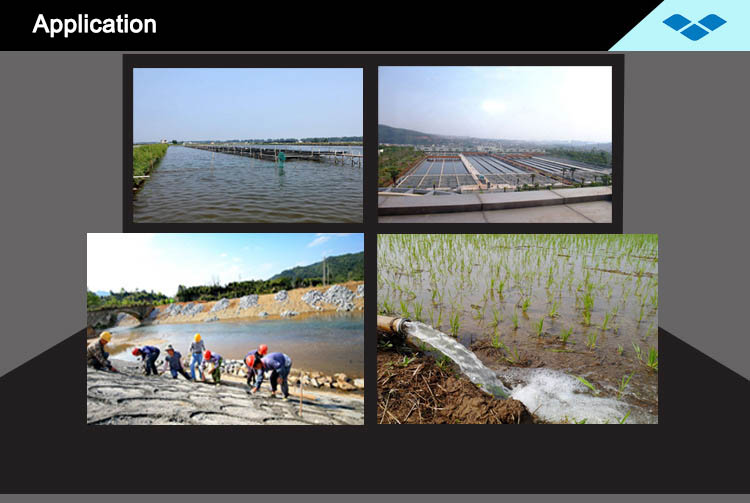
Introduction
Clearwater pool pumps are critical components in maintaining water circulation, filtration, and sanitation within aquatic facilities. Selecting the appropriate pump is not simply a matter of flow rate; it necessitates a comprehensive understanding of hydraulic principles, motor technologies, material compatibility with pool chemicals, and long-term operating costs. The industry faces persistent challenges related to energy efficiency, noise reduction, and pump longevity in corrosive environments. Incorrect pump selection leads to reduced filtration effectiveness, increased chemical consumption, premature pump failure, and ultimately, higher total cost of ownership. This guide provides a detailed technical analysis of clearwater pool pump selection, covering material science, manufacturing processes, performance engineering, failure modes, and relevant industry standards. We will dissect the core considerations for procurement managers and engineers involved in specifying pumps for commercial and residential pool applications, encompassing considerations from initial investment to lifecycle management.
Material Science & Manufacturing
Pool pumps are subject to continuous exposure to chlorinated water, varying pH levels, and potentially corrosive chemicals. Pump housings are traditionally manufactured from thermoset polymers (like reinforced polypropylene) and thermoplastic materials (such as PVC and CPVC). Polypropylene offers good chemical resistance but lower mechanical strength. PVC, while cost-effective, can become brittle over time with UV exposure and chlorine degradation. CPVC provides improved temperature and chemical resistance. Impellers are commonly constructed from Noryl (a PPE/Polyphenylene Ether blend), stainless steel (typically 316L for enhanced corrosion resistance), or engineered plastics. 316L stainless steel excels in corrosive resistance but is more expensive and heavier. Noryl balances corrosion resistance and cost-effectiveness. Motor housings are typically aluminum alloys (die-cast aluminum being common) chosen for their heat dissipation properties and lightweight nature. Manufacturing processes are diverse. Pump housings often utilize injection molding, demanding precise mold design and temperature control to minimize warpage and ensure dimensional accuracy. Impellers are often produced via investment casting (for stainless steel) or injection molding. Welding processes (for stainless steel components) must adhere to AWS D1.1 standards to ensure structural integrity. Critical parameters include material tensile strength (ASTM D638), chemical resistance (ASTM D543), and UV stability (ASTM G154). Failure to account for these material properties can lead to premature failure due to cracking, corrosion, or delamination.
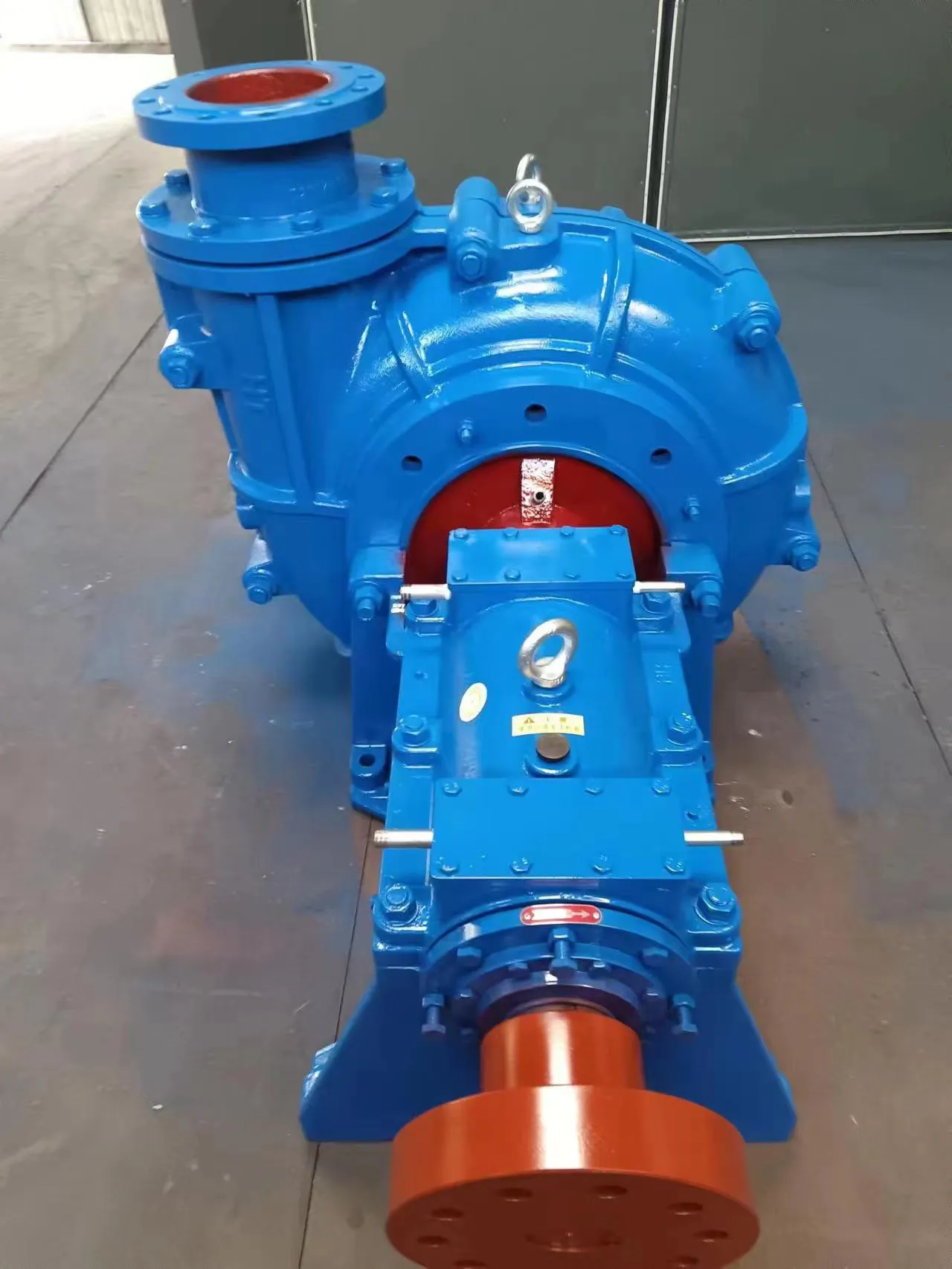
Performance & Engineering
Pump performance is fundamentally governed by hydraulic principles – Bernoulli’s equation and the affinity laws. Key performance metrics include flow rate (gallons per minute – GPM), total dynamic head (TDH – measured in feet), and pump efficiency (%). TDH accounts for static lift, friction losses in piping, and the pressure required by the filtration system. Pump curves, provided by manufacturers, graphically depict the relationship between flow rate and head. Selecting a pump that operates near the best efficiency point (BEP) is crucial for minimizing energy consumption. Variable Frequency Drives (VFDs) are increasingly common, allowing for pump speed adjustment to match demand and further optimize energy usage. Motor efficiency (NEMA Premium efficiency is a standard) also contributes significantly to overall system efficiency. Engineering considerations include Net Positive Suction Head Required (NPSHr) – a critical parameter to prevent cavitation. Cavitation occurs when the pressure at the impeller inlet drops below the vapor pressure of the liquid, forming vapor bubbles that collapse and damage the impeller. Proper pipe sizing and minimizing suction lift are essential to ensure adequate NPSHa (Net Positive Suction Head Available). Compliance requirements, such as those outlined in the Energy Policy Act of 2005, mandate minimum efficiency standards for pool pumps. Proper alignment between the pump and motor is critical to prevent bearing failure and vibration. Vibration analysis (ISO 10816) is a valuable diagnostic tool for identifying potential mechanical issues.
Technical Specifications
| Pump Type | Flow Rate (GPM) | Total Dynamic Head (TDH) – ft | Motor Horsepower (HP) |
|---|---|---|---|
| Centrifugal (Single Speed) | 50-150 | 10-50 | 0.75-3 |
| Centrifugal (Two Speed) | 30-100 (Low) / 60-180 (High) | 8-40 | 1-3 |
| Variable Speed (VFD) | 20-200 (Adjustable) | 10-60 (Adjustable) | 0.5-5 |
| In-Ground Pool – Standard | 60-80 | 20-30 | 1-1.5 |
| Above-Ground Pool – Standard | 30-50 | 10-20 | 0.5-1 |
| Commercial Pool – Large | 150-300+ | 40-80+ | 5-10+ |
Failure Mode & Maintenance
Common failure modes include impeller cracking (often due to cavitation or foreign object debris), seal failure (leading to water leakage), bearing failure (caused by misalignment, lubrication issues, or overload), and motor burnout (resulting from overheating or electrical faults). Corrosion, particularly in saltwater pools or with improper pH balance, is a significant contributor to pump degradation. Fatigue cracking in the pump housing can occur over time due to cyclical pressure fluctuations. Delamination of plastic pump components can be observed with prolonged exposure to UV radiation and harsh chemicals. Preventative maintenance is crucial. Regular inspection of the pump housing, impeller, and seals is recommended. Bearing lubrication should be performed according to the manufacturer’s specifications. The pump basket should be cleaned frequently to prevent debris from entering the impeller. Water chemistry should be meticulously monitored and maintained within the recommended ranges. Electrical connections should be checked for corrosion and tightness. For seal failures, replacement with a compatible material is essential. Impeller replacements require careful balancing to avoid vibration. Motor repairs should be conducted by qualified technicians, and burnt-out motors should be replaced rather than rewound to ensure optimal efficiency and reliability. Non-destructive testing methods, such as ultrasonic testing, can be employed to detect internal cracks or corrosion.
Industry FAQ
Q: What is the impact of VFD technology on the total cost of ownership for a pool pump?
A: While the initial investment for a VFD-equipped pump is higher, the long-term cost savings from reduced energy consumption are substantial. VFDs allow the pump to operate at the optimal speed for the required flow rate, minimizing energy waste. The reduced wear and tear on the pump components also extends the pump's lifespan, further lowering lifecycle costs. A detailed energy audit and payback analysis is recommended before implementation.
Q: How do different impeller materials affect pump performance and longevity in saltwater pools?
A: Stainless steel (316L) impellers offer the best corrosion resistance in saltwater environments, but they are more expensive. Noryl impellers provide a good balance of cost and performance, but may require more frequent inspection and replacement. Plastic impellers are generally not recommended for saltwater applications due to their susceptibility to corrosion.
Q: What are the key considerations when specifying a pump for a variable flow filtration system?
A: Ensuring the pump curve matches the system’s head-flow requirements across the entire operating range is critical. The pump must be capable of delivering the necessary flow rate at the maximum system head while also operating efficiently at lower flow rates. Properly sizing the piping is also essential to minimize friction losses.
Q: What are the common causes of cavitation and how can it be prevented?
A: Cavitation is typically caused by insufficient NPSHa. Preventative measures include increasing the suction pipe diameter, reducing suction lift, lowering the pump speed, and ensuring the suction line is free of obstructions. Regular monitoring of NPSHa is recommended.
Q: What is the role of the pump strainer basket and how often should it be cleaned?
A: The strainer basket prevents debris from entering the pump and damaging the impeller. The frequency of cleaning depends on the pool’s environment and usage, but it should be inspected daily and cleaned as needed. A clogged strainer basket can significantly reduce pump performance and increase energy consumption.
Conclusion
Selecting the optimal clearwater pool pump is a complex process demanding careful consideration of material science, hydraulic principles, and long-term operational costs. Ignoring material compatibility in corrosive environments, failing to account for NPSHr, or neglecting regular maintenance will inevitably lead to premature pump failure and increased total cost of ownership. Prioritizing energy efficiency through the implementation of VFD technology, coupled with proper system design and preventative maintenance, is crucial for maximizing pump longevity and minimizing environmental impact.
Future advancements in pump technology will likely focus on the development of more durable and corrosion-resistant materials, further optimization of hydraulic designs for improved efficiency, and the integration of smart sensors and data analytics for predictive maintenance. Procurement managers and engineers must stay abreast of these developments to ensure they are specifying the most technologically advanced and cost-effective pool pump solutions for their specific applications.
-
Precision at the Pump: How Better Machining Protects Flow and Uptime
News2026-11-20
-
Why Pump Reliability Begins Before the First Drop of Fluid
News2026-11-20
-
Beyond the Pump: Designing Safer Access Around Critical Water Infrastructure
News2026-11-20
-
Why Pumping Stations Depend on the Infrastructure Beneath the Pumps
News2026-11-20
-
Beyond the Pump Room: How Smarter Loading Protects Industrial Equipment
News2026-11-19
-
When Pumps Stop: Designing More Resilient Power for Critical Pumping Systems
News2026-11-19
-
The Hidden Role of Dust and Gas Monitoring in Reliable Pump Operations
News2026-11-19
-
The Hidden Role of Mineral Compounds in Extending Industrial Pump Lifespan
News2026-10-12
-
Why Pump System Reliability Depends on Precision Hose Assembly Methods
News2026-09-15
-
How Advanced Imaging Films Are Transforming Pump Component Quality Control
News2026-08-25
-
How Advanced Filtration Protects Pump Systems from Premature Wear and Costly Downtime
News2026-08-25
-
How Steel Material Selection Drives Pump Reliability in Heavy-Duty Systems
News2026-08-25
-
Ensuring Pump System Efficiency: The Role of High-Quality Pipe Fittings and Tubing
News2026-08-24
-
Optimizing Fluid Dynamics and Material Consistency in Industrial Processing
News2026-08-18
-
Innovations and Challenges in Hydraulic Systems for Heavy Machinery
News2026-08-13




