English
- Afrikaans
- Albanian
- Amharic
- Arabic
- Armenian
- Azerbaijani
- Basque
- Belarusian
- Bengali
- Bosnian
- Bulgarian
- Catalan
- Cebuano
- Corsican
- Croatian
- Czech
- Danish
- Dutch
- English
- Esperanto
- Estonian
- Finnish
- French
- Frisian
- Galician
- Georgian
- German
- Greek
- Gujarati
- Haitian Creole
- hausa
- hawaiian
- Hebrew
- Hindi
- Miao
- Hungarian
- Icelandic
- igbo
- Indonesian
- irish
- Italian
- Japanese
- Javanese
- Kannada
- kazakh
- Khmer
- Rwandese
- Korean
- Kurdish
- Kyrgyz
- Lao
- Latin
- Latvian
- Lithuanian
- Luxembourgish
- Macedonian
- Malgashi
- Malay
- Malayalam
- Maltese
- Maori
- Marathi
- Mongolian
- Myanmar
- Nepali
- Norwegian
- Norwegian
- Occitan
- Pashto
- Persian
- Polish
- Portuguese
- Punjabi
- Romanian
- Russian
- Samoan
- Scottish Gaelic
- Serbian
- Sesotho
- Shona
- Sindhi
- Sinhala
- Slovak
- Slovenian
- Somali
- Spanish
- Sundanese
- Swahili
- Swedish
- Tagalog
- Tajik
- Tamil
- Tatar
- Telugu
- Thai
- Turkish
- Turkmen
- Ukrainian
- Urdu
- Uighur
- Uzbek
- Vietnamese
- Welsh
- Bantu
- Yiddish
- Yoruba
- Zulu

Telephone: +86 13120555503
Email: frank@cypump.com


Apr . 01, 2024 17:55 Back to list
clear water well and pump Performance Analysis
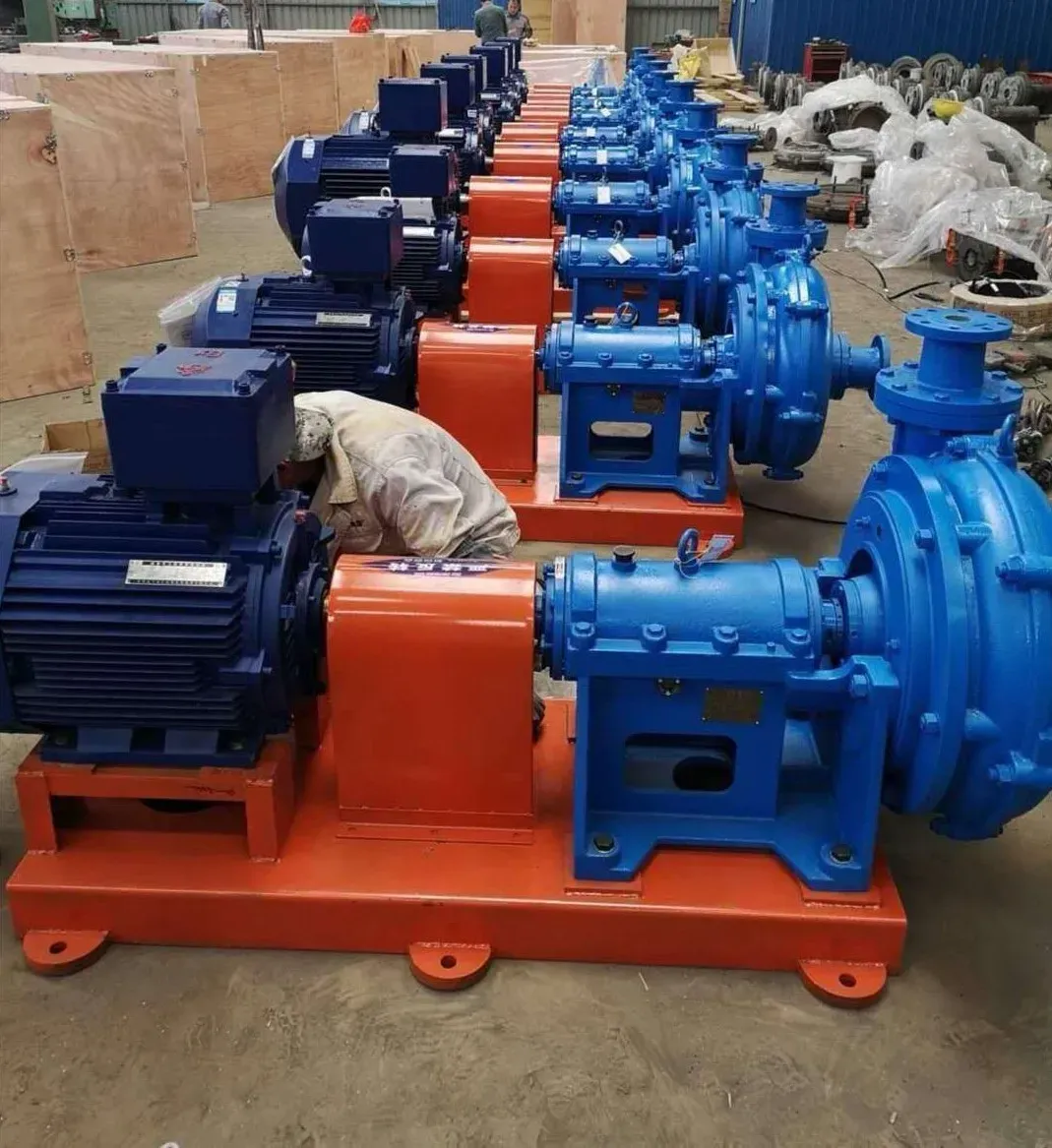
Introduction
Clear water wells and pumps represent a critical infrastructure component for potable water access and industrial process water supply. This guide details the engineering, material science, performance characteristics, and maintenance protocols associated with these systems. A clear water well, in its most basic form, is an excavation or structure created in the ground to access underground aquifers. The pump facilitates the lifting of this water to the surface for intended use. The industry chain encompasses geological surveying, well drilling & casing installation, pump selection & installation, and ongoing system maintenance. Core performance indicators include well yield (gallons per minute – GPM), pumping head (vertical distance water is lifted), water quality (turbidity, dissolved solids, contaminants), and system longevity. Addressing issues such as well degradation, pump cavitation, and contaminant intrusion are primary concerns within this sector.
Material Science & Manufacturing
Well casing materials commonly include carbon steel (ASTM A53 Grade B), stainless steel (304, 316L for corrosion resistance), and high-density polyethylene (HDPE). Carbon steel is cost-effective but susceptible to corrosion; stainless steel offers superior durability but at a higher cost. HDPE is used for smaller diameter wells and offers excellent chemical resistance. Well screens, which prevent sediment ingress, are typically manufactured from woven stainless steel wire or perforated PVC. Pump construction materials vary based on pump type. Centrifugal pumps commonly utilize cast iron, stainless steel, and engineered polymers for impellers and housings. Submersible pumps often feature stainless steel housings and Noryl impellers for resistance to abrasion and chemical attack. Manufacturing processes involve steel rolling and welding for casing, injection molding for plastic components, and precision machining for pump internals. Key parameter control during casing installation involves ensuring proper borehole alignment, grout sealing to prevent surface water contamination, and adequate casing depth to access a stable aquifer. Pump manufacturing requires tight tolerances in impeller balancing to minimize vibration and cavitation. Welding procedures for steel casing must adhere to AWS D1.1 standards to ensure structural integrity.
Performance & Engineering
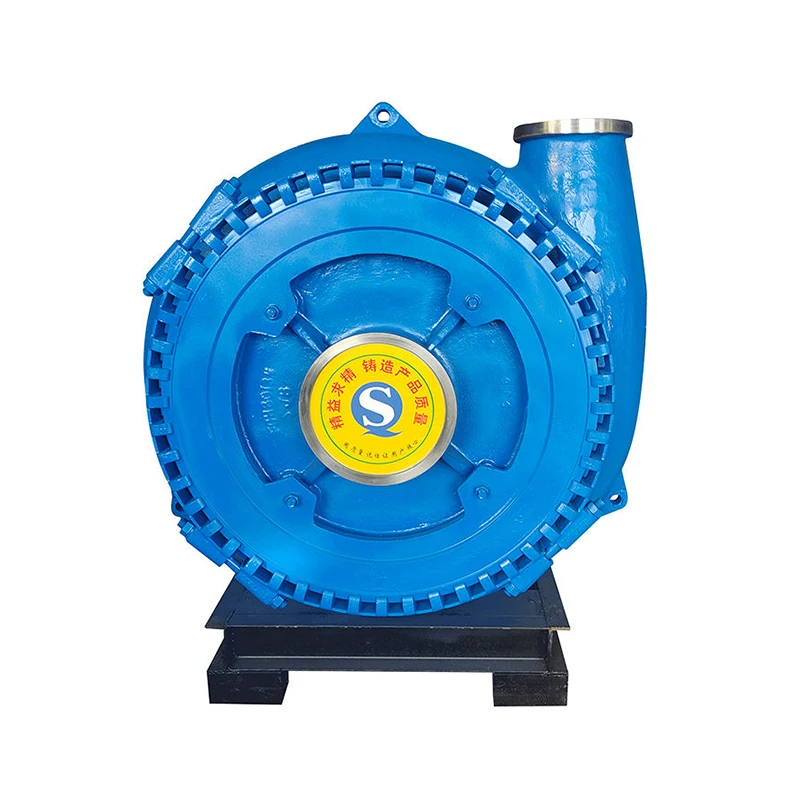
Pump performance is fundamentally governed by Bernoulli’s principle and the affinity laws of pumps. Force analysis involves calculating static head (elevation difference), friction head loss (due to pipe length and diameter), and dynamic head (velocity of water). Selecting the appropriate pump curve is critical to match the well's yield and the required delivery head. Environmental resistance is paramount. Well casing must withstand hydrostatic pressure from the water column and external soil loads. Pump materials must resist corrosion from groundwater chemistry, including dissolved oxygen, chlorides, and sulfates. Compliance requirements depend on the intended water use. Potable water systems must meet NSF/ANSI Standard 61 for drinking water system components. Industrial applications may require adherence to API standards for pump construction and performance. Functional implementation involves proper pump sizing, installation of check valves to prevent backflow, and the implementation of pressure relief valves to protect the system from overpressure events. Well drawdown, the lowering of the water table during pumping, must be carefully monitored to prevent well depletion and pump cavitation.
Technical Specifications
| Parameter | Centrifugal Pump (Typical) | Submersible Pump (Typical) | Well Casing (Carbon Steel) |
|---|---|---|---|
| Maximum Head (ft) | 300 | 600 | Dependent on Depth |
| Flow Rate (GPM) | 50-500 | 20-300 | Dependent on Aquifer Yield |
| Power Requirement (HP) | 5-50 | 3-25 | N/A |
| Material | Cast Iron, Stainless Steel | Stainless Steel, Noryl | ASTM A53 Grade B Steel |
| Operating Temperature (°F) | 32-140 | 32-180 | -20 - 200 |
| Corrosion Resistance | Moderate | Excellent | Low (requires coating) |
Failure Mode & Maintenance
Common failure modes for pumps include cavitation (caused by low inlet pressure), impeller wear (due to abrasive particles), seal failure (leading to leakage), and motor burnout (due to overheating or electrical faults). Well casing can fail due to corrosion, stress cracking, or physical damage from downhole tools. Regular maintenance is crucial. Pump maintenance includes periodic inspection of seals, bearings, and impellers; lubrication of moving parts; and monitoring of motor current. Well maintenance involves periodic water quality testing, inspection of well casing for corrosion or damage, and cleaning of the well screen to remove accumulated sediment. Failure analysis involves metallurgical examination of failed components (e.g., corrosion analysis of steel casings, fracture analysis of pump impellers). Corrosion prevention strategies include cathodic protection (for steel casings) and the use of corrosion-resistant alloys. Preventative maintenance schedules should be established based on pump operating hours and water quality conditions. A key indicator of impending failure is a decline in pump efficiency (measured as flow rate versus power consumption).
Industry FAQ
Q: What are the primary causes of well drawdown and how can it be mitigated?
A: Well drawdown occurs when the pumping rate exceeds the aquifer’s recharge rate. This leads to a lowering of the water table and increased pumping lift. Mitigation strategies include reducing the pumping rate, drilling a wider diameter well, or developing a secondary well to supplement the primary well's yield. Proper well development after drilling is crucial to establish efficient connection with the aquifer.
Q: How does groundwater chemistry impact pump selection and well casing material?
A: Highly corrosive groundwater (high in chlorides, sulfates, or dissolved gases) necessitates the use of corrosion-resistant materials such as stainless steel or HDPE. Acidic groundwater (low pH) can accelerate corrosion of carbon steel. Pump selection should prioritize materials compatible with the groundwater chemistry to maximize pump lifespan.
Q: What are the key considerations when selecting a submersible pump versus a centrifugal pump?
A: Submersible pumps are ideal for deep wells where suction lift is a limitation. They are generally more efficient at higher heads. Centrifugal pumps are suitable for shallow wells and applications where the pump can be located above the water level. Maintenance accessibility is typically easier with centrifugal pumps.
Q: What preventative measures can be taken to prevent biofouling in well systems?
A: Biofouling, the accumulation of microorganisms in the well and pump system, can reduce efficiency and promote corrosion. Chlorination, UV disinfection, and regular well cleaning can help control biofouling. Using well screens with appropriate mesh size can prevent the entry of larger organisms.
Q: How do you determine the appropriate well yield for a given application?
A: Determining well yield requires a thorough hydrogeological assessment. This includes analyzing aquifer properties (transmissivity and storativity), conducting pump tests to measure well discharge rates, and considering the long-term sustainability of the aquifer. Local regulations may also dictate maximum allowable pumping rates.
Conclusion
Clear water wells and pumps are essential components of water infrastructure. Optimizing performance and ensuring longevity requires a comprehensive understanding of material science, engineering principles, and maintenance protocols. Selection of appropriate materials, informed by groundwater chemistry and application requirements, is paramount. Regular monitoring and preventative maintenance are critical to mitigate failure modes and maintain reliable water supply.
Future advancements in this field will likely focus on smart well technologies (incorporating sensors for real-time monitoring of water levels, flow rates, and water quality) and improved pump efficiencies. Furthermore, sustainable groundwater management practices will become increasingly important to ensure the long-term availability of this vital resource. The integration of predictive maintenance techniques utilizing machine learning will optimize maintenance schedules and minimize downtime.
-
Effluent vs Sump Pump Performance Analysis
News2026-05-22
-
effluent septic pump Performance Engineering
News2026-05-22
-
best sewer pumps Performance Engineering
News2026-05-22
-
best sewer pump Performance Analysis
News2026-05-22
-
best sewage pumps Performance Engineering
News2026-05-22
-
basement bathroom sewage pump Material Science Manufacturing
News2026-05-21
-
wastewater treatment plant pumps Material Science Manufacturing
News2026-05-21
-
waste water pump for basement Material Science Manufacturing
News2026-05-21
-
sump pump sewage Performance Analysis
News2026-05-21
-
sump pump for sewage Material Science and Manufacturing
News2026-05-21
-
sump pump for septic systems Material Science Manufacturing
News2026-05-20
-
sump pump and ejector pump Material Science Manufacturing
News2026-05-20
-
sewage treatment plant pumps Performance Analysis
News2026-05-20
-
sewage tank pump Material Science and Manufacturing
News2026-05-20
-
sewage pump for septic tank Performance Analysis
News2026-05-20




