English
- Afrikaans
- Albanian
- Amharic
- Arabic
- Armenian
- Azerbaijani
- Basque
- Belarusian
- Bengali
- Bosnian
- Bulgarian
- Catalan
- Cebuano
- Corsican
- Croatian
- Czech
- Danish
- Dutch
- English
- Esperanto
- Estonian
- Finnish
- French
- Frisian
- Galician
- Georgian
- German
- Greek
- Gujarati
- Haitian Creole
- hausa
- hawaiian
- Hebrew
- Hindi
- Miao
- Hungarian
- Icelandic
- igbo
- Indonesian
- irish
- Italian
- Japanese
- Javanese
- Kannada
- kazakh
- Khmer
- Rwandese
- Korean
- Kurdish
- Kyrgyz
- Lao
- Latin
- Latvian
- Lithuanian
- Luxembourgish
- Macedonian
- Malgashi
- Malay
- Malayalam
- Maltese
- Maori
- Marathi
- Mongolian
- Myanmar
- Nepali
- Norwegian
- Norwegian
- Occitan
- Pashto
- Persian
- Polish
- Portuguese
- Punjabi
- Romanian
- Russian
- Samoan
- Scottish Gaelic
- Serbian
- Sesotho
- Shona
- Sindhi
- Sinhala
- Slovak
- Slovenian
- Somali
- Spanish
- Sundanese
- Swahili
- Swedish
- Tagalog
- Tajik
- Tamil
- Tatar
- Telugu
- Thai
- Turkish
- Turkmen
- Ukrainian
- Urdu
- Uighur
- Uzbek
- Vietnamese
- Welsh
- Bantu
- Yiddish
- Yoruba
- Zulu

Telephone: +86 13120555503
Email: frank@cypump.com


Apr . 01, 2024 17:55 Back to list
clear water pump and well service llc Performance Analysis
Introduction
Clear Water Pump and Well Service LLC provides submersible pump systems and well rehabilitation services primarily to the agricultural, municipal, and industrial sectors. These pumps are critical components in water extraction, transfer, and dewatering applications, often operating in demanding conditions. This technical guide details the material science, manufacturing processes, performance characteristics, potential failure modes, and maintenance procedures associated with clear water submersible pumps, focusing on those utilized in well service applications. A core industry pain point revolves around pump longevity in abrasive well environments and mitigating costly downtime. Understanding the interplay between pump construction, fluid characteristics, and operational parameters is essential for maximizing system reliability and efficiency. This guide addresses these concerns through detailed technical analysis and practical recommendations.
Material Science & Manufacturing
The construction of clear water submersible pumps relies heavily on specific material properties to withstand corrosive fluids, mechanical stress, and continuous operation. Pump housings are typically manufactured from cast iron (ASTM A48 Class 30) or stainless steel (304/316 grades – ASTM A743). Cast iron offers cost-effectiveness and good vibration damping, but requires protective coatings (epoxy or polyurethane) to resist corrosion. Stainless steel provides superior corrosion resistance, especially in aggressive water chemistries, but is more expensive. Impellers are frequently constructed from a combination of materials: a cast iron core for structural integrity and a polyurethane or composite coating for abrasion resistance. Diffusers, guiding the fluid flow, are usually made from reinforced thermoplastic polymers (e.g., polypropylene – ASTM D4101) for chemical resistance and lightweight properties. Shafts are commonly manufactured from 4140 alloy steel (ASTM A485), heat-treated for high tensile strength and fatigue resistance. Manufacturing processes include sand casting for housings, investment casting for impellers, injection molding for thermoplastic components, and CNC machining for shafts and close-tolerance parts. Key parameter control during manufacturing includes dimensional accuracy (critical for impeller-housing clearance), surface finish (reducing friction and cavitation), and weld quality (ensuring structural integrity of critical joints). Proper heat treatment of steel components is paramount to achieve desired hardness and ductility, directly impacting pump life.
Performance & Engineering
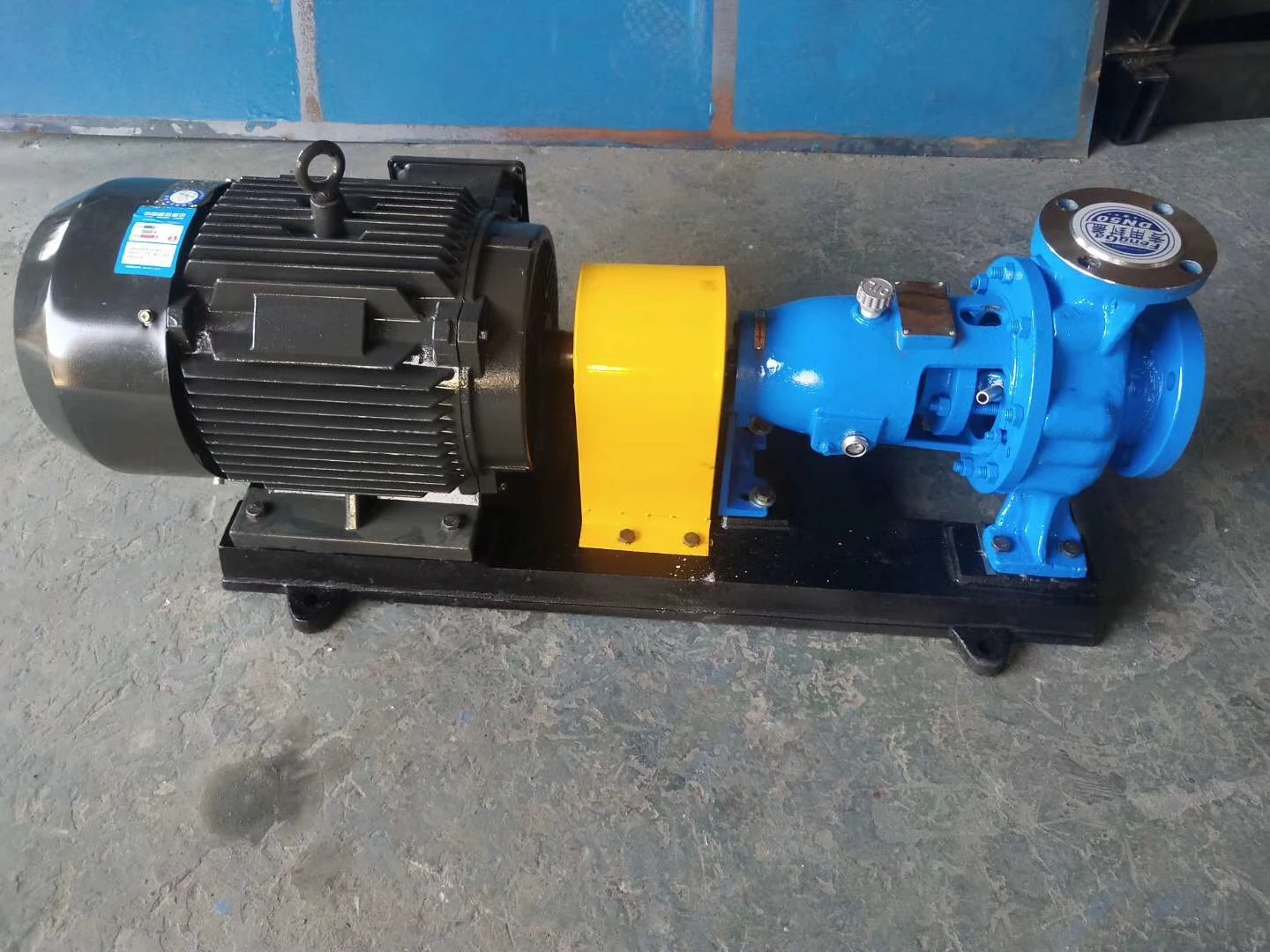
Submersible pump performance is defined by head (pressure generated), flow rate (volume of water delivered), and efficiency (ratio of hydraulic power output to electrical power input). Head is a function of impeller diameter, rotational speed, and fluid density. Flow rate is determined by impeller design and pump staging (multiple impellers in series). Engineering analysis centers on fluid dynamics (CFD simulations) to optimize impeller geometry and minimize hydraulic losses. Force analysis is critical to assess mechanical stresses on the shaft, bearings, and housing, particularly during startup and shutdown. Environmental resistance focuses on sealing systems (rubber diaphragms, mechanical seals – API 682 standards) to prevent water ingress into the motor and oil leakage. Compliance requirements include electrical safety standards (UL 778, CSA C22.2 No. 108) and hydraulic performance standards (HI – Hydraulic Institute standards). Specific engineering considerations for well service pumps include handling sand and debris (abrasion resistance), operating in corrosive water (material selection), and maintaining stable performance at varying well water levels. Cavitation, caused by pressure drops, is a significant concern, and impeller design must mitigate this risk. Bearing lubrication and cooling (oil-filled motors) are essential for long-term reliability.
Technical Specifications
| Parameter | Unit | Typical Value (Small Pump) | Typical Value (Large Pump) |
|---|---|---|---|
| Flow Rate | Gallons Per Minute (GPM) | 20-50 | 200-500 |
| Total Head | Feet | 50-150 | 300-800 |
| Motor Power | Horsepower (HP) | 0.5-2 | 10-30 |
| Impeller Diameter | Inches | 4-6 | 8-12 |
| Maximum Solid Size | Inches | 0.125 | 0.5 |
| Operating Temperature | °F | 32-104 | 32-140 |
Failure Mode & Maintenance
Common failure modes in clear water pumps include bearing failure (caused by wear, contamination, or inadequate lubrication), impeller damage (due to abrasion or corrosion), seal failure (leading to water ingress or oil leakage), motor winding failure (caused by overheating or electrical faults), and cable failure (due to stress or chemical attack). Failure analysis often reveals the root cause to be improper installation, abrasive particles in the fluid, corrosive water chemistry, or exceeding pump capacity. Fatigue cracking in the shaft or housing can occur due to cyclic loading. Delamination of protective coatings exposes underlying metal to corrosion. Degradation of rubber components (diaphragms, seals) reduces their effectiveness. Oxidation of electrical connections increases resistance and can lead to overheating. Preventative maintenance includes regular inspection for leaks, vibration analysis to detect bearing wear, oil analysis to assess contamination, and electrical testing to verify winding insulation. Scheduled replacement of seals and bearings is crucial. Proper pump installation (alignment, support) and operation within specified parameters (flow rate, head) are essential for maximizing lifespan. Routine cleaning to remove debris is also recommended. Consider using sacrificial anodes in corrosive environments to protect the pump housing.
Industry FAQ
Q: What is the impact of sand content in the water on pump life?
A: High sand content dramatically reduces pump life. Abrasive particles cause rapid wear of impellers, diffusers, and seals. We recommend installing a sand separator upstream of the pump or selecting pumps specifically designed for abrasive service with hardened materials and wear-resistant coatings. Regular inspection and replacement of worn components are also crucial.
Q: How do I determine the appropriate pump size for my well?
A: Proper pump sizing requires accurate data on well depth, static water level, drawdown, desired flow rate, and total dynamic head (TDH). TDH includes friction losses in the piping system. Consult with a qualified pump engineer or use pump selection software to ensure the pump is appropriately sized for your specific application.
Q: What type of water chemistry is most damaging to submersible pumps?
A: Water with high levels of dissolved salts (salinity), acidity (low pH), or alkalinity (high pH) is particularly corrosive. Sulfate-reducing bacteria can also generate corrosive hydrogen sulfide. Selecting pumps constructed from corrosion-resistant materials (stainless steel, special alloys) and applying protective coatings are essential in these environments.
Q: What are the warning signs of a failing submersible pump?
A: Common warning signs include reduced flow rate, increased power consumption, unusual noises (grinding, squealing), excessive vibration, and frequent pump cycling (on/off). These symptoms indicate potential problems with the impeller, bearings, motor, or electrical system and require immediate investigation.
Q: How often should I perform preventative maintenance on a submersible pump?
A: Preventative maintenance frequency depends on operating conditions and pump usage. As a general guideline, inspect the pump annually for leaks, vibration, and cable damage. Perform oil analysis every six months. Replace seals and bearings every 1-3 years, depending on the application. Always follow the manufacturer’s recommendations.
Conclusion
Clear water submersible pumps are essential components in numerous water management applications, demanding robust design, appropriate material selection, and diligent maintenance. The longevity and efficiency of these pumps are directly correlated to understanding the interplay between fluid characteristics, operating conditions, and potential failure modes. Proper pump sizing, corrosion protection, and preventative maintenance are paramount to minimizing downtime and maximizing return on investment.
Future developments in pump technology will likely focus on improved materials (e.g., ceramics, advanced polymers) for enhanced abrasion and corrosion resistance, smart pump controllers with predictive maintenance capabilities, and more efficient motor designs. Continuous monitoring of pump performance data will enable proactive maintenance strategies, further reducing life cycle costs and ensuring reliable operation. Furthermore, advancements in remote monitoring and control systems will play a key role in optimizing pump performance and reducing operational expenses.
-
basement bathroom sewage pump Material Science Manufacturing
News2026-05-21
-
wastewater treatment plant pumps Material Science Manufacturing
News2026-05-21
-
waste water pump for basement Material Science Manufacturing
News2026-05-21
-
sump pump sewage Performance Analysis
News2026-05-21
-
sump pump for sewage Material Science and Manufacturing
News2026-05-21
-
sump pump for septic systems Material Science Manufacturing
News2026-05-20
-
sump pump and ejector pump Material Science Manufacturing
News2026-05-20
-
sewage treatment plant pumps Performance Analysis
News2026-05-20
-
sewage tank pump Material Science and Manufacturing
News2026-05-20
-
sewage pump for septic tank Performance Analysis
News2026-05-20
-
Sewage Pump and Tank Performance Analysis
News2026-05-19
-
Sewage Ejector Pump Replacement Performance Analysis
News2026-05-19
-
sewage ejector pump for basement bathroom Material Science Manufacturing
News2026-05-19
-
sewage ejection pump Material Science and Manufacturing
News2026-05-19
-
in line sewage pump Performance Analysis
News2026-05-19




