English
- Afrikaans
- Albanian
- Amharic
- Arabic
- Armenian
- Azerbaijani
- Basque
- Belarusian
- Bengali
- Bosnian
- Bulgarian
- Catalan
- Cebuano
- Corsican
- Croatian
- Czech
- Danish
- Dutch
- English
- Esperanto
- Estonian
- Finnish
- French
- Frisian
- Galician
- Georgian
- German
- Greek
- Gujarati
- Haitian Creole
- hausa
- hawaiian
- Hebrew
- Hindi
- Miao
- Hungarian
- Icelandic
- igbo
- Indonesian
- irish
- Italian
- Japanese
- Javanese
- Kannada
- kazakh
- Khmer
- Rwandese
- Korean
- Kurdish
- Kyrgyz
- Lao
- Latin
- Latvian
- Lithuanian
- Luxembourgish
- Macedonian
- Malgashi
- Malay
- Malayalam
- Maltese
- Maori
- Marathi
- Mongolian
- Myanmar
- Nepali
- Norwegian
- Norwegian
- Occitan
- Pashto
- Persian
- Polish
- Portuguese
- Punjabi
- Romanian
- Russian
- Samoan
- Scottish Gaelic
- Serbian
- Sesotho
- Shona
- Sindhi
- Sinhala
- Slovak
- Slovenian
- Somali
- Spanish
- Sundanese
- Swahili
- Swedish
- Tagalog
- Tajik
- Tamil
- Tatar
- Telugu
- Thai
- Turkish
- Turkmen
- Ukrainian
- Urdu
- Uighur
- Uzbek
- Vietnamese
- Welsh
- Bantu
- Yiddish
- Yoruba
- Zulu

Telephone: +86 13120555503
Email: frank@cypump.com


Apr . 01, 2024 17:55 Back to list
clear water pump and well service canton ma Performance Analysis
Introduction
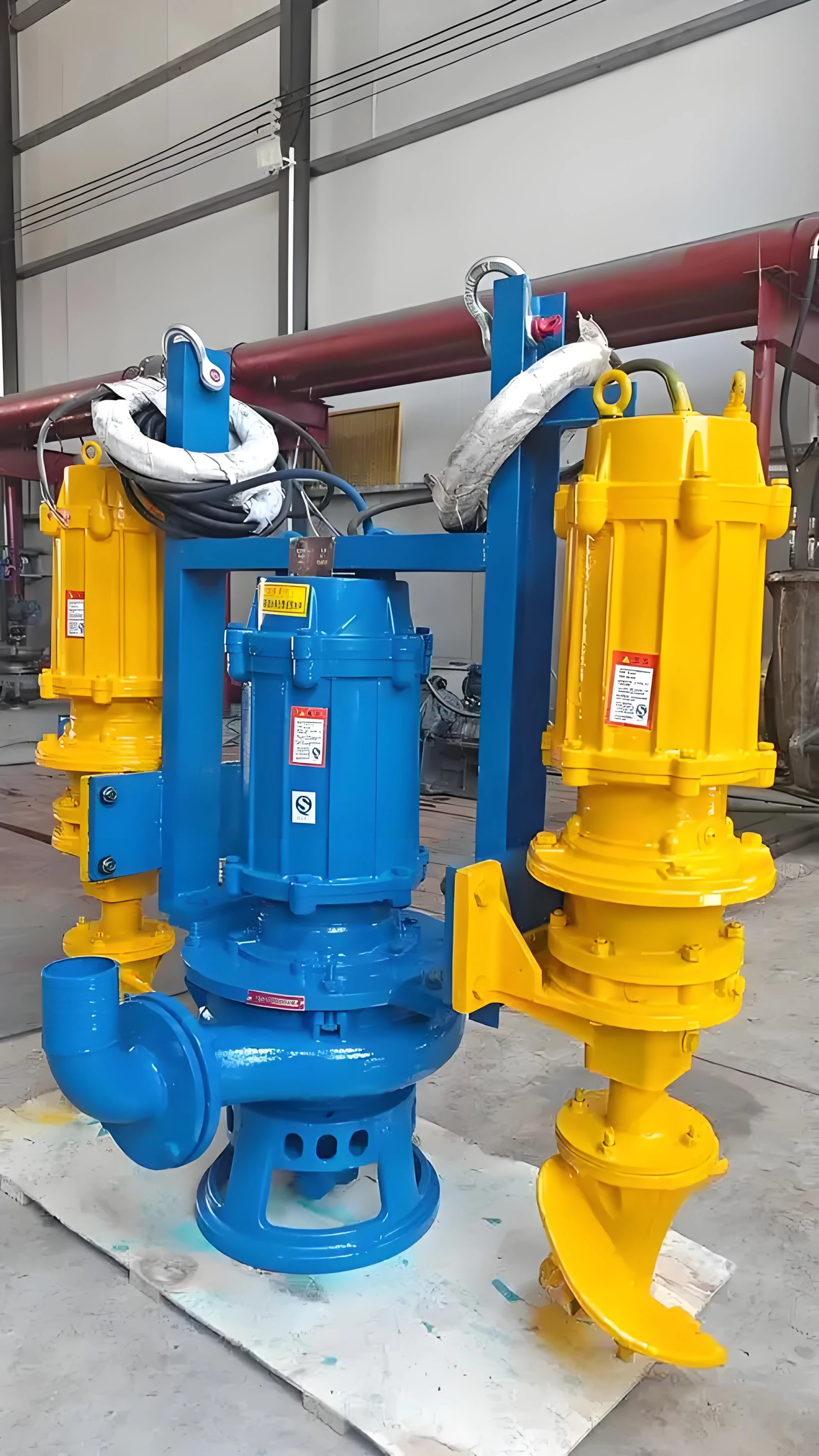
Clear water pumps, particularly those utilized in well service applications such as those provided in Canton, Massachusetts, represent a critical component in water management, environmental remediation, and industrial processes. These pumps are designed to efficiently transfer water free of abrasive solids, distinguishing them from slurry or sewage pumps. The industry chain positions clear water pumps downstream from manufacturers of pump components (impellers, housings, seals, motors), and upstream from end-users including municipal water facilities, construction sites, agricultural operations, and dewatering services. Core performance characteristics revolve around flow rate (GPM), total dynamic head (TDH), pump efficiency, and operational reliability. The increasing demand for efficient water usage and stringent environmental regulations necessitate pumps capable of consistent performance and minimal energy consumption. Well service in Canton MA specifically focuses on maintenance, repair and installation of these systems often facing challenges like corrosive groundwater and challenging site access.
Material Science & Manufacturing
Clear water pumps commonly employ housings constructed from cast iron (ASTM A48 Class 30), stainless steel (304, 316 for corrosive environments - ASTM A240), or engineered polymers (Polypropylene, HDPE for lighter-duty applications). Impellers are frequently manufactured from bronze (ASTM B584), stainless steel, or reinforced thermoplastic materials. Shaft materials are typically high-strength alloy steels (4140, 4340 - ASTM A29/A29M) due to their resistance to torsional stress and fatigue. Seals commonly use elastomers like Nitrile (Buna-N), Viton (FKM), or EPDM, chosen for their chemical compatibility with the pumped fluid.
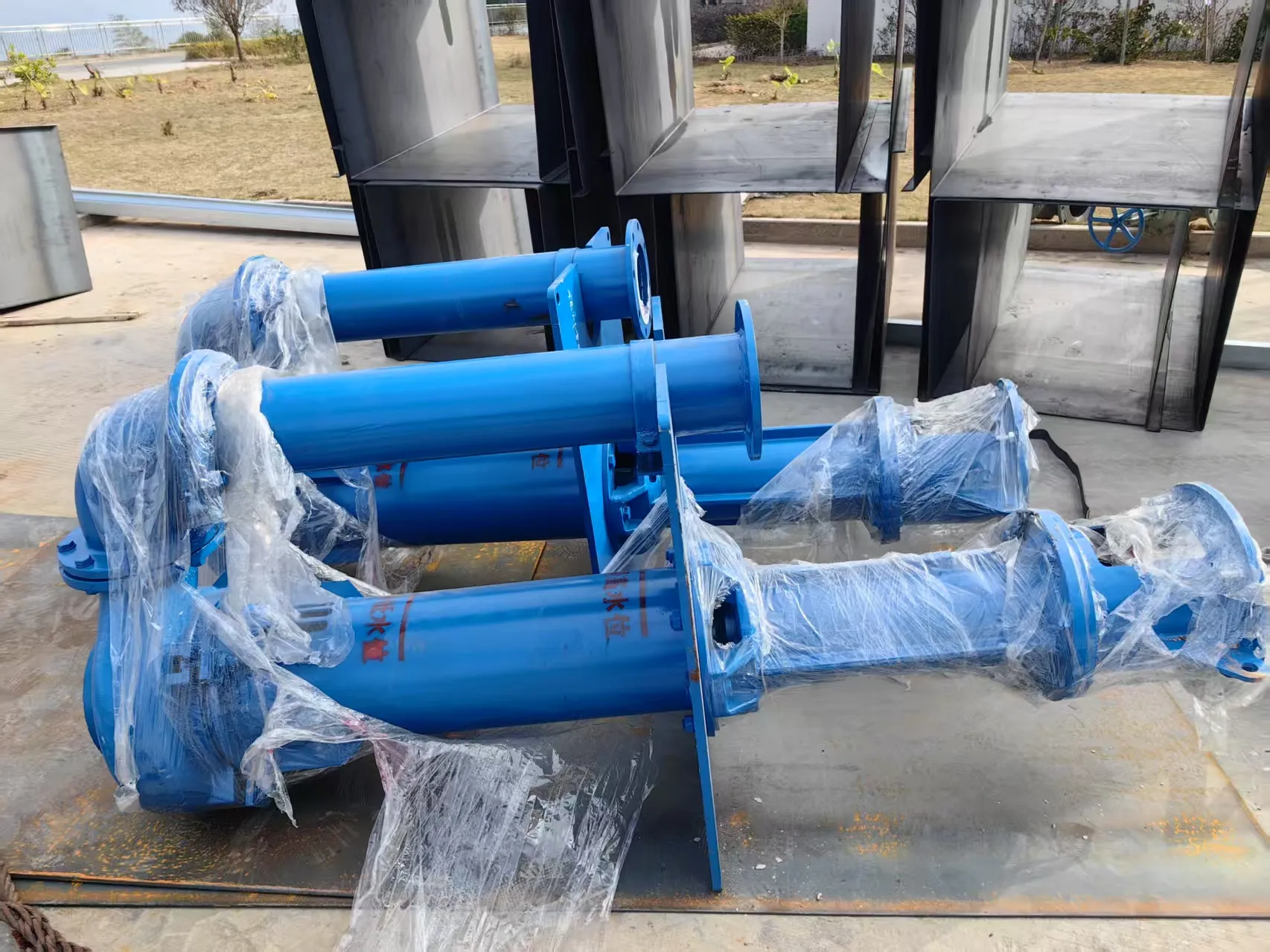
Manufacturing processes vary based on component. Pump housings are often produced via sand casting or investment casting, followed by machining to precise tolerances. Impellers may be produced through centrifugal casting, investment casting, or injection molding. Shafts are typically machined from bar stock and undergo heat treatment (hardening and tempering) to achieve desired mechanical properties. Pump assembly involves meticulous fitting of internal components, dynamic balancing of the impeller, and rigorous testing to verify performance characteristics. Key parameter control during manufacturing includes dimensional accuracy (critical for seal performance), surface finish (to minimize friction and cavitation), and material hardness (to resist wear and erosion). Welding, if required, adheres to AWS D1.1 standards for structural steel welding.
Performance & Engineering
Clear water pump performance is fundamentally governed by fluid dynamics principles. Force analysis focuses on hydraulic forces exerted on the impeller, radial and axial thrust on the shaft, and vibrational stresses on the pump housing. The pump's total dynamic head (TDH) is a function of the static head (elevation difference), friction losses in the piping system, and velocity head. Pump efficiency is determined by the ratio of hydraulic power output to electrical power input. Environmental resistance is crucial, particularly in well service applications where pumps may encounter corrosive groundwater (pH levels, chloride concentration), temperature fluctuations, and exposure to UV radiation. Compliance requirements include hydraulic institute standards (HI), National Electrical Manufacturers Association (NEMA) standards for motor performance, and potentially local regulations regarding noise emissions and energy efficiency. Cavitation, a significant failure mode, occurs when the absolute pressure at the impeller inlet drops below the vapor pressure of the water, leading to the formation of vapor bubbles that collapse violently, causing erosion of the impeller and housing. Proper Net Positive Suction Head Required (NPSHr) calculation is essential to prevent cavitation.
Technical Specifications
| Pump Type | Flow Rate (GPM) | Total Dynamic Head (ft) | Motor Horsepower (HP) |
|---|---|---|---|
| Centrifugal, Single-Stage | 50-200 | 50-150 | 2-10 |
| Submersible | 100-500 | 100-300 | 5-25 |
| Self-Priming | 20-100 | 20-80 | 1-5 |
| Turbine Pump | 300-1000 | 200-500 | 15-50 |
| Diaphragm Pump (low flow) | 5-30 | 10-50 | 0.25-1 |
| Material of Construction (Housing) | Cast Iron | Stainless Steel 304 | Polypropylene |
Failure Mode & Maintenance
Common failure modes in clear water pumps include impeller wear (due to abrasion or erosion), seal failure (leading to leakage), bearing failure (due to fatigue or lubrication issues), motor winding failure (due to overheating or electrical surges), and corrosion of pump components. Fatigue cracking can occur in the pump housing or impeller due to cyclical loading. Delamination of polymeric coatings can reduce corrosion resistance. Degradation of elastomers in seals leads to loss of sealing performance. Oxidation of metallic components accelerates corrosion.
Preventative maintenance is crucial. Regular inspection of seals, bearings, and impellers is essential. Lubrication of bearings according to manufacturer’s specifications prevents premature wear. Monitoring motor winding temperature and voltage levels helps detect potential electrical issues. Flushing the pump and piping system removes debris and sediment. Periodic analysis of pumped water (pH, chloride concentration) informs corrosion mitigation strategies. For well service pumps in Canton MA, special attention must be paid to sediment buildup and potential for iron bacteria growth. Repair procedures typically involve component replacement (impellers, seals, bearings) or rewinding of the motor. Advanced diagnostics, such as vibration analysis and infrared thermography, can identify developing problems before they lead to catastrophic failures.
Industry FAQ
Q: What is the impact of water temperature on pump performance?
A: Increased water temperature generally reduces water density and viscosity, which can slightly increase pump flow rate but also reduce the pump’s NPSHr. Higher temperatures also accelerate corrosion rates and can degrade seal materials. Pump curves are typically generated at a standard temperature (e.g., 68°F/20°C), so performance at significantly different temperatures should be adjusted accordingly.
Q: How do I select the correct pump size for my application?
A: Proper pump sizing requires accurately determining the system’s required flow rate and total dynamic head. This involves considering pipe diameter, pipe length, elevation changes, friction losses, and the specific application’s demands. Oversizing the pump leads to energy waste and potential cavitation issues, while undersizing results in insufficient flow.
Q: What are the advantages of using a submersible pump versus a surface-mounted pump?
A: Submersible pumps are advantageous in well service applications because they are inherently self-priming and eliminate the need for suction lift. They are also generally more efficient and quieter than surface-mounted pumps. However, maintenance and repair of submersible pumps are typically more complex and require pulling the pump from the well.
Q: What preventative measures can I take to mitigate corrosion in my clear water pump system?
A: Selecting corrosion-resistant materials (stainless steel, engineered polymers) is the first step. Implementing sacrificial anodes can protect metallic components. Maintaining proper water chemistry (pH control, deaeration) reduces corrosion potential. Regular inspection and coating of exposed surfaces prevent corrosion initiation.
Q: How do I diagnose cavitation in a clear water pump?
A: Common signs of cavitation include a rattling or grinding noise emanating from the pump, reduced pump performance (flow rate and head), and visible erosion on the impeller. Checking the NPSHa (Net Positive Suction Head Available) and comparing it to the NPSHr (Net Positive Suction Head Required) is crucial. If NPSHa is less than NPSHr, cavitation is likely occurring.
Conclusion
Clear water pumps represent a foundational technology in numerous industries and are particularly vital for well service operations in locations like Canton, Massachusetts. Successful implementation hinges on a thorough understanding of material science, manufacturing processes, performance engineering, and potential failure modes. Optimizing pump selection, installation, and maintenance requires a holistic approach, considering not only initial cost but also long-term operational efficiency, reliability, and compliance with industry standards.
The continued evolution of pump technology focuses on enhancing energy efficiency, improving corrosion resistance, and integrating advanced monitoring and control systems. Future trends include the development of more durable materials, optimized impeller designs, and predictive maintenance capabilities based on sensor data and machine learning algorithms. These advancements will ultimately contribute to more sustainable and cost-effective water management practices.
-
basement bathroom sewage pump Material Science Manufacturing
News2026-05-21
-
wastewater treatment plant pumps Material Science Manufacturing
News2026-05-21
-
waste water pump for basement Material Science Manufacturing
News2026-05-21
-
sump pump sewage Performance Analysis
News2026-05-21
-
sump pump for sewage Material Science and Manufacturing
News2026-05-21
-
sump pump for septic systems Material Science Manufacturing
News2026-05-20
-
sump pump and ejector pump Material Science Manufacturing
News2026-05-20
-
sewage treatment plant pumps Performance Analysis
News2026-05-20
-
sewage tank pump Material Science and Manufacturing
News2026-05-20
-
sewage pump for septic tank Performance Analysis
News2026-05-20
-
Sewage Pump and Tank Performance Analysis
News2026-05-19
-
Sewage Ejector Pump Replacement Performance Analysis
News2026-05-19
-
sewage ejector pump for basement bathroom Material Science Manufacturing
News2026-05-19
-
sewage ejection pump Material Science and Manufacturing
News2026-05-19
-
in line sewage pump Performance Analysis
News2026-05-19




