English
- Afrikaans
- Albanian
- Amharic
- Arabic
- Armenian
- Azerbaijani
- Basque
- Belarusian
- Bengali
- Bosnian
- Bulgarian
- Catalan
- Cebuano
- Corsican
- Croatian
- Czech
- Danish
- Dutch
- English
- Esperanto
- Estonian
- Finnish
- French
- Frisian
- Galician
- Georgian
- German
- Greek
- Gujarati
- Haitian Creole
- hausa
- hawaiian
- Hebrew
- Hindi
- Miao
- Hungarian
- Icelandic
- igbo
- Indonesian
- irish
- Italian
- Japanese
- Javanese
- Kannada
- kazakh
- Khmer
- Rwandese
- Korean
- Kurdish
- Kyrgyz
- Lao
- Latin
- Latvian
- Lithuanian
- Luxembourgish
- Macedonian
- Malgashi
- Malay
- Malayalam
- Maltese
- Maori
- Marathi
- Mongolian
- Myanmar
- Nepali
- Norwegian
- Norwegian
- Occitan
- Pashto
- Persian
- Polish
- Portuguese
- Punjabi
- Romanian
- Russian
- Samoan
- Scottish Gaelic
- Serbian
- Sesotho
- Shona
- Sindhi
- Sinhala
- Slovak
- Slovenian
- Somali
- Spanish
- Sundanese
- Swahili
- Swedish
- Tagalog
- Tajik
- Tamil
- Tatar
- Telugu
- Thai
- Turkish
- Turkmen
- Ukrainian
- Urdu
- Uighur
- Uzbek
- Vietnamese
- Welsh
- Bantu
- Yiddish
- Yoruba
- Zulu

Telephone: +86 13120555503
Email: frank@cypump.com


Apr . 01, 2024 17:55 Back to list
clear water pool pump Material Science Manufacturing
Introduction
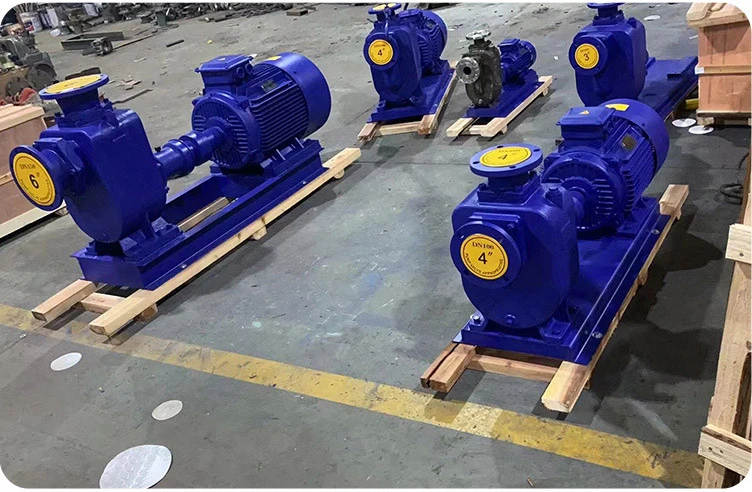
Clear water pool pumps are centrifugal pumps specifically engineered for the circulation and filtration of water in swimming pools, spas, and water features. They represent a critical component within the pool’s hydraulic system, responsible for moving water from the pool basin, through the filter, and back to the pool, ensuring water clarity, hygiene, and balanced chemical distribution. Unlike general-purpose pumps, pool pumps must contend with chemically treated water, varying flow demands influenced by bather load and filtration cycles, and extended periods of operation. The industry chain positions the pool pump between the filtration system (filters, sanitizers) and the pool itself, requiring materials compatibility with chlorine, bromine, and other pool chemicals. Core performance metrics include flow rate (gallons per minute or liters per hour), head pressure (feet or meters), motor efficiency, and noise level. Selection hinges on pool volume, filtration system resistance, and energy efficiency considerations, driven by increasingly stringent energy consumption regulations.
Material Science & Manufacturing
The construction of clear water pool pumps necessitates materials exhibiting high corrosion resistance and mechanical strength. Pump housings are commonly manufactured from reinforced thermoplastic materials such as polypropylene (PP) or acrylonitrile butadiene styrene (ABS) for smaller, residential applications, offering a balance of cost-effectiveness and chemical compatibility. For larger, commercial pumps, materials like cast iron with epoxy coating or stainless steel (specifically 316L) are prevalent due to their superior durability and resistance to aggressive chemicals. Impellers, responsible for imparting kinetic energy to the water, are often molded from high-density polyethylene (HDPE) or, in higher-performance pumps, from glass-filled polypropylene. Shafts are typically constructed from stainless steel (304 or 316) to resist corrosion. Manufacturing processes primarily involve injection molding for plastic components and sand casting or investment casting for metal parts. Critical parameters during injection molding include melt temperature, mold temperature, and injection pressure, impacting the final component’s density, crystallinity, and dimensional accuracy. Metal casting requires precise control of molten metal temperature, pouring rate, and cooling rate to minimize porosity and ensure structural integrity. Welding of stainless steel components must be performed using techniques like TIG welding with appropriate filler metals to maintain corrosion resistance. Post-casting/molding, components undergo rigorous quality control, including hydrostatic testing to verify pressure containment and dimensional inspections to ensure adherence to specifications.
Performance & Engineering
The performance of a clear water pool pump is fundamentally governed by the principles of fluid dynamics. The pump's performance curve, depicting flow rate versus head pressure, is crucial for system design. Force analysis considers the hydrodynamic forces exerted on the impeller, the static pressure within the pump housing, and the mechanical stresses on the shaft and bearings. Cavitation, a common issue, arises when the absolute pressure at the impeller inlet falls below the vapor pressure of the water, forming vapor bubbles that collapse violently, causing noise, vibration, and impeller erosion. Engineers mitigate cavitation through careful impeller design (specifically, Net Positive Suction Head Required – NPSHr – calculations) and optimizing system layout to minimize suction lift. Environmental resistance is paramount; pumps must withstand outdoor exposure to UV radiation, temperature fluctuations, and humidity. Motor selection is critical; totally enclosed fan-cooled (TEFC) motors are standard for pool pump applications, providing protection against moisture and debris. Variable Frequency Drives (VFDs) are increasingly integrated to optimize energy consumption by adjusting motor speed to match flow demand, reducing noise and extending pump lifespan. Compliance requirements include UL/CSA certifications for electrical safety and adherence to energy efficiency standards like those mandated by the Department of Energy (DOE) in the United States, specifying minimum efficiency levels for pool pumps.
Technical Specifications
| Parameter | Residential Pump (1.5 HP) | Commercial Pump (5 HP) | Variable Speed Pump (2 HP Equivalent) |
|---|---|---|---|
| Flow Rate (GPM) | 50-120 | 150-300 | 30-120 (Adjustable) |
| Head Pressure (ft) | 50-80 | 80-120 | 60-100 |
| Motor Power (HP) | 1.5 | 5 | 0.75 - 2 (Variable) |
| Voltage (V) | 115/230 | 230/460 | 115/230 |
| Impeller Type | Centrifugal | Centrifugal | Centrifugal |
| Housing Material | Polypropylene | Cast Iron (Epoxy Coated) | Reinforced Thermoplastic |
Failure Mode & Maintenance
Clear water pool pumps are susceptible to several failure modes. Mechanical seal failure is common, resulting from wear, corrosion, or improper installation, leading to water leakage. Impeller cracking or erosion can occur due to cavitation, debris ingestion, or material fatigue. Motor bearing failure manifests as increased noise and vibration, eventually leading to motor burnout. Electrical failures, including winding shorts and capacitor failure, are also prevalent. Corrosion, particularly in metal components, can weaken structural integrity over time. Preventive maintenance is crucial. Regular inspection of the mechanical seal for leaks and wear is essential. Backwashing the pump strainer frequently prevents debris buildup and reduces strain on the impeller. Lubricating motor bearings per manufacturer’s specifications extends their lifespan. Checking for electrical connection tightness and insulation integrity mitigates electrical hazards. For mechanical seal failures, replacement with a compatible seal is required. Impeller damage necessitates impeller replacement. Motor bearing failure demands motor repair or replacement. Corrosion can be addressed with protective coatings or component replacement. Regular monitoring of pump performance metrics (flow rate, pressure, motor current) provides early warning signs of potential problems, enabling timely intervention and preventing catastrophic failures. A comprehensive maintenance schedule, documented and adhered to, maximizes pump lifespan and minimizes downtime.
Industry FAQ
Q: What is the impact of water chemistry on the lifespan of a pool pump?
A: Aggressive water chemistry, particularly low pH or high chlorine levels, significantly accelerates corrosion of pump components, especially those made of metal. Maintaining proper pH balance (7.2-7.8) and chlorine levels (1-3 ppm) is critical for maximizing pump longevity. Regular water testing and adjustment are essential preventative measures.
Q: How do I determine the correct pump size for my pool?
A: Pump sizing depends on pool volume, plumbing resistance, and filtration system requirements. A pump that is too small will result in inadequate circulation, while a pump that is too large will waste energy and potentially damage the filtration system. Calculations involve determining the total dynamic head (TDH) – the total resistance to flow – and selecting a pump that can deliver the required flow rate at that TDH.
Q: What are the benefits of using a variable speed pump?
A: Variable speed pumps offer significant energy savings by allowing adjustment of pump speed to match flow demand. They also reduce noise levels and extend pump lifespan due to lower operating speeds. Modern variable speed pumps often include programmable schedules and remote control capabilities for enhanced convenience.
Q: What are the common causes of pump cavitation?
A: Cavitation is typically caused by insufficient Net Positive Suction Head Available (NPSHa) – the absolute pressure at the pump inlet. This can result from long suction lines, high water temperatures, clogged suction strainers, or excessive suction lift. Correcting these issues resolves the cavitation problem.
Q: How often should the pump’s strainer basket be cleaned?
A: The strainer basket should be cleaned regularly – ideally weekly, or more frequently if the pool is heavily used or exposed to debris. A clogged strainer basket restricts flow, increasing strain on the pump and reducing its efficiency. Frequent cleaning prevents premature wear and tear.
Conclusion
Clear water pool pumps are indispensable components in maintaining sanitary and aesthetically pleasing aquatic environments. Their reliable operation depends on a confluence of factors, spanning material selection, precision manufacturing, rigorous performance engineering, and proactive maintenance. Understanding the interplay between fluid dynamics, corrosion mechanisms, and electrical safety protocols is critical for optimal pump performance and longevity.
As energy efficiency regulations become more stringent and the demand for sustainable solutions grows, variable speed pump technology will continue to gain prominence. Furthermore, advancements in materials science, such as the development of more corrosion-resistant polymers and alloys, will further enhance the durability and reliability of pool pump systems. A holistic approach to pump selection, installation, and maintenance, grounded in sound engineering principles, will ensure the long-term health and efficient operation of pool circulation systems.
-
Effluent vs Sump Pump Performance Analysis
News2026-05-22
-
effluent septic pump Performance Engineering
News2026-05-22
-
best sewer pumps Performance Engineering
News2026-05-22
-
best sewer pump Performance Analysis
News2026-05-22
-
best sewage pumps Performance Engineering
News2026-05-22
-
basement bathroom sewage pump Material Science Manufacturing
News2026-05-21
-
wastewater treatment plant pumps Material Science Manufacturing
News2026-05-21
-
waste water pump for basement Material Science Manufacturing
News2026-05-21
-
sump pump sewage Performance Analysis
News2026-05-21
-
sump pump for sewage Material Science and Manufacturing
News2026-05-21
-
sump pump for septic systems Material Science Manufacturing
News2026-05-20
-
sump pump and ejector pump Material Science Manufacturing
News2026-05-20
-
sewage treatment plant pumps Performance Analysis
News2026-05-20
-
sewage tank pump Material Science and Manufacturing
News2026-05-20
-
sewage pump for septic tank Performance Analysis
News2026-05-20




