English
- Afrikaans
- Albanian
- Amharic
- Arabic
- Armenian
- Azerbaijani
- Basque
- Belarusian
- Bengali
- Bosnian
- Bulgarian
- Catalan
- Cebuano
- Corsican
- Croatian
- Czech
- Danish
- Dutch
- English
- Esperanto
- Estonian
- Finnish
- French
- Frisian
- Galician
- Georgian
- German
- Greek
- Gujarati
- Haitian Creole
- hausa
- hawaiian
- Hebrew
- Hindi
- Miao
- Hungarian
- Icelandic
- igbo
- Indonesian
- irish
- Italian
- Japanese
- Javanese
- Kannada
- kazakh
- Khmer
- Rwandese
- Korean
- Kurdish
- Kyrgyz
- Lao
- Latin
- Latvian
- Lithuanian
- Luxembourgish
- Macedonian
- Malgashi
- Malay
- Malayalam
- Maltese
- Maori
- Marathi
- Mongolian
- Myanmar
- Nepali
- Norwegian
- Norwegian
- Occitan
- Pashto
- Persian
- Polish
- Portuguese
- Punjabi
- Romanian
- Russian
- Samoan
- Scottish Gaelic
- Serbian
- Sesotho
- Shona
- Sindhi
- Sinhala
- Slovak
- Slovenian
- Somali
- Spanish
- Sundanese
- Swahili
- Swedish
- Tagalog
- Tajik
- Tamil
- Tatar
- Telugu
- Thai
- Turkish
- Turkmen
- Ukrainian
- Urdu
- Uighur
- Uzbek
- Vietnamese
- Welsh
- Bantu
- Yiddish
- Yoruba
- Zulu

Telephone: +86 13120555503
Email: frank@cypump.com


Apr . 01, 2024 17:55 Back to list
clean water pumps Performance Analysis
Introduction
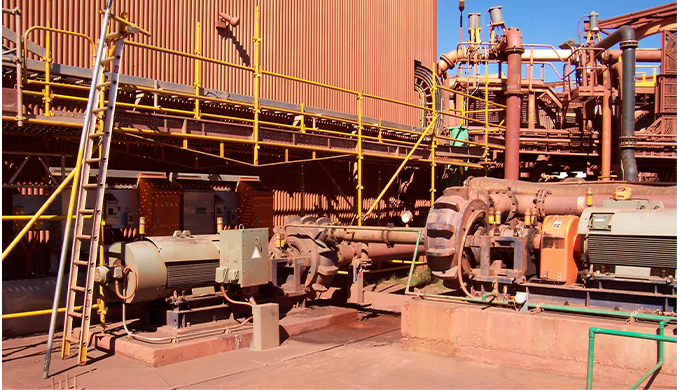
Clean water pumps represent a critical component within municipal water systems, industrial processing, and agricultural irrigation. These pumps are engineered to efficiently transfer potable water, adhering to stringent purity standards. Their technical position within the water management chain is post-treatment and pre-distribution/application. Core performance characteristics include volumetric flow rate (measured in gallons per minute or liters per second), total dynamic head (TDH) – the maximum height water can be lifted – and pump efficiency, typically expressed as a percentage. A primary industry pain point is balancing energy consumption with flow rate requirements, particularly in fluctuating demand scenarios. Furthermore, maintaining water quality throughout the pumping process, preventing contamination from pump materials, and ensuring long-term reliability are paramount concerns. The selection of appropriate pump materials, seals, and motor types directly impacts overall system performance, lifecycle costs, and adherence to health and safety regulations.
Material Science & Manufacturing
The construction of clean water pumps utilizes a range of materials selected for their chemical compatibility, corrosion resistance, and mechanical strength. Pump housings are commonly fabricated from cast iron (ASTM A48 Class 30), stainless steel (304/316 – ASTM A240), or engineered polymers like polypropylene or HDPE. Impeller materials typically mirror housing materials, with stainless steel being preferred for higher head applications. Seals are crucial; materials like elastomers (EPDM, Viton) and mechanical seals utilizing silicon carbide or tungsten carbide faces are employed to prevent leakage and maintain water purity. Manufacturing processes vary depending on component complexity. Pump housings often utilize sand casting followed by machining for precise tolerances. Impellers can be produced through investment casting or precision machining from solid stock. Shafts are typically cold-drawn stainless steel, hardened and ground to ensure dimensional accuracy and resistance to torsional stress. Welding processes (SMAW, GTAW – AWS D1.1) are frequently used for joining components, requiring strict quality control to ensure weld integrity and prevent corrosion initiation points. Critical parameters during manufacturing include dimensional accuracy (within +/- 0.1mm for critical components), surface finish (Ra < 1.6 μm to minimize friction and bacterial adhesion), and material hardness (verified through Rockwell or Vickers testing). Polymer components are typically manufactured via injection molding (ISO 10353), requiring precise temperature and pressure control to achieve desired material properties and prevent warping.
Performance & Engineering
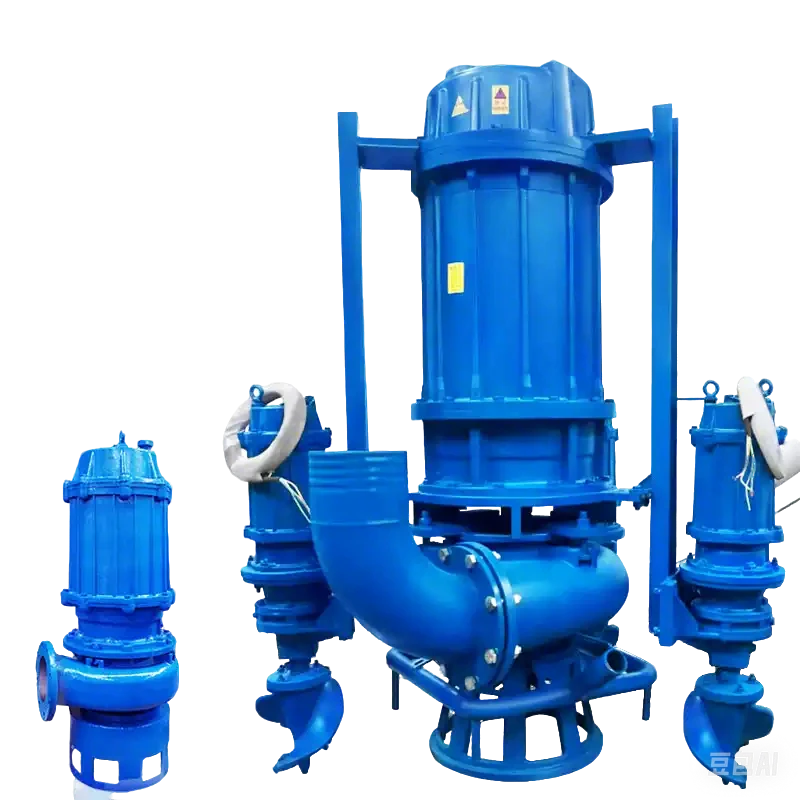
Pump performance is governed by principles of fluid dynamics, specifically Bernoulli’s principle and the affinity laws. Force analysis considers hydrostatic pressure, dynamic pressure, and frictional losses within the pump and piping system. Environmental resistance is a key consideration. Pumps operating outdoors must withstand temperature fluctuations, UV exposure (for polymer components), and potential freezing conditions. Materials selection and protective coatings are critical. Compliance requirements are extensive, including NSF/ANSI 61 (for materials in contact with potable water), EPA Safe Drinking Water Act regulations, and regional/local plumbing codes. Functional implementation depends on pump type (centrifugal, positive displacement, submersible). Centrifugal pumps are most common, relying on impeller rotation to impart kinetic energy to the water. Positive displacement pumps are utilized for higher viscosity fluids or precise dosing applications. Cavitation, a phenomenon where vapor bubbles form and collapse within the pump, is a critical failure mode to avoid. Proper Net Positive Suction Head (NPSH) calculations (ANSI/HI Standard 1) are essential to prevent cavitation. Pump curves, generated through hydraulic testing (ISO 9906), depict the relationship between flow rate, head, and efficiency, allowing for optimal pump selection based on specific application requirements. Hydraulic Institute standards define acceptable performance tolerances and testing procedures.
Technical Specifications
| Parameter | Centrifugal Pump (Typical) | Submersible Pump (Typical) | Positive Displacement Pump (Typical) |
|---|---|---|---|
| Flow Rate (GPM) | 50-500 | 20-200 | 1-50 |
| Total Dynamic Head (ft) | 50-300 | 30-150 | 100-500 |
| Pump Efficiency (%) | 65-85 | 50-75 | 70-90 |
| Motor Power (HP) | 3-50 | 0.5-10 | 1-20 |
| Maximum Operating Temperature (°F) | 140 | 140 | 200 |
| Maximum Solids Handling (in) | 0.25 | 0.5 | 0 (Generally) |
Failure Mode & Maintenance
Common failure modes in clean water pumps include bearing failure (due to insufficient lubrication or contamination), impeller erosion (caused by abrasive particles in the water), seal leakage (resulting from wear, chemical incompatibility, or improper installation), and motor burnout (due to overload or voltage fluctuations). Fatigue cracking in pump housings or impellers can occur due to cyclic stress. Delamination of protective coatings can lead to corrosion. Biological fouling, the accumulation of microorganisms on pump surfaces, reduces efficiency and promotes corrosion. Oxidation of metallic components is a long-term degradation process. Preventative maintenance is crucial. Regular lubrication of bearings (using appropriate grease – NLGI Grade 2), seal inspection and replacement (based on manufacturer recommendations), and motor current monitoring are essential. Water quality analysis should be conducted periodically to identify and address potential corrosive elements. Impeller inspection for erosion and wear should occur annually. For submersible pumps, cable and wiring inspection is critical. Pump alignment should be checked and corrected if necessary to minimize vibration and bearing wear. In case of failure, failure analysis (root cause analysis) should be performed to identify the underlying cause and prevent recurrence. Non-destructive testing (NDT) methods like ultrasonic testing (UT – ASME Section V) can be used to detect cracks and defects.
Industry FAQ
Q: What is the impact of water pH on pump material selection?
A: Water pH significantly influences corrosion rates. Acidic water (low pH) accelerates corrosion of carbon steel and some alloys. Alkaline water (high pH) can cause scaling and corrosion of aluminum. Stainless steel alloys (316) offer improved corrosion resistance in a wider pH range, but even they are susceptible to pitting corrosion in chloride-rich environments. Proper material selection based on water chemistry is vital to ensure long-term pump reliability.
Q: How do I determine the appropriate Net Positive Suction Head (NPSH) for my application?
A: NPSH is the absolute pressure at the pump suction, minus the vapor pressure of the liquid. It must be greater than the NPSH required by the pump (NsH) as specified by the manufacturer. Calculate NPSH available based on static suction head, atmospheric pressure, and friction losses in the suction piping. If NPSH available is less than NPSH required, cavitation will occur, damaging the pump.
Q: What are the advantages of using a variable frequency drive (VFD) with a clean water pump?
A: VFDs allow for precise control of pump speed, enabling flow rate adjustments to match demand. This results in significant energy savings, reduced wear and tear on the pump, and improved process control. Affinity laws dictate that power consumption decreases cubically with speed reduction.
Q: How important is regular pump alignment, and what methods are used to achieve it?
A: Proper pump alignment is critical to minimize vibration, bearing wear, and seal failure. Misalignment introduces radial forces on the bearings, leading to premature failure. Common alignment methods include laser alignment (most accurate), dial indicator alignment, and straightedge/feeler gauge alignment. Regular checks (at least annually) are recommended.
Q: What are the best practices for preventing biological fouling in clean water pump systems?
A: Preventing biological fouling involves minimizing stagnant water zones, maintaining adequate flow velocities, and considering the use of biocides or UV disinfection systems. Regularly cleaning pump intakes and piping can also help to reduce fouling. Material selection (e.g., using smooth, non-porous materials) can also inhibit biofilm formation.
Conclusion
Clean water pump technology, while seemingly straightforward, is underpinned by complex engineering principles and material science considerations. Successful implementation relies on a thorough understanding of fluid dynamics, corrosion mechanisms, and regulatory compliance. The selection of the appropriate pump type, materials of construction, and preventative maintenance procedures are paramount to ensuring long-term reliability, efficiency, and water quality.
Future advancements in clean water pump technology will likely focus on improving energy efficiency through the development of advanced impeller designs and smart control systems. The integration of real-time monitoring and predictive maintenance capabilities will further enhance system reliability and reduce lifecycle costs. Sustainable materials and manufacturing processes will also become increasingly important, driven by growing environmental concerns and stricter regulatory requirements.
-
Effluent vs Sump Pump Performance Analysis
News2026-05-22
-
effluent septic pump Performance Engineering
News2026-05-22
-
best sewer pumps Performance Engineering
News2026-05-22
-
best sewer pump Performance Analysis
News2026-05-22
-
best sewage pumps Performance Engineering
News2026-05-22
-
basement bathroom sewage pump Material Science Manufacturing
News2026-05-21
-
wastewater treatment plant pumps Material Science Manufacturing
News2026-05-21
-
waste water pump for basement Material Science Manufacturing
News2026-05-21
-
sump pump sewage Performance Analysis
News2026-05-21
-
sump pump for sewage Material Science and Manufacturing
News2026-05-21
-
sump pump for septic systems Material Science Manufacturing
News2026-05-20
-
sump pump and ejector pump Material Science Manufacturing
News2026-05-20
-
sewage treatment plant pumps Performance Analysis
News2026-05-20
-
sewage tank pump Material Science and Manufacturing
News2026-05-20
-
sewage pump for septic tank Performance Analysis
News2026-05-20




