English
- Afrikaans
- Albanian
- Amharic
- Arabic
- Armenian
- Azerbaijani
- Basque
- Belarusian
- Bengali
- Bosnian
- Bulgarian
- Catalan
- Cebuano
- Corsican
- Croatian
- Czech
- Danish
- Dutch
- English
- Esperanto
- Estonian
- Finnish
- French
- Frisian
- Galician
- Georgian
- German
- Greek
- Gujarati
- Haitian Creole
- hausa
- hawaiian
- Hebrew
- Hindi
- Miao
- Hungarian
- Icelandic
- igbo
- Indonesian
- irish
- Italian
- Japanese
- Javanese
- Kannada
- kazakh
- Khmer
- Rwandese
- Korean
- Kurdish
- Kyrgyz
- Lao
- Latin
- Latvian
- Lithuanian
- Luxembourgish
- Macedonian
- Malgashi
- Malay
- Malayalam
- Maltese
- Maori
- Marathi
- Mongolian
- Myanmar
- Nepali
- Norwegian
- Norwegian
- Occitan
- Pashto
- Persian
- Polish
- Portuguese
- Punjabi
- Romanian
- Russian
- Samoan
- Scottish Gaelic
- Serbian
- Sesotho
- Shona
- Sindhi
- Sinhala
- Slovak
- Slovenian
- Somali
- Spanish
- Sundanese
- Swahili
- Swedish
- Tagalog
- Tajik
- Tamil
- Tatar
- Telugu
- Thai
- Turkish
- Turkmen
- Ukrainian
- Urdu
- Uighur
- Uzbek
- Vietnamese
- Welsh
- Bantu
- Yiddish
- Yoruba
- Zulu

Telephone: +86 13120555503
Email: frank@cypump.com


Apr . 01, 2024 17:55 Back to list
clean water jet pump Performance and Engineering
Introduction
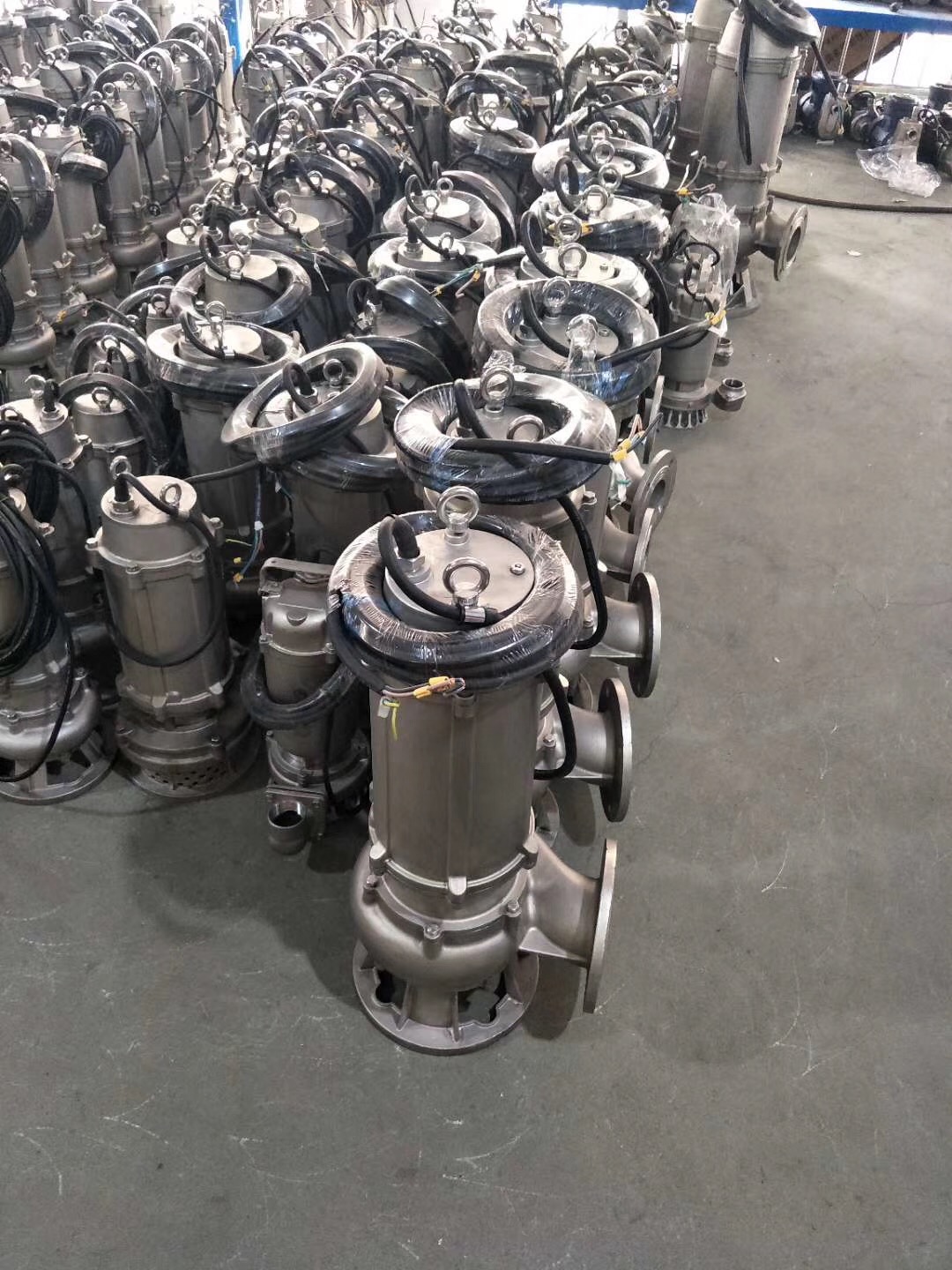
Clean water jet pumps, also known as ejector pumps or regenerative turbine pumps, are dynamic pumps utilizing a jet of fluid to entrain and transport another fluid. Their primary application lies in boosting water pressure or transferring water from a source below the pump inlet. Unlike centrifugal or positive displacement pumps, they operate without any moving parts in the fluid path, making them ideal for handling abrasive or viscous fluids, and for applications requiring minimal maintenance. Within the industrial water management chain, these pumps position themselves as critical components in dewatering systems, irrigation, well water extraction, and chemical dosing. Core performance is defined by suction lift capability, flow rate, and discharge pressure, directly impacting system efficiency and operational reliability. The design focus centers around maximizing momentum transfer from the driving jet to the entrained fluid, influenced by nozzle geometry, diffuser design, and fluid properties. A key pain point in the industry revolves around optimizing efficiency to minimize energy consumption while maintaining reliable performance across varying flow conditions and fluid viscosities.
Material Science & Manufacturing
The construction of clean water jet pumps typically involves several materials, each selected for specific properties. Pump bodies are commonly manufactured from cast iron (ASTM A48 Class 30) due to its cost-effectiveness, machinability, and corrosion resistance. However, for handling aggressive fluids, stainless steel (304 or 316, per ASTM A240) is preferred, offering superior chemical inertness. Nozzles, the critical components for jet formation, are often fabricated from hardened stainless steel or ceramic materials like silicon carbide (SiC) due to their resistance to erosion and wear from high-velocity fluid streams. Diffusers, responsible for converting kinetic energy into pressure, utilize materials similar to the pump body – cast iron or stainless steel – but may incorporate polymeric liners for improved hydraulic efficiency and noise reduction. Manufacturing processes begin with casting or machining the pump body and diffuser. Nozzle production involves precision machining and often electro-discharge machining (EDM) to achieve the desired jet profile. Critical parameters during manufacturing include nozzle orifice diameter and surface finish (Ra < 0.8µm), diffuser angle (typically between 8-12 degrees), and overall dimensional accuracy (±0.1mm). Welding processes (SMAW or GTAW, conforming to AWS D1.1) are employed for joining components, requiring thorough non-destructive testing (NDT) such as radiographic inspection (RT) and ultrasonic testing (UT) to ensure weld integrity and prevent leakage. Material compatibility with the target fluid is paramount, considering factors like corrosion rate, erosion resistance, and potential for chemical reactions. For example, prolonged exposure to chloride-containing water requires a higher grade of stainless steel (e.g., 316) or the application of protective coatings.
Performance & Engineering
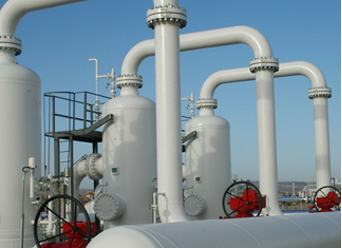
The performance of a clean water jet pump is governed by principles of fluid dynamics, specifically Bernoulli's principle and the conservation of momentum. The driving fluid, forced through a constricted nozzle, generates a high-velocity jet. This jet creates a low-pressure zone (Venturi effect) that draws the suction fluid into the stream. Momentum transfer from the driving jet to the suction fluid accelerates it, increasing its pressure and flow rate. Force analysis involves calculating the thrust generated by the jet and the drag forces acting on the suction fluid. Environmental resistance is a critical consideration, particularly in outdoor applications. Temperature fluctuations can affect fluid viscosity and density, altering pump performance. Materials must be selected to withstand operating temperatures and potential freezing conditions. Cavitation, a phenomenon where vapor bubbles form and collapse within the pump, is a significant concern, leading to noise, vibration, and erosion. Preventing cavitation requires maintaining sufficient Net Positive Suction Head Available (NPSHA) – a parameter calculated based on fluid pressure, temperature, and elevation – exceeding the Net Positive Suction Head Required (NPSHR) specified by the pump manufacturer. Compliance requirements vary depending on the application. For potable water systems, materials must meet NSF/ANSI 61 standards for lead content and extractable contaminants. For industrial applications, pumps may need to comply with ATEX directives for hazardous environments or PED (Pressure Equipment Directive) for pressure vessel safety. Hydraulic Institute standards (HI) provide guidelines for pump performance testing and classification.
Technical Specifications
| Parameter | Unit | Typical Value (Small Scale Pump) | Typical Value (Industrial Scale Pump) |
|---|---|---|---|
| Suction Lift | m | 5 | 20 |
| Discharge Pressure | bar | 2 | 10 |
| Flow Rate (Driving Fluid) | m³/h | 1-5 | 10-50 |
| Flow Rate (Suction Fluid) | m³/h | 0.5-2 | 5-25 |
| Driving Fluid Temperature | °C | 5-60 | 5-90 |
| Maximum Particle Size (Suction Fluid) | mm | 2 | 5 |
Failure Mode & Maintenance
Clean water jet pumps, while relatively simple in design, are susceptible to several failure modes. Erosion of the nozzle is a common issue, particularly when handling fluids containing abrasive particles. This leads to a decrease in jet velocity and reduced pump performance. Cavitation, as previously discussed, causes pitting and erosion of the impeller and diffuser surfaces. Fatigue cracking can occur in the pump body or diffuser due to cyclic pressure loads and vibrations. Corrosion, especially in pumps handling corrosive fluids, weakens the material and can lead to leakage or catastrophic failure. Delamination of polymeric liners, if present, can reduce hydraulic efficiency and increase noise levels. Oxidation of metallic components can occur over time, particularly at elevated temperatures. Maintenance involves regular inspection of the nozzle for wear and erosion, replacement of worn parts, and lubrication of bearings (if applicable). Periodic cleaning of the pump to remove debris and scaling is essential. For pumps handling corrosive fluids, regular monitoring of material thickness and application of protective coatings are recommended. Vibration analysis can detect early signs of bearing failure or cavitation. NDT methods like liquid penetrant testing (PT) and magnetic particle inspection (MPI) can identify cracks and other defects. Preventive maintenance schedules should be established based on operating conditions and fluid properties. Maintaining accurate records of maintenance activities and performance data is crucial for identifying trends and predicting potential failures.
Industry FAQ
Q: What is the primary difference between a clean water jet pump and a standard centrifugal pump in terms of handling suspended solids?
A: Centrifugal pumps are significantly more susceptible to damage from suspended solids, as these can cause impeller abrasion and blockage. Clean water jet pumps, due to the absence of close-tolerance moving parts in the fluid path, can generally handle fluids with higher concentrations of suspended solids without experiencing the same level of wear or blockage. However, extremely abrasive particles can still erode the nozzle over time.
Q: How does the viscosity of the suction fluid affect the pump's performance?
A: Increased viscosity reduces the flow rate and suction lift capability of the pump. Higher viscosity fluids are more resistant to flow, requiring more energy to entrain and transport. This also decreases the velocity of the jet, lessening the momentum transfer. Pump selection needs to account for the fluid viscosity, potentially requiring a larger pump or a higher driving fluid flow rate.
Q: What are the limitations regarding the suction lift height?
A: The maximum suction lift is limited by atmospheric pressure and the vapor pressure of the fluid. Exceeding the allowable suction lift can cause cavitation, resulting in reduced performance and potential damage. The pump's NPSHR specifications must be carefully considered and compared to the NPSHA available in the application.
Q: Can a clean water jet pump be used to prime a larger centrifugal pump?
A: Yes, clean water jet pumps are commonly used as priming devices for centrifugal pumps, especially in applications where the centrifugal pump needs to draw fluid from a source below its inlet. The jet pump creates the initial vacuum and flow necessary to start the centrifugal pump.
Q: What is the typical efficiency range for a clean water jet pump, and how can it be improved?
A: Typical efficiencies range from 20-40%, considerably lower than centrifugal pumps. Improving efficiency involves optimizing nozzle geometry, diffuser design, and driving fluid pressure. Minimizing energy losses due to turbulence and friction is also crucial. Proper maintenance, including nozzle replacement and cleaning, is key to maintaining optimal performance.
Conclusion
Clean water jet pumps represent a valuable, albeit less common, technology in fluid handling applications. Their inherent simplicity, ability to handle abrasive fluids, and lack of complex moving parts in the fluid path provide distinct advantages in specific scenarios. However, their relatively low efficiency compared to other pump types necessitates careful consideration of the overall system energy consumption.
Future advancements in materials science, particularly in the development of erosion-resistant nozzle materials and high-efficiency diffuser designs, will likely improve the performance and broaden the application range of clean water jet pumps. Furthermore, optimization through computational fluid dynamics (CFD) modeling and advanced manufacturing techniques will allow for tailored solutions to address specific industry challenges.
-
Effluent vs Sump Pump Performance Analysis
News2026-05-22
-
effluent septic pump Performance Engineering
News2026-05-22
-
best sewer pumps Performance Engineering
News2026-05-22
-
best sewer pump Performance Analysis
News2026-05-22
-
best sewage pumps Performance Engineering
News2026-05-22
-
basement bathroom sewage pump Material Science Manufacturing
News2026-05-21
-
wastewater treatment plant pumps Material Science Manufacturing
News2026-05-21
-
waste water pump for basement Material Science Manufacturing
News2026-05-21
-
sump pump sewage Performance Analysis
News2026-05-21
-
sump pump for sewage Material Science and Manufacturing
News2026-05-21
-
sump pump for septic systems Material Science Manufacturing
News2026-05-20
-
sump pump and ejector pump Material Science Manufacturing
News2026-05-20
-
sewage treatment plant pumps Performance Analysis
News2026-05-20
-
sewage tank pump Material Science and Manufacturing
News2026-05-20
-
sewage pump for septic tank Performance Analysis
News2026-05-20




