English
- Afrikaans
- Albanian
- Amharic
- Arabic
- Armenian
- Azerbaijani
- Basque
- Belarusian
- Bengali
- Bosnian
- Bulgarian
- Catalan
- Cebuano
- Corsican
- Croatian
- Czech
- Danish
- Dutch
- English
- Esperanto
- Estonian
- Finnish
- French
- Frisian
- Galician
- Georgian
- German
- Greek
- Gujarati
- Haitian Creole
- hausa
- hawaiian
- Hebrew
- Hindi
- Miao
- Hungarian
- Icelandic
- igbo
- Indonesian
- irish
- Italian
- Japanese
- Javanese
- Kannada
- kazakh
- Khmer
- Rwandese
- Korean
- Kurdish
- Kyrgyz
- Lao
- Latin
- Latvian
- Lithuanian
- Luxembourgish
- Macedonian
- Malgashi
- Malay
- Malayalam
- Maltese
- Maori
- Marathi
- Mongolian
- Myanmar
- Nepali
- Norwegian
- Norwegian
- Occitan
- Pashto
- Persian
- Polish
- Portuguese
- Punjabi
- Romanian
- Russian
- Samoan
- Scottish Gaelic
- Serbian
- Sesotho
- Shona
- Sindhi
- Sinhala
- Slovak
- Slovenian
- Somali
- Spanish
- Sundanese
- Swahili
- Swedish
- Tagalog
- Tajik
- Tamil
- Tatar
- Telugu
- Thai
- Turkish
- Turkmen
- Ukrainian
- Urdu
- Uighur
- Uzbek
- Vietnamese
- Welsh
- Bantu
- Yiddish
- Yoruba
- Zulu

Telephone: +86 13120555503
Email: frank@cypump.com


Apr . 01, 2024 17:55 Back to list
clean water double suction pump quotes Performance Analysis
Introduction
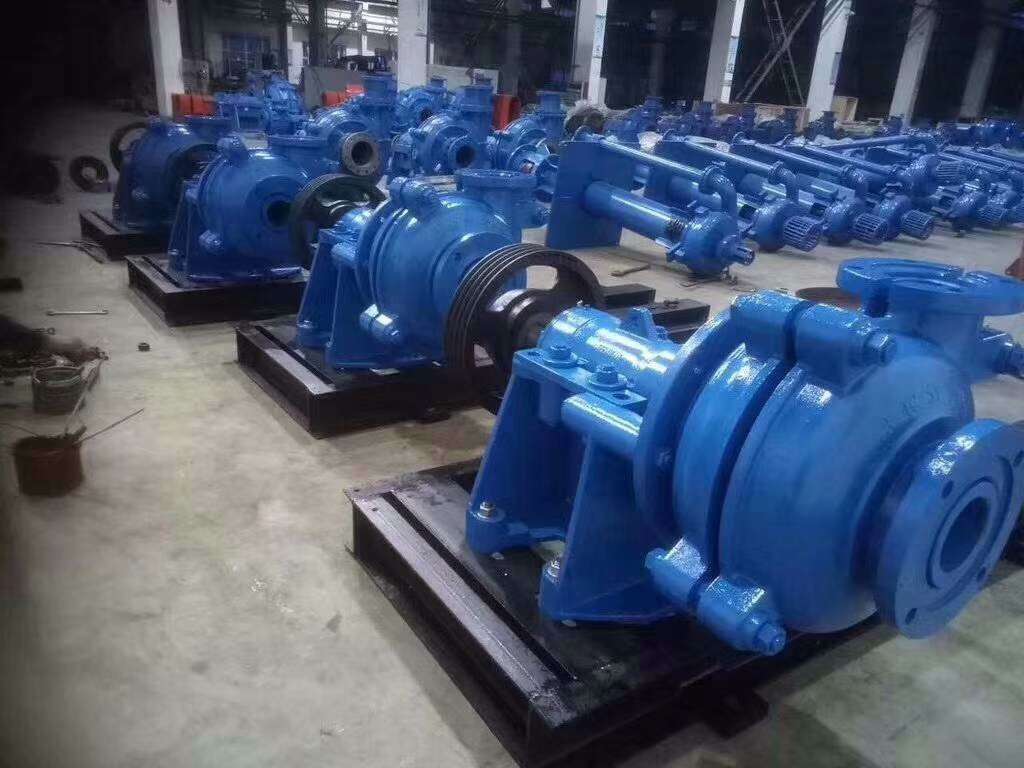
Clean water double suction pumps represent a critical component in numerous industrial and municipal water management systems. These pumps, categorized within the centrifugal pump family, are designed for high-volume transfer of clean, non-corrosive liquids. Their primary application lies in water supply, irrigation, fire suppression, and cooling tower applications where consistent and reliable flow rates are paramount. The “double suction” design – intake from both sides of the impeller – fundamentally increases suction performance and reduces Net Positive Suction Head Required (NPSHr), mitigating cavitation risks, particularly important in larger-scale operations. This guide provides a comprehensive technical overview encompassing material science, manufacturing processes, performance characteristics, failure modes, and industry standards associated with clean water double suction pump selection and maintenance. Understanding these aspects is vital for procurement managers and engineers alike, enabling informed decision-making regarding pump specifications, lifecycle cost optimization, and operational integrity. A core industry pain point is consistently achieving the quoted performance characteristics under real-world operating conditions, often complicated by varying fluid temperatures, suction lift challenges, and system piping losses.
Material Science & Manufacturing
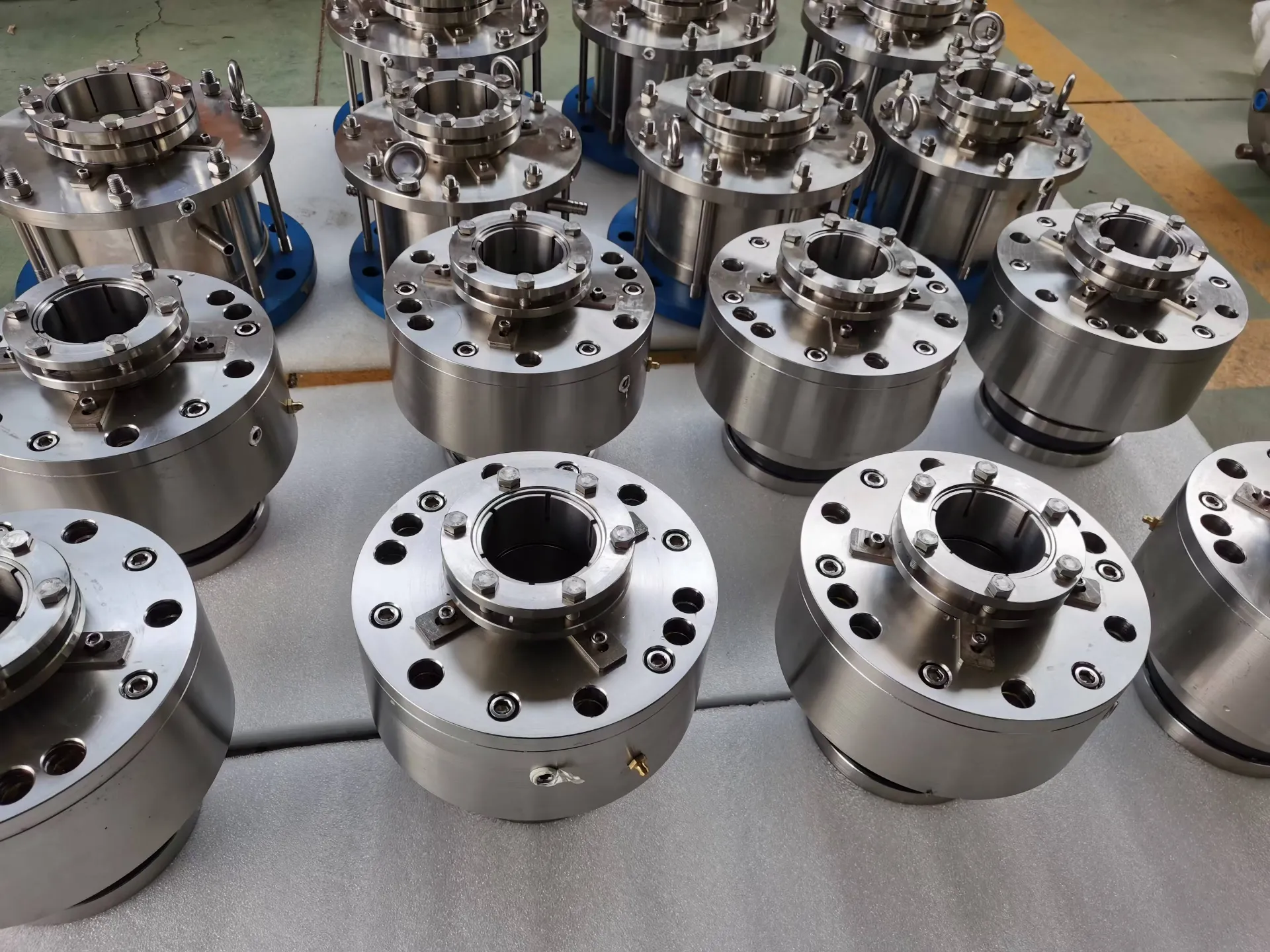
The construction of a clean water double suction pump necessitates careful material selection to ensure durability, corrosion resistance, and mechanical strength. Pump casings are typically fabricated from cast iron (ASTM A48 Class 30 or equivalent, providing good tensile strength and machinability), ductile iron (ASTM A536 65-45-12 offering enhanced toughness and resistance to cracking), or stainless steel (304/316 for highly corrosive environments). Impeller materials commonly include cast iron, bronze (providing excellent corrosion resistance and low friction), or stainless steel, the choice depending heavily on the fluid's composition and operating temperature. Shafts are generally manufactured from carbon steel (AISI 1045 or equivalent), heat-treated to achieve optimal tensile strength and hardness. Mechanical seals utilize materials like silicon carbide (SiC) and tungsten carbide (WC) for wear resistance against the rotating shaft, with elastomers like Viton or EPDM for static sealing compatibility with the pumped fluid. Manufacturing processes involve sand casting for casings and impellers, followed by precision machining to achieve tight tolerances on critical dimensions, ensuring impeller balance and casing alignment. Welding is employed for specific components requiring structural integrity. Quality control includes non-destructive testing (NDT) such as radiographic inspection (RT) and ultrasonic testing (UT) to identify internal flaws within castings and welds. Key parameter control during manufacturing focuses on impeller balancing to minimize vibration, casing dimensional accuracy to ensure hydraulic efficiency, and shaft straightness to prevent premature seal failure. Maintaining proper annealing procedures for cast iron components is crucial to relieve internal stresses and prevent cracking during operation.
Performance & Engineering
The performance of a clean water double suction pump is dictated by several key engineering principles and hydraulic characteristics. Pump head (expressed in meters or feet) defines the maximum height to which the pump can lift the fluid, directly correlated to impeller diameter and rotational speed. Flow rate (expressed in cubic meters per hour or gallons per minute) represents the volume of fluid delivered per unit time. Pump efficiency (expressed as a percentage) indicates the ratio of hydraulic power output to shaft power input, significantly affected by impeller design and internal clearances. Net Positive Suction Head Required (NPSHr) is a crucial parameter, representing the minimum absolute pressure required at the pump suction to prevent cavitation. Cavitation occurs when the liquid pressure drops below its vapor pressure, forming vapor bubbles that collapse violently, damaging the impeller. Force analysis during pump operation considers centrifugal forces acting on the impeller, radial loads on bearings, and axial thrust. Environmental resistance considerations include operating temperature limits of materials (elastomers especially), susceptibility to corrosion from dissolved solids, and potential for freezing in cold climates. Compliance requirements often include adherence to hydraulic institute standards (HI) for pump performance testing and reporting, as well as energy efficiency regulations (e.g., Department of Energy (DOE) standards in the USA). Functional implementation requires careful selection of pump curves that match the system's head-flow requirements, proper piping design to minimize friction losses, and implementation of appropriate suction strainers to prevent debris from entering the pump.
Technical Specifications
| Parameter | Unit | Typical Range | Material |
|---|---|---|---|
| Flow Rate | m³/h | 50-2000 | Cast Iron/Stainless Steel |
| Head | m | 10-100 | Cast Iron/Ductile Iron |
| Pump Speed | RPM | 1450-3600 | Carbon Steel |
| NPSHr | m | 2-8 | Dependent on Impeller Design |
| Maximum Operating Pressure | bar | 10-25 | Cast Iron/Ductile Iron |
| Fluid Temperature | °C | -10 to 80 | Dependent on Seal Material |
Failure Mode & Maintenance
Clean water double suction pumps, despite robust construction, are susceptible to various failure modes. Fatigue cracking of the impeller, particularly around the vane roots, can occur due to cyclic loading and stress concentration. Shaft misalignment, often resulting from improper installation or foundation settlement, leads to premature wear of mechanical seals and bearings. Cavitation erosion damages impeller vanes and casing surfaces, reducing pump efficiency and potentially causing catastrophic failure. Corrosion, especially in pumps handling slightly acidic or alkaline water, weakens casing and impeller materials. Bearing failure, stemming from inadequate lubrication, contamination, or excessive loading, results in increased vibration and potential shaft breakage. Delamination of casing coatings (if applied) indicates insufficient surface preparation or incorrect coating application. Oxidation of metallic components, particularly in pumps exposed to outdoor environments, reduces material strength and promotes corrosion. Professional maintenance solutions include regular vibration analysis to detect imbalances and bearing wear, periodic inspection of mechanical seals for leakage or damage, lubrication of bearings according to manufacturer’s specifications, and impeller balancing to minimize vibration. Cavitation damage can be mitigated by ensuring adequate NPSHa (Net Positive Suction Head Available) and avoiding excessive suction lift. Corrosion can be prevented by selecting appropriate materials and applying protective coatings. Regular cleaning of suction strainers prevents debris buildup, reducing the risk of impeller damage and maintaining consistent flow rates. Implementing a preventative maintenance schedule based on operating hours and fluid characteristics is crucial for maximizing pump lifespan and minimizing downtime.
Industry FAQ
Q: What is the primary difference between a single-suction and a double-suction pump, and when is a double-suction pump preferable?
A: A single-suction pump draws fluid from one side of the impeller, while a double-suction pump draws from both. Double-suction pumps are preferred for applications requiring higher flow rates or lower NPSHr, reducing the risk of cavitation. They’re especially advantageous when dealing with large suction lifts or systems with significant piping losses.
Q: How does impeller trim affect pump performance and efficiency?
A: Impeller trim – reducing the impeller diameter – lowers both the pump head and flow rate. While it can fine-tune performance to match system requirements, excessive trimming can significantly reduce pump efficiency and increase the risk of cavitation. It's crucial to consult pump curves and manufacturer’s recommendations before trimming an impeller.
Q: What are the key considerations when selecting a mechanical seal material?
A: Mechanical seal material selection hinges on fluid compatibility, temperature, and pressure. Common materials include carbon-ceramic, silicon carbide-silicon carbide, and tungsten carbide-tungsten carbide. Consider the pH of the fluid, the presence of abrasive particles, and the operating temperature to ensure the seal material resists degradation and maintains a reliable seal.
Q: What are the common causes of pump vibration, and how can they be addressed?
A: Common causes include impeller imbalance, misalignment between the pump and motor, bearing wear, cavitation, and resonance within the piping system. Addressing these issues requires impeller balancing, precise alignment, bearing replacement, NPSH correction, and potentially, pipe modifications or vibration dampeners.
Q: How important is NPSH, and what are the consequences of insufficient NPSH?
A: NPSH is critically important. Insufficient NPSH leads to cavitation, causing noise, vibration, impeller damage, and reduced pump performance. Ensuring adequate NPSHa (available) is always greater than NPSHr (required) is paramount to reliable pump operation.
Conclusion
Clean water double suction pumps represent a sophisticated and essential technology for numerous industrial and municipal applications. Their performance, longevity, and reliability are intrinsically linked to meticulous material selection, precise manufacturing processes, diligent maintenance practices, and a comprehensive understanding of hydraulic principles. Proper pump selection based on system-specific requirements, including flow rate, head, NPSH, and fluid characteristics, is fundamental to achieving optimal operational efficiency and minimizing lifecycle costs.
Future advancements in pump technology will likely focus on improved materials with enhanced corrosion resistance, more efficient impeller designs leveraging computational fluid dynamics (CFD), and the integration of smart sensors and predictive maintenance algorithms to optimize performance and minimize downtime. Continued adherence to industry standards and best practices remains crucial for ensuring the safe and reliable operation of these vital systems.
-
Comprehensive Guide to Waterproof ORings for Optimal Sealing Solutions
News2026-06-09
-
Septic Pump System Performance Analysis
News2026-06-08
-
pump for septic Material Science
News2026-06-08
-
basement sewer pump Performance Analysis
News2026-06-08
-
submerged pump Performance Engineering
News2026-06-08
-
Septic System Pumps Performance Analysis
News2026-06-08
-
septic system pump Material Science and Manufacturing
News2026-06-07
-
pump for septic tank Material Science Manufacturing
News2026-06-07
-
submersible sewage pump Material Science
News2026-06-07
-
Sewage Ejector Material Science and Manufacturing
News2026-06-07
-
Ejection Pump Material Science
News2026-06-07
-
pump submersible Performance Analysis
News2026-06-06
-
ejector pumps Performance Engineering
News2026-06-06
-
basement ejector pump Material Science Manufacturing
News2026-06-06
-
Septic Tanks Pumping Performance Analysis
News2026-06-06




