English
- Afrikaans
- Albanian
- Amharic
- Arabic
- Armenian
- Azerbaijani
- Basque
- Belarusian
- Bengali
- Bosnian
- Bulgarian
- Catalan
- Cebuano
- Corsican
- Croatian
- Czech
- Danish
- Dutch
- English
- Esperanto
- Estonian
- Finnish
- French
- Frisian
- Galician
- Georgian
- German
- Greek
- Gujarati
- Haitian Creole
- hausa
- hawaiian
- Hebrew
- Hindi
- Miao
- Hungarian
- Icelandic
- igbo
- Indonesian
- irish
- Italian
- Japanese
- Javanese
- Kannada
- kazakh
- Khmer
- Rwandese
- Korean
- Kurdish
- Kyrgyz
- Lao
- Latin
- Latvian
- Lithuanian
- Luxembourgish
- Macedonian
- Malgashi
- Malay
- Malayalam
- Maltese
- Maori
- Marathi
- Mongolian
- Myanmar
- Nepali
- Norwegian
- Norwegian
- Occitan
- Pashto
- Persian
- Polish
- Portuguese
- Punjabi
- Romanian
- Russian
- Samoan
- Scottish Gaelic
- Serbian
- Sesotho
- Shona
- Sindhi
- Sinhala
- Slovak
- Slovenian
- Somali
- Spanish
- Sundanese
- Swahili
- Swedish
- Tagalog
- Tajik
- Tamil
- Tatar
- Telugu
- Thai
- Turkish
- Turkmen
- Ukrainian
- Urdu
- Uighur
- Uzbek
- Vietnamese
- Welsh
- Bantu
- Yiddish
- Yoruba
- Zulu

Telephone: +86 13120555503
Email: frank@cypump.com


Apr . 01, 2024 17:55 Back to list
clean water double suction pump factories Performance Analysis
Introduction
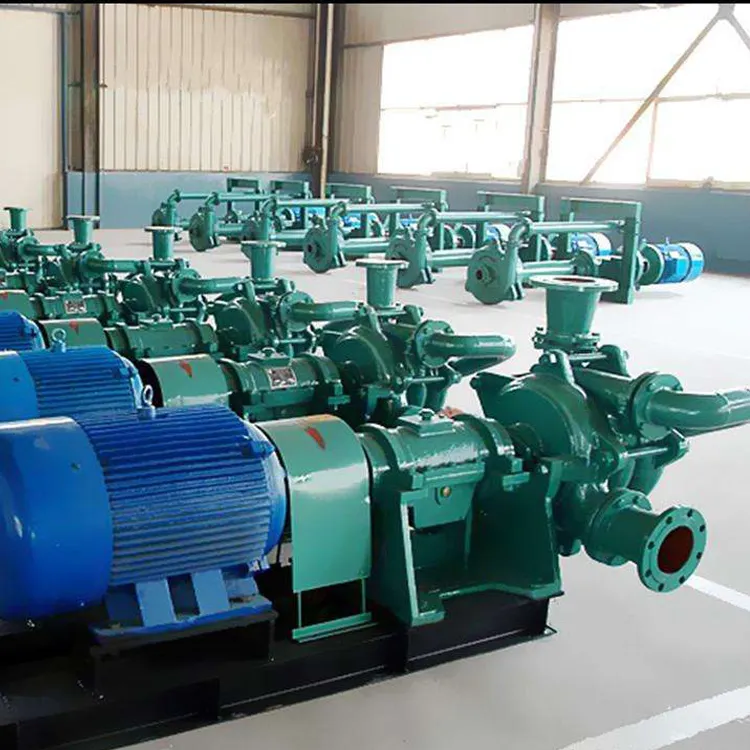
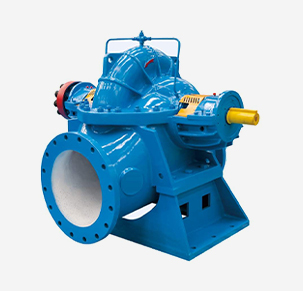
Clean water double suction pumps are centrifugal pumps designed to move large volumes of clean water with high efficiency. Positioned primarily within the municipal water supply, irrigation, and industrial process water sectors, these pumps serve as critical components in water distribution networks and fluid transfer systems. Their double-suction design, meaning water enters the impeller from both sides, minimizes axial thrust and allows for higher flow rates compared to single-suction pumps of comparable size. Core performance characteristics center around flow rate (measured in cubic meters per hour or gallons per minute), head (measured in meters or feet), power consumption, and overall hydraulic efficiency. The selection criteria are heavily influenced by system resistance, required flow, and the specific gravity of the fluid being pumped. A key pain point in the industry revolves around the optimization of impeller design for cavitation resistance and erosion prevention, particularly in applications involving variable flow rates or the potential for suspended solids. Furthermore, maintaining consistent performance and reliability over extended operational periods presents a significant challenge for both pump manufacturers and end-users.
Material Science & Manufacturing
The primary materials used in clean water double suction pump construction are cast iron (typically gray iron ASTM A48 Class 30 for casings and impellers in lower-pressure applications), ductile iron (ASTM A536 Grade 65-45-12 for higher pressures and improved strength), and stainless steel (304 or 316 for components exposed to corrosive fluids or requiring enhanced hygienic properties). The choice of material dictates the pump's resistance to corrosion, erosion, and mechanical stress. Manufacturing processes involve several key stages: casting of the pump casing and impeller, machining to precise tolerances, welding (typically shielded metal arc welding or submerged arc welding for casing assembly), and surface treatment (epoxy coating or painting for corrosion protection). Critical parameters during casting include mold material composition, pouring temperature, and cooling rate, as these directly impact the microstructure and mechanical properties of the castings. Impeller balancing is crucial to minimize vibration and ensure smooth operation; this is typically achieved through static and dynamic balancing procedures. Shaft materials are often alloy steels, subjected to heat treatment for hardening and tempering. Seal materials, such as elastomers (e.g., nitrile rubber, Viton) and mechanical seals (featuring ceramic or silicon carbide faces), must exhibit excellent chemical resistance and wear characteristics. Careful control of welding parameters – amperage, voltage, and travel speed – is essential to prevent defects such as porosity and cracking.
Performance & Engineering
The performance of a clean water double suction pump is governed by fundamental fluid dynamics principles. Force analysis centers on balancing hydraulic thrust forces with bearing loads to prevent premature wear and failure. The double-suction configuration significantly reduces axial thrust compared to single-suction designs, but careful impeller design is still required to minimize imbalances. Environmental resistance is paramount, particularly in outdoor installations. Casings must be designed to withstand hydrostatic pressure and external loads (e.g., wind, snow). Material selection plays a crucial role in resisting corrosion from atmospheric exposure. Compliance requirements vary depending on the application and geographic location. Municipal water pumps must often meet NSF/ANSI 61 standards for potable water safety. Industrial applications may be subject to API 610 standards for centrifugal pumps. Electrical motor selection and integration are critical aspects of engineering, adhering to IEC or NEMA standards for motor performance and safety. Pump curves, generated through hydraulic testing, illustrate the relationship between flow rate, head, efficiency, and power consumption. Cavitation prevention is a major engineering challenge; this is addressed through careful impeller design (Net Positive Suction Head Required - NPSHr) and ensuring adequate suction pressure (Net Positive Suction Head Available - NPSHa). Vibration analysis is used to diagnose mechanical issues and ensure optimal pump operation.
Technical Specifications
| Parameter | Unit | Typical Range - Small Pump (55kW) | Typical Range - Large Pump (500kW) |
|---|---|---|---|
| Flow Rate | m³/h | 50-200 | 500-2000 |
| Head | m | 20-50 | 80-200 |
| Power | kW | 55 | 500 |
| Impeller Diameter | mm | 200-300 | 500-800 |
| Suction Pipe Diameter | mm | 100-150 | 300-400 |
| Discharge Pipe Diameter | mm | 80-120 | 250-350 |
Failure Mode & Maintenance
Common failure modes in clean water double suction pumps include impeller erosion (caused by abrasive particles in the fluid), cavitation damage (resulting from low suction pressure), bearing failure (due to inadequate lubrication or excessive loads), seal leakage (caused by wear or chemical incompatibility), and casing cracking (resulting from thermal stress or corrosion). Fatigue cracking can occur in the impeller and shaft due to cyclic loading. Delamination of coatings can lead to accelerated corrosion. Oxidation of metallic components can reduce their strength and integrity. Failure analysis typically involves visual inspection, non-destructive testing (e.g., ultrasonic testing, radiographic testing), and metallurgical examination. Preventative maintenance is crucial and includes regular lubrication of bearings, inspection of seals, monitoring of vibration levels, and periodic cleaning of impellers and casings. Impeller replacement is often necessary after prolonged exposure to abrasive fluids. Seal replacement is a routine maintenance task. Proper alignment of the pump and motor is essential to prevent premature bearing wear. Regular monitoring of pump performance parameters (flow, head, pressure) can help detect early signs of degradation. Implementing a condition-based maintenance program, utilizing vibration analysis and oil analysis, can significantly extend pump life and reduce unplanned downtime.
Industry FAQ
Q: What is the primary cause of cavitation in a double suction pump and how can it be mitigated?
A: Cavitation is primarily caused by a reduction in absolute pressure within the pump, resulting in the formation and collapse of vapor bubbles. This can be mitigated by increasing the Net Positive Suction Head Available (NPSHa) – either by raising the liquid level in the suction tank, reducing suction line losses, or increasing the suction pressure. Careful impeller design to lower the Net Positive Suction Head Required (NPSHr) is also critical.
Q: What are the advantages of using ductile iron versus gray iron for pump casings?
A: Ductile iron offers significantly higher tensile strength, ductility, and impact resistance compared to gray iron. This makes it more suitable for higher-pressure applications and environments where shock loads are present. Ductile iron also exhibits better resistance to cracking and fatigue.
Q: How often should mechanical seals be replaced in a typical clean water application?
A: The replacement frequency of mechanical seals depends on the fluid quality, pump operating conditions, and seal material. In clean water applications, seals typically last between 12-24 months, but this can be reduced if the water contains abrasive particles. Regular inspection and monitoring of seal leakage are essential.
Q: What role does impeller balancing play in pump longevity?
A: Impeller balancing is critical for minimizing vibration and ensuring smooth operation. Imbalance creates excessive loads on bearings, leading to premature wear and potential failure. Proper balancing, both static and dynamic, significantly extends pump life and reduces maintenance costs.
Q: What standards govern the hydraulic efficiency testing of these pumps?
A: Hydraulic efficiency testing is commonly performed according to ISO 9906 (Pumps and pump systems – Hydraulic performance of centrifugal pumps) and Hydraulic Institute Standards (specifically HI standards related to pump testing). These standards provide standardized procedures for measuring pump performance characteristics.
Conclusion
Clean water double suction pumps represent a vital component in numerous water management systems. Their performance is intrinsically linked to material science, precise manufacturing processes, and adherence to stringent engineering principles. Understanding the potential failure modes, coupled with a proactive maintenance strategy, is paramount to ensuring long-term reliability and minimizing operational costs.
Moving forward, advancements in computational fluid dynamics (CFD) will likely lead to further optimization of impeller designs, enhancing hydraulic efficiency and cavitation resistance. The integration of smart sensors and predictive maintenance algorithms will enable condition-based monitoring, allowing for early detection of potential issues and minimizing unplanned downtime. Continuous innovation in materials and surface treatments will also play a crucial role in extending pump life and reducing environmental impact.
-
Sewage Pump Company Performance and Engineering
News2026-05-24
-
sewage pump 1/2 hp Performance Analysis
News2026-05-24
-
Sewage Ejector Systems Performance Analysis
News2026-05-24
-
Sewage Ejection System Material Science and Manufacturing
News2026-05-24
-
sewage and effluent pumps Performance Engineering
News2026-05-24
-
pump for sewage water Performance Analysis
News2026-05-23
-
plumbing sewage ejector pump Performance Engineering
News2026-05-23
-
home sewer pump station Performance and Engineering
News2026-05-23
-
high pressure sump pump Performance Analysis
News2026-05-23
-
high head effluent pump Performance Analysis
News2026-05-23
-
Effluent vs Sump Pump Performance Analysis
News2026-05-22
-
effluent septic pump Performance Engineering
News2026-05-22
-
best sewer pumps Performance Engineering
News2026-05-22
-
best sewer pump Performance Analysis
News2026-05-22
-
best sewage pumps Performance Engineering
News2026-05-22




