English
- Afrikaans
- Albanian
- Amharic
- Arabic
- Armenian
- Azerbaijani
- Basque
- Belarusian
- Bengali
- Bosnian
- Bulgarian
- Catalan
- Cebuano
- Corsican
- Croatian
- Czech
- Danish
- Dutch
- English
- Esperanto
- Estonian
- Finnish
- French
- Frisian
- Galician
- Georgian
- German
- Greek
- Gujarati
- Haitian Creole
- hausa
- hawaiian
- Hebrew
- Hindi
- Miao
- Hungarian
- Icelandic
- igbo
- Indonesian
- irish
- Italian
- Japanese
- Javanese
- Kannada
- kazakh
- Khmer
- Rwandese
- Korean
- Kurdish
- Kyrgyz
- Lao
- Latin
- Latvian
- Lithuanian
- Luxembourgish
- Macedonian
- Malgashi
- Malay
- Malayalam
- Maltese
- Maori
- Marathi
- Mongolian
- Myanmar
- Nepali
- Norwegian
- Norwegian
- Occitan
- Pashto
- Persian
- Polish
- Portuguese
- Punjabi
- Romanian
- Russian
- Samoan
- Scottish Gaelic
- Serbian
- Sesotho
- Shona
- Sindhi
- Sinhala
- Slovak
- Slovenian
- Somali
- Spanish
- Sundanese
- Swahili
- Swedish
- Tagalog
- Tajik
- Tamil
- Tatar
- Telugu
- Thai
- Turkish
- Turkmen
- Ukrainian
- Urdu
- Uighur
- Uzbek
- Vietnamese
- Welsh
- Bantu
- Yiddish
- Yoruba
- Zulu

Telephone: +86 13120555503
Email: frank@cypump.com


Apr . 01, 2024 17:55 Back to list
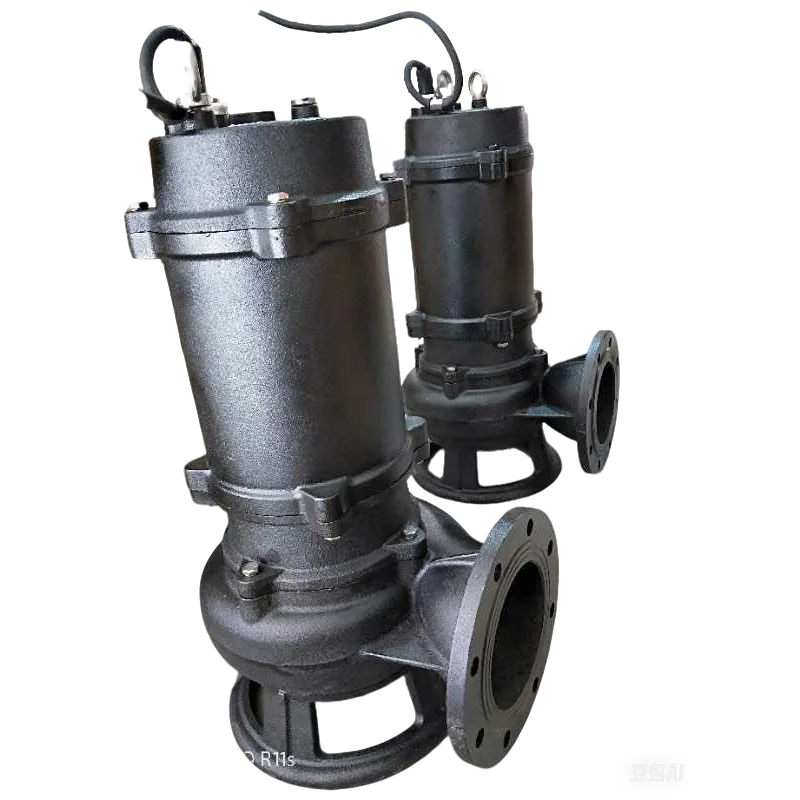
chinese submerged slurry pump for industrial applications Performance Analysis
Introduction
Submerged slurry pumps, particularly those manufactured in China, represent a critical component in numerous industrial processes involving the transport of abrasive or dense fluids. These pumps are designed for fully submersible operation, eliminating the need for surface priming and reducing the risk of cavitation. Their application spans across industries including mining, wastewater treatment, chemical processing, and dredging. This technical guide provides an in-depth analysis of Chinese-manufactured submerged slurry pumps, covering material science, manufacturing processes, performance characteristics, failure modes, and relevant industry standards. The prevalence of these pumps is driven by their cost-effectiveness and increasing performance capabilities, challenging established Western manufacturers. Core performance attributes center around solids handling capacity, abrasion resistance, and overall hydraulic efficiency. A key industry pain point is ensuring the longevity of pump components given the harsh operating environments and varying slurry compositions.
Material Science & Manufacturing
The construction of a Chinese submerged slurry pump relies heavily on the selection of materials resistant to abrasion, corrosion, and impact. Pump casings are commonly manufactured from cast iron (ASTM A48 Class 30), ductile iron (ASTM A536 65-45-12), or stainless steel (304, 316 – ASTM A743). The impeller and volute, crucial components directly interacting with the slurry, utilize high-chromium cast iron alloys (typically 13-27% Cr) to maximize abrasion resistance. These alloys form hard carbides during the casting process, significantly increasing wear life. Shafts are typically constructed from high-strength alloy steel (4140 – ASTM A519) and hardened through heat treatment to withstand torsional stress. Seals are commonly composed of rubber materials (EPDM, Neoprene - ASTM D2000) or mechanical seals employing silicon carbide faces for enhanced durability and chemical compatibility. Manufacturing processes involve sand casting for the casing and impeller, followed by precision machining and heat treatment. Welding (SMAW, GMAW - AWS D1.1) is employed for joining components, requiring strict quality control to prevent porosity and ensure structural integrity. Parameter control during casting – cooling rate, sand composition, and metal temperature – directly influences the microstructure and therefore the wear resistance of the final product. Surface coating techniques, such as hard chrome plating or tungsten carbide deposition, are increasingly applied to impeller vanes to further extend service life.
Performance & Engineering
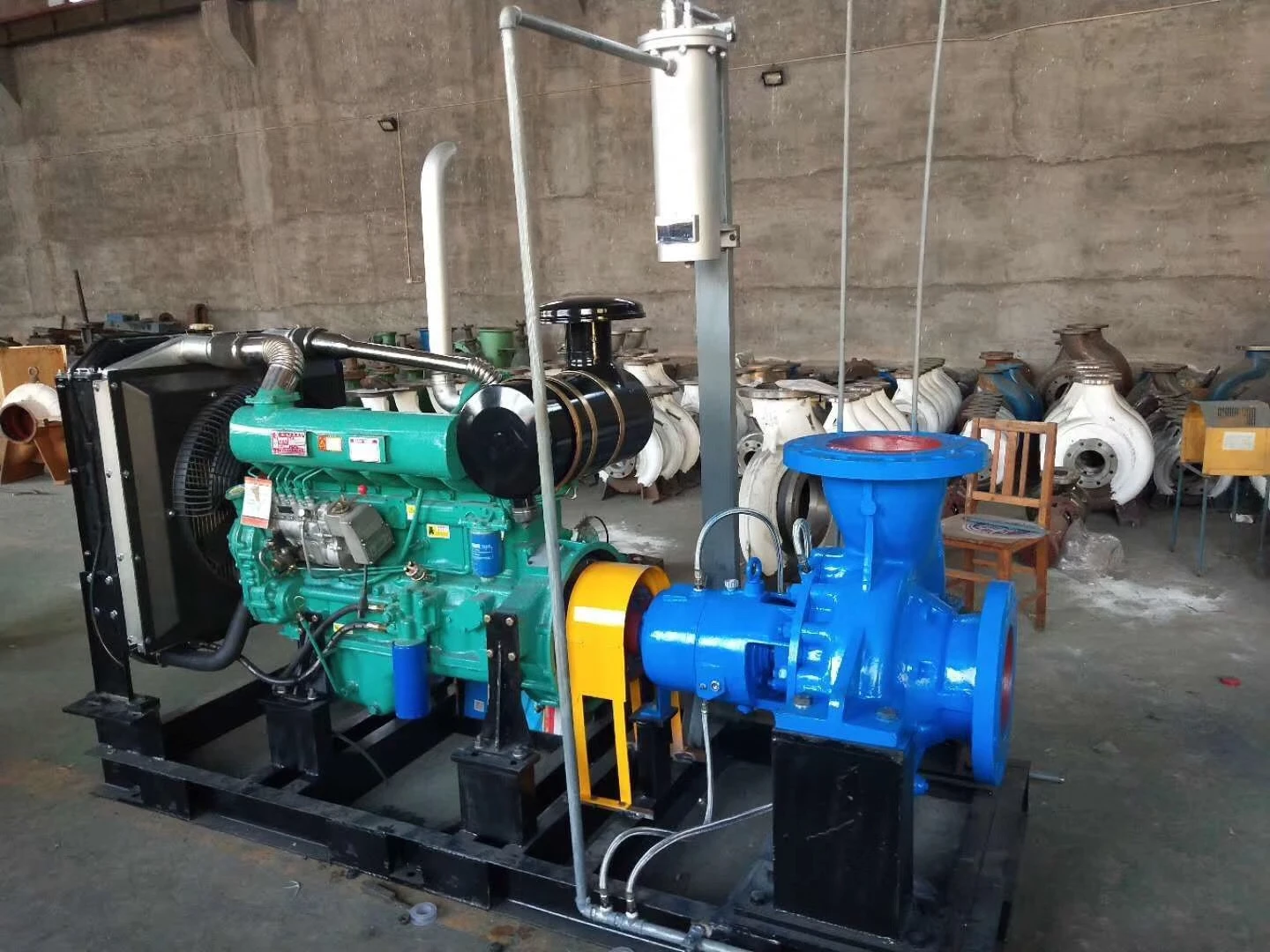
The performance of a submerged slurry pump is fundamentally governed by hydraulic principles and the characteristics of the pumped slurry. Key engineering considerations include impeller design, pump speed, and the selection of appropriate motor power. Impeller designs vary (radial, axial, mixed flow) depending on the desired head and flow rate. Radial impellers are generally preferred for high-head, low-flow applications, while axial impellers excel in low-head, high-flow scenarios. The pump's hydraulic efficiency is directly related to minimizing energy losses due to friction and turbulence within the pump casing and impeller. Force analysis involves assessing the stresses on pump components due to fluid pressure, centrifugal forces, and solids impact. Environmental resistance considerations include temperature limitations of seals and the corrosive potential of the slurry. Compliance with industry standards (ISO 9906 – Rotodynamic pumps – Hydraulic performance) is critical for ensuring consistent performance and reliability. Motor selection must account for the pump's power requirements, the fluid’s density, and the operating environment, often utilizing submersible electric motors with robust cooling systems. Cavitation prevention is paramount, requiring careful attention to net positive suction head (NPSH) calculations and pump submergence depth. Pump curves, generated through rigorous testing, are essential for selecting the appropriate pump size for a given application.
Technical Specifications
| Parameter | Unit | Typical Value (Range) | Testing Standard |
|---|---|---|---|
| Maximum Flow Rate | m³/h | 50 - 1500 | ISO 9906 |
| Maximum Head | m | 10 - 80 | ISO 9906 |
| Solids Handling Capacity | mm | Up to 100 | Internal Testing |
| Pump Casing Material | - | Cast Iron, Ductile Iron, Stainless Steel | ASTM A48, A536, A743 |
| Impeller Material | - | High Chromium Cast Iron | ASTM A532 |
| Motor Power | kW | 1.5 - 150 | IEC 60034 |
Failure Mode & Maintenance
Submerged slurry pumps are susceptible to several failure modes, primarily driven by the abrasive nature of the pumped fluids. Fatigue cracking in the impeller and casing is common, particularly under cyclic loading and stress concentration points. Delamination of the hard chromium coating on the impeller can occur due to poor adhesion or excessive wear. Degradation of rubber seals and hoses leads to leakage and loss of pump efficiency. Oxidation and corrosion of metallic components are exacerbated by exposure to corrosive slurries. Bearing failure, due to inadequate lubrication or contamination, is another prevalent issue. Failure analysis techniques, including visual inspection, metallographic examination, and non-destructive testing (NDT – ISO 9712), are essential for identifying the root cause of failures. Preventative maintenance includes regular inspection of seals, bearings, and impeller wear. Lubrication schedules must be strictly adhered to. Impeller and casing replacements are necessary at defined intervals based on wear rates. Periodic flushing of the pump casing to remove accumulated solids can prevent blockages and reduce wear. Regular monitoring of pump vibration and motor current provides early warning signs of potential failures.
Industry FAQ
Q: What is the impact of slurry composition on pump selection?
A: Slurry composition significantly influences pump selection. Factors such as solids concentration, particle size distribution, and slurry corrosivity dictate the required abrasion resistance, material compatibility, and pump design. Higher solids concentrations necessitate pumps with larger solids handling capabilities, while corrosive slurries demand materials like stainless steel or specialized polymer coatings.
Q: How does impeller design affect pump efficiency and wear life?
A: Impeller design is critical. A properly designed impeller minimizes hydraulic losses and evenly distributes the impact of solids, maximizing efficiency and wear life. The choice between radial, axial, and mixed flow impellers depends on the specific application requirements (head vs. flow rate). Optimizing the vane angle and number is crucial for reducing turbulence and cavitation.
Q: What are the advantages of using mechanical seals over packing seals in slurry applications?
A: Mechanical seals offer superior sealing performance and reduced leakage compared to packing seals, particularly in abrasive slurries. They provide a longer service life and require less frequent maintenance. However, they are more susceptible to damage from large solids and require careful selection of face materials (e.g., silicon carbide) for optimal wear resistance.
Q: What maintenance practices are crucial for extending the lifespan of a submerged slurry pump?
A: Regular inspection of seals, bearings, and impeller wear is paramount. Strict adherence to lubrication schedules, flushing the pump casing to remove accumulated solids, and monitoring vibration levels are essential preventative maintenance practices. Analyzing wear patterns during impeller replacements provides valuable insights for optimizing pump performance and extending service life.
Q: How do Chinese manufacturers address quality control concerns regarding submerged slurry pump components?
A: Reputable Chinese manufacturers are increasingly implementing stringent quality control measures, including ISO 9001 certification, rigorous material testing, and comprehensive performance testing. They are investing in advanced manufacturing technologies and employing skilled engineers to ensure the reliability and durability of their pumps. However, due diligence and thorough vendor vetting remain critical when sourcing from Chinese suppliers.
Conclusion
Chinese-manufactured submerged slurry pumps have emerged as a viable and often cost-effective alternative to traditional Western brands. Their success stems from advancements in material science, manufacturing processes, and a growing emphasis on quality control. Understanding the key performance characteristics, potential failure modes, and appropriate maintenance practices is crucial for maximizing the lifespan and reliability of these pumps. The selection of the correct pump for a given application requires careful consideration of slurry composition, operating conditions, and adherence to relevant industry standards.
Looking ahead, continued innovation in impeller design, sealing technology, and materials science will further enhance the performance and durability of Chinese submerged slurry pumps. As these pumps become increasingly sophisticated, they will play an even more significant role in a wide range of industrial applications, providing efficient and reliable solutions for handling challenging slurry flows. Ongoing attention to quality assurance and adherence to international regulations will be essential for solidifying their position in the global market.
-
Precision at the Pump: How Better Machining Protects Flow and Uptime
News2026-11-20
-
Why Pump Reliability Begins Before the First Drop of Fluid
News2026-11-20
-
Beyond the Pump: Designing Safer Access Around Critical Water Infrastructure
News2026-11-20
-
Why Pumping Stations Depend on the Infrastructure Beneath the Pumps
News2026-11-20
-
Beyond the Pump Room: How Smarter Loading Protects Industrial Equipment
News2026-11-19
-
When Pumps Stop: Designing More Resilient Power for Critical Pumping Systems
News2026-11-19
-
The Hidden Role of Dust and Gas Monitoring in Reliable Pump Operations
News2026-11-19
-
The Hidden Role of Mineral Compounds in Extending Industrial Pump Lifespan
News2026-10-12
-
Why Pump System Reliability Depends on Precision Hose Assembly Methods
News2026-09-15
-
How Advanced Imaging Films Are Transforming Pump Component Quality Control
News2026-08-25
-
How Advanced Filtration Protects Pump Systems from Premature Wear and Costly Downtime
News2026-08-25
-
How Steel Material Selection Drives Pump Reliability in Heavy-Duty Systems
News2026-08-25
-
Ensuring Pump System Efficiency: The Role of High-Quality Pipe Fittings and Tubing
News2026-08-24
-
Optimizing Fluid Dynamics and Material Consistency in Industrial Processing
News2026-08-18
-
Innovations and Challenges in Hydraulic Systems for Heavy Machinery
News2026-08-13




