English
- Afrikaans
- Albanian
- Amharic
- Arabic
- Armenian
- Azerbaijani
- Basque
- Belarusian
- Bengali
- Bosnian
- Bulgarian
- Catalan
- Cebuano
- Corsican
- Croatian
- Czech
- Danish
- Dutch
- English
- Esperanto
- Estonian
- Finnish
- French
- Frisian
- Galician
- Georgian
- German
- Greek
- Gujarati
- Haitian Creole
- hausa
- hawaiian
- Hebrew
- Hindi
- Miao
- Hungarian
- Icelandic
- igbo
- Indonesian
- irish
- Italian
- Japanese
- Javanese
- Kannada
- kazakh
- Khmer
- Rwandese
- Korean
- Kurdish
- Kyrgyz
- Lao
- Latin
- Latvian
- Lithuanian
- Luxembourgish
- Macedonian
- Malgashi
- Malay
- Malayalam
- Maltese
- Maori
- Marathi
- Mongolian
- Myanmar
- Nepali
- Norwegian
- Norwegian
- Occitan
- Pashto
- Persian
- Polish
- Portuguese
- Punjabi
- Romanian
- Russian
- Samoan
- Scottish Gaelic
- Serbian
- Sesotho
- Shona
- Sindhi
- Sinhala
- Slovak
- Slovenian
- Somali
- Spanish
- Sundanese
- Swahili
- Swedish
- Tagalog
- Tajik
- Tamil
- Tatar
- Telugu
- Thai
- Turkish
- Turkmen
- Ukrainian
- Urdu
- Uighur
- Uzbek
- Vietnamese
- Welsh
- Bantu
- Yiddish
- Yoruba
- Zulu

Telephone: +86 13120555503
Email: frank@cypump.com


Apr . 01, 2024 17:55 Back to list
china wholesale slurry pump suppliers highquality and Performance Analysis
Introduction
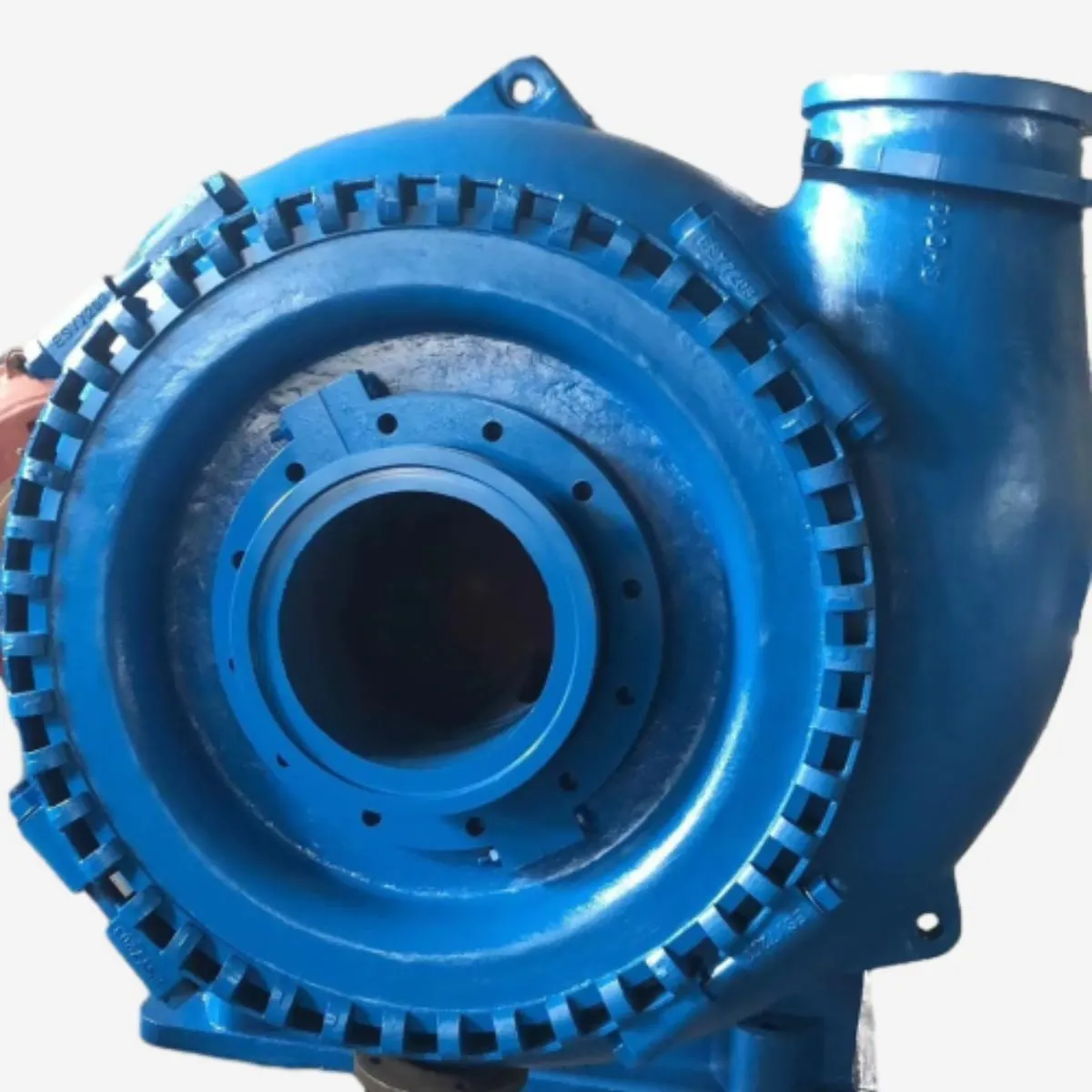
Slurry pumps are critical components in numerous industrial processes, including mining, wastewater treatment, chemical processing, and dredging. China wholesale slurry pump suppliers have become increasingly prominent in the global market, offering cost-effective solutions for handling abrasive and corrosive materials. This technical guide provides an in-depth examination of slurry pump technology, encompassing material science, manufacturing processes, performance characteristics, failure modes, and relevant industry standards. The performance of these pumps is fundamentally linked to their ability to withstand severe service conditions, demanding careful consideration of pump selection and maintenance strategies. Core performance indicators include flow rate, head, solids handling capability, and pump efficiency. A primary pain point for procurement managers is balancing initial cost with long-term reliability and total cost of ownership. Understanding the nuances of impeller design, casing materials, and sealing systems is paramount to mitigating operational risks and ensuring process uptime.
Material Science & Manufacturing
The construction of slurry pumps necessitates materials capable of resisting abrasion, corrosion, and erosion. Common materials include high-chrome cast iron (for abrasive slurries), stainless steels (304, 316 for corrosive environments), and specialized alloys like duplex stainless steel or Hastelloy C-276 (for highly aggressive media). The manufacturing process typically involves several stages: casting (for pump casings and impellers), machining (to achieve precise dimensions and surface finishes), welding (for assembling components), and coating (to enhance wear resistance). Impellers are commonly manufactured using centrifugal casting, providing a dense and uniform structure resistant to cavitation erosion. Casing materials are selected based on the slurry's chemical composition and abrasive particle size. Welding procedures must adhere to stringent quality control standards (e.g., ASME Section IX) to ensure structural integrity. Critical parameters during manufacturing include dimensional accuracy, surface roughness, heat treatment, and weld quality. Surface hardness, measured via Rockwell or Vickers scales, is a key indicator of wear resistance. The chemical composition of alloys must be precisely controlled to achieve desired corrosion resistance properties, often verified through spectroscopic analysis.
Performance & Engineering
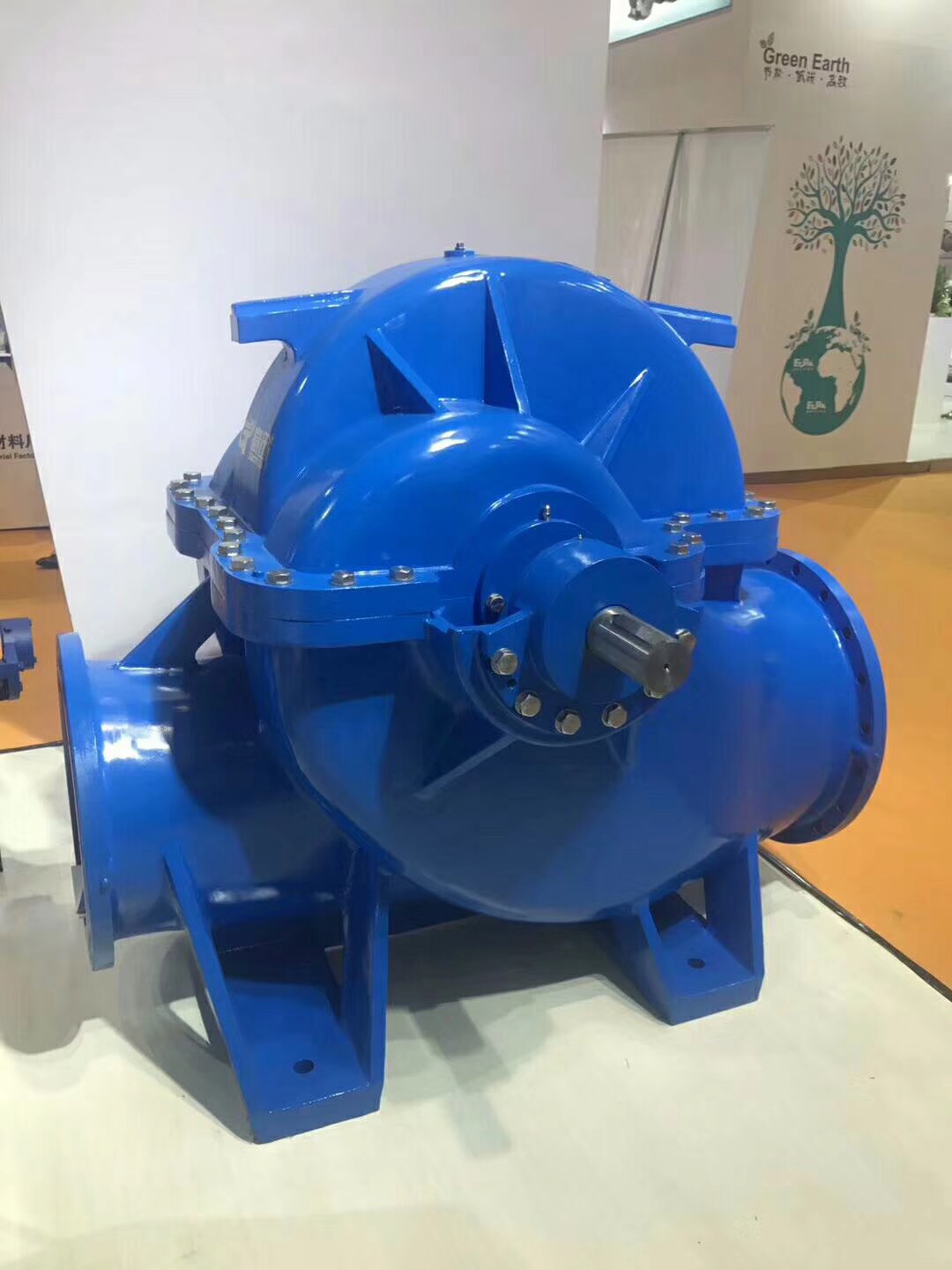
Slurry pump performance is governed by principles of fluid mechanics, specifically the relationship between flow rate (Q), head (H), and pump power (P). The pump’s affinity laws dictate how changes in speed affect these parameters. Force analysis considers hydraulic forces, centrifugal forces, and static loads on pump components. Environmental resistance is crucial, particularly in outdoor installations where pumps are exposed to temperature fluctuations, humidity, and UV radiation. Compliance requirements vary depending on the application and geographical location. For example, pumps used in the food and beverage industry must meet sanitary standards (e.g., 3-A Sanitary Standards). Pumps handling hazardous materials must comply with ATEX directives (Europe) or Class I, Division 1/2 (North America). Proper selection of sealing systems (mechanical seals, packing glands) is critical to prevent leakage and maintain pump efficiency. The Net Positive Suction Head Required (NPSHr) must be carefully considered to avoid cavitation, a phenomenon that can rapidly degrade pump performance and lead to component failure. Hydraulic design optimization, utilizing Computational Fluid Dynamics (CFD) modeling, is increasingly employed to improve pump efficiency and reduce energy consumption. Pump curves, generated through hydraulic testing, provide detailed performance data at various operating points.
Technical Specifications
| Parameter | Unit | Typical Range (Centrifugal Slurry Pump) | Material Options |
|---|---|---|---|
| Flow Rate | m³/h | 10 – 2000 | Cast Iron, Stainless Steel, Alloy Steel |
| Head | m | 5 – 100 | Cast Iron, Stainless Steel, Alloy Steel |
| Solids Handling Size | mm | 6 – 200 | High Chrome Cast Iron, Rubber Lining |
| Pump Efficiency | % | 60 – 85 | Dependent on Impeller Design |
| Operating Pressure | bar | 2 – 30 | Cast Iron, Stainless Steel |
| Operating Temperature | °C | -30 – 150 | Dependent on Seal Material |
Failure Mode & Maintenance
Slurry pump failures are commonly attributed to abrasion, corrosion, erosion, cavitation, and mechanical wear. Abrasion occurs due to the impact of solid particles on pump components, leading to material loss and reduced efficiency. Corrosion results from chemical reactions between the slurry and pump materials. Erosion is caused by the combined effect of abrasion and corrosion, accelerated by high flow velocities. Cavitation occurs when the absolute pressure within the pump falls below the vapor pressure of the liquid, forming bubbles that collapse violently, causing surface damage. Fatigue cracking can develop in pump casings and impellers due to cyclic loading. Regular maintenance is crucial to prevent failures. This includes routine inspections for wear, lubrication of bearings, replacement of seals, and impeller balancing. Non-destructive testing (NDT) methods, such as ultrasonic testing and radiographic inspection, can detect internal flaws before they lead to catastrophic failures. A proactive maintenance program, based on condition monitoring and predictive analytics, can significantly extend pump life and reduce downtime. The selection of appropriate wear-resistant liners and coatings can substantially mitigate abrasive wear. Analysis of failed components (Failure Analysis) is essential to identify root causes and implement corrective actions.
Industry FAQ
Q: What are the key considerations when selecting a slurry pump for handling highly abrasive slurries?
A: When dealing with highly abrasive slurries, material selection is paramount. High-chrome cast iron is typically the first choice due to its excellent abrasion resistance. Consider the slurry’s particle size distribution and concentration; larger particles and higher concentrations necessitate more robust pump designs. A lower impeller speed can reduce abrasion but may also decrease pump capacity. Regular inspection and replacement of wear parts are crucial.
Q: How does the impeller design affect the pump's performance and efficiency when handling solids?
A: Impeller design significantly impacts solids handling capability and efficiency. Open impellers are generally preferred for slurries with high solids content, as they are less prone to clogging. Recessed impellers are suitable for handling stringy or fibrous materials. The impeller’s vane angle and width influence the pump’s head and flow rate. Optimizing the impeller geometry through CFD modeling can maximize efficiency and minimize wear.
Q: What are the common causes of mechanical seal failure in slurry pumps?
A: Mechanical seal failures are often caused by abrasion, corrosion, improper installation, or insufficient lubrication. Abrasive particles can erode the seal faces, leading to leakage. Corrosive slurries can attack the seal materials. Improper installation can cause misalignment and premature wear. Maintaining adequate lubrication is essential to dissipate heat and prevent dry running. Dual mechanical seal arrangements with a barrier fluid can provide enhanced reliability.
Q: What is NPSHr and why is it important to consider when selecting a slurry pump?
A: NPSHr (Net Positive Suction Head Required) is the minimum absolute pressure required at the pump suction to prevent cavitation. If the available NPSH (Net Positive Suction Head Available) is less than the NPSHr, cavitation will occur, leading to reduced pump performance and component damage. Proper system design, including adequate suction piping and minimizing elevation differences, is critical to ensure sufficient NPSHa.
Q: How can predictive maintenance techniques be applied to slurry pumps to improve reliability?
A: Predictive maintenance techniques, such as vibration analysis, oil analysis, and thermal imaging, can detect early signs of pump degradation. Vibration analysis can identify bearing wear and impeller imbalance. Oil analysis can reveal the presence of wear particles and contaminants. Thermal imaging can detect overheating in bearings and seals. By monitoring these parameters, maintenance can be scheduled proactively, preventing unscheduled downtime.
Conclusion
China wholesale slurry pump suppliers offer a viable option for industries requiring robust and cost-effective slurry handling solutions. However, successful implementation hinges on a thorough understanding of material science, manufacturing processes, and performance characteristics. Selecting the appropriate pump for a specific application requires careful consideration of the slurry’s properties, operating conditions, and compliance requirements. Proactive maintenance strategies, incorporating condition monitoring and predictive analytics, are essential to maximize pump life and minimize operational costs.
Looking forward, advancements in materials technology, impeller design, and sealing systems will continue to drive improvements in slurry pump performance and reliability. The adoption of digital technologies, such as IoT-enabled sensors and data analytics platforms, will further enhance predictive maintenance capabilities and optimize pump operation. Ultimately, a holistic approach that encompasses pump selection, installation, operation, and maintenance is crucial for achieving long-term success.
-
Precision at the Pump: How Better Machining Protects Flow and Uptime
News2026-11-20
-
Why Pump Reliability Begins Before the First Drop of Fluid
News2026-11-20
-
Beyond the Pump: Designing Safer Access Around Critical Water Infrastructure
News2026-11-20
-
Why Pumping Stations Depend on the Infrastructure Beneath the Pumps
News2026-11-20
-
Beyond the Pump Room: How Smarter Loading Protects Industrial Equipment
News2026-11-19
-
When Pumps Stop: Designing More Resilient Power for Critical Pumping Systems
News2026-11-19
-
The Hidden Role of Dust and Gas Monitoring in Reliable Pump Operations
News2026-11-19
-
The Hidden Role of Mineral Compounds in Extending Industrial Pump Lifespan
News2026-10-12
-
Why Pump System Reliability Depends on Precision Hose Assembly Methods
News2026-09-15
-
How Advanced Imaging Films Are Transforming Pump Component Quality Control
News2026-08-25
-
How Advanced Filtration Protects Pump Systems from Premature Wear and Costly Downtime
News2026-08-25
-
How Steel Material Selection Drives Pump Reliability in Heavy-Duty Systems
News2026-08-25
-
Ensuring Pump System Efficiency: The Role of High-Quality Pipe Fittings and Tubing
News2026-08-24
-
Optimizing Fluid Dynamics and Material Consistency in Industrial Processing
News2026-08-18
-
Innovations and Challenges in Hydraulic Systems for Heavy Machinery
News2026-08-13




