English
- Afrikaans
- Albanian
- Amharic
- Arabic
- Armenian
- Azerbaijani
- Basque
- Belarusian
- Bengali
- Bosnian
- Bulgarian
- Catalan
- Cebuano
- Corsican
- Croatian
- Czech
- Danish
- Dutch
- English
- Esperanto
- Estonian
- Finnish
- French
- Frisian
- Galician
- Georgian
- German
- Greek
- Gujarati
- Haitian Creole
- hausa
- hawaiian
- Hebrew
- Hindi
- Miao
- Hungarian
- Icelandic
- igbo
- Indonesian
- irish
- Italian
- Japanese
- Javanese
- Kannada
- kazakh
- Khmer
- Rwandese
- Korean
- Kurdish
- Kyrgyz
- Lao
- Latin
- Latvian
- Lithuanian
- Luxembourgish
- Macedonian
- Malgashi
- Malay
- Malayalam
- Maltese
- Maori
- Marathi
- Mongolian
- Myanmar
- Nepali
- Norwegian
- Norwegian
- Occitan
- Pashto
- Persian
- Polish
- Portuguese
- Punjabi
- Romanian
- Russian
- Samoan
- Scottish Gaelic
- Serbian
- Sesotho
- Shona
- Sindhi
- Sinhala
- Slovak
- Slovenian
- Somali
- Spanish
- Sundanese
- Swahili
- Swedish
- Tagalog
- Tajik
- Tamil
- Tatar
- Telugu
- Thai
- Turkish
- Turkmen
- Ukrainian
- Urdu
- Uighur
- Uzbek
- Vietnamese
- Welsh
- Bantu
- Yiddish
- Yoruba
- Zulu

Telephone: +86 13120555503
Email: frank@cypump.com


Apr . 01, 2024 17:55 Back to list
china sp series slurry pump high performance equipment for industrial applications
Introduction
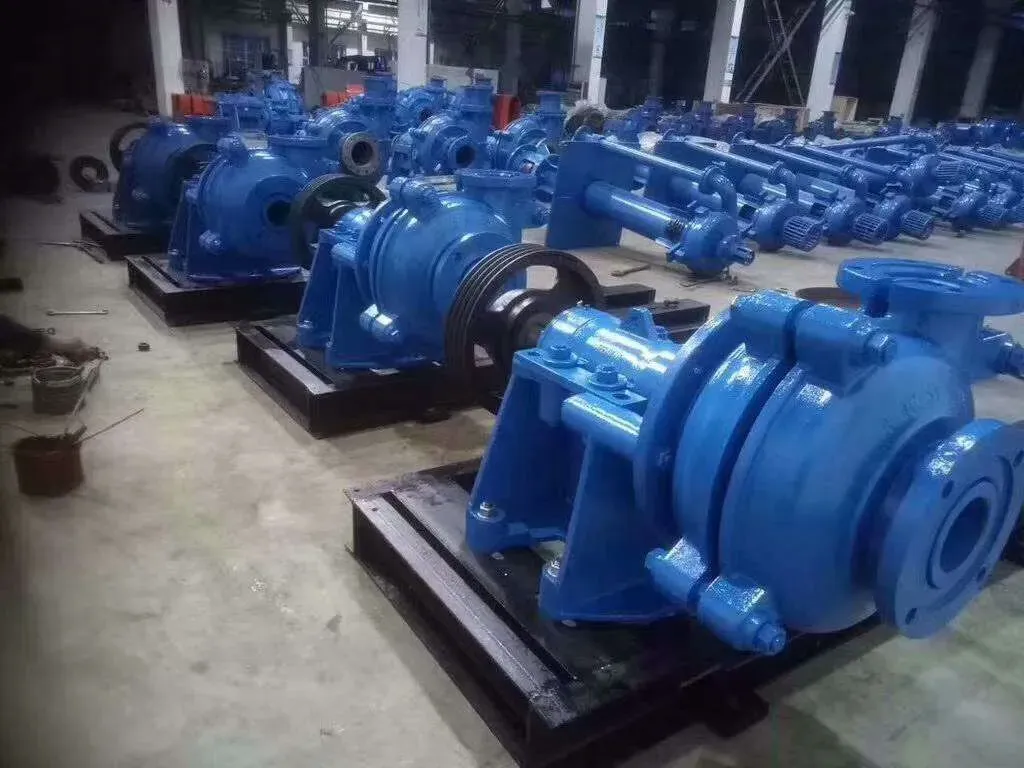
The SP Series Slurry Pump represents a critical component in numerous industrial processes involving the transportation of abrasive or corrosive fluids. Primarily employed in mining, heavy industry, wastewater treatment, and dredging applications, these pumps are engineered to handle high solid concentrations and varying fluid viscosities. Positioned within the fluid handling chain, the SP Series pump directly impacts process efficiency and operational longevity by providing reliable and consistent fluid transfer. Core performance characteristics include high head, large flow rates, and robust construction designed to minimize downtime and maintenance costs. A key challenge in slurry pump application lies in managing abrasion and corrosion, which significantly impacts pump life. The SP Series addresses this through material selection and hydraulic design optimized for challenging slurry conditions. This guide provides an in-depth technical overview of the SP Series slurry pump, covering material science, manufacturing processes, performance parameters, failure modes, and relevant industry standards.
Material Science & Manufacturing
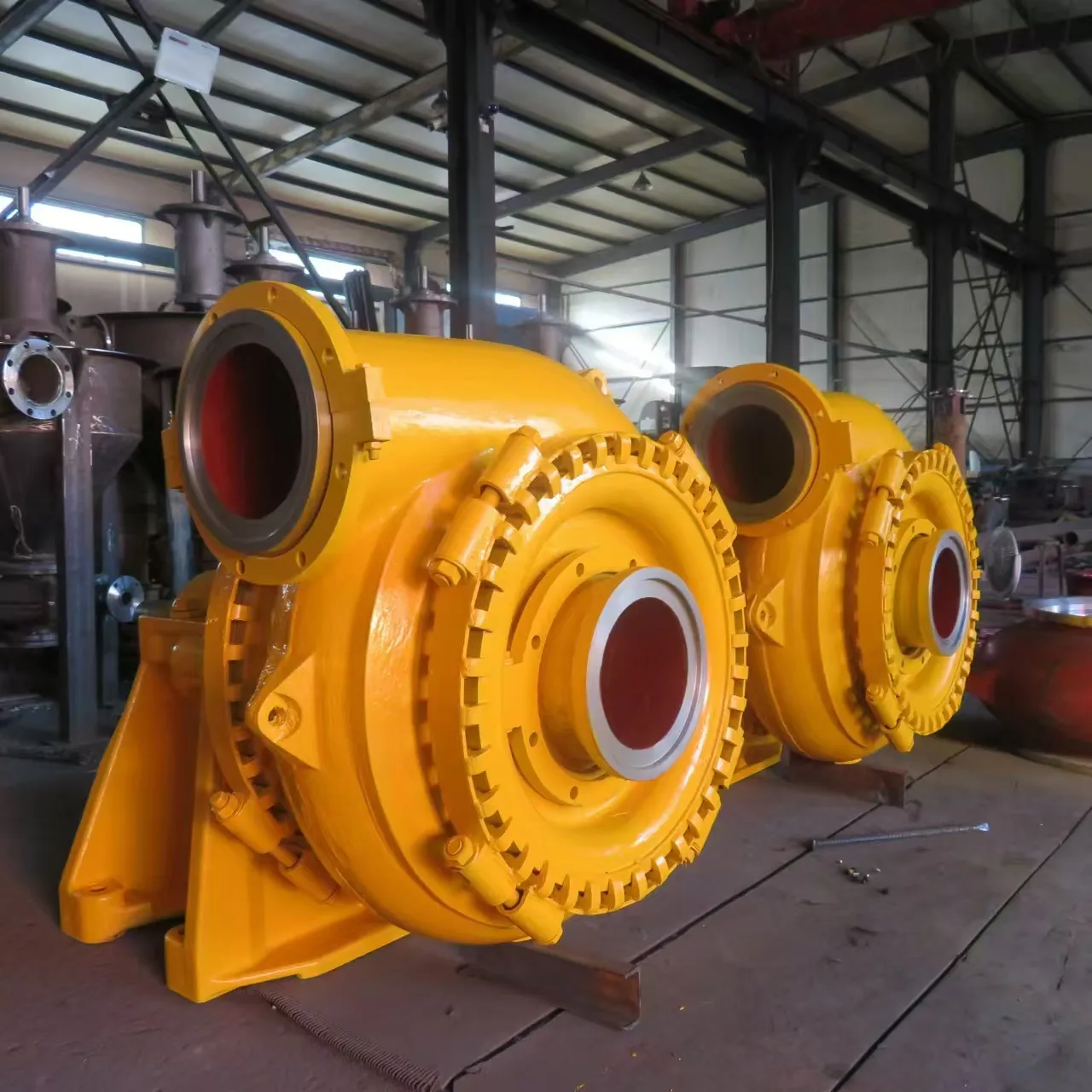
The SP Series slurry pump construction primarily utilizes high-chromium cast iron (typically 26-28% Cr) for the volute casing, impeller, and liner plates. This alloy exhibits exceptional abrasion resistance due to the formation of hard chromium carbides within the iron matrix. The impeller design incorporates a closed or semi-open configuration depending on the slurry characteristics. Closed impellers deliver higher efficiencies for finer particle sizes, while semi-open impellers are preferred for slurries containing large solids or stringy materials to mitigate clogging. Shaft material is typically a high-strength alloy steel (e.g., 4140) subjected to heat treatment to achieve high tensile strength and toughness. Sealing options include mechanical seals (silicon carbide faces are common for abrasive slurries) and packing glands. Manufacturing processes begin with sand casting for the major components. Rigorous quality control measures are implemented at each stage, including radiographic inspection for casting defects and hardness testing to verify material properties. Welding processes, employing shielded metal arc welding (SMAW) or submerged arc welding (SAW), are used for joining components. Welding parameters (current, voltage, travel speed) are carefully controlled to ensure complete fusion and minimize heat-affected zone distortion. Impellers are dynamically balanced to minimize vibration and extend bearing life. Surface treatments, such as hardfacing with tungsten carbide, are often applied to the impeller vanes and volute casing to further enhance abrasion resistance in severe applications. Chemical compatibility is assessed considering the slurry's pH and chemical composition to prevent corrosion; alternative materials such as duplex stainless steel or high-silicon cast iron are used where necessary.
Performance & Engineering
The SP Series slurry pump’s performance is governed by principles of fluid dynamics and impeller design. Force analysis focuses on hydrostatic and hydrodynamic pressures acting on the impeller and casing. Centrifugal force generated by the rotating impeller imparts kinetic energy to the slurry, which is then converted to pressure head. Pump performance curves (head vs. flow rate) are generated through hydraulic testing, taking into account slurry density and viscosity. Cavitation is a primary concern, particularly with high suction lifts or high slurry temperatures. Net Positive Suction Head Required (NPSHr) must be carefully matched to Net Positive Suction Head Available (NPSHa) to prevent cavitation damage. The pump’s hydraulic efficiency is affected by impeller vane angle, volute casing geometry, and internal clearances. Environmental resistance is addressed through material selection and protective coatings. For example, pumps operating in corrosive environments may utilize epoxy or rubber linings. Compliance with industry standards, such as ISO 5199, requires adherence to specific testing procedures and performance criteria. The mechanical design considers bearing loads, shaft deflection, and seal performance. Bearings are typically heavy-duty roller bearings lubricated with grease or oil. Shaft deflection is minimized through proper bearing selection and shaft diameter. The pump’s foundation is designed to withstand dynamic loads and minimize vibration transmission. Considerations also include thermal expansion and contraction of components to prevent stress concentrations.
Technical Specifications
| Parameter | SP80-20 | SP150-40 | SP200-65 | SP300-80 |
|---|---|---|---|---|
| Maximum Flow Rate (m³/hr) | 80 | 150 | 200 | 300 |
| Maximum Head (m) | 20 | 40 | 65 | 80 |
| Maximum Solid Particle Size (mm) | 25 | 50 | 75 | 100 |
| Impeller Diameter (mm) | 150 | 220 | 280 | 350 |
| Motor Power (kW) | 5.5 | 11 | 18.5 | 30 |
| Casing Material | HTCI (High-Chromium Cast Iron) | HTCI | HTCI | HTCI |
Failure Mode & Maintenance
Common failure modes for SP Series slurry pumps include impeller wear, liner plate erosion, shaft breakage, seal failure, and bearing failure. Impeller wear is typically caused by abrasion from solid particles in the slurry. Liner plate erosion occurs due to the high velocity of the slurry impacting the casing walls. Shaft breakage can result from fatigue cracking initiated by stress concentrations or corrosion. Seal failure is often caused by abrasive particles damaging the seal faces or chemical attack on the seal materials. Bearing failure can be attributed to inadequate lubrication, contamination, or excessive loads. Failure analysis involves visual inspection, dimensional measurements, metallurgical examination, and oil analysis. Preventive maintenance is crucial to extend pump life. This includes regular inspection of impeller and liner plates, periodic seal replacement, bearing lubrication, and alignment checks. Monitoring vibration levels can detect early signs of bearing failure or impeller imbalance. Scheduled shutdowns for overhaul and component replacement should be based on operating hours and slurry characteristics. Consideration should also be given to the use of wear-resistant materials and coatings to minimize component replacement frequency. Proper strainer installation upstream of the pump is essential to remove large solids that could cause damage.
Industry FAQ
Q: What is the impact of slurry solids concentration on pump performance and lifespan?
A: Increased solids concentration directly correlates with increased abrasion and erosion rates, significantly reducing impeller and liner plate lifespan. Higher concentrations also increase slurry viscosity, leading to reduced pump efficiency and potentially requiring a larger motor to maintain desired flow rates. Selection of appropriate pump size and material for the specific solids concentration is vital.
Q: How does the slurry’s chemical composition affect material selection for the pump?
A: The slurry’s pH and chemical constituents dictate the compatibility of pump materials. Acidic slurries require acid-resistant materials such as stainless steel or specialized alloys. Alkaline slurries can cause corrosion in certain cast irons. The presence of chlorides can accelerate corrosion in many materials. A thorough chemical analysis is essential before material selection.
Q: What are the common causes of cavitation in SP Series slurry pumps, and how can it be prevented?
A: Cavitation occurs when the absolute pressure at the pump suction drops below the vapor pressure of the slurry, forming vapor bubbles that collapse and damage the impeller. Common causes include high suction lift, inadequate NPSHa, and restrictions in the suction piping. Prevention involves ensuring sufficient NPSHa, minimizing suction lift, and properly sizing the suction piping.
Q: What are the best practices for seal maintenance to prevent leakage and extend seal life?
A: Proper seal lubrication and cooling are essential. Regularly inspect seal faces for wear or damage. Ensure the seal chamber is clean and free of abrasive particles. Select seal materials compatible with the slurry's chemical composition. Maintain proper seal pressure and follow the manufacturer's recommended seal replacement schedule.
Q: What methods are used to mitigate vibration in SP Series slurry pumps?
A: Vibration can be reduced through dynamic balancing of the impeller, proper alignment of the pump and motor, and ensuring a rigid foundation. Regular monitoring of vibration levels can help identify early signs of imbalance or bearing wear. Installing vibration isolation pads under the pump can also dampen vibration transmission.
Conclusion
The SP Series Slurry Pump is a robust and versatile solution for challenging fluid handling applications. Its performance hinges on careful material selection, precise manufacturing processes, and adherence to rigorous engineering principles. Understanding the interplay between slurry characteristics, pump design, and operating conditions is crucial for maximizing pump life and minimizing downtime. Proper maintenance, including regular inspections and component replacements, is essential for ensuring long-term reliability.
Future advancements in slurry pump technology are likely to focus on improved abrasion resistance through the development of novel materials and coatings, enhanced hydraulic efficiency through computational fluid dynamics (CFD) modeling, and the integration of sensor technology for real-time monitoring of pump performance and condition. Optimizing pump design for specific slurry types and operating conditions remains a key area of research and development.
-
Precision at the Pump: How Better Machining Protects Flow and Uptime
News2026-11-20
-
Why Pump Reliability Begins Before the First Drop of Fluid
News2026-11-20
-
Beyond the Pump: Designing Safer Access Around Critical Water Infrastructure
News2026-11-20
-
Why Pumping Stations Depend on the Infrastructure Beneath the Pumps
News2026-11-20
-
Beyond the Pump Room: How Smarter Loading Protects Industrial Equipment
News2026-11-19
-
When Pumps Stop: Designing More Resilient Power for Critical Pumping Systems
News2026-11-19
-
The Hidden Role of Dust and Gas Monitoring in Reliable Pump Operations
News2026-11-19
-
The Hidden Role of Mineral Compounds in Extending Industrial Pump Lifespan
News2026-10-12
-
Why Pump System Reliability Depends on Precision Hose Assembly Methods
News2026-09-15
-
How Advanced Imaging Films Are Transforming Pump Component Quality Control
News2026-08-25
-
How Advanced Filtration Protects Pump Systems from Premature Wear and Costly Downtime
News2026-08-25
-
How Steel Material Selection Drives Pump Reliability in Heavy-Duty Systems
News2026-08-25
-
Ensuring Pump System Efficiency: The Role of High-Quality Pipe Fittings and Tubing
News2026-08-24
-
Optimizing Fluid Dynamics and Material Consistency in Industrial Processing
News2026-08-18
-
Innovations and Challenges in Hydraulic Systems for Heavy Machinery
News2026-08-13




