English
- Afrikaans
- Albanian
- Amharic
- Arabic
- Armenian
- Azerbaijani
- Basque
- Belarusian
- Bengali
- Bosnian
- Bulgarian
- Catalan
- Cebuano
- Corsican
- Croatian
- Czech
- Danish
- Dutch
- English
- Esperanto
- Estonian
- Finnish
- French
- Frisian
- Galician
- Georgian
- German
- Greek
- Gujarati
- Haitian Creole
- hausa
- hawaiian
- Hebrew
- Hindi
- Miao
- Hungarian
- Icelandic
- igbo
- Indonesian
- irish
- Italian
- Japanese
- Javanese
- Kannada
- kazakh
- Khmer
- Rwandese
- Korean
- Kurdish
- Kyrgyz
- Lao
- Latin
- Latvian
- Lithuanian
- Luxembourgish
- Macedonian
- Malgashi
- Malay
- Malayalam
- Maltese
- Maori
- Marathi
- Mongolian
- Myanmar
- Nepali
- Norwegian
- Norwegian
- Occitan
- Pashto
- Persian
- Polish
- Portuguese
- Punjabi
- Romanian
- Russian
- Samoan
- Scottish Gaelic
- Serbian
- Sesotho
- Shona
- Sindhi
- Sinhala
- Slovak
- Slovenian
- Somali
- Spanish
- Sundanese
- Swahili
- Swedish
- Tagalog
- Tajik
- Tamil
- Tatar
- Telugu
- Thai
- Turkish
- Turkmen
- Ukrainian
- Urdu
- Uighur
- Uzbek
- Vietnamese
- Welsh
- Bantu
- Yiddish
- Yoruba
- Zulu

Telephone: +86 13120555503
Email: frank@cypump.com


Apr . 01, 2024 17:55 Back to list
china’s topquality high chrome slurry pump for efficient wear resistance
Introduction
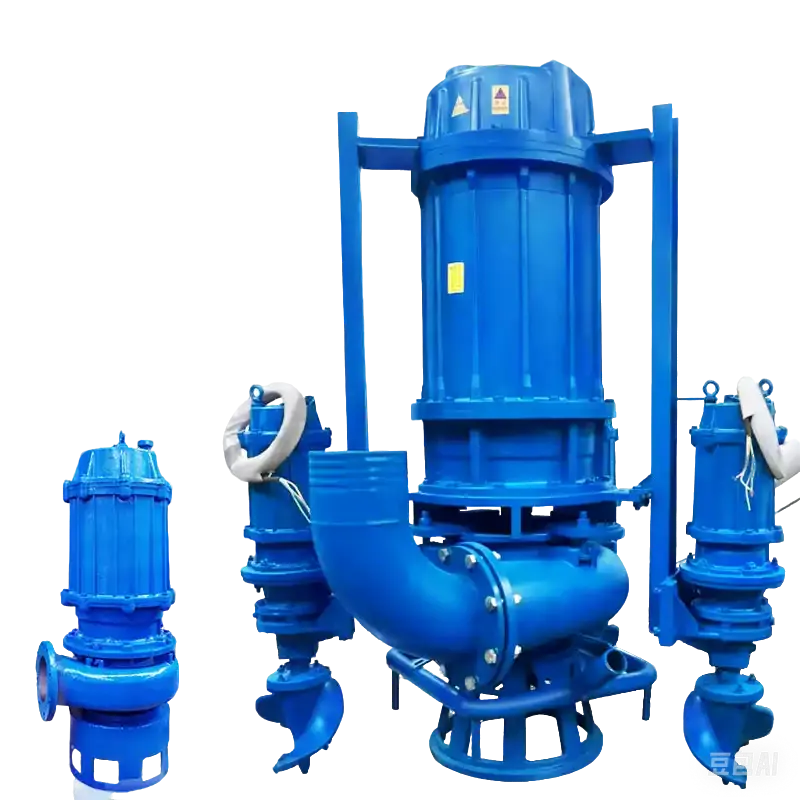
High chrome slurry pumps are critical components in numerous industrial processes, primarily focused on the transportation of abrasive and corrosive fluids. These pumps are extensively utilized in mining, dredging, wastewater treatment, and chemical processing, where the efficient and reliable movement of slurries is paramount. China’s top-quality high chrome slurry pumps represent a significant advancement in this technology, offering enhanced wear resistance, hydraulic efficiency, and operational longevity compared to standard pump designs. The core performance metrics center around flow rate, head (pressure), solids handling capability, and overall efficiency, all underpinned by the material science of high chrome alloys. These pumps address a significant industry pain point: minimizing downtime and maintenance costs associated with pump failure in demanding applications. The design focuses on maximizing component life in the face of abrasive particle impact and chemical attack, thus reducing Total Cost of Ownership (TCO) for operators. This guide provides an in-depth exploration of these pumps, covering material science, manufacturing processes, performance characteristics, failure modes, and relevant industry standards.
Material Science & Manufacturing
The cornerstone of a high chrome slurry pump’s performance lies in its material selection. The impeller, volute liner, and often the pump casing are constructed from high chrome cast iron alloys, typically ranging from 13% to 28% chromium content. The high chromium content imparts exceptional resistance to abrasive wear, forming a hard, protective layer during operation. The base material is commonly a hypoeutectic gray cast iron, modified with chromium, molybdenum, and nickel for enhanced strength and toughness. Manufacturing begins with precisely controlled melting and alloying processes to ensure uniform chromium distribution. The casting process utilizes techniques such as sand casting, investment casting, or centrifugal casting, each offering varying levels of dimensional accuracy and surface finish. Following casting, heat treatment is crucial. This typically involves annealing to relieve internal stresses followed by hardening and tempering to achieve the desired hardness profile (typically 58-62 HRC). The pump shaft is typically manufactured from high-strength alloy steel, often 4140 or similar, and undergoes similar heat treatment processes. Seals are a critical element, utilizing materials like Viton, EPDM, or PTFE depending on the slurry’s chemical composition. Critical parameters include pouring temperature, cooling rate, heat treatment temperature and time, and alloy composition verification through spectroscopic analysis. Welding procedures, when necessary, must adhere to strict qualification standards (AWS D1.1) to maintain material integrity and prevent cracking.
Performance & Engineering
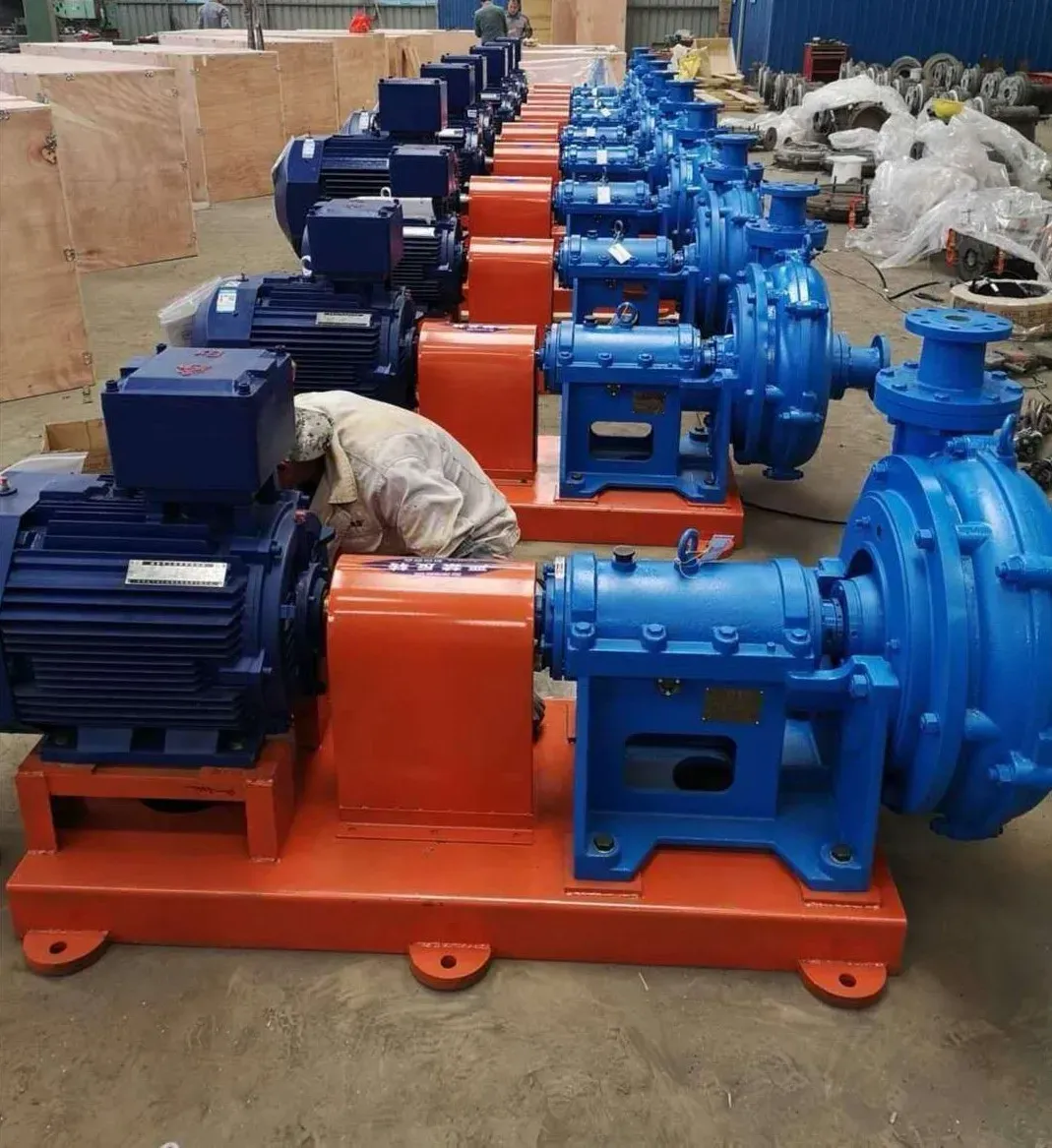
The hydraulic design of a high chrome slurry pump is critical for maximizing efficiency and minimizing wear. Impeller geometry is carefully optimized to provide high head and flow rates while handling abrasive solids without excessive turbulence or impact. Volute liners are designed to protect the pump casing from erosion and guide the slurry flow smoothly. Force analysis considers the impact forces of solid particles on the impeller and liner, as well as the centrifugal forces generated by the rotating components. Finite Element Analysis (FEA) is routinely employed to optimize impeller design, predict stress concentrations, and validate structural integrity. Environmental resistance is paramount, and pumps are engineered to withstand a wide range of temperatures, pressures, and chemical exposures. Compliance requirements vary by region and application, with standards like API 610 (Centrifugal Pumps) and ISO 13709 (Slurry Pumps) providing guidelines for design, materials, and testing. The pump’s Net Positive Suction Head Required (NPSHr) is a key parameter to prevent cavitation. Furthermore, considerations for bearing lubrication, seal performance under varying slurry conditions, and overall pump vibration are integral to maintaining reliable operation. Cavitation resistance is improved through optimized impeller inlet design and careful control of pump speed and flow rate.
Technical Specifications
| Parameter | Unit | Typical Value (Range) | Testing Standard |
|---|---|---|---|
| Flow Rate | m³/h | 50 - 1000 | ISO 9906 |
| Head (Pressure) | m | 10 - 80 | ISO 9906 |
| Solids Handling Size | mm | Up to 100 | Internal Testing |
| Slurry Concentration (Weight %) | % | Up to 70 | Internal Testing |
| Impeller Material | - | High Chrome Alloy (18-28% Cr) | ASTM A532 |
| Casing Material | - | High Chrome Alloy (13-18% Cr) or Steel | ASTM A532 / ASTM A276 |
Failure Mode & Maintenance
High chrome slurry pumps, despite their robust design, are susceptible to several failure modes. Abrasive wear remains the primary concern, leading to impeller erosion, liner wear, and eventual pump performance degradation. Fatigue cracking can occur in the impeller and shaft due to cyclical loading, particularly when handling large solids. Corrosion, driven by the chemical composition of the slurry, can lead to pitting and material loss. Cavitation, resulting from insufficient NPSH, causes localized high pressures and erosion of the impeller. Delamination can occur in the high chrome alloy castings due to improper heat treatment or casting defects. Oxidation can affect the pump's external components, particularly in corrosive environments. Maintenance strategies include regular visual inspections for wear and corrosion, monitoring pump performance parameters (flow, pressure, power consumption), vibration analysis to detect bearing or impeller issues, and periodic replacement of wear parts (impeller, liner, seals). Preventative maintenance schedules should be tailored to the specific slurry characteristics and operating conditions. Non-destructive testing (NDT) methods like ultrasonic testing and liquid penetrant inspection can detect hidden cracks or defects. Proper lubrication of bearings is crucial to prevent premature failure. Regular seal replacement prevents leakage and maintains pump efficiency.
Industry FAQ
Q: What is the typical lifespan of a high chrome impeller in a highly abrasive slurry application?
A: The lifespan of a high chrome impeller is heavily dependent on the slurry's abrasiveness, solids concentration, and flow velocity. However, in typical highly abrasive applications like mining, a properly maintained impeller can last between 6 to 18 months. Regular inspections and performance monitoring are crucial to determining the optimal replacement interval.
Q: How does the chrome content affect the wear resistance of the pump components?
A: Higher chrome content generally equates to greater wear resistance, especially in abrasive environments. Chromium forms hard chromium carbides within the cast iron matrix, providing a barrier against erosion. However, increasing chromium content beyond a certain point (typically around 28%) can reduce toughness and increase susceptibility to cracking.
Q: What are the key considerations when selecting a seal material for a corrosive slurry?
A: Seal material selection requires careful consideration of the slurry's pH, chemical composition, and temperature. Common materials include Viton (fluoroelastomer) for general chemical resistance, EPDM for alkaline slurries, and PTFE (Teflon) for highly corrosive environments. Compatibility charts should be consulted to ensure the chosen material is resistant to the specific chemicals present in the slurry.
Q: What are the common causes of cavitation in slurry pumps and how can it be prevented?
A: Cavitation is typically caused by insufficient NPSH, resulting in vapor bubble formation and collapse within the impeller. This can be prevented by ensuring adequate suction head, reducing pump speed, increasing impeller inlet diameter, or lowering the slurry temperature. Proper system design and operation are crucial for cavitation prevention.
Q: What is the role of Finite Element Analysis (FEA) in slurry pump design?
A: FEA is a vital tool for optimizing impeller geometry and predicting stress concentrations under various operating conditions. It allows engineers to identify potential failure points, validate structural integrity, and improve pump performance before physical prototyping. This minimizes the risk of costly failures and ensures the pump’s reliability.
Conclusion
China’s top-quality high chrome slurry pumps represent a significant advancement in fluid handling technology for abrasive and corrosive applications. Their superior wear resistance, optimized hydraulic design, and robust construction contribute to reduced downtime, lower maintenance costs, and increased operational efficiency. The careful selection of materials, coupled with precise manufacturing processes and adherence to stringent quality control standards, are key differentiators.
Future developments will likely focus on further material enhancements (e.g., utilizing advanced ceramics or composite materials), improved impeller designs for even greater efficiency, and the integration of smart sensors and predictive maintenance technologies. As industrial processes become increasingly demanding, the role of these specialized pumps will continue to grow, driving innovation and optimizing performance across a wide range of industries.
-
Precision at the Pump: How Better Machining Protects Flow and Uptime
News2026-11-20
-
Why Pump Reliability Begins Before the First Drop of Fluid
News2026-11-20
-
Beyond the Pump: Designing Safer Access Around Critical Water Infrastructure
News2026-11-20
-
Why Pumping Stations Depend on the Infrastructure Beneath the Pumps
News2026-11-20
-
Beyond the Pump Room: How Smarter Loading Protects Industrial Equipment
News2026-11-19
-
When Pumps Stop: Designing More Resilient Power for Critical Pumping Systems
News2026-11-19
-
The Hidden Role of Dust and Gas Monitoring in Reliable Pump Operations
News2026-11-19
-
The Hidden Role of Mineral Compounds in Extending Industrial Pump Lifespan
News2026-10-12
-
Why Pump System Reliability Depends on Precision Hose Assembly Methods
News2026-09-15
-
How Advanced Imaging Films Are Transforming Pump Component Quality Control
News2026-08-25
-
How Advanced Filtration Protects Pump Systems from Premature Wear and Costly Downtime
News2026-08-25
-
How Steel Material Selection Drives Pump Reliability in Heavy-Duty Systems
News2026-08-25
-
Ensuring Pump System Efficiency: The Role of High-Quality Pipe Fittings and Tubing
News2026-08-24
-
Optimizing Fluid Dynamics and Material Consistency in Industrial Processing
News2026-08-18
-
Innovations and Challenges in Hydraulic Systems for Heavy Machinery
News2026-08-13




