English
- Afrikaans
- Albanian
- Amharic
- Arabic
- Armenian
- Azerbaijani
- Basque
- Belarusian
- Bengali
- Bosnian
- Bulgarian
- Catalan
- Cebuano
- Corsican
- Croatian
- Czech
- Danish
- Dutch
- English
- Esperanto
- Estonian
- Finnish
- French
- Frisian
- Galician
- Georgian
- German
- Greek
- Gujarati
- Haitian Creole
- hausa
- hawaiian
- Hebrew
- Hindi
- Miao
- Hungarian
- Icelandic
- igbo
- Indonesian
- irish
- Italian
- Japanese
- Javanese
- Kannada
- kazakh
- Khmer
- Rwandese
- Korean
- Kurdish
- Kyrgyz
- Lao
- Latin
- Latvian
- Lithuanian
- Luxembourgish
- Macedonian
- Malgashi
- Malay
- Malayalam
- Maltese
- Maori
- Marathi
- Mongolian
- Myanmar
- Nepali
- Norwegian
- Norwegian
- Occitan
- Pashto
- Persian
- Polish
- Portuguese
- Punjabi
- Romanian
- Russian
- Samoan
- Scottish Gaelic
- Serbian
- Sesotho
- Shona
- Sindhi
- Sinhala
- Slovak
- Slovenian
- Somali
- Spanish
- Sundanese
- Swahili
- Swedish
- Tagalog
- Tajik
- Tamil
- Tatar
- Telugu
- Thai
- Turkish
- Turkmen
- Ukrainian
- Urdu
- Uighur
- Uzbek
- Vietnamese
- Welsh
- Bantu
- Yiddish
- Yoruba
- Zulu

Telephone: +86 13120555503
Email: frank@cypump.com


Apr . 01, 2024 17:55 Back to list
China's Slurry Pump Exhibits Exceptional Head Performance Analysis
Introduction
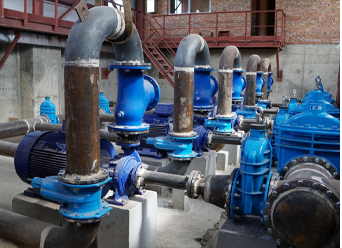
China's slurry pump exhibiting exceptional head performance represents a critical component in numerous industrial processes, particularly those involving the transport of abrasive or corrosive fluids. Slurry pumps, fundamentally centrifugal pumps adapted for handling solids-laden fluids, are vital in mining, wastewater treatment, dredging, and chemical processing. Their performance is assessed not simply by flow rate, but significantly by the “head” – the height to which the pump can lift the fluid, a measure of the pressure it can generate. Recent advancements in Chinese slurry pump manufacturing have focused on achieving higher head performance through optimized impeller designs, advanced materials selection, and improved hydraulic efficiency. This document provides an in-depth technical analysis of these pumps, covering material science, manufacturing processes, performance characteristics, potential failure modes, and relevant industry standards. The core industry pain point addressed by these pumps is minimizing downtime and maximizing throughput in abrasive environments, coupled with reducing energy consumption related to maintaining operational pressure. Efficient slurry transport is paramount to process viability and cost-effectiveness.
Material Science & Manufacturing
The construction of high-head slurry pumps necessitates careful material selection to withstand abrasive wear, corrosion, and erosion. Common materials include high-chromium cast irons (typically 26-35% Cr), offering excellent resistance to sliding abrasion. The impeller and volute casing frequently employ these alloys. For highly corrosive environments, stainless steels (304, 316, duplex stainless steels) and specialized polymers like polyurethane elastomers are used. The pump shaft is typically constructed from alloy steel, heat-treated to achieve high tensile strength and torsional rigidity. Manufacturing processes vary based on component complexity. Impellers are commonly produced via investment casting, ensuring precise geometry and smooth surface finish, minimizing turbulence. Casings are manufactured using sand casting or, for larger pumps, steel casting followed by machining. Welding is extensively used in fabrication, particularly for joining casing components. Critical parameters during welding include heat input, shielding gas composition, and post-weld heat treatment to prevent cracking and maintain corrosion resistance. Rubber liners, often vulcanized to the casing interior, provide an additional layer of protection against abrasion and corrosion. The curing process for these liners requires precise temperature and pressure control to achieve optimal bonding and mechanical properties. Furthermore, the hardness testing of the cast iron components (Brinell Hardness Number – BHN) is crucial for quality control, ensuring the material meets the specified wear resistance requirements. The selection of appropriate gasket materials (e.g., EPDM, Viton) is also critical for sealing and preventing leakage, taking into account the chemical compatibility of the slurry being pumped.
Performance & Engineering
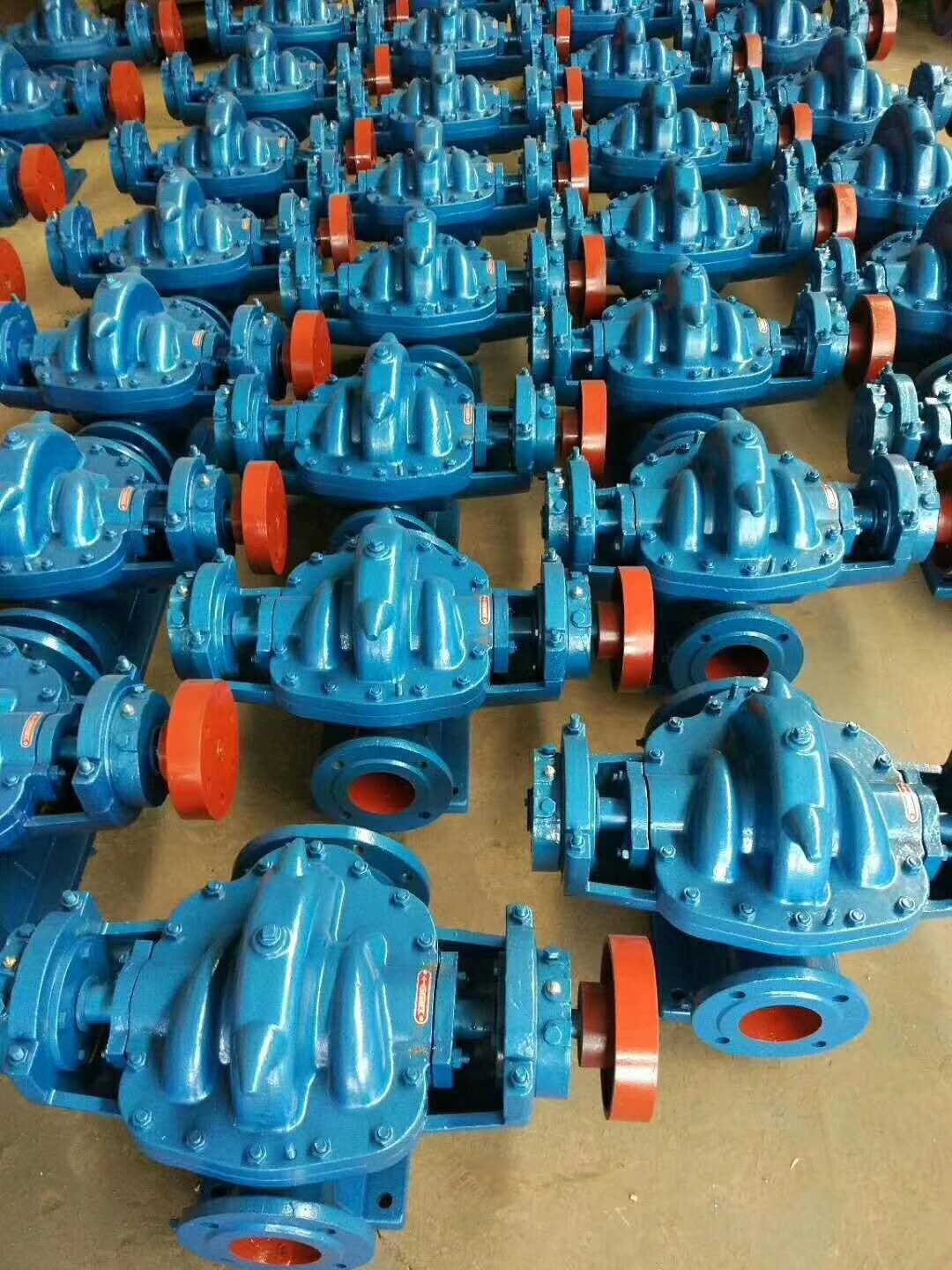
The exceptional head performance of these slurry pumps is achieved through a combination of hydraulic design and precise engineering. The impeller geometry – specifically the blade angle, impeller diameter, and blade thickness – directly influences the head generated. A smaller impeller diameter generally results in lower flow rates but higher head, while a larger diameter favors higher flow rates and lower head. The pump's performance is characterized by its head-capacity curve, which plots the relationship between the head generated and the volumetric flow rate. Force analysis involves evaluating stresses on the impeller, shaft, and casing under varying operating conditions. Finite Element Analysis (FEA) is frequently employed to optimize component designs and predict stress concentrations. Environmental resistance is crucial; pumps must withstand temperature fluctuations, humidity, and exposure to corrosive agents. Proper sealing arrangements and protective coatings are essential. Compliance requirements include adherence to hydraulic efficiency standards (e.g., ISO 9906) and safety regulations (e.g., CE marking). Cavitation is a significant concern in high-head pumps; it occurs when the pressure at the impeller inlet drops below the vapor pressure of the fluid, forming bubbles that collapse and cause erosion. Net Positive Suction Head Required (NPSHr) must be carefully calculated and compared to the Net Positive Suction Head Available (NPSHa) to prevent cavitation. Furthermore, the pump’s motor and drive system must be appropriately sized to handle the required torque and speed, ensuring efficient power transmission. Hydraulic losses, including friction losses in the piping and impeller, must be minimized through optimized design and smooth surface finishes.
Technical Specifications
| Parameter | Unit | Value (Typical Range) | Testing Standard |
|---|---|---|---|
| Maximum Head | m | 60-150 | ISO 9906:2012 |
| Flow Rate | m³/h | 20-200 | ISO 9906:2012 |
| Solids Handling Capability | mm | Up to 75 | Internal Testing |
| Pump Speed | rpm | 500-2900 | Manufacturers Specification |
| Impeller Material | - | High-Chromium Cast Iron (26-35% Cr), Stainless Steel | ASTM A532 |
| Casing Material | - | High-Chromium Cast Iron, Rubber Lined Steel | ASTM A532 |
Failure Mode & Maintenance
Slurry pumps are prone to several failure modes. Abrasive wear is the most common, leading to impeller erosion and casing wall thinning. Fatigue cracking can occur in the impeller and shaft due to cyclic loading. Corrosion and erosion can damage the impeller and casing, particularly in aggressive environments. Cavitation, as previously discussed, causes significant damage. Leakage from seals is another frequent issue. Failure analysis techniques include visual inspection, dye penetrant testing, radiographic testing, and metallurgical analysis. Preventative maintenance is crucial. Regular inspection of the impeller and casing for wear is essential. Seal replacement should be scheduled based on operating hours and slurry characteristics. Lubrication of bearings is critical to prevent failure. Monitoring vibration levels can detect imbalances and bearing wear. In the event of a failure, proper root cause analysis is vital to prevent recurrence. This involves examining the failed component, analyzing the slurry composition, and reviewing operating conditions. For example, a prematurely worn impeller may indicate excessive slurry solids concentration or improper pump speed. Rebuilding a pump typically involves replacing worn components, re-lining the casing (if applicable), and re-balancing the impeller. Proper alignment of the pump and motor is also crucial after any maintenance activity. Regular monitoring of pump performance parameters like discharge pressure, flow rate, and power consumption can also identify potential issues before they escalate into failures.
Industry FAQ
Q: What is the impact of slurry composition on impeller wear rate?
A: The slurry composition significantly affects impeller wear rate. Higher solids concentration, larger particle size, and increased hardness of the solid particles all contribute to accelerated wear. The chemical composition of the slurry also plays a role; acidic or alkaline slurries can accelerate corrosion, exacerbating wear. Selecting the appropriate impeller material is crucial based on the slurry characteristics.
Q: How do you determine the appropriate pump speed for a given slurry application?
A: Pump speed is determined by balancing flow rate and head requirements with impeller wear considerations. Lower speeds generally reduce wear but may require larger impellers to achieve the desired flow rate. Higher speeds can provide higher flow rates but increase wear. A compromise must be reached based on the specific application and the cost of impeller replacement.
Q: What are the key considerations when selecting a seal type for a slurry pump?
A: Seal selection depends on the slurry’s abrasiveness, corrosiveness, and pressure. Mechanical seals are commonly used, but the seal face material must be compatible with the slurry. Elastomeric bellows seals offer good resistance to abrasive particles. Double mechanical seals with a barrier fluid are used for highly corrosive or toxic slurries. Proper seal flushing is essential to remove abrasive particles and maintain lubrication.
Q: What are the primary causes of cavitation in slurry pumps, and how can they be mitigated?
A: Cavitation is primarily caused by insufficient NPSHa. Other contributing factors include high pump speed, high suction lift, and restrictions in the suction piping. Mitigation strategies include lowering the pump speed, increasing the NPSHa (e.g., by lowering the pump or increasing the suction tank level), and ensuring adequate suction piping diameter and minimizing bends.
Q: How does impeller design influence the pump’s overall efficiency and head performance?
A: Impeller design is critical. Blade angle, blade shape, and impeller diameter all affect efficiency and head. Optimized blade angles maximize fluid velocity and minimize energy losses. Streamlined blade shapes reduce turbulence. Matching the impeller diameter to the flow rate and head requirements is essential for achieving optimal performance. Computational Fluid Dynamics (CFD) simulations are frequently used to optimize impeller designs.
Conclusion
China’s slurry pump technology exhibiting exceptional head performance has matured significantly, offering robust and efficient solutions for demanding industrial applications. The selection of appropriate materials, coupled with advancements in manufacturing processes like investment casting and precise welding techniques, ensures the durability and reliability of these pumps. Understanding the interplay between slurry composition, pump speed, and impeller design is vital for optimizing performance and minimizing wear.
Continued innovation in areas such as advanced materials, hydrodynamic design, and condition monitoring will further enhance the performance and longevity of these critical components. Adherence to international standards (ISO, ASTM) and rigorous quality control procedures are essential for maintaining the high standards of performance and reliability expected in these demanding environments. Ultimately, the efficient and reliable operation of these slurry pumps translates directly to increased productivity and reduced operating costs for a wide range of industries.
-
Precision at the Pump: How Better Machining Protects Flow and Uptime
News2026-11-20
-
Why Pump Reliability Begins Before the First Drop of Fluid
News2026-11-20
-
Beyond the Pump: Designing Safer Access Around Critical Water Infrastructure
News2026-11-20
-
Why Pumping Stations Depend on the Infrastructure Beneath the Pumps
News2026-11-20
-
Beyond the Pump Room: How Smarter Loading Protects Industrial Equipment
News2026-11-19
-
When Pumps Stop: Designing More Resilient Power for Critical Pumping Systems
News2026-11-19
-
The Hidden Role of Dust and Gas Monitoring in Reliable Pump Operations
News2026-11-19
-
The Hidden Role of Mineral Compounds in Extending Industrial Pump Lifespan
News2026-10-12
-
Why Pump System Reliability Depends on Precision Hose Assembly Methods
News2026-09-15
-
How Advanced Imaging Films Are Transforming Pump Component Quality Control
News2026-08-25
-
How Advanced Filtration Protects Pump Systems from Premature Wear and Costly Downtime
News2026-08-25
-
How Steel Material Selection Drives Pump Reliability in Heavy-Duty Systems
News2026-08-25
-
Ensuring Pump System Efficiency: The Role of High-Quality Pipe Fittings and Tubing
News2026-08-24
-
Optimizing Fluid Dynamics and Material Consistency in Industrial Processing
News2026-08-18
-
Innovations and Challenges in Hydraulic Systems for Heavy Machinery
News2026-08-13




