English
- Afrikaans
- Albanian
- Amharic
- Arabic
- Armenian
- Azerbaijani
- Basque
- Belarusian
- Bengali
- Bosnian
- Bulgarian
- Catalan
- Cebuano
- Corsican
- Croatian
- Czech
- Danish
- Dutch
- English
- Esperanto
- Estonian
- Finnish
- French
- Frisian
- Galician
- Georgian
- German
- Greek
- Gujarati
- Haitian Creole
- hausa
- hawaiian
- Hebrew
- Hindi
- Miao
- Hungarian
- Icelandic
- igbo
- Indonesian
- irish
- Italian
- Japanese
- Javanese
- Kannada
- kazakh
- Khmer
- Rwandese
- Korean
- Kurdish
- Kyrgyz
- Lao
- Latin
- Latvian
- Lithuanian
- Luxembourgish
- Macedonian
- Malgashi
- Malay
- Malayalam
- Maltese
- Maori
- Marathi
- Mongolian
- Myanmar
- Nepali
- Norwegian
- Norwegian
- Occitan
- Pashto
- Persian
- Polish
- Portuguese
- Punjabi
- Romanian
- Russian
- Samoan
- Scottish Gaelic
- Serbian
- Sesotho
- Shona
- Sindhi
- Sinhala
- Slovak
- Slovenian
- Somali
- Spanish
- Sundanese
- Swahili
- Swedish
- Tagalog
- Tajik
- Tamil
- Tatar
- Telugu
- Thai
- Turkish
- Turkmen
- Ukrainian
- Urdu
- Uighur
- Uzbek
- Vietnamese
- Welsh
- Bantu
- Yiddish
- Yoruba
- Zulu

Telephone: +86 13120555503
Email: frank@cypump.com


Apr . 01, 2024 17:55 Back to list
china portable slurry pump manufacturer features and benefits
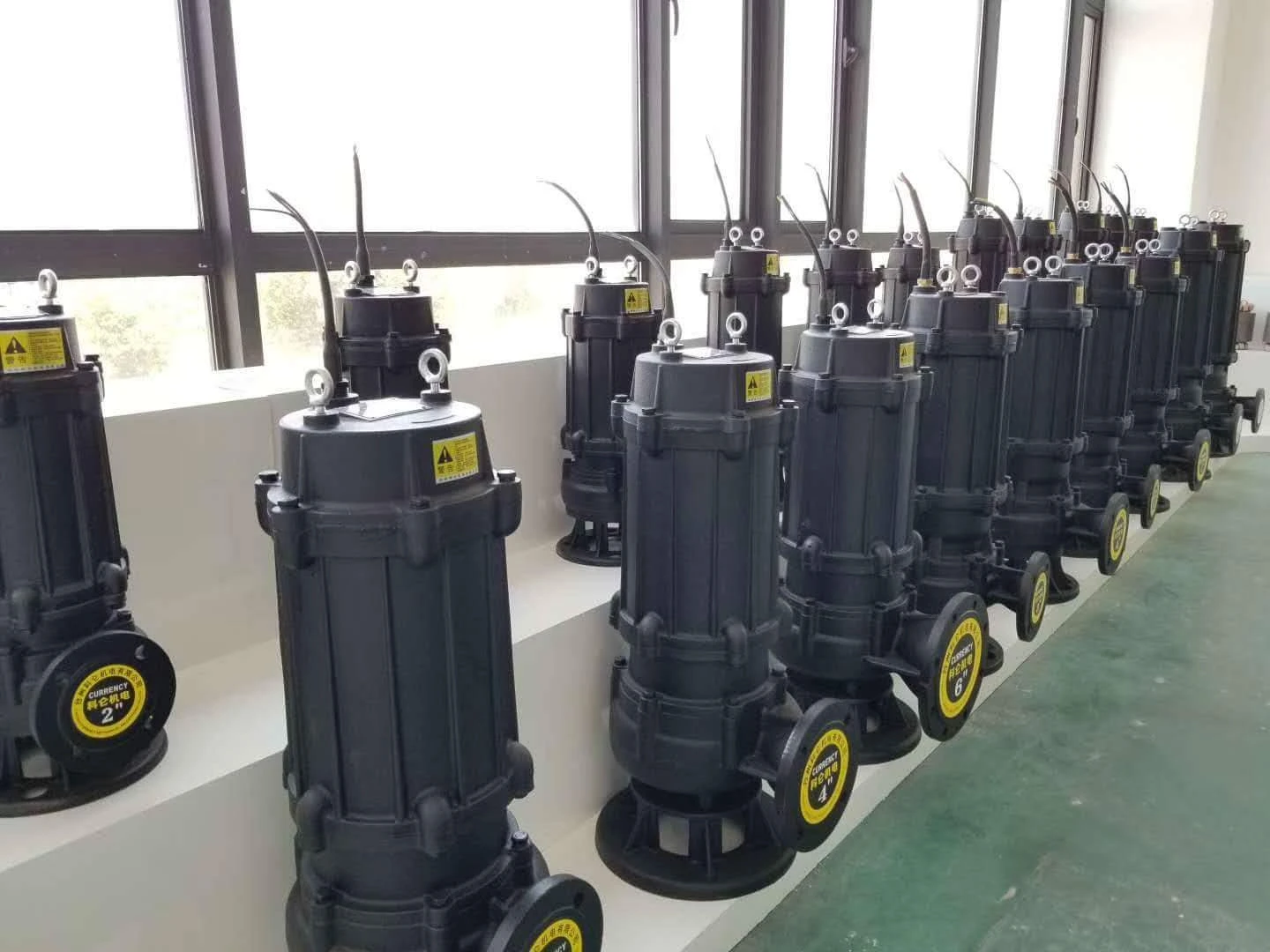
Introduction
Portable slurry pumps manufactured in China are critical components in a diverse range of industries including mining, construction, wastewater treatment, and agriculture. These pumps are engineered to efficiently transfer abrasive, corrosive, and highly viscous fluids – materials that standard centrifugal pumps cannot handle. The core function of a portable slurry pump lies in its ability to maintain flow rates and operational efficiency despite the challenging properties of the pumped medium. China has emerged as a significant global producer, offering competitive pricing and increasingly sophisticated designs. This guide provides an in-depth technical overview of these pumps, covering material science, manufacturing processes, performance characteristics, failure modes, maintenance procedures, and relevant industry standards. A key pain point for end-users is balancing cost with durability and reliable performance, particularly given the harsh operating conditions these pumps endure. Proper pump selection, based on a thorough understanding of slurry properties and application requirements, is paramount to minimizing downtime and maximizing return on investment.
Material Science & Manufacturing
The performance and longevity of a portable slurry pump are fundamentally tied to the materials used in its construction and the precision of the manufacturing processes. Pump casings are commonly constructed from high-chrome cast iron (typically 27% Cr), offering excellent abrasion resistance against solid particle erosion. Impellers, the rotating components directly exposed to the slurry, require even greater wear resistance and are often fabricated from similarly high-chrome alloys or specialized rubber compounds. Shafts are typically made from high-strength alloy steel (e.g., 4140, 4340) and undergo heat treatment processes such as quenching and tempering to enhance their tensile strength and torsional rigidity. Seals are critical to prevent leakage and are commonly constructed from materials like Viton, EPDM, or mechanical seals incorporating silicon carbide or tungsten carbide faces, selected based on the chemical compatibility with the pumped slurry.
Manufacturing processes include casting, machining, welding, and assembly. The casting process utilizes sand molds or investment casting to create the pump housing and impeller. Precision machining ensures tight tolerances and smooth surface finishes, minimizing turbulence and maximizing hydraulic efficiency. Welding, often employing shielded metal arc welding (SMAW) or gas tungsten arc welding (GTAW), is utilized for joining components and repairing wear surfaces. Non-destructive testing (NDT) methods, such as radiographic testing (RT) and ultrasonic testing (UT), are employed to detect internal flaws in welds and castings. Parameter control during manufacturing is crucial. Chrome content in cast iron, heat treatment temperatures for steel shafts, and rubber compound formulations for impellers are all tightly controlled to ensure consistent material properties. The quality of the slurry pump is also heavily reliant on the quality control and adherence to relevant industry standards during the manufacturing process.
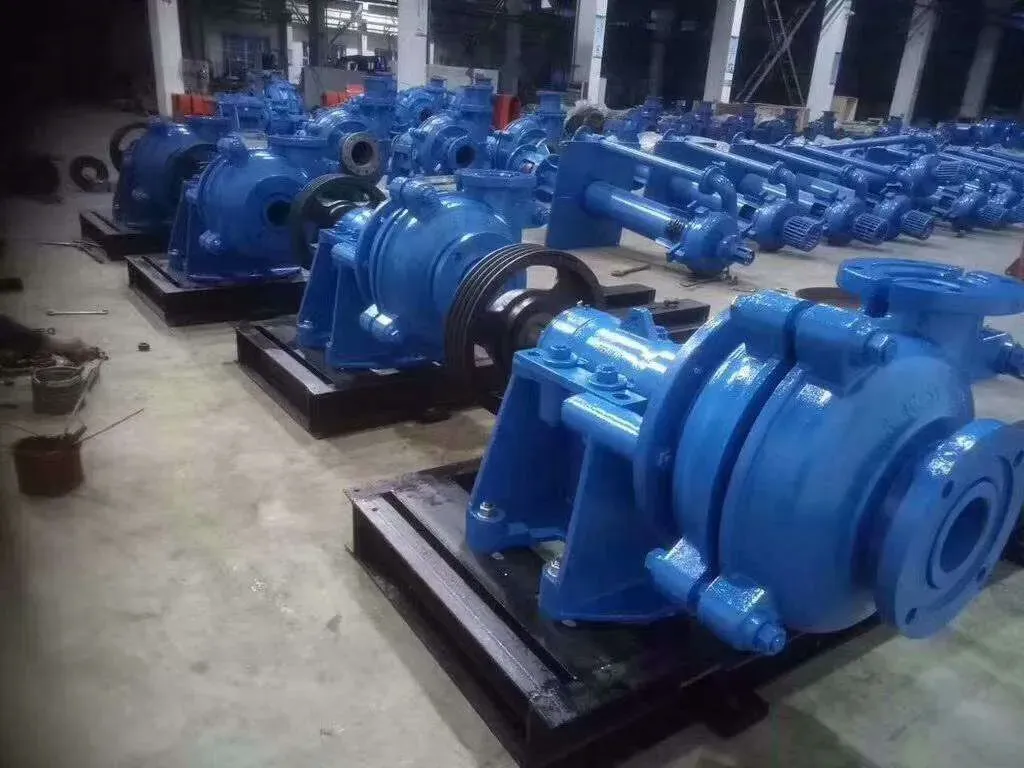
Performance & Engineering
The hydraulic performance of a portable slurry pump is governed by principles of fluid mechanics and is characterized by parameters such as flow rate, head (pressure), and efficiency. The pump’s performance curve, generated through rigorous testing, illustrates the relationship between these parameters. Engineers perform force analysis to determine stress distributions within pump components, particularly the impeller and casing, to prevent premature failure. Cavitation, a phenomenon where vapor bubbles form and collapse within the pump, is a significant concern, especially when handling low-Net Positive Suction Head Available (NPSHA) slurries. Pump designs incorporate impeller geometries and casing shapes to minimize cavitation risk. Environmental resistance is also a critical engineering consideration. Pumps operating in corrosive environments require careful material selection and protective coatings (e.g., epoxy or polyurethane) to prevent chemical attack. Compliance with environmental regulations, such as those governing noise emissions and discharge water quality, is essential. Functional implementation often involves integrating the pump with control systems for automated operation, remote monitoring, and variable speed drives (VSDs) to optimize performance and energy consumption. The pump's materials must be compatible with the slurry pH, temperature, and solids content.
Technical Specifications
| Parameter | Unit | Typical Range (China Manufactured Pump) | Notes |
|---|---|---|---|
| Flow Rate | m³/h | 10 - 400 | Dependent on impeller diameter and pump speed. |
| Head | m | 5 - 60 | Influenced by impeller design and pump casing. |
| Solids Handling Size | mm | Up to 100 | Dependent on impeller design and passage size. |
| Slurry Concentration | % by weight | Up to 70 | Higher concentrations require robust designs. |
| Pump Speed | RPM | 500 - 2900 | Adjustable with VSDs for optimal performance. |
| Power | kW | 1.5 – 75 | Varies based on pump size and operating conditions. |
Failure Mode & Maintenance
Portable slurry pumps are susceptible to various failure modes, primarily due to the abrasive and corrosive nature of the slurries they handle. Fatigue cracking in the impeller and casing is a common issue, arising from cyclical stresses induced by slurry flow and pressure fluctuations. Erosion, caused by the impact of solid particles, leads to material loss and dimensional changes, reducing pump efficiency. Corrosion, driven by chemical reactions between the slurry and pump materials, weakens components and promotes leakage. Mechanical seal failures are frequent, resulting from abrasive wear, chemical attack, or improper installation. Delamination of rubber liners, used in some impeller designs, can occur due to bond failures or chemical incompatibility. Oxidation of metallic components can also contribute to degradation over time.
Preventative maintenance is crucial to mitigate these failure modes. Regular inspections should include visual checks for wear, corrosion, and leakage. Impeller and casing wear should be monitored and components replaced before critical dimensions are exceeded. Lubrication of bearings is essential to prevent premature failure. Mechanical seals should be inspected and replaced periodically. Slurry composition should be analyzed regularly to ensure compatibility with pump materials. Routine performance monitoring, including flow rate, head, and power consumption, can detect early signs of degradation. When replacing parts, it is critical to use materials specified by the pump manufacturer to ensure compatibility and performance. Implementing a predictive maintenance program, utilizing vibration analysis and thermography, can help identify potential failures before they occur, reducing downtime and maintenance costs.
Industry FAQ
Q: What is the optimal impeller material for handling a highly abrasive slurry containing silica sand?
A: For highly abrasive slurries containing silica sand, a high-chrome cast iron impeller (27-30% Cr) is generally recommended. The high chromium content significantly enhances abrasion resistance. Alternatively, a rubber-lined impeller can provide excellent wear protection, particularly for lower particle velocities, but its chemical compatibility with the slurry must be carefully verified.
Q: How does the pump speed affect the wear rate of the impeller?
A: Increasing pump speed generally increases the wear rate of the impeller. Higher speeds result in higher impact velocities of solid particles, leading to greater erosive wear. However, reducing the speed excessively can decrease flow rate and efficiency. Variable speed drives (VSDs) can be utilized to optimize the pump speed based on slurry characteristics and operating conditions.
Q: What are the key considerations for selecting a mechanical seal for a corrosive slurry?
A: Material compatibility is paramount when selecting a mechanical seal for a corrosive slurry. The seal faces should be constructed from materials resistant to the specific chemicals present in the slurry, such as silicon carbide or tungsten carbide. The O-rings and other elastomeric components should also be made from chemically resistant materials like Viton or EPDM.
Q: How can I minimize cavitation damage in my slurry pump?
A: Minimizing cavitation involves ensuring adequate Net Positive Suction Head Available (NPSHA). This can be achieved by reducing suction lift, increasing suction pipe diameter, and minimizing frictional losses in the suction piping. Proper impeller design and pump speed control also play a role in reducing cavitation risk.
Q: What is the recommended maintenance interval for mechanical seals in a typical slurry pumping application?
A: The recommended maintenance interval for mechanical seals varies depending on the slurry characteristics and operating conditions. However, a general guideline is to inspect the seals every 3-6 months and replace them every 12-18 months. Regular monitoring for leakage and performance degradation can help determine the optimal replacement schedule.
Conclusion
China-manufactured portable slurry pumps represent a cost-effective and increasingly reliable solution for demanding fluid transfer applications. Their performance is fundamentally linked to the materials used, the precision of the manufacturing processes, and the implementation of robust maintenance procedures. Understanding the potential failure modes, such as erosion, corrosion, and fatigue, and proactively addressing them through preventative maintenance, is crucial for maximizing pump lifespan and minimizing operational costs. Proper pump selection, based on a comprehensive assessment of slurry properties and application requirements, remains the cornerstone of successful operation.
The continued development of advanced materials, improved impeller designs, and smart monitoring systems will further enhance the performance and durability of these pumps. Furthermore, adherence to international standards and rigorous quality control during manufacturing will be essential to maintain competitiveness and build customer confidence. As industries increasingly prioritize sustainable and efficient operations, the role of reliable and well-maintained slurry pumps will become even more critical.
-
Precision at the Pump: How Better Machining Protects Flow and Uptime
News2026-11-20
-
Why Pump Reliability Begins Before the First Drop of Fluid
News2026-11-20
-
Beyond the Pump: Designing Safer Access Around Critical Water Infrastructure
News2026-11-20
-
Why Pumping Stations Depend on the Infrastructure Beneath the Pumps
News2026-11-20
-
Beyond the Pump Room: How Smarter Loading Protects Industrial Equipment
News2026-11-19
-
When Pumps Stop: Designing More Resilient Power for Critical Pumping Systems
News2026-11-19
-
The Hidden Role of Dust and Gas Monitoring in Reliable Pump Operations
News2026-11-19
-
The Hidden Role of Mineral Compounds in Extending Industrial Pump Lifespan
News2026-10-12
-
Why Pump System Reliability Depends on Precision Hose Assembly Methods
News2026-09-15
-
How Advanced Imaging Films Are Transforming Pump Component Quality Control
News2026-08-25
-
How Advanced Filtration Protects Pump Systems from Premature Wear and Costly Downtime
News2026-08-25
-
How Steel Material Selection Drives Pump Reliability in Heavy-Duty Systems
News2026-08-25
-
Ensuring Pump System Efficiency: The Role of High-Quality Pipe Fittings and Tubing
News2026-08-24
-
Optimizing Fluid Dynamics and Material Consistency in Industrial Processing
News2026-08-18
-
Innovations and Challenges in Hydraulic Systems for Heavy Machinery
News2026-08-13




