English
- Afrikaans
- Albanian
- Amharic
- Arabic
- Armenian
- Azerbaijani
- Basque
- Belarusian
- Bengali
- Bosnian
- Bulgarian
- Catalan
- Cebuano
- Corsican
- Croatian
- Czech
- Danish
- Dutch
- English
- Esperanto
- Estonian
- Finnish
- French
- Frisian
- Galician
- Georgian
- German
- Greek
- Gujarati
- Haitian Creole
- hausa
- hawaiian
- Hebrew
- Hindi
- Miao
- Hungarian
- Icelandic
- igbo
- Indonesian
- irish
- Italian
- Japanese
- Javanese
- Kannada
- kazakh
- Khmer
- Rwandese
- Korean
- Kurdish
- Kyrgyz
- Lao
- Latin
- Latvian
- Lithuanian
- Luxembourgish
- Macedonian
- Malgashi
- Malay
- Malayalam
- Maltese
- Maori
- Marathi
- Mongolian
- Myanmar
- Nepali
- Norwegian
- Norwegian
- Occitan
- Pashto
- Persian
- Polish
- Portuguese
- Punjabi
- Romanian
- Russian
- Samoan
- Scottish Gaelic
- Serbian
- Sesotho
- Shona
- Sindhi
- Sinhala
- Slovak
- Slovenian
- Somali
- Spanish
- Sundanese
- Swahili
- Swedish
- Tagalog
- Tajik
- Tamil
- Tatar
- Telugu
- Thai
- Turkish
- Turkmen
- Ukrainian
- Urdu
- Uighur
- Uzbek
- Vietnamese
- Welsh
- Bantu
- Yiddish
- Yoruba
- Zulu

Telephone: +86 13120555503
Email: frank@cypump.com


Apr . 01, 2024 17:55 Back to list
china metal slurry pump components for superior abrasion resistance

Introduction
Metal slurry pumps are critical components in numerous industrial processes, including mining, dredging, wastewater treatment, and chemical processing. These pumps are designed to efficiently transport abrasive and corrosive slurries, often composed of solid particles suspended in liquid. Chinese manufacturers have become significant global suppliers of these pumps and their components, offering a range of options based on various materials and designs. This guide focuses on the key aspects of china metal slurry pump components, analyzing materials, manufacturing processes, performance characteristics, failure modes, and applicable industry standards. A core industry pain point revolves around achieving a balance between cost-effectiveness, durability, and resistance to specific slurry compositions. Premature component failure due to erosion, corrosion, or wear leads to significant downtime and maintenance costs. This guide aims to provide a detailed technical understanding to mitigate these challenges and optimize pump performance.
Material Science & Manufacturing
The performance and longevity of metal slurry pump components are fundamentally dictated by material selection and manufacturing quality. Common materials include high-chrome cast iron, stainless steel (various grades – 304, 316, duplex), and specialized alloys (e.g., Hastelloy). High-chrome cast iron provides excellent abrasion resistance due to the formation of hard chromium carbides during solidification. However, it exhibits limited corrosion resistance, particularly in acidic environments. Stainless steels offer superior corrosion resistance, but are generally less abrasion-resistant than high-chrome iron. Duplex stainless steels combine good strength, corrosion resistance, and pitting resistance. Manufacturing processes vary depending on the component. Impeller and volute casings are often produced using sand casting followed by heat treatment to achieve desired hardness and microstructure. Shafts are typically forged and machined. Liners, used to protect pump casings from abrasion, can be made from rubber, polyurethane, or ceramic materials, bonded to a metal substrate. Key parameters during manufacturing include precise alloy composition control, consistent casting solidification rates (to minimize defects), appropriate heat treatment cycles (to optimize hardness and toughness), and accurate machining tolerances to ensure proper component fit and alignment. Welding, where employed, requires careful selection of welding consumables and techniques to maintain material properties and prevent weld decay or cracking. Surface hardening treatments, such as induction hardening or laser cladding, are frequently applied to wear-prone surfaces.
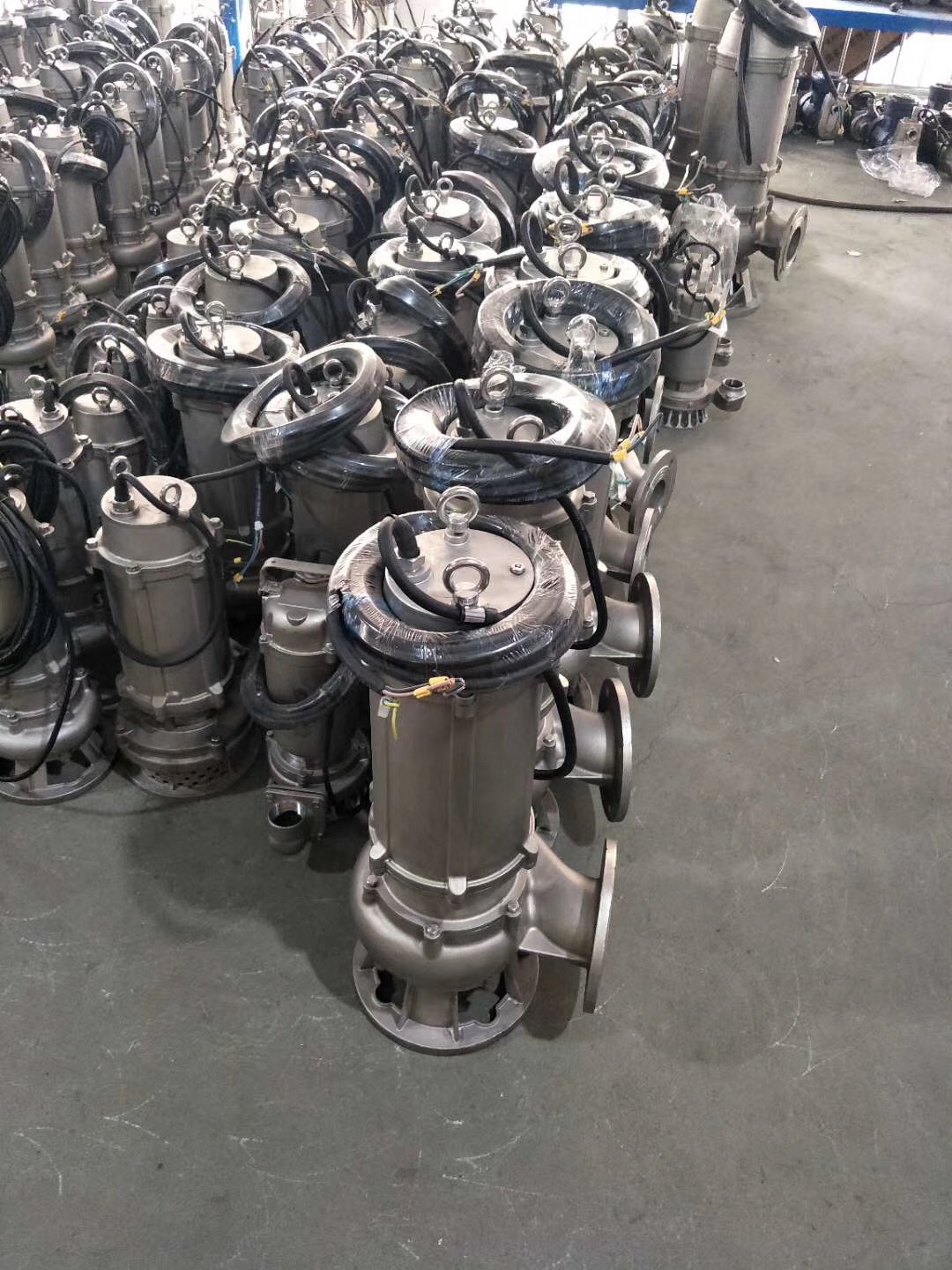
Performance & Engineering
Slurry pump performance is governed by a complex interplay of hydraulic forces, material properties, and slurry characteristics. Key performance indicators include flow rate, head (pressure), and pump efficiency. Force analysis focuses on understanding stresses induced by slurry impact, centrifugal forces (in rotating components), and hydrostatic pressure. The impeller design is crucial for maximizing hydraulic efficiency and minimizing wear. Vaned diffusers are used to convert kinetic energy into pressure, reducing velocity and minimizing energy losses. Environmental resistance is paramount; components must withstand abrasive wear, erosive corrosion, and potentially, chemical attack. Compliance requirements vary depending on the application. For example, pumps used in food processing must meet sanitary standards (e.g., 3-A Sanitary Standards). Pumps used in hazardous environments require adherence to explosion-proof standards (e.g., ATEX, IECEx). Functional implementation considerations include proper bearing selection (to support shaft loads and minimize friction), seal design (to prevent leakage), and lubrication systems (to reduce wear and maintain component integrity). Cavitation, a phenomenon where vapor bubbles form and collapse within the pump, is a major concern, as it can cause significant erosion damage. Proper net positive suction head (NPSH) calculations and impeller design are essential to prevent cavitation.
Technical Specifications
| Component | Material | Hardness (HRC) | Tensile Strength (MPa) |
|---|---|---|---|
| Impeller | High-Chrome Cast Iron (18-22% Cr) | 58-62 | 400-550 |
| Volute Casing | High-Chrome Cast Iron (18-22% Cr) | 55-60 | 350-500 |
| Shaft | 4140 Steel | 30-35 | 800-1000 |
| Liner | Rubber (Natural or Synthetic) | 60-70 (Shore A) | 10-20 |
| Bearing Housing | Cast Iron (Gray Iron) | 180-220 BHN | 200-300 |
| Seal (Mechanical) | Silicon Carbide/Tungsten Carbide | N/A | N/A |
Failure Mode & Maintenance
Slurry pump components are susceptible to various failure modes, including abrasive wear (loss of material due to particle impact), erosive corrosion (accelerated corrosion due to slurry flow), fatigue cracking (failure due to cyclic loading), and cavitation erosion. Abrasive wear is most prominent in impellers, volute casings, and liners. Erosive corrosion affects components exposed to corrosive slurries, particularly at high flow velocities. Fatigue cracking can occur in shafts and impellers due to repeated stress cycles. Cavitation erosion results in pitting and material loss on impeller blades and casing surfaces. Failure analysis involves visual inspection, metallographic examination, and non-destructive testing (NDT) methods (e.g., ultrasonic testing, radiography) to identify the root cause of failure. Preventive maintenance is crucial. Regular inspections should be conducted to detect early signs of wear or damage. Component replacement should be scheduled based on operating hours and wear rate. Proper lubrication of bearings is essential. Slurry composition monitoring and control can help minimize corrosion and abrasion. Impeller balancing is necessary to reduce vibration and extend bearing life. Regular cleaning of pump casings and impellers prevents buildup of solids and maintains hydraulic efficiency. When replacing components, it is critical to use materials that are compatible with the slurry being pumped and to follow proper installation procedures.
Industry FAQ
Q: What are the key differences between high-chrome cast iron and stainless steel for slurry pump components?
A: High-chrome cast iron excels in abrasion resistance due to its hard chromium carbides, making it ideal for handling highly abrasive slurries with minimal corrosion concerns. Stainless steel, particularly austenitic grades like 304 or 316, offers significantly better corrosion resistance, essential when dealing with corrosive slurries. However, it's generally less resistant to abrasion. The choice depends on the slurry’s composition; if corrosion is dominant, stainless steel is preferable. If abrasion is the primary concern, high-chrome iron is the better option. Duplex stainless steels attempt to balance both properties.
Q: How does impeller design affect pump efficiency and wear life?
A: Impeller design profoundly impacts pump performance. A well-designed impeller maximizes hydraulic efficiency by converting kinetic energy into pressure with minimal losses. Blade angle, blade shape, and impeller diameter are critical parameters. Impellers designed with a larger inlet area and smoother flow paths reduce turbulence and cavitation. Impeller designs incorporating wear-resistant materials and surface hardening treatments significantly extend component life, particularly in abrasive slurry applications.
Q: What are the common causes of cavitation in slurry pumps and how can it be prevented?
A: Cavitation occurs when the absolute pressure at the pump inlet falls below the vapor pressure of the slurry, creating vapor bubbles that collapse violently, causing erosion damage. Common causes include insufficient NPSH available, high slurry viscosity, and high pump speed. Prevention involves ensuring adequate NPSH available (by raising the liquid level in the suction tank or reducing suction line losses), selecting a pump with a lower NPSH requirement, reducing pump speed, and minimizing slurry viscosity.
Q: What are the best practices for selecting mechanical seals for slurry pump applications?
A: Mechanical seal selection requires careful consideration of slurry properties (abrasiveness, corrosivity, solids content), operating pressure, and temperature. Materials like silicon carbide and tungsten carbide are commonly used for seal faces due to their hardness and wear resistance. Seal designs incorporating flushing systems help remove abrasive particles from the seal faces, extending seal life. Proper seal installation and alignment are critical to prevent leakage.
Q: How important is regular monitoring of slurry composition and its impact on pump component life?
A: Regular monitoring of slurry composition is extremely important. Changes in solids concentration, particle size distribution, or chemical composition can dramatically affect pump component life. Increased solids concentration accelerates abrasive wear. Corrosive components increase the rate of corrosion. Monitoring allows for proactive adjustments to pump operating parameters (e.g., flow rate, speed) or material selection to mitigate the impact of slurry changes.
Conclusion
China metal slurry pump components represent a significant aspect of global industrial fluid handling solutions. Successful implementation and longevity hinge upon a comprehensive understanding of material science, manufacturing precision, and operational parameters. Careful selection of materials based on slurry composition, coupled with robust manufacturing processes and proactive maintenance strategies, are critical for minimizing downtime and maximizing pump efficiency.
Future developments will likely focus on advanced materials (e.g., ceramic composites, improved alloys), optimized impeller designs utilizing computational fluid dynamics (CFD), and intelligent monitoring systems for predictive maintenance. Continued refinement of these aspects will be essential to meet the evolving demands of industries reliant on reliable and cost-effective slurry pumping solutions.
-
Precision at the Pump: How Better Machining Protects Flow and Uptime
News2026-11-20
-
Why Pump Reliability Begins Before the First Drop of Fluid
News2026-11-20
-
Beyond the Pump: Designing Safer Access Around Critical Water Infrastructure
News2026-11-20
-
Why Pumping Stations Depend on the Infrastructure Beneath the Pumps
News2026-11-20
-
Beyond the Pump Room: How Smarter Loading Protects Industrial Equipment
News2026-11-19
-
When Pumps Stop: Designing More Resilient Power for Critical Pumping Systems
News2026-11-19
-
The Hidden Role of Dust and Gas Monitoring in Reliable Pump Operations
News2026-11-19
-
The Hidden Role of Mineral Compounds in Extending Industrial Pump Lifespan
News2026-10-12
-
Why Pump System Reliability Depends on Precision Hose Assembly Methods
News2026-09-15
-
How Advanced Imaging Films Are Transforming Pump Component Quality Control
News2026-08-25
-
How Advanced Filtration Protects Pump Systems from Premature Wear and Costly Downtime
News2026-08-25
-
How Steel Material Selection Drives Pump Reliability in Heavy-Duty Systems
News2026-08-25
-
Ensuring Pump System Efficiency: The Role of High-Quality Pipe Fittings and Tubing
News2026-08-24
-
Optimizing Fluid Dynamics and Material Consistency in Industrial Processing
News2026-08-18
-
Innovations and Challenges in Hydraulic Systems for Heavy Machinery
News2026-08-13




