English
- Afrikaans
- Albanian
- Amharic
- Arabic
- Armenian
- Azerbaijani
- Basque
- Belarusian
- Bengali
- Bosnian
- Bulgarian
- Catalan
- Cebuano
- Corsican
- Croatian
- Czech
- Danish
- Dutch
- English
- Esperanto
- Estonian
- Finnish
- French
- Frisian
- Galician
- Georgian
- German
- Greek
- Gujarati
- Haitian Creole
- hausa
- hawaiian
- Hebrew
- Hindi
- Miao
- Hungarian
- Icelandic
- igbo
- Indonesian
- irish
- Italian
- Japanese
- Javanese
- Kannada
- kazakh
- Khmer
- Rwandese
- Korean
- Kurdish
- Kyrgyz
- Lao
- Latin
- Latvian
- Lithuanian
- Luxembourgish
- Macedonian
- Malgashi
- Malay
- Malayalam
- Maltese
- Maori
- Marathi
- Mongolian
- Myanmar
- Nepali
- Norwegian
- Norwegian
- Occitan
- Pashto
- Persian
- Polish
- Portuguese
- Punjabi
- Romanian
- Russian
- Samoan
- Scottish Gaelic
- Serbian
- Sesotho
- Shona
- Sindhi
- Sinhala
- Slovak
- Slovenian
- Somali
- Spanish
- Sundanese
- Swahili
- Swedish
- Tagalog
- Tajik
- Tamil
- Tatar
- Telugu
- Thai
- Turkish
- Turkmen
- Ukrainian
- Urdu
- Uighur
- Uzbek
- Vietnamese
- Welsh
- Bantu
- Yiddish
- Yoruba
- Zulu

Telephone: +86 13120555503
Email: frank@cypump.com


Apr . 01, 2024 17:55 Back to list
china double suction water pump Performance Analysis
Introduction
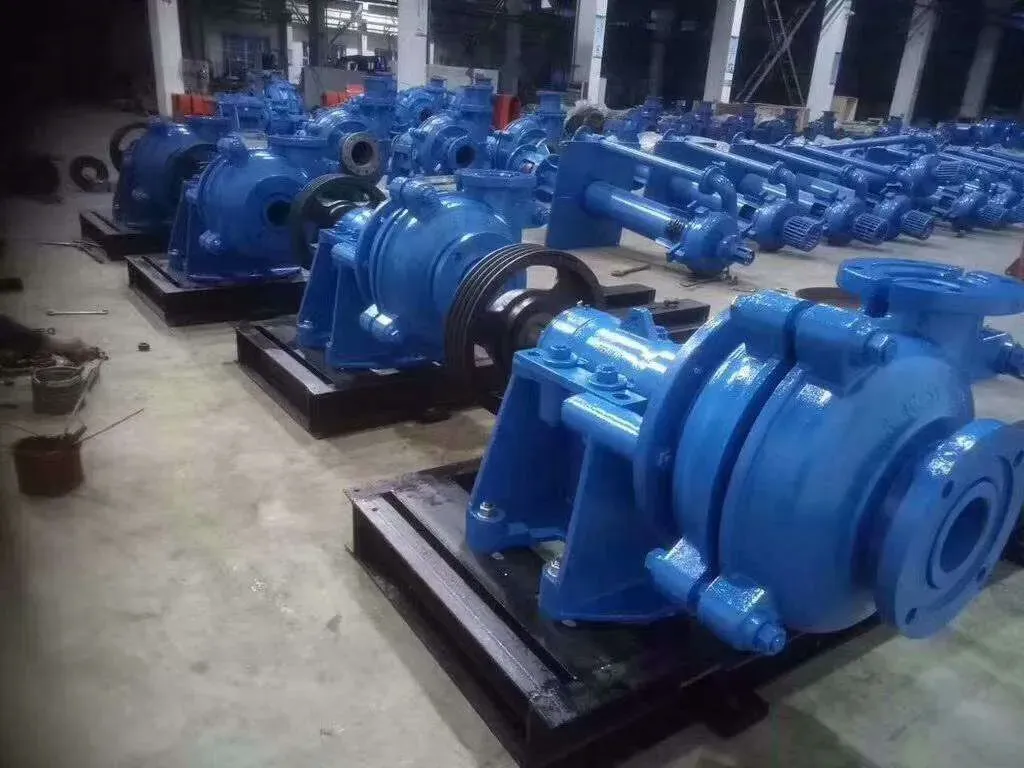
The China double suction water pump is a centrifugal pump design characterized by impeller suction from both sides, increasing hydraulic efficiency and reducing axial thrust. Positioned within the industrial fluid transfer chain, it serves as a critical component in water supply, irrigation, fire protection systems, and industrial process cooling. Its core performance characteristics revolve around high flow rates, moderate head pressure, and robust construction for continuous operation. These pumps address a significant industry pain point – the need for reliable, high-volume fluid transport in demanding applications where single-suction pumps may be insufficient or prone to cavitation. Double suction design inherently improves Net Positive Suction Head Required (NPSHr), leading to more stable and efficient operation, particularly when dealing with varying fluid levels or suction conditions. The growing demand for efficient water management and industrial expansion within China and globally drives continuous advancements in this pump technology, focusing on improved materials, hydraulic designs, and monitoring capabilities.
Material Science & Manufacturing
The primary materials for China double suction water pumps include cast iron (ASTM A126 Class 30 or equivalent GB/T 9303), stainless steel (304, 316 – ASTM A351 or equivalent GB/T 1270), and ductile iron (QT450-10 – GB/T 9301). Cast iron is common for housings due to its cost-effectiveness and machinability, though it's susceptible to corrosion. Stainless steel is favored for applications requiring chemical resistance or potable water handling. Ductile iron provides enhanced strength and impact resistance. Impellers are often manufactured from cast iron, bronze (CC484K – GB/T 4657), or engineered polymers depending on the fluid being pumped and its abrasive content. Shafts are typically made from carbon steel (45# – GB/T 8170) with heat treatment for increased tensile strength and wear resistance. Manufacturing processes involve sand casting for housings and impellers, followed by precision machining for critical dimensions. Welding is employed for joining components, requiring qualified welders and adherence to standards like AWS D1.1. Parameter control during casting focuses on minimizing porosity and ensuring proper alloy composition. Machining tolerances are tightly controlled to maintain hydraulic efficiency and prevent vibration. Surface treatments such as epoxy coating or galvanization are often applied to cast iron components for corrosion protection. The manufacturing process faces the challenge of balancing cost-effectiveness with achieving stringent quality control to meet international performance standards.
Performance & Engineering
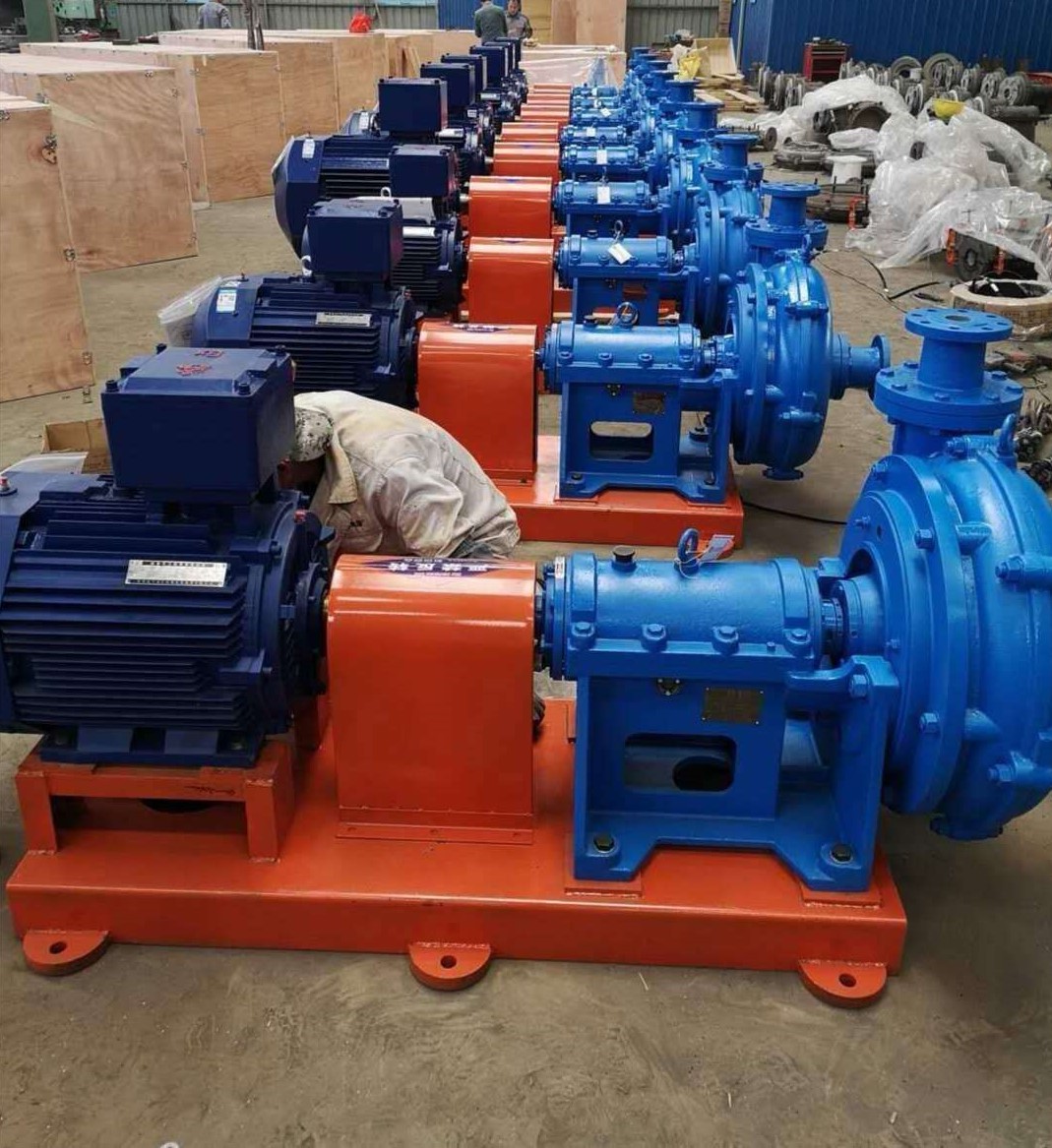
Performance analysis of double suction pumps centers on hydraulic efficiency, Net Positive Suction Head Required (NPSHr), and cavitation prevention. Force analysis considers radial and axial thrust generated by the impeller, necessitating robust bearing design and shaft support. Environmental resistance involves selecting materials compatible with the pumped fluid, including considerations for temperature, pH, and solid particle content. Double suction pumps exhibit a flatter performance curve compared to single-suction designs, maintaining efficiency across a wider range of flow rates. Engineering considerations include impeller geometry (blade angle, number of blades), volute casing design, and shaft sealing arrangements (mechanical seals, packing). Compliance requirements include adherence to ISO 9906 for pump testing and performance evaluation, and potentially API 610 for more demanding applications. The pumps are designed to handle a wide range of specific gravity fluids, typically water, but can be adapted for other liquids with appropriate material selection. Proper pump selection requires matching the pump curve to the system curve, considering factors like static head, friction losses, and desired flow rate. Variable Frequency Drives (VFDs) are increasingly used to optimize pump performance and energy consumption by adjusting the pump speed to match demand.
Technical Specifications
| Capacity (m³/h) | Head (m) | Motor Power (kW) | Impeller Diameter (mm) |
|---|---|---|---|
| 60-600 | 10-60 | 5.5-132 | 200-600 |
| 100-800 | 20-80 | 15-200 | 250-700 |
| 150-1000 | 30-100 | 30-250 | 300-800 |
| 200-1200 | 40-120 | 55-315 | 350-900 |
| 300-1500 | 50-150 | 75-400 | 400-1000 |
| 400-2000 | 60-180 | 110-500 | 450-1100 |
Failure Mode & Maintenance
Common failure modes for China double suction water pumps include cavitation (leading to impeller erosion), bearing failure (due to improper lubrication or overload), shaft misalignment (causing vibration and seal failure), and corrosion (affecting pump casings and impellers). Cavitation occurs when the suction pressure drops below the vapor pressure of the liquid, forming bubbles that collapse and damage the impeller. Bearing failure can manifest as excessive noise, heat, or reduced pump performance. Shaft misalignment results from improper coupling alignment or foundation settlement. Corrosion is accelerated by aggressive fluids or inadequate protective coatings. Failure analysis typically involves visual inspection, vibration analysis, oil analysis, and non-destructive testing (NDT) methods like ultrasonic testing (UT) and magnetic particle inspection (MPI). Preventive maintenance includes regular lubrication of bearings, inspection of seals, alignment checks, and corrosion protection. Corrective maintenance involves replacing worn or damaged components, such as bearings, seals, and impellers. Implementing a condition monitoring program with vibration sensors and temperature sensors can provide early warning of potential failures. Proper pump alignment, adequate suction head, and appropriate material selection are crucial for extending pump lifespan and minimizing downtime. Following manufacturer’s recommended maintenance schedules is paramount.
Industry FAQ
Q: What is the primary advantage of a double suction pump over a single suction pump?
A: The primary advantage is increased flow capacity and reduced NPSHr. The double suction design allows the pump to draw water from both sides of the impeller, effectively doubling the inlet area and decreasing the velocity, which lowers the risk of cavitation and increases overall efficiency, particularly in applications with varying suction conditions.
Q: What material selection is recommended for pumping corrosive fluids?
A: For corrosive fluids, stainless steel (316 is preferred for highly corrosive environments) or specialized alloy materials like Hastelloy are recommended. The pump casing, impeller, and shaft seals should all be constructed from corrosion-resistant materials to prevent premature failure.
Q: How can I mitigate the risk of cavitation in a double suction pump?
A: Mitigation strategies include ensuring adequate NPSHa (Net Positive Suction Head Available) by maintaining sufficient suction lift or submergence, minimizing suction line losses, and operating the pump within its specified operating range. Regularly inspect the impeller for signs of cavitation damage.
Q: What are the typical maintenance requirements for mechanical seals?
A: Mechanical seals require regular inspection for leaks and wear. Ensure proper lubrication and cooling of the seal faces. Replace seals proactively based on manufacturer recommendations and operating conditions. Monitor seal chamber pressure to detect potential seal failure.
Q: What is the importance of proper pump alignment?
A: Proper pump alignment is critical for minimizing vibration, extending bearing life, and preventing seal failure. Misalignment introduces stresses on the shaft and bearings, leading to premature wear and potential catastrophic failure. Regular alignment checks using laser alignment tools are recommended.
Conclusion
The China double suction water pump represents a robust and efficient solution for high-volume fluid transfer applications. Its performance is fundamentally tied to material science, precise manufacturing, and adherence to stringent engineering principles. Understanding the potential failure modes and implementing a comprehensive maintenance program are crucial for maximizing pump reliability and minimizing lifecycle costs.
Ongoing advancements in pump design, materials, and monitoring technologies will continue to enhance the performance and efficiency of these pumps, addressing evolving industry needs for sustainable and cost-effective fluid management solutions. The continued focus on quality control and compliance with international standards will further solidify the position of China-manufactured double suction pumps in the global market.
-
Effluent vs Sump Pump Performance Analysis
News2026-05-22
-
effluent septic pump Performance Engineering
News2026-05-22
-
best sewer pumps Performance Engineering
News2026-05-22
-
best sewer pump Performance Analysis
News2026-05-22
-
best sewage pumps Performance Engineering
News2026-05-22
-
basement bathroom sewage pump Material Science Manufacturing
News2026-05-21
-
wastewater treatment plant pumps Material Science Manufacturing
News2026-05-21
-
waste water pump for basement Material Science Manufacturing
News2026-05-21
-
sump pump sewage Performance Analysis
News2026-05-21
-
sump pump for sewage Material Science and Manufacturing
News2026-05-21
-
sump pump for septic systems Material Science Manufacturing
News2026-05-20
-
sump pump and ejector pump Material Science Manufacturing
News2026-05-20
-
sewage treatment plant pumps Performance Analysis
News2026-05-20
-
sewage tank pump Material Science and Manufacturing
News2026-05-20
-
sewage pump for septic tank Performance Analysis
News2026-05-20




