English
- Afrikaans
- Albanian
- Amharic
- Arabic
- Armenian
- Azerbaijani
- Basque
- Belarusian
- Bengali
- Bosnian
- Bulgarian
- Catalan
- Cebuano
- Corsican
- Croatian
- Czech
- Danish
- Dutch
- English
- Esperanto
- Estonian
- Finnish
- French
- Frisian
- Galician
- Georgian
- German
- Greek
- Gujarati
- Haitian Creole
- hausa
- hawaiian
- Hebrew
- Hindi
- Miao
- Hungarian
- Icelandic
- igbo
- Indonesian
- irish
- Italian
- Japanese
- Javanese
- Kannada
- kazakh
- Khmer
- Rwandese
- Korean
- Kurdish
- Kyrgyz
- Lao
- Latin
- Latvian
- Lithuanian
- Luxembourgish
- Macedonian
- Malgashi
- Malay
- Malayalam
- Maltese
- Maori
- Marathi
- Mongolian
- Myanmar
- Nepali
- Norwegian
- Norwegian
- Occitan
- Pashto
- Persian
- Polish
- Portuguese
- Punjabi
- Romanian
- Russian
- Samoan
- Scottish Gaelic
- Serbian
- Sesotho
- Shona
- Sindhi
- Sinhala
- Slovak
- Slovenian
- Somali
- Spanish
- Sundanese
- Swahili
- Swedish
- Tagalog
- Tajik
- Tamil
- Tatar
- Telugu
- Thai
- Turkish
- Turkmen
- Ukrainian
- Urdu
- Uighur
- Uzbek
- Vietnamese
- Welsh
- Bantu
- Yiddish
- Yoruba
- Zulu

Telephone: +86 13120555503
Email: frank@cypump.com


Apr . 01, 2024 17:55 Back to list
china buccaneer slurry pumps efficient and reliable solutions
Introduction
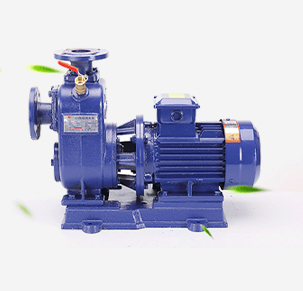
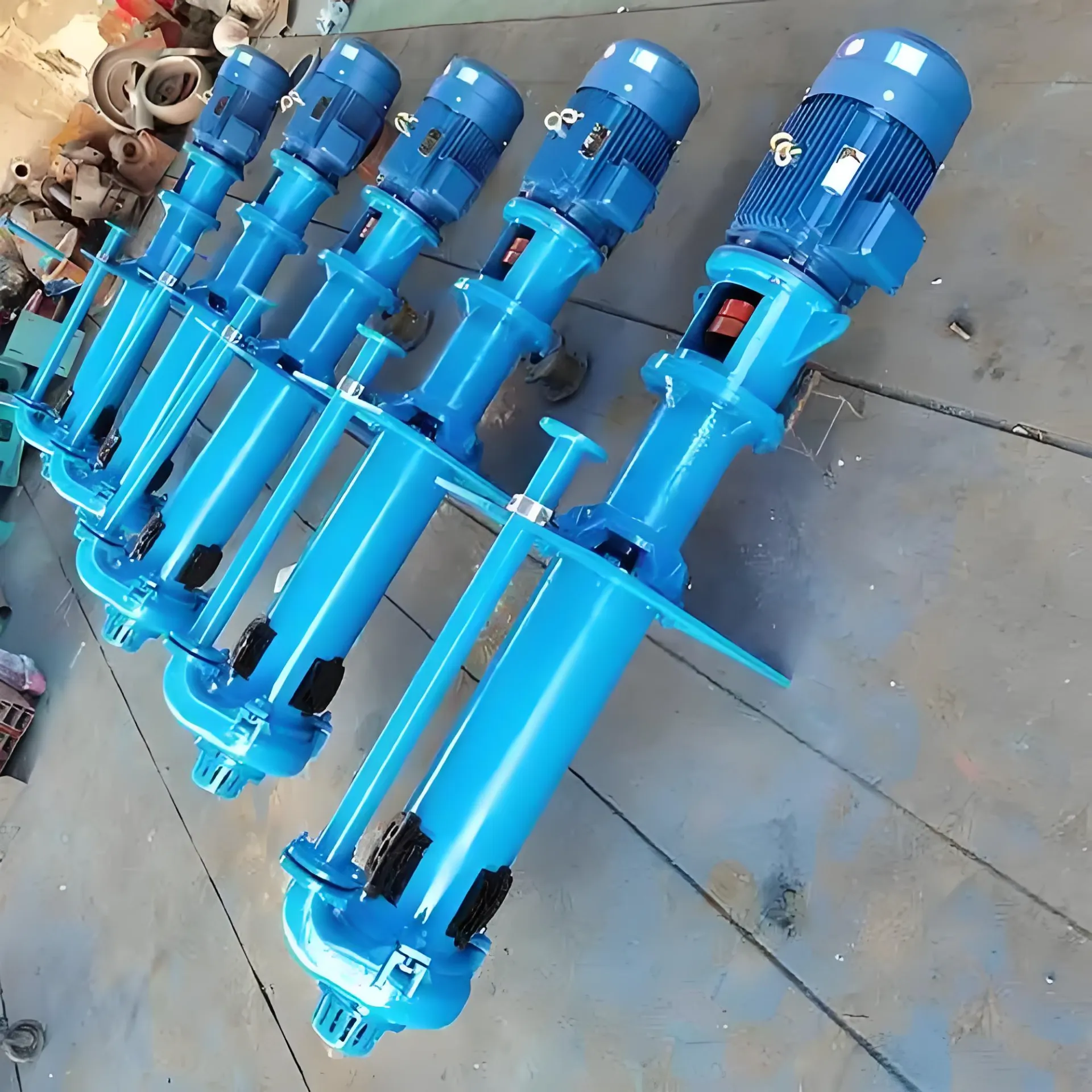
China Buccaneer slurry pumps represent a significant advancement in solid-liquid handling technology, primarily employed across a spectrum of industrial applications including mining, wastewater treatment, chemical processing, and dredging. These pumps are characterized by their robust construction, high efficiency, and ability to handle abrasive and corrosive slurries. Positioned within the industry chain, they bridge the gap between raw material processing and downstream fluid transport, often replacing less efficient and durable centrifugal pumps in demanding environments. Core performance metrics center around volumetric flow rate (m³/h), head pressure (meters), solids handling capability (particle size & concentration), and overall operational lifespan. The increasing demands for sustainable and cost-effective operations within these industries drive the need for pumps offering minimal downtime, reduced energy consumption, and extended service intervals, a requirement Buccaneer pumps aim to address. A critical pain point in slurry pump applications is premature wear due to abrasive particles, leading to frequent maintenance and production losses. Buccaneer pumps utilize specific material selections and hydraulic designs to mitigate these issues.
Material Science & Manufacturing
The core material selection for China Buccaneer slurry pumps largely revolves around high-chrome cast iron (typically A532 Grade 1) for the casing, impeller, and liner components. This alloy exhibits exceptional resistance to abrasive wear, owing to the formation of hard chromium carbides within the iron matrix. The specific chemical composition (approximately 27-32% Chromium, 2-3% Carbon, 1-2% Nickel, with balance Iron) is crucial in determining the hardness and wear resistance. Alternative materials are employed for specific slurry compositions, including stainless steel (316, 304) for corrosive environments and polyurethane elastomers for highly abrasive, low-impact slurries. Manufacturing processes involve sand casting for the major components, followed by precision machining to ensure dimensional accuracy and smooth surface finish. Impellers are often manufactured using lost-wax investment casting for intricate designs. Welding processes, predominantly shielded metal arc welding (SMAW) or gas tungsten arc welding (GTAW), are utilized for joining components, adhering to ISO 5817 standards for weld quality. Parameter control during casting is paramount; specifically, cooling rates are carefully regulated to minimize residual stresses and ensure proper carbide distribution within the high-chrome iron. Heat treatment, typically involving quenching and tempering, further enhances the material properties. The impeller's hydraulic profile is optimized through computational fluid dynamics (CFD) simulations to maximize efficiency and minimize cavitation.
Performance & Engineering
The performance of Buccaneer slurry pumps is deeply rooted in hydraulic engineering principles. Force analysis focuses on understanding the shear stress exerted by the slurry on the impeller and casing, particularly at the inlet and discharge points. Cavitation is a primary concern, mitigated through optimized impeller design (specifically the vane angle and number of vanes) and maintaining sufficient Net Positive Suction Head Available (NPSHA). Environmental resistance is addressed through material selection and protective coatings. For example, pumps operating in saltwater environments require the use of duplex stainless steel or specialized epoxy coatings to prevent corrosion. Compliance requirements are stringent, demanding adherence to standards like ISO 9906 (rotodynamic pumps – hydraulic performance), ISO 5199 (hydraulic turbines – classification and parameters) and potentially API 610 (centrifugal pumps – refinery service) depending on the specific application. The pump's mechanical seal design (typically a double mechanical seal with barrier fluid) is critical for preventing leakage and protecting the bearings. Bearing selection considers the radial and axial loads imposed by the slurry, utilizing heavy-duty roller bearings with appropriate lubrication systems. Finite Element Analysis (FEA) is employed to validate the structural integrity of the pump components under various operating conditions.
Technical Specifications
| Parameter | Unit | Typical Value (Model BG150) | Typical Value (Model BG200) |
|---|---|---|---|
| Flow Rate | m³/h | 15-60 | 30-120 |
| Head | m | 10-30 | 20-45 |
| Maximum Solids Size | mm | 50 | 80 |
| Slurry Concentration (Max) | % by Weight | 60 | 65 |
| Casing Material | - | High Chrome Cast Iron (A532 Gr. 1) | High Chrome Cast Iron (A532 Gr. 1) |
| Impeller Material | - | High Chrome Cast Iron (A532 Gr. 1) | High Chrome Cast Iron (A532 Gr. 1) |
Failure Mode & Maintenance
Failure modes in Buccaneer slurry pumps commonly include impeller wear, liner erosion, mechanical seal failure, and bearing degradation. Impeller wear is primarily caused by abrasive particles impacting the vane surfaces, leading to material loss and reduced pump efficiency. Liner erosion occurs similarly within the pump casing. Failure Analysis reveals that inadequate NPSHA, improper slurry concentration, or the presence of large, hard particles significantly accelerate these wear processes. Mechanical seal failure often stems from abrasive particles infiltrating the seal faces, causing damage and leakage, or from thermal expansion/contraction issues. Bearing degradation is usually a consequence of insufficient lubrication, misalignment, or excessive radial/axial loads. Preventative maintenance is critical. This includes regular inspections of wear parts (impeller, liner, seals), lubrication of bearings, vibration analysis to detect imbalances, and monitoring of pump performance parameters (flow rate, pressure, power consumption). Replacing wear parts proactively, based on wear rate predictions, minimizes downtime. Periodic flushing of the pump casing removes abrasive deposits. Selecting the appropriate material for the specific slurry composition is paramount to extending component life. A robust preventative maintenance schedule, coupled with comprehensive operator training, is essential for maximizing the operational lifespan and minimizing lifecycle costs.
Industry FAQ
Q: What is the expected lifespan of a Buccaneer pump impeller when handling 80% solids by weight silica slurry?
A: The lifespan of the impeller when handling 80% silica slurry depends heavily on the particle size distribution and slurry velocity. However, with a high-chrome iron impeller, we typically anticipate a lifespan of 6-12 months under continuous operation, assuming proper maintenance and adherence to recommended operating parameters. Regular monitoring of impeller wear using non-destructive testing methods (e.g., ultrasonic thickness testing) is advised.
Q: How does the pump handle fluctuations in slurry concentration?
A: Buccaneer pumps are designed to tolerate some degree of fluctuation in slurry concentration. However, significant and rapid changes can induce hydraulic shock and potentially damage the impeller. Incorporating a surge tank or flow control valve upstream of the pump can help mitigate these fluctuations.
Q: What is the recommended maintenance schedule for the mechanical seal?
A: The mechanical seal should be inspected every 3-6 months, depending on the abrasiveness of the slurry. Flush lines should be verified for proper flow and cleanliness. The seal faces should be examined for wear or damage. Complete seal replacement is recommended every 12-18 months, or as indicated by performance degradation (increased leakage).
Q: Can these pumps handle slurries with high levels of corrosive acids?
A: While high-chrome iron provides good abrasion resistance, it's limited in its corrosion resistance. For highly corrosive slurries, we recommend utilizing pumps constructed from stainless steel alloys (316, duplex stainless steel) or incorporating specialized rubber or polymer liners and seals. A chemical compatibility assessment is crucial prior to pump selection.
Q: What are the energy efficiency considerations for Buccaneer pumps compared to other slurry pump types?
A: Buccaneer pumps are designed for high hydraulic efficiency, particularly at their optimal operating point. Compared to traditional centrifugal pumps handling similar slurries, they typically exhibit lower energy consumption due to their positive displacement characteristics and optimized impeller geometry. Variable Frequency Drives (VFDs) can further enhance energy efficiency by adjusting pump speed to match flow rate requirements.
Conclusion
China Buccaneer slurry pumps represent a technologically advanced and reliable solution for challenging solid-liquid handling applications. Their robust construction, optimized hydraulic design, and material selection contribute to extended service life and reduced operational costs. The ability to tailor material choices to specific slurry compositions is a key advantage.
Looking ahead, continued advancements in materials science, particularly the development of novel wear-resistant alloys and coatings, will further enhance the performance and durability of these pumps. Integration of smart sensors and predictive maintenance algorithms will enable proactive monitoring and optimization, minimizing downtime and maximizing efficiency. Buccaneer pumps are positioned to remain a critical component in industries reliant on efficient and dependable slurry handling.
-
Precision at the Pump: How Better Machining Protects Flow and Uptime
News2026-11-20
-
Why Pump Reliability Begins Before the First Drop of Fluid
News2026-11-20
-
Beyond the Pump: Designing Safer Access Around Critical Water Infrastructure
News2026-11-20
-
Why Pumping Stations Depend on the Infrastructure Beneath the Pumps
News2026-11-20
-
Beyond the Pump Room: How Smarter Loading Protects Industrial Equipment
News2026-11-19
-
When Pumps Stop: Designing More Resilient Power for Critical Pumping Systems
News2026-11-19
-
The Hidden Role of Dust and Gas Monitoring in Reliable Pump Operations
News2026-11-19
-
The Hidden Role of Mineral Compounds in Extending Industrial Pump Lifespan
News2026-10-12
-
Why Pump System Reliability Depends on Precision Hose Assembly Methods
News2026-09-15
-
How Advanced Imaging Films Are Transforming Pump Component Quality Control
News2026-08-25
-
How Advanced Filtration Protects Pump Systems from Premature Wear and Costly Downtime
News2026-08-25
-
How Steel Material Selection Drives Pump Reliability in Heavy-Duty Systems
News2026-08-25
-
Ensuring Pump System Efficiency: The Role of High-Quality Pipe Fittings and Tubing
News2026-08-24
-
Optimizing Fluid Dynamics and Material Consistency in Industrial Processing
News2026-08-18
-
Innovations and Challenges in Hydraulic Systems for Heavy Machinery
News2026-08-13




