English
- Afrikaans
- Albanian
- Amharic
- Arabic
- Armenian
- Azerbaijani
- Basque
- Belarusian
- Bengali
- Bosnian
- Bulgarian
- Catalan
- Cebuano
- Corsican
- Croatian
- Czech
- Danish
- Dutch
- English
- Esperanto
- Estonian
- Finnish
- French
- Frisian
- Galician
- Georgian
- German
- Greek
- Gujarati
- Haitian Creole
- hausa
- hawaiian
- Hebrew
- Hindi
- Miao
- Hungarian
- Icelandic
- igbo
- Indonesian
- irish
- Italian
- Japanese
- Javanese
- Kannada
- kazakh
- Khmer
- Rwandese
- Korean
- Kurdish
- Kyrgyz
- Lao
- Latin
- Latvian
- Lithuanian
- Luxembourgish
- Macedonian
- Malgashi
- Malay
- Malayalam
- Maltese
- Maori
- Marathi
- Mongolian
- Myanmar
- Nepali
- Norwegian
- Norwegian
- Occitan
- Pashto
- Persian
- Polish
- Portuguese
- Punjabi
- Romanian
- Russian
- Samoan
- Scottish Gaelic
- Serbian
- Sesotho
- Shona
- Sindhi
- Sinhala
- Slovak
- Slovenian
- Somali
- Spanish
- Sundanese
- Swahili
- Swedish
- Tagalog
- Tajik
- Tamil
- Tatar
- Telugu
- Thai
- Turkish
- Turkmen
- Ukrainian
- Urdu
- Uighur
- Uzbek
- Vietnamese
- Welsh
- Bantu
- Yiddish
- Yoruba
- Zulu

Telephone: +86 13120555503
Email: frank@cypump.com


Apr . 01, 2024 17:55 Back to list
china ansi double suction pump Performance Analysis
Introduction
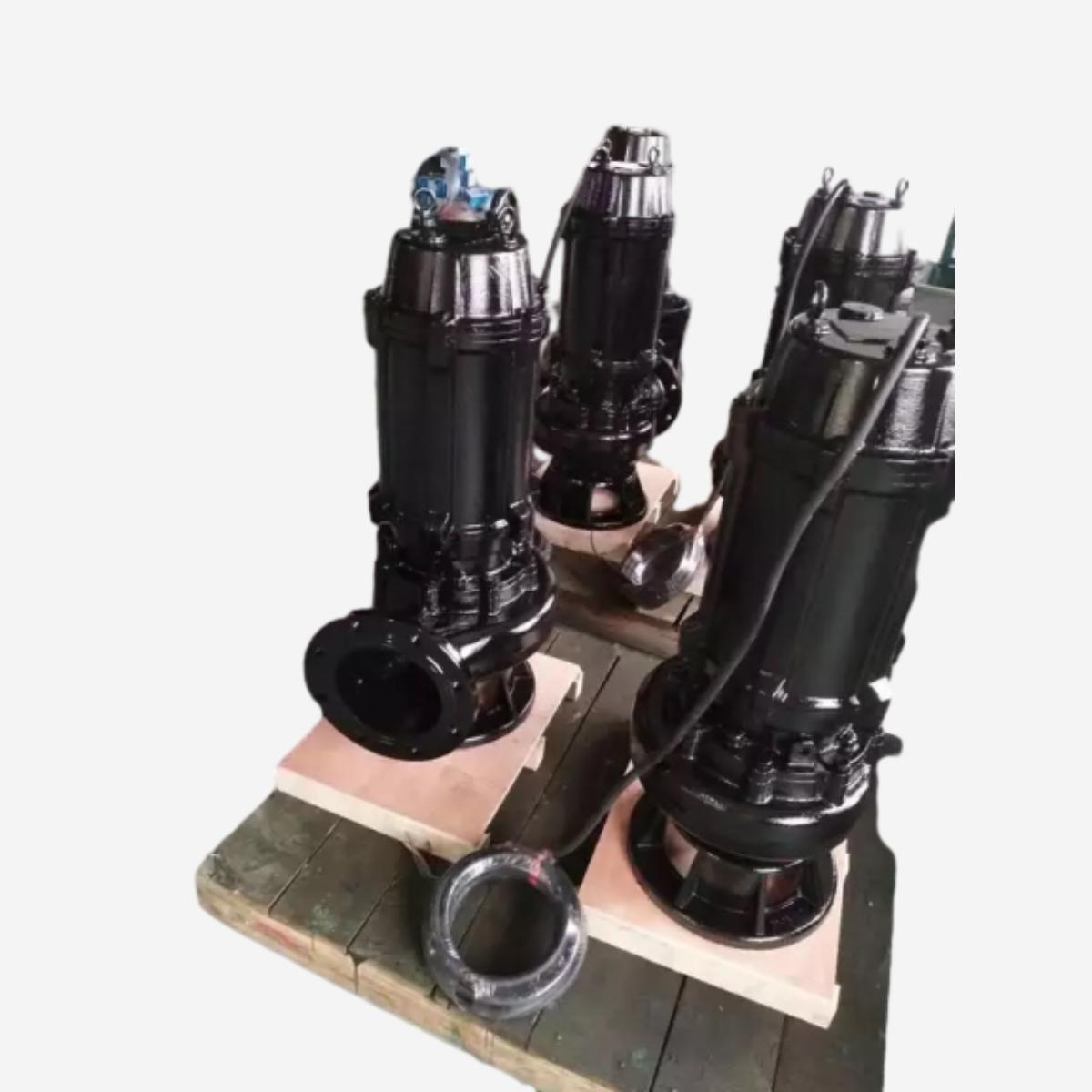
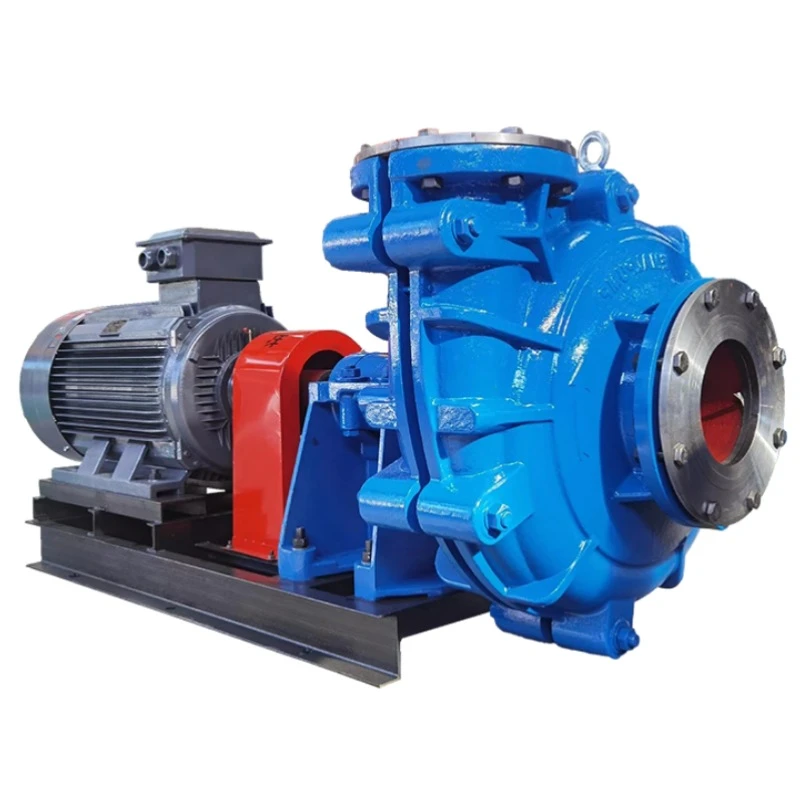
The China ANSI double suction pump represents a critical component in numerous industrial fluid transfer applications. Positioned within the centrifugal pump family, these pumps are specifically designed for handling large volumes of relatively clean liquids. Their double-suction impeller configuration minimizes axial thrust, enabling stable operation at higher flow rates and pressures compared to single-suction designs. The 'ANSI' designation signifies adherence to the American National Standards Institute standards, influencing dimensional interchangeability and performance characteristics, though manufactured in China. Core performance metrics include flow rate (typically measured in gallons per minute or cubic meters per hour), head (expressed in feet or meters), and efficiency (as a percentage). A key industry pain point is balancing initial cost with long-term reliability, particularly regarding impeller and seal longevity under abrasive or corrosive conditions. Ensuring compliance with varying regional regulations and managing supply chain logistics also present ongoing challenges for end-users.
Material Science & Manufacturing
The primary materials utilized in China ANSI double suction pump construction are cast iron (typically ASTM A48 Class 30 for casings and impellers in lower-pressure applications), ductile iron (ASTM A536-89 Grade 65-45 for higher pressure and improved tensile strength), and stainless steel (304, 316, or duplex grades for corrosive fluid handling). The choice of material directly impacts corrosion resistance, erosion resistance, and overall pump lifespan. Manufacturing begins with pattern making and sand casting for the casing and impeller. Critical parameters during casting include sand composition, melt temperature, and cooling rate to minimize defects like porosity and shrinkage. Impellers often undergo precision machining to achieve accurate hydraulic profiles. Shafts are typically forged from carbon steel (e.g., 4140) and hardened/tempered for high torsional strength. Seals are often comprised of mechanical seals utilizing materials like silicon carbide, tungsten carbide, and elastomers (Viton, EPDM) chosen for chemical compatibility with the pumped fluid. Welding procedures, if employed (e.g., for repair or fabrication), require strict adherence to ASME Section IX to ensure weld integrity. Post-manufacturing, pumps undergo hydrostatic testing to verify casing pressure capability and dynamic balancing to minimize vibration during operation. A common manufacturing issue involves inconsistent material sourcing, leading to variations in mechanical properties and potential premature failure.
Performance & Engineering
Performance of a China ANSI double suction pump is governed by the affinity laws for centrifugal pumps: flow rate is proportional to speed, head is proportional to the square of speed, and power is proportional to the cube of speed. Engineering considerations include Net Positive Suction Head Required (NPSHr) – a critical parameter to prevent cavitation, which can severely damage the impeller. Cavitation occurs when the absolute pressure at the pump suction falls below the vapor pressure of the liquid, forming vapor bubbles that collapse violently. Pump selection must account for the system's Net Positive Suction Head Available (NPSHa), ensuring NPSHa > NPSHr. The volute casing design and impeller geometry are optimized to maximize hydraulic efficiency and minimize energy losses. Force analysis considers radial loads imposed by the impeller on the shaft, axial thrust counteracted by balance drums or thrust bearings, and external loads from piping connections. Environmental resistance is a key concern; pumps operating outdoors require corrosion protection (coatings, material selection) and protection from extreme temperatures. Compliance with ANSI/ASME B73.1 sets standards for pump dimensions, performance testing, and reporting. A frequent engineering challenge is properly sizing the pump to match the system curve (relationship between flow rate and head loss) to optimize efficiency and prevent over-pumping or insufficient flow.
Technical Specifications
| Parameter | Unit | Typical Range (ANSI Standard) | Material Options |
|---|---|---|---|
| Flow Rate | GPM (US) / m³/h | 50 - 10,000 / 189 - 37,854 | Cast Iron, Ductile Iron, Stainless Steel |
| Total Head | ft / m | 20 - 400 / 6 - 122 | Cast Iron, Ductile Iron, Stainless Steel |
| Suction Pressure | psi / Bar | -30 to 150 / -2 to 10 | Dependent on Casing Material |
| Discharge Pressure | psi / Bar | Up to 200 / 14 | Dependent on Casing Material |
| Operating Temperature | °F / °C | -20 to 250 / -29 to 121 | Dependent on Seal and Material Choices |
| Impeller Diameter | in / mm | 4 – 24 / 102 – 610 | Cast Iron, Ductile Iron, Stainless Steel |
Failure Mode & Maintenance
Common failure modes in China ANSI double suction pumps include impeller cavitation (leading to pitting and erosion), bearing failure (due to inadequate lubrication or excessive load), seal leakage (caused by wear, corrosion, or improper installation), and casing cracking (resulting from stress corrosion or hydraulic shock). Fatigue cracking in the impeller or shaft can occur due to cyclic loading. Corrosion, particularly in aggressive fluids, can lead to material degradation and reduced pump performance. Failure analysis often reveals root causes related to improper operation (e.g., running the pump dry, exceeding design limits), inadequate maintenance, or material defects. Preventative maintenance is crucial. Regular inspections should include checking bearing lubrication levels, seal integrity, shaft alignment, and casing for signs of corrosion or cracking. Vibration analysis can detect bearing wear or impeller imbalance. Seals should be replaced proactively based on the pumped fluid and operating conditions. Impeller balancing should be performed periodically. Proper strainer installation is essential to prevent solids from entering the pump and causing abrasive wear. When repairing, use only OEM-approved parts and follow established repair procedures to maintain pump integrity.
Industry FAQ
Q: What is the impact of impeller trim on pump efficiency and NPSHr?
A: Impeller trimming is a common practice to adjust pump performance to match specific system requirements. However, trimming the impeller reduces its diameter, which lowers both the head and the flow rate. While it can improve efficiency at the new operating point, excessive trimming can significantly increase NPSHr, making the pump more susceptible to cavitation. A detailed hydraulic analysis is necessary to determine the optimal trim level without compromising pump performance or reliability.
Q: How do different mechanical seal materials perform with various fluids?
A: Mechanical seal material selection is critical for compatibility with the pumped fluid. Carbon-graphite seals are suitable for many general-purpose applications but may not be ideal for abrasive or highly corrosive fluids. Silicon carbide seals offer superior resistance to abrasion and corrosion and are preferred for demanding applications. Viton elastomers provide good chemical resistance to many chemicals, while EPDM is better suited for steam or hot water. A chemical compatibility chart should always be consulted before selecting a seal material.
Q: What are the common causes of pump vibration and how can they be diagnosed?
A: Pump vibration can stem from several sources, including impeller imbalance, misalignment between the pump and motor, bearing wear, cavitation, and resonance. Diagnosis typically involves vibration analysis using specialized equipment to identify the frequency and amplitude of the vibration. Imbalance can be corrected by balancing the impeller. Misalignment requires re-alignment of the pump and motor. Bearing wear necessitates bearing replacement. Cavitation requires addressing the NPSH issue.
Q: What is the role of the balance drum in a double suction pump?
A: The balance drum (or balance disc) is a crucial component in double suction pumps designed to counteract axial thrust generated by the impeller. The impeller creates an unbalanced hydraulic force along the shaft axis. The balance drum presents an equal and opposite force, effectively neutralizing the thrust and preventing damage to the bearings and shaft. Regular inspection of the balance drum is essential to ensure its proper function.
Q: What is the significance of the hydraulic efficiency curve?
A: The hydraulic efficiency curve graphically represents the pump’s efficiency at various flow rates. It indicates the operating point where the pump delivers the maximum efficiency. Operating the pump significantly off its best efficiency point (BEP) leads to increased energy consumption, higher operating costs, and potentially reduced pump lifespan. The efficiency curve is essential for selecting the optimal pump size and ensuring efficient operation.
Conclusion
The China ANSI double suction pump, while offering a cost-effective solution for high-volume fluid transfer, demands careful consideration of material selection, manufacturing quality, and operational parameters. Understanding the underlying principles of pump performance, potential failure modes, and proactive maintenance practices are critical for ensuring long-term reliability and minimizing lifecycle costs. The inherent variability in sourcing and manufacturing processes necessitates rigorous quality control and adherence to established industry standards.
Future trends in this sector are likely to focus on advanced materials with enhanced corrosion resistance, improved impeller designs for higher efficiency, and the integration of smart sensors for predictive maintenance. Optimizing pump performance through variable frequency drives (VFDs) and implementing remote monitoring systems will also become increasingly prevalent, offering significant energy savings and reducing downtime. Continued adherence to international standards and a commitment to continuous improvement will be essential for maintaining competitiveness in the global market.
-
Comprehensive Guide to Waterproof ORings for Optimal Sealing Solutions
News2026-06-09
-
Septic Pump System Performance Analysis
News2026-06-08
-
pump for septic Material Science
News2026-06-08
-
basement sewer pump Performance Analysis
News2026-06-08
-
submerged pump Performance Engineering
News2026-06-08
-
Septic System Pumps Performance Analysis
News2026-06-08
-
septic system pump Material Science and Manufacturing
News2026-06-07
-
pump for septic tank Material Science Manufacturing
News2026-06-07
-
submersible sewage pump Material Science
News2026-06-07
-
Sewage Ejector Material Science and Manufacturing
News2026-06-07
-
Ejection Pump Material Science
News2026-06-07
-
pump submersible Performance Analysis
News2026-06-06
-
ejector pumps Performance Engineering
News2026-06-06
-
basement ejector pump Material Science Manufacturing
News2026-06-06
-
Septic Tanks Pumping Performance Analysis
News2026-06-06




