English
- Afrikaans
- Albanian
- Amharic
- Arabic
- Armenian
- Azerbaijani
- Basque
- Belarusian
- Bengali
- Bosnian
- Bulgarian
- Catalan
- Cebuano
- Corsican
- Croatian
- Czech
- Danish
- Dutch
- English
- Esperanto
- Estonian
- Finnish
- French
- Frisian
- Galician
- Georgian
- German
- Greek
- Gujarati
- Haitian Creole
- hausa
- hawaiian
- Hebrew
- Hindi
- Miao
- Hungarian
- Icelandic
- igbo
- Indonesian
- irish
- Italian
- Japanese
- Javanese
- Kannada
- kazakh
- Khmer
- Rwandese
- Korean
- Kurdish
- Kyrgyz
- Lao
- Latin
- Latvian
- Lithuanian
- Luxembourgish
- Macedonian
- Malgashi
- Malay
- Malayalam
- Maltese
- Maori
- Marathi
- Mongolian
- Myanmar
- Nepali
- Norwegian
- Norwegian
- Occitan
- Pashto
- Persian
- Polish
- Portuguese
- Punjabi
- Romanian
- Russian
- Samoan
- Scottish Gaelic
- Serbian
- Sesotho
- Shona
- Sindhi
- Sinhala
- Slovak
- Slovenian
- Somali
- Spanish
- Sundanese
- Swahili
- Swedish
- Tagalog
- Tajik
- Tamil
- Tatar
- Telugu
- Thai
- Turkish
- Turkmen
- Ukrainian
- Urdu
- Uighur
- Uzbek
- Vietnamese
- Welsh
- Bantu
- Yiddish
- Yoruba
- Zulu

Telephone: +86 13120555503
Email: frank@cypump.com


Apr . 01, 2024 17:55 Back to list
china 12 inch slurry pump for efficient handling of abrasive slurries Performance Engineering
Introduction
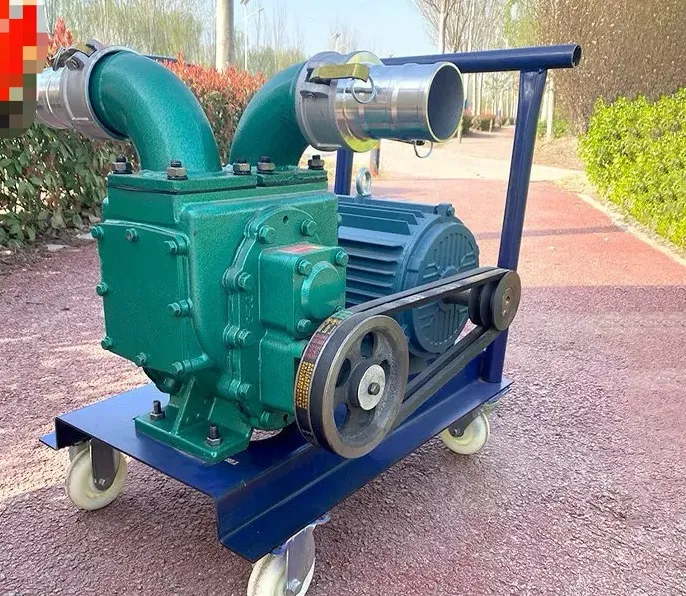
The 12-inch slurry pump, manufactured in China, represents a critical component in industries dealing with abrasive materials. This pump is engineered for the robust and continuous transfer of highly abrasive slurries – mixtures of liquids carrying solid particles – commonly found in mining, dredging, wastewater treatment, and heavy industrial applications. Its technical positioning within the industrial chain lies between materials processing and fluid conveyance, functioning as a key enabling technology for efficient materials handling. Core performance characteristics center on volumetric flow rate, discharge pressure, solids handling capability (particle size and concentration), and resistance to abrasive wear. Unlike centrifugal pumps designed for clean fluids, slurry pumps feature specific design elements – hard metal impeller construction, wear-resistant liners, and robust sealing systems – to mitigate the damaging effects of solid particle impingement and erosion, extending operational lifespan and reducing total cost of ownership. The global demand for these pumps is directly correlated to the growth in infrastructure development and raw material extraction, particularly in emerging economies. A key challenge for end-users is balancing pumping efficiency with the longevity of pump components in the face of increasingly abrasive feedstocks and stringent environmental regulations concerning waste discharge.
Material Science & Manufacturing
The construction of a 12-inch Chinese slurry pump leverages several critical material science principles. Pump casings are predominantly constructed from high-chrome cast iron (typically 27-30% chromium), offering exceptional abrasion resistance. The chromium content forms hard carbides within the iron matrix, significantly increasing its resistance to erosion from solid particle impact. Impellers, the rotating components responsible for generating fluid flow, often utilize similar high-chrome alloys, or in more demanding applications, white iron alloys containing molybdenum and nickel for even greater wear resistance. Elastomeric liners, commonly made of natural rubber or polyurethane, are frequently employed to protect the pump casing and impeller from abrasion and corrosion. These liners absorb impact energy and create a sacrificial layer. Shafts are generally manufactured from high-strength alloy steel, heat-treated for optimal tensile strength and fatigue resistance. Seals are comprised of materials like tungsten carbide or silicon carbide, selected for their hardness and chemical inertness.
Manufacturing processes typically involve sand casting for the casing and impeller, followed by machining to precise tolerances. Welding processes, specifically submerged arc welding (SAW) and shielded metal arc welding (SMAW), are used to join the various components. Parameter control during welding is crucial to prevent distortion and maintain the integrity of the weld. The liners are bonded to the casing using adhesive bonding or mechanical fastening techniques. Quality control measures include non-destructive testing (NDT) such as radiography and ultrasonic testing to identify internal flaws in castings and welds. Hardness testing (Brinell or Vickers) verifies the material properties of critical components. Hydrostatic testing ensures the structural integrity of the pump casing and its ability to withstand operating pressures.
Performance & Engineering
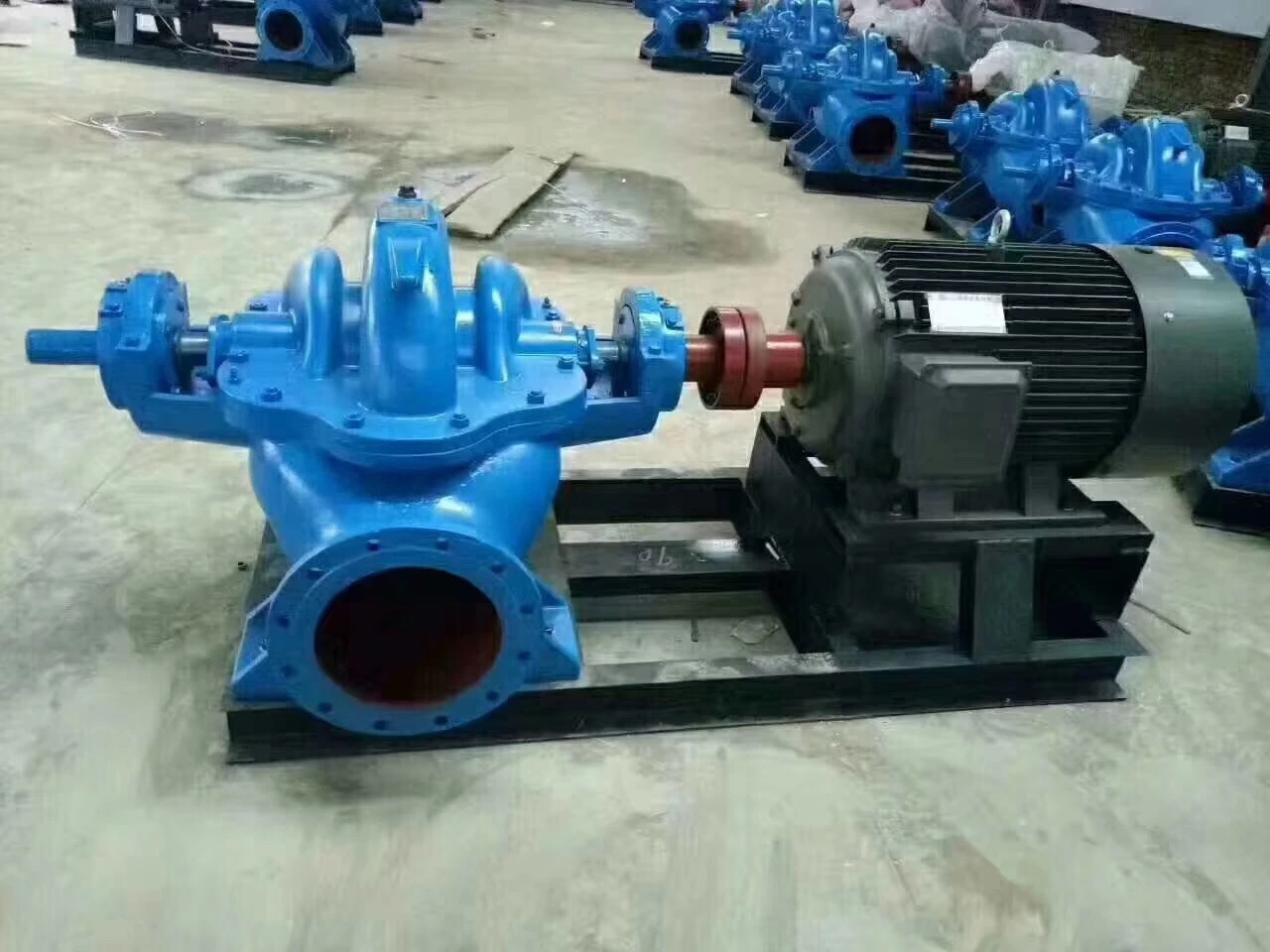
The performance of a 12-inch slurry pump is governed by several key engineering principles. Force analysis involves assessing the impact forces exerted by solid particles on the impeller and casing. Higher particle concentration and velocity increase these forces, accelerating wear. Pump selection requires careful consideration of the slurry's solids concentration (by weight or volume), particle size distribution, and particle shape. Environmental resistance is paramount; the pump must withstand corrosive environments and temperature fluctuations. Casing materials and seals are selected based on the slurry's pH and chemical composition. For example, in acidic slurries, specialized alloys or rubber coatings are required. Compliance requirements dictate adherence to specific safety standards and environmental regulations regarding noise levels, emissions, and waste water discharge. Pump efficiency is a critical factor in minimizing energy consumption and operating costs. It’s impacted by impeller design, casing geometry, and internal clearances. Hydraulic Institute (HI) standards provide guidelines for pump performance testing and data reporting.
The pump’s duty point (flow rate and head) must be matched to the system’s requirements. System head loss calculations, accounting for friction in pipelines and elevation changes, are essential for proper pump sizing. Variable frequency drives (VFDs) are increasingly used to control pump speed and optimize energy consumption based on fluctuating process demands. Furthermore, pump curves – graphical representations of the pump's performance characteristics – are used for selection and system design. Proper piping configuration and the inclusion of strainers and check valves protect the pump from damage caused by large objects or backflow.
Technical Specifications
| Parameter | Unit | Typical Value (Range) | Notes |
|---|---|---|---|
| Discharge Diameter | inch | 12 | Nominal size |
| Maximum Flow Rate | m³/h | 400-1200 | Depends on impeller diameter and speed |
| Maximum Head | m | 30-80 | Influenced by impeller design and speed |
| Maximum Solids Concentration | % by weight | Up to 70 | Dependent on slurry properties |
| Maximum Particle Size | mm | Up to 150 | Determines impeller passage size |
| Casing Material | - | High-Chrome Cast Iron (A532 Grade 1 Class 30) | Provides abrasion resistance |
Failure Mode & Maintenance
Slurry pumps are subject to several common failure modes. Fatigue cracking in the impeller is a frequent issue, initiated by cyclic stresses from particle impact and hydraulic forces. The root cause is often material defects or excessive stress concentrations. Erosion and abrasion lead to gradual material loss, particularly in areas directly exposed to the slurry flow, such as the impeller vanes and casing liner. Delamination of rubber liners can occur due to poor bonding or exposure to incompatible chemicals. Corrosion, especially in aggressive chemical environments, degrades the pump materials and reduces their structural integrity. Oxidation of metallic components can also contribute to material loss over time.
Preventative maintenance is critical for extending pump life. Regular inspections should include visual checks for wear, corrosion, and leaks. Bearing lubrication should be performed according to the manufacturer's recommendations. Impeller and casing wear should be monitored and components replaced when necessary. Liners should be inspected for delamination and replaced as needed. The pump’s alignment should be checked and corrected periodically to minimize vibration and bearing wear. Monitoring slurry properties, such as solids concentration and particle size, allows for proactive adjustments to pump operation. For example, reducing pump speed or flow rate can reduce wear in highly abrasive slurries. Detailed maintenance records should be kept to track component life and identify recurring problems. Root cause analysis of failures should be performed to implement corrective actions and prevent future occurrences.
Industry FAQ
Q: What is the impact of slurry temperature on pump performance and component lifespan?
A: Elevated slurry temperatures can significantly reduce the viscosity of the fluid, potentially increasing flow rates but also accelerating corrosion rates, particularly in aggressive chemical environments. High temperatures can also degrade the elastomeric components like seals and liners, leading to premature failure. Conversely, very low temperatures can increase slurry viscosity, reducing pump efficiency and potentially causing cavitation.
Q: How does the impeller design affect the pump's ability to handle different particle sizes and shapes?
A: The impeller design, specifically the passage size and vane geometry, directly influences the pump’s solids handling capability. Impellers with wider passages are better suited for larger particles. Open impellers are less prone to clogging than closed impellers. Vane angles impact the pump's head and flow characteristics, and should be optimized for the specific slurry properties. The impeller material also plays a key role; harder materials resist wear from abrasive particles.
Q: What are the key considerations when selecting a pump seal for a specific slurry application?
A: Seal selection depends on the slurry’s chemical composition, abrasiveness, and temperature. Mechanical seals are generally preferred for their reliability and performance, but the seal face material (e.g., tungsten carbide, silicon carbide) must be compatible with the slurry. Gland packing is a less expensive alternative, but requires more maintenance and is less effective at preventing leakage. The seal support system (e.g., flush plan) is also critical for providing lubrication and removing abrasive particles.
Q: How do you mitigate the risk of cavitation in slurry pumps?
A: Cavitation occurs when the pressure at the impeller inlet drops below the vapor pressure of the slurry, forming vapor bubbles that collapse and cause damage. Mitigation strategies include ensuring sufficient net positive suction head available (NPSHa), optimizing impeller design, reducing pump speed, and avoiding restrictions in the suction piping. Regular inspection for impeller damage is also important.
Q: What are the cost implications of choosing a high-chrome versus a white iron impeller?
A: White iron impellers generally offer superior abrasion resistance compared to high-chrome impellers, but they are also more brittle and prone to cracking. High-chrome impellers are more ductile and can withstand higher impact forces, but wear more quickly. The initial cost of a white iron impeller is typically higher, but its longer lifespan can result in lower total cost of ownership in highly abrasive applications. The specific application and slurry properties determine the optimal choice.
Conclusion
The 12-inch Chinese slurry pump is a robust and essential piece of equipment for industries reliant on the transport of abrasive materials. Its performance is inextricably linked to meticulous material selection, precise manufacturing processes, and a thorough understanding of slurry characteristics. Optimizing pump performance requires careful consideration of factors like solids concentration, particle size, and chemical compatibility.
Future advancements in slurry pump technology will likely focus on developing new materials with enhanced wear resistance, implementing advanced monitoring and control systems for predictive maintenance, and exploring innovative impeller designs to improve hydraulic efficiency and solids handling capabilities. The integration of Industry 4.0 principles, such as remote monitoring and data analytics, will further optimize pump operation and reduce operational costs, solidifying the slurry pump's crucial role in modern industrial processes.
-
Precision at the Pump: How Better Machining Protects Flow and Uptime
News2026-11-20
-
Why Pump Reliability Begins Before the First Drop of Fluid
News2026-11-20
-
Beyond the Pump: Designing Safer Access Around Critical Water Infrastructure
News2026-11-20
-
Why Pumping Stations Depend on the Infrastructure Beneath the Pumps
News2026-11-20
-
Beyond the Pump Room: How Smarter Loading Protects Industrial Equipment
News2026-11-19
-
When Pumps Stop: Designing More Resilient Power for Critical Pumping Systems
News2026-11-19
-
The Hidden Role of Dust and Gas Monitoring in Reliable Pump Operations
News2026-11-19
-
The Hidden Role of Mineral Compounds in Extending Industrial Pump Lifespan
News2026-10-12
-
Why Pump System Reliability Depends on Precision Hose Assembly Methods
News2026-09-15
-
How Advanced Imaging Films Are Transforming Pump Component Quality Control
News2026-08-25
-
How Advanced Filtration Protects Pump Systems from Premature Wear and Costly Downtime
News2026-08-25
-
How Steel Material Selection Drives Pump Reliability in Heavy-Duty Systems
News2026-08-25
-
Ensuring Pump System Efficiency: The Role of High-Quality Pipe Fittings and Tubing
News2026-08-24
-
Optimizing Fluid Dynamics and Material Consistency in Industrial Processing
News2026-08-18
-
Innovations and Challenges in Hydraulic Systems for Heavy Machinery
News2026-08-13




