English
- Afrikaans
- Albanian
- Amharic
- Arabic
- Armenian
- Azerbaijani
- Basque
- Belarusian
- Bengali
- Bosnian
- Bulgarian
- Catalan
- Cebuano
- Corsican
- Croatian
- Czech
- Danish
- Dutch
- English
- Esperanto
- Estonian
- Finnish
- French
- Frisian
- Galician
- Georgian
- German
- Greek
- Gujarati
- Haitian Creole
- hausa
- hawaiian
- Hebrew
- Hindi
- Miao
- Hungarian
- Icelandic
- igbo
- Indonesian
- irish
- Italian
- Japanese
- Javanese
- Kannada
- kazakh
- Khmer
- Rwandese
- Korean
- Kurdish
- Kyrgyz
- Lao
- Latin
- Latvian
- Lithuanian
- Luxembourgish
- Macedonian
- Malgashi
- Malay
- Malayalam
- Maltese
- Maori
- Marathi
- Mongolian
- Myanmar
- Nepali
- Norwegian
- Norwegian
- Occitan
- Pashto
- Persian
- Polish
- Portuguese
- Punjabi
- Romanian
- Russian
- Samoan
- Scottish Gaelic
- Serbian
- Sesotho
- Shona
- Sindhi
- Sinhala
- Slovak
- Slovenian
- Somali
- Spanish
- Sundanese
- Swahili
- Swedish
- Tagalog
- Tajik
- Tamil
- Tatar
- Telugu
- Thai
- Turkish
- Turkmen
- Ukrainian
- Urdu
- Uighur
- Uzbek
- Vietnamese
- Welsh
- Bantu
- Yiddish
- Yoruba
- Zulu

Telephone: +86 13120555503
Email: frank@cypump.com


Apr . 01, 2024 17:55 Back to list
chemical feed pumps for water treatment systems ensuring performance and engineering
Introduction
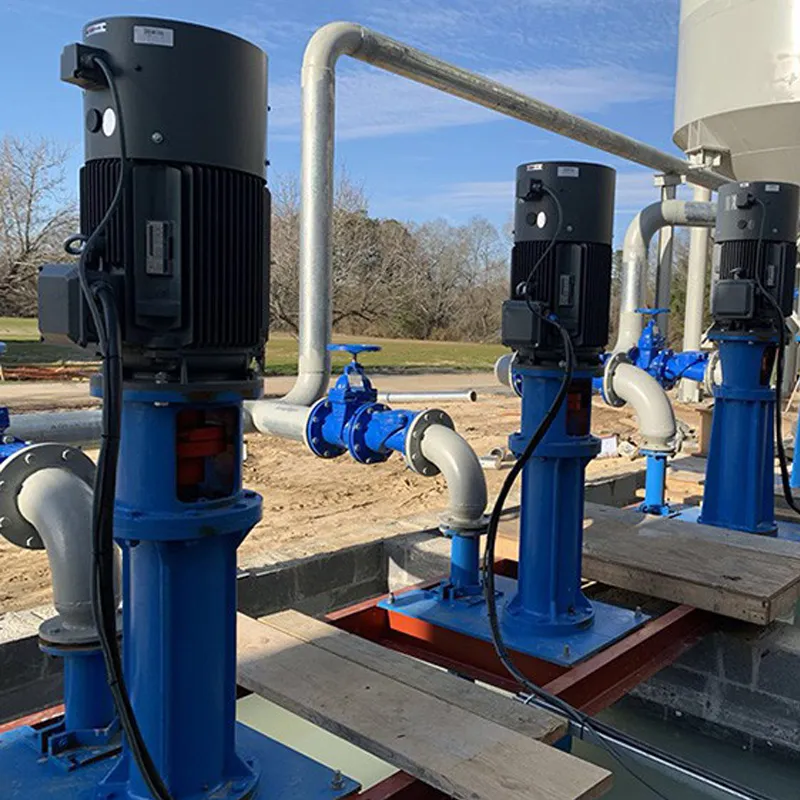
Chemical feed pumps are critical components in water and wastewater treatment facilities, responsible for the accurate and reliable dosing of chemicals used for disinfection, pH adjustment, coagulation, flocculation, and other treatment processes. These pumps are distinct from general-purpose pumps due to their specialized requirements for chemical compatibility, precision, and leak prevention. They occupy a pivotal position in the industrial water treatment chain, interfacing between bulk chemical storage and the treatment process itself. Core performance characteristics center around flow rate accuracy, chemical resistance of wetted materials, and the ability to handle a wide viscosity range of fluids. Modern chemical feed pumps leverage a variety of metering technologies, including diaphragm, peristaltic, and progressive cavity designs, each offering specific advantages in terms of accuracy, maintenance, and chemical handling capabilities. The selection of the appropriate pump technology is predicated on the specific chemical being dosed, the required flow rate, and the operating pressure of the system. Failure to select and maintain these pumps appropriately can lead to inaccurate dosing, process upsets, corrosion, and potential safety hazards.
Material Science & Manufacturing
The construction of chemical feed pumps necessitates careful material selection to ensure compatibility with a diverse range of chemicals, including acids, bases, oxidizers, and biocides. Pump heads and wetted components are commonly manufactured from polymers such as Polyvinylidene Fluoride (PVDF), Polypropylene (PP), Polyethylene (PE), and Fluorinated Ethylene Propylene (FEP). PVDF exhibits excellent resistance to a broad spectrum of chemicals and is often the material of choice for demanding applications. PP offers good chemical resistance at a lower cost, while PE is suitable for less aggressive chemicals. FEP provides superior chemical inertness but is less mechanically robust than PVDF. Diaphragms are typically fabricated from elastomers like Viton (fluoroelastomer), PTFE (polytetrafluoroethylene), and EPDM (ethylene propylene diene monomer rubber). Viton offers excellent chemical resistance and temperature stability, while PTFE provides exceptional inertness. EPDM is used for applications involving alkaline solutions. Manufacturing processes vary depending on the pump type. Diaphragm pumps involve injection molding of the pump head and diaphragm, followed by assembly. Peristaltic pumps rely on the compression of a flexible tube against a rotor, requiring precise molding of the tube and rotor components. Progressive cavity pumps involve the machining of a rotor and stator, requiring tight tolerances to ensure sealing and volumetric efficiency. Key parameter control during manufacturing includes dimensional accuracy of components, surface finish to minimize corrosion initiation sites, and proper curing of elastomers to maximize chemical resistance and mechanical properties. Welding processes, if employed for metallic components, must utilize techniques like TIG (Tungsten Inert Gas) welding to prevent corrosion and maintain material integrity.

Performance & Engineering
The performance of chemical feed pumps is dictated by several engineering factors. Flow rate accuracy is paramount, and is typically specified as a percentage of the full-scale output. Factors affecting accuracy include pump calibration, stroke length and frequency (for diaphragm pumps), tube wear (for peristaltic pumps), and rotor/stator clearances (for progressive cavity pumps). Cavitation, the formation of vapor bubbles due to low pressure, is a common performance limitation. Proper suction lift height and adequate net positive suction head (NPSH) are crucial to prevent cavitation. The pumps must also withstand the operating pressure of the system. Pressure ratings are dependent on the pump materials and construction. Environmental resistance is another critical consideration. Pumps operating in harsh environments must be protected from corrosion, UV degradation, and temperature extremes. Compliance requirements are stringent in water treatment applications. Pumps must meet relevant standards for materials safety (NSF/ANSI 61), electrical safety (UL, CSA), and environmental protection (RoHS, REACH). Force analysis is crucial for understanding stress distribution within pump components, particularly in diaphragm pumps where the diaphragm experiences cyclic stress. Finite Element Analysis (FEA) is frequently used to optimize diaphragm design and predict fatigue life. Material compatibility is also a key engineering concern. Exposure of incompatible materials to chemicals can lead to corrosion, swelling, or degradation, resulting in pump failure. A thorough chemical compatibility assessment must be conducted before selecting pump materials.
Technical Specifications
| Parameter | Diaphragm Pump | Peristaltic Pump | Progressive Cavity Pump |
|---|---|---|---|
| Flow Rate Range (mL/min) | 10 - 2000 | 5 - 1500 | 100 - 10000 |
| Max. Pressure (psi) | 150 | 60 | 200 |
| Viscosity Range (cP) | 1 - 1000 | 1 - 3000 | 1 - 50000 |
| Wetted Materials | PVDF, PP, PTFE, Viton | PTFE, EPDM, Viton | Stainless Steel, Hastelloy, PTFE |
| Accuracy (% of FSO) | ±1-2% | ±2-5% | ±1-3% |
| Power Consumption (W) | 50-200 | 30-100 | 100-500 |
Failure Mode & Maintenance
Chemical feed pumps are susceptible to several failure modes. Diaphragm pumps can experience diaphragm rupture due to fatigue cracking or chemical attack, leading to loss of prime and chemical spillage. Valve failure, including seat erosion and ball/plug sticking, is another common issue. Peristaltic pumps suffer from tube wear, which reduces flow rate accuracy and eventually leads to tube failure. Progressive cavity pumps are prone to rotor/stator wear, particularly when handling abrasive fluids, resulting in decreased volumetric efficiency and increased leakage. Corrosion of metallic components is a widespread failure mechanism, accelerated by exposure to aggressive chemicals. Degradation of elastomers due to chemical attack or UV exposure can also compromise pump performance. Oxidation of metallic components is another contributing factor. Preventative maintenance is crucial to extending pump life and minimizing downtime. Regular inspection of diaphragms, tubes, and rotors/stators is essential. Lubrication of moving parts is also important. Periodic calibration of the pump is necessary to maintain flow rate accuracy. Proper storage of pumps when not in use, protected from extreme temperatures and UV exposure, can prevent premature degradation. A robust preventative maintenance schedule, including detailed log keeping of repairs and replacements, is essential for optimal performance and longevity.
Industry FAQ
Q: What are the key considerations when selecting a chemical feed pump for sodium hypochlorite dosing?
A: Sodium hypochlorite is a highly corrosive and oxidizing agent. The pump materials must be resistant to chlorine attack. PVDF, PTFE, and Hypalon are suitable choices for wetted components. The pump should also be capable of handling the viscosity of the sodium hypochlorite solution, which can vary with concentration and temperature. A diaphragm pump or peristaltic pump is generally preferred, as they provide good chemical resistance and accurate dosing.
Q: How do I address cavitation issues in a chemical feed pump?
A: Cavitation is typically caused by insufficient NPSH. Ensure the suction lift height is minimized, and the pump is located as close to the chemical source as possible. Increase the supply tank pressure or reduce the fluid viscosity. Verify that the suction line is free of obstructions and air leaks.
Q: What is the typical lifespan of a peristaltic pump tube?
A: The lifespan of a peristaltic pump tube depends on several factors, including the chemical being pumped, the flow rate, and the tube material. Aggressive chemicals and high flow rates will shorten tube life. Regular inspection of the tube for wear is essential. Typical lifespans range from a few weeks to several months.
Q: How do I calibrate a chemical feed pump?
A: Calibration involves comparing the actual flow rate of the pump to the setpoint flow rate. Collect the pump output over a known period of time and measure the volume dispensed. Adjust the pump stroke length or speed to achieve the desired flow rate. Repeat the process several times to ensure accuracy.
Q: What are the implications of using incompatible materials in a chemical feed pump?
A: Using incompatible materials can lead to corrosion, swelling, degradation, and pump failure. Corrosion weakens the pump components and can result in leaks. Swelling can alter pump dimensions and affect performance. Degradation reduces the material's strength and chemical resistance. A thorough chemical compatibility assessment should be conducted before selecting pump materials.
Conclusion
The selection, operation, and maintenance of chemical feed pumps are critical aspects of efficient and reliable water and wastewater treatment. Understanding the underlying material science, manufacturing processes, and performance characteristics of these pumps is essential for ensuring accurate chemical dosing, minimizing downtime, and protecting personnel and the environment. The choice between diaphragm, peristaltic, and progressive cavity pump technologies is dependent upon the specific application requirements, including the chemical being dosed, flow rate, pressure, and viscosity.
Future advancements in chemical feed pump technology will likely focus on improving pump efficiency, reducing energy consumption, and enhancing remote monitoring and control capabilities. The development of new materials with improved chemical resistance and durability will also be crucial. Furthermore, integrating these pumps into intelligent water treatment systems will enable more precise and automated chemical dosing, leading to optimized process performance and reduced operating costs.
-
Precision at the Pump: How Better Machining Protects Flow and Uptime
News2026-11-20
-
Why Pump Reliability Begins Before the First Drop of Fluid
News2026-11-20
-
Beyond the Pump: Designing Safer Access Around Critical Water Infrastructure
News2026-11-20
-
Why Pumping Stations Depend on the Infrastructure Beneath the Pumps
News2026-11-20
-
Beyond the Pump Room: How Smarter Loading Protects Industrial Equipment
News2026-11-19
-
When Pumps Stop: Designing More Resilient Power for Critical Pumping Systems
News2026-11-19
-
The Hidden Role of Dust and Gas Monitoring in Reliable Pump Operations
News2026-11-19
-
The Hidden Role of Mineral Compounds in Extending Industrial Pump Lifespan
News2026-10-12
-
Why Pump System Reliability Depends on Precision Hose Assembly Methods
News2026-09-15
-
How Advanced Imaging Films Are Transforming Pump Component Quality Control
News2026-08-25
-
How Advanced Filtration Protects Pump Systems from Premature Wear and Costly Downtime
News2026-08-25
-
How Steel Material Selection Drives Pump Reliability in Heavy-Duty Systems
News2026-08-25
-
Ensuring Pump System Efficiency: The Role of High-Quality Pipe Fittings and Tubing
News2026-08-24
-
Optimizing Fluid Dynamics and Material Consistency in Industrial Processing
News2026-08-18
-
Innovations and Challenges in Hydraulic Systems for Heavy Machinery
News2026-08-13




