English
- Afrikaans
- Albanian
- Amharic
- Arabic
- Armenian
- Azerbaijani
- Basque
- Belarusian
- Bengali
- Bosnian
- Bulgarian
- Catalan
- Cebuano
- Corsican
- Croatian
- Czech
- Danish
- Dutch
- English
- Esperanto
- Estonian
- Finnish
- French
- Frisian
- Galician
- Georgian
- German
- Greek
- Gujarati
- Haitian Creole
- hausa
- hawaiian
- Hebrew
- Hindi
- Miao
- Hungarian
- Icelandic
- igbo
- Indonesian
- irish
- Italian
- Japanese
- Javanese
- Kannada
- kazakh
- Khmer
- Rwandese
- Korean
- Kurdish
- Kyrgyz
- Lao
- Latin
- Latvian
- Lithuanian
- Luxembourgish
- Macedonian
- Malgashi
- Malay
- Malayalam
- Maltese
- Maori
- Marathi
- Mongolian
- Myanmar
- Nepali
- Norwegian
- Norwegian
- Occitan
- Pashto
- Persian
- Polish
- Portuguese
- Punjabi
- Romanian
- Russian
- Samoan
- Scottish Gaelic
- Serbian
- Sesotho
- Shona
- Sindhi
- Sinhala
- Slovak
- Slovenian
- Somali
- Spanish
- Sundanese
- Swahili
- Swedish
- Tagalog
- Tajik
- Tamil
- Tatar
- Telugu
- Thai
- Turkish
- Turkmen
- Ukrainian
- Urdu
- Uighur
- Uzbek
- Vietnamese
- Welsh
- Bantu
- Yiddish
- Yoruba
- Zulu

Telephone: +86 13120555503
Email: frank@cypump.com


Apr . 01, 2024 17:55 Back to list
cheap vertical centrifugal pipeline pumps Performance Analysis
Introduction
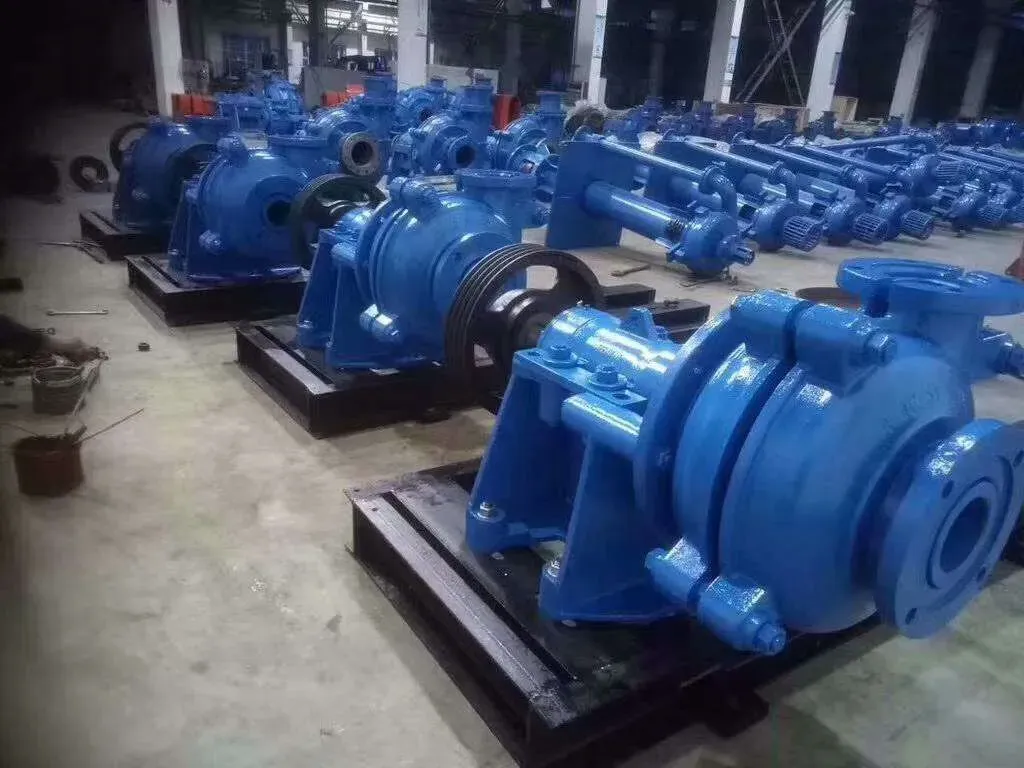
Cheap vertical centrifugal pipeline pumps are integral components in numerous industrial fluid transfer applications, representing a cost-effective solution for moving liquids vertically. Positioned within the broader pump industry, these pumps typically serve as alternatives to submersible pumps or horizontally mounted centrifugal pumps when space constraints or specific piping configurations necessitate a vertical orientation. Their core performance characteristics center around delivering a consistent flow rate at a defined head, with efficiency and reliability being key considerations. These pumps are predominantly utilized in water supply, wastewater treatment, fire protection systems, and various industrial processes involving the transfer of relatively clean fluids. However, their lower cost often correlates with material choices impacting longevity and suitability for abrasive or corrosive environments, a central pain point for operators seeking long-term value. Understanding the material limitations and specific application parameters is crucial for maximizing the service life and minimizing total cost of ownership.
Material Science & Manufacturing
The construction of cheap vertical centrifugal pipeline pumps commonly relies on cast iron for the pump casing and impeller, owing to its affordability and machinability. However, this choice introduces susceptibility to corrosion, particularly in aggressive fluid environments. Impeller material often utilizes cast iron or, in some instances, bronze for improved corrosion resistance, though at a higher cost. Shafts are typically constructed from carbon steel, requiring protective coatings to prevent corrosion and wear. Seals are commonly mechanical seals utilizing elastomers like nitrile rubber or Viton, dictated by the fluid compatibility requirements.
Manufacturing processes begin with casting the pump casing and impeller, followed by machining to achieve the necessary dimensions and surface finish. The shaft undergoes turning and milling operations. A critical process is the balancing of the impeller to minimize vibration during operation. Assembly involves precise alignment of the impeller, shaft, and bearings within the casing. Key parameter control during manufacturing focuses on dimensional tolerances, surface roughness, and impeller balancing. Casting defects (porosity, inclusions) are a major source of failure, necessitating rigorous quality control through non-destructive testing (NDT) methods such as visual inspection, liquid penetrant testing, and ultrasonic testing. Welding processes, often employed for joining components, require careful control of welding parameters (current, voltage, gas shielding) to prevent cracking and ensure adequate weld strength. The selection of appropriate coatings, such as epoxy or fusion-bonded epoxy, is crucial for enhancing corrosion resistance.
Performance & Engineering
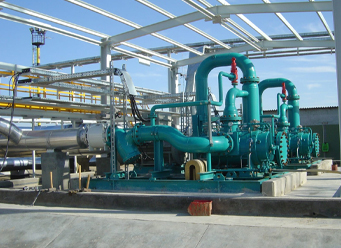
The performance of these pumps is governed by fundamental principles of fluid mechanics. Force analysis considers centrifugal force generated by the rotating impeller, which imparts kinetic energy to the fluid. This kinetic energy is then converted to pressure energy as the fluid decelerates in the volute or diffuser. The hydraulic power delivered by the pump is a function of flow rate and head. The pump’s efficiency, a critical performance parameter, is determined by the ratio of hydraulic power output to electrical power input. Environmental resistance considerations include temperature limitations of the elastomers used in seals and the potential for cavitation at high suction lifts or low net positive suction head available (NPSHA).
Compliance requirements often involve adherence to industry standards such as those established by Hydraulic Institute (HI) for pump performance testing and certification. Motor selection must comply with relevant electrical safety standards (UL, CSA, CE). The pump’s design must account for potential vibration and noise levels, adhering to permissible limits established by regulatory bodies. Functional implementation necessitates proper piping design to minimize friction losses and ensure adequate NPSHA. Pump curves, generated through performance testing, are essential for selecting the appropriate pump for a given application and predicting its performance under various operating conditions. Proper alignment between the pump and motor is critical to prevent premature bearing failure and ensure smooth operation. A key engineering challenge is to balance cost considerations with performance and reliability requirements, often necessitating trade-offs in material selection and design complexity.
Technical Specifications
| Flow Rate (m³/h) | Head (m) | Motor Power (kW) | Maximum Fluid Temperature (°C) |
|---|---|---|---|
| 5-20 | 10-30 | 0.75-2.2 | 60 |
| 10-40 | 20-50 | 2.2-5.5 | 80 |
| 20-60 | 30-80 | 5.5-11 | 85 |
| 40-80 | 50-120 | 11-18.5 | 90 |
| 60-120 | 80-150 | 18.5-37 | 95 |
| 80-200 | 120-200 | 37-75 | 100 |
Failure Mode & Maintenance
Common failure modes in cheap vertical centrifugal pipeline pumps include impeller cavitation, leading to pitting and erosion; bearing failure due to inadequate lubrication or misalignment; seal leakage resulting from wear or incompatibility with the fluid; and corrosion of the pump casing and impeller. Fatigue cracking can occur in the shaft due to cyclic loading. Abrasive wear is prevalent when handling fluids containing solids. Failure analysis often reveals root causes related to improper installation, inadequate maintenance, or exceeding the pump’s design limitations.
Preventive maintenance is crucial for extending pump life. Regular inspection of seals for leakage, monitoring bearing temperature and vibration levels, and periodic lubrication are essential. Analyzing fluid samples for abrasiveness or corrosiveness allows for proactive material selection or fluid treatment. Impeller balancing should be performed periodically to minimize vibration. In cases of cavitation, adjusting the flow rate or increasing the NPSHA can mitigate the problem. Corrosion protection can be enhanced through the application of protective coatings. For seal failures, replacement with compatible materials is necessary. Routine inspection of the pump casing for signs of corrosion is vital, and timely repair or replacement can prevent catastrophic failures. A documented maintenance schedule, coupled with operator training, significantly improves pump reliability.
Industry FAQ
Q: What are the key considerations when selecting a cheap vertical centrifugal pump for a corrosive fluid application?
A: The primary consideration is material compatibility. Standard cast iron is unsuitable for most corrosive fluids. Upgrading to stainless steel (304, 316) or specialized alloys like Hastelloy is essential, although this increases the cost. Additionally, seal materials must be chemically resistant to the fluid being pumped. Consider the fluid's pH, concentration, and temperature when selecting materials.
Q: How can I minimize the risk of cavitation in a vertical centrifugal pump?
A: Ensure adequate Net Positive Suction Head Available (NPSHA). This means minimizing suction lift, reducing friction losses in the suction piping, and ensuring the fluid temperature is within acceptable limits. Regularly check the pump for impeller wear, as erosion can reduce performance and increase susceptibility to cavitation. Also, avoid operating the pump at excessively high flow rates.
Q: What is the typical lifespan of a cheap vertical centrifugal pump in a wastewater treatment plant?
A: The lifespan varies significantly depending on the wastewater composition. Generally, a pump constructed primarily of cast iron may last 3-5 years in a moderately abrasive wastewater environment. Upgrading to stainless steel or incorporating wear-resistant coatings can extend the lifespan to 7-10 years or more. Regular maintenance and monitoring are crucial for maximizing longevity.
Q: What are the common causes of mechanical seal failure in these pumps?
A: Common causes include abrasive particles in the fluid, dry running (operating without sufficient fluid), incompatibility between the seal material and the fluid, improper installation, and excessive pressure or temperature. Regular inspection and replacement of seals based on a predetermined schedule are vital preventative measures.
Q: What is the impact of impeller imbalance on pump performance and longevity?
A: Impeller imbalance causes vibration, which leads to increased bearing wear, seal failure, and potential damage to the pump casing. Vibration also reduces pump efficiency. Regular impeller balancing is a critical maintenance task to ensure smooth operation and extend pump life. Signs of imbalance include excessive noise and vibration during operation.
Conclusion
Cheap vertical centrifugal pipeline pumps offer a viable solution for many fluid transfer applications, but their cost-effectiveness is intrinsically linked to material choices and operational considerations. Understanding the inherent limitations of materials like cast iron – specifically regarding corrosion and abrasion resistance – is paramount for informed decision-making. Proper selection of materials, meticulous manufacturing practices, and a robust preventative maintenance program are critical for maximizing pump lifespan and minimizing total cost of ownership.
Future advancements in pump design may focus on incorporating more durable and cost-effective materials, such as engineered polymers and advanced coatings, to enhance performance and reliability. Furthermore, the integration of condition monitoring systems, utilizing sensors to track vibration, temperature, and flow rate, can enable predictive maintenance, reducing downtime and improving overall operational efficiency. Addressing the core pain points of durability and long-term performance will define the evolution of this essential industrial component.
-
Comprehensive Guide to Waterproof ORings for Optimal Sealing Solutions
News2026-06-09
-
heavy duty submersible pump Performance Analysis
News2026-06-25
-
best submersible pump for septic tank Performance Analysis
News2026-06-25
-
basement sewer ejector pump Performance Analysis
News2026-06-25
-
basement pumps ejector pumps Performance Analysis
News2026-06-25
-
basement lift pump Performance and Engineering
News2026-06-25
-
basement bathroom pump systems Performance Analysis
News2026-06-24
-
basement bathroom ejector pump system Performance Engineering
News2026-06-24
-
2 hp sewage pump Performance Engineering
News2026-06-24
-
1 hp septic pump Performance Engineering
News2026-06-24
-
submersible effluent pump Performance Analysis
News2026-06-24
-
submergable pump Material Science
News2026-06-23
-
sewer injection pump Performance Engineering
News2026-06-23
-
Sewer Ejector Pump System Performance Analysis
News2026-06-23
-
septic tank pump for sale Performance Engineering
News2026-06-23




