English
- Afrikaans
- Albanian
- Amharic
- Arabic
- Armenian
- Azerbaijani
- Basque
- Belarusian
- Bengali
- Bosnian
- Bulgarian
- Catalan
- Cebuano
- Corsican
- Croatian
- Czech
- Danish
- Dutch
- English
- Esperanto
- Estonian
- Finnish
- French
- Frisian
- Galician
- Georgian
- German
- Greek
- Gujarati
- Haitian Creole
- hausa
- hawaiian
- Hebrew
- Hindi
- Miao
- Hungarian
- Icelandic
- igbo
- Indonesian
- irish
- Italian
- Japanese
- Javanese
- Kannada
- kazakh
- Khmer
- Rwandese
- Korean
- Kurdish
- Kyrgyz
- Lao
- Latin
- Latvian
- Lithuanian
- Luxembourgish
- Macedonian
- Malgashi
- Malay
- Malayalam
- Maltese
- Maori
- Marathi
- Mongolian
- Myanmar
- Nepali
- Norwegian
- Norwegian
- Occitan
- Pashto
- Persian
- Polish
- Portuguese
- Punjabi
- Romanian
- Russian
- Samoan
- Scottish Gaelic
- Serbian
- Sesotho
- Shona
- Sindhi
- Sinhala
- Slovak
- Slovenian
- Somali
- Spanish
- Sundanese
- Swahili
- Swedish
- Tagalog
- Tajik
- Tamil
- Tatar
- Telugu
- Thai
- Turkish
- Turkmen
- Ukrainian
- Urdu
- Uighur
- Uzbek
- Vietnamese
- Welsh
- Bantu
- Yiddish
- Yoruba
- Zulu

Telephone: +86 13120555503
Email: frank@cypump.com


Apr . 01, 2024 17:55 Back to list
cheap double suction pump Performance Analysis
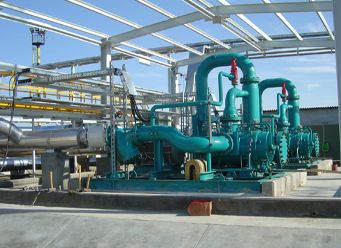
Introduction
The cheap double suction pump represents a centrifugal pump configuration utilized for fluid transfer across a broad spectrum of industrial applications, including water supply, irrigation, and process fluid handling. Its design incorporates an impeller with suction inlets on both sides, mitigating radial thrust and allowing for higher flow rates compared to single-suction designs. Positioned within the industrial chain as a core component of fluid handling systems, its performance is critically linked to impeller efficiency, sealing integrity, and casing design. Core performance characteristics center around volumetric flow rate, head pressure, net positive suction head required (NPSHr), and overall hydraulic efficiency. Cost-effectiveness is a defining feature of this pump category, typically achieved through material selection and manufacturing processes optimized for volume production. This guide will detail the materials, manufacturing, performance considerations, failure modes, and maintenance protocols associated with cheap double suction pumps, targeting engineers, procurement managers, and maintenance personnel.
Material Science & Manufacturing
Cheap double suction pumps typically utilize cast iron (ASTM A126 Grade B) for casing construction, offering a balance of cost, strength, and machinability. Impellers are often manufactured from cast iron (ASTM A48 Class 30) or, in some instances, ductile iron (ASTM A536-85) to enhance resistance to cavitation erosion. Shafts are typically constructed of carbon steel (AISI 1045) and hardened to increase wear resistance. Sealing materials commonly include elastomers such as nitrile rubber (NBR) or Viton (FKM), selected based on fluid compatibility and temperature requirements. Manufacturing processes involve sand casting for the casing and impeller, followed by machining for critical surfaces. The pump shaft is typically manufactured via turning and milling, and undergoes heat treatment for hardening. Critical parameter control focuses on impeller balancing to minimize vibration, casing dimensional accuracy to ensure proper sealing, and shaft runout to prevent bearing failure. Welding may be employed for certain casing configurations, necessitating adherence to welding procedures (AWS D1.1) and non-destructive testing (NDT) such as liquid penetrant inspection (LPI) to verify weld integrity. The surface finish of the impeller and casing are crucial, with smoother finishes increasing hydraulic efficiency and reducing susceptibility to corrosion.
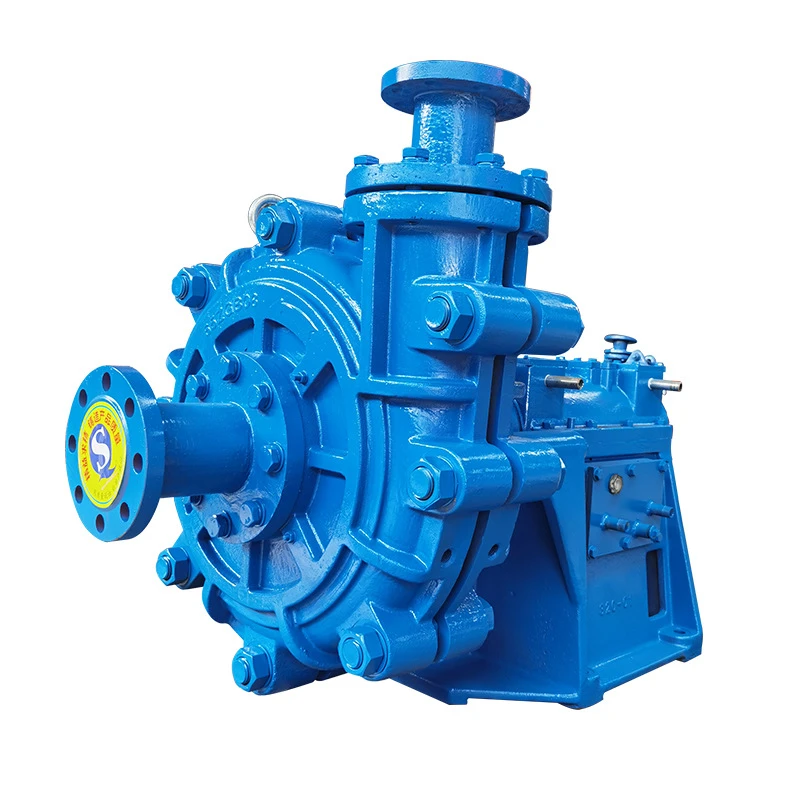
Performance & Engineering
Performance of a cheap double suction pump is governed by affinity laws relating flow rate, head, and power. Force analysis focuses on hydraulic forces acting on the impeller, radial thrust forces requiring balancing mechanisms, and bearing loads. Environmental resistance is critical, especially in corrosive or abrasive environments. Material selection must consider the fluid's pH, temperature, and solids content. For instance, handling seawater necessitates materials resistant to chloride-induced corrosion. Compliance requirements, such as those dictated by Hydraulic Institute standards (HI), dictate pump performance testing and classification. Engineering considerations include cavitation prevention, achieved by maintaining adequate NPSH available (NPSHa) relative to NPSHr. Proper impeller design minimizes recirculation losses and optimizes hydraulic efficiency. Mechanical seals are crucial for preventing leakage; single mechanical seals are common in cost-sensitive applications, but double mechanical seals with a barrier fluid are employed for handling hazardous or toxic fluids. The pump’s volute casing is designed to efficiently convert velocity energy into pressure energy. Proper alignment between the pump and driver (typically an electric motor) is paramount to prevent premature bearing failure and vibration. Dynamic balancing of the rotating assembly is essential for smooth operation and extended pump life.
Technical Specifications
| Parameter | Unit | Typical Value (Range) | Standard Compliance |
|---|---|---|---|
| Flow Rate | m³/h | 20 – 500 | HI 1.6 |
| Head | m | 5 – 60 | ISO 9906 |
| Pump Speed | rpm | 1450 – 3600 | DIN 24256 |
| Suction Pipe Diameter | mm | 50 – 200 | GB/T 56575 |
| Discharge Pipe Diameter | mm | 50 – 200 | EN 1092-1 |
| Power | kW | 1.5 – 75 | IEC 60034-1 |
Failure Mode & Maintenance
Common failure modes in cheap double suction pumps include impeller cavitation, leading to erosion and reduced performance. Cavitation occurs when the absolute pressure at the impeller inlet falls below the fluid's vapor pressure. Mechanical seal failure, manifesting as leakage, is frequently caused by abrasion from suspended solids, dry running, or chemical incompatibility. Bearing failure can result from misalignment, inadequate lubrication, or excessive loads. Casing cracking can occur due to thermal stress, hydraulic shock, or material defects. Corrosion is a significant concern when handling corrosive fluids, leading to thinning of casing and impeller walls. Fatigue cracking can develop in the shaft or impeller due to cyclical loading. Maintenance solutions involve regular impeller inspection and repair or replacement if cavitation damage is evident. Mechanical seals should be inspected and replaced proactively based on operating hours and fluid conditions. Lubrication schedules must be strictly adhered to, using appropriate greases or oils. Pump alignment should be checked periodically and corrected as necessary. Preventative maintenance includes flushing the pump casing to remove debris and scale. Non-destructive testing (NDT) such as ultrasonic testing (UT) can identify hidden cracks or corrosion. Implement a vibration analysis program to detect early signs of bearing or impeller imbalance.
Industry FAQ
Q: What is the impact of impeller wear on pump efficiency?
A: Impeller wear, particularly from cavitation erosion or abrasive particles, directly reduces pump efficiency. The altered impeller geometry disrupts the flow pattern, increasing recirculation losses and decreasing the head produced for a given flow rate. Even minor wear can significantly diminish pump performance, leading to increased energy consumption and reduced throughput.
Q: How do I determine the correct NPSHr for my application?
A: NPSHr is determined by the pump manufacturer and is specific to the pump's design and operating speed. You must ensure that the NPSHa (Net Positive Suction Head Available) in your system exceeds the NPSHr to prevent cavitation. NPSHa is calculated based on the system's static suction head, fluid vapor pressure, and friction losses in the suction piping.
Q: What type of mechanical seal is best for handling abrasive fluids?
A: For abrasive fluids, a hardened mechanical seal with a tungsten carbide or silicon carbide seal face is recommended. These materials offer superior wear resistance. Consider utilizing a double mechanical seal arrangement with a flush fluid to provide lubrication and remove abrasive particles from the seal faces. A rotating seal design can also reduce abrasive wear.
Q: How often should I inspect the pump bearings?
A: Bearing inspections should be conducted at least annually, or more frequently in harsh operating conditions. Listen for unusual noises, and check for excessive vibration. Grease fittings should be lubricated according to the manufacturer's recommendations. During inspection, check for signs of wear, corrosion, or looseness.
Q: What are the common causes of pump vibration and how can they be addressed?
A: Common causes of pump vibration include impeller imbalance, misalignment, bearing wear, cavitation, and piping strain. Address impeller imbalance through dynamic balancing. Correct misalignment using precision alignment tools. Replace worn bearings. Ensure adequate NPSHa to prevent cavitation. Check and correct any piping strain that could be transmitting vibration to the pump.
Conclusion
The cheap double suction pump remains a prevalent solution for fluid transfer, balancing cost-effectiveness with adequate performance capabilities. Successful application relies on a thorough understanding of material science, manufacturing tolerances, and operational parameters. Preventive maintenance, proactive failure analysis, and adherence to industry standards (HI, ISO) are crucial for maximizing pump lifespan and minimizing downtime.
Future trends involve the integration of smart sensors for real-time performance monitoring, predictive maintenance algorithms to anticipate failures, and the development of more corrosion-resistant materials. Optimization of impeller designs using computational fluid dynamics (CFD) will further enhance hydraulic efficiency. The continued focus on energy efficiency and reducing lifecycle costs will drive innovation in the design and manufacturing of these essential industrial pumps.
-
Effluent vs Sump Pump Performance Analysis
News2026-05-22
-
effluent septic pump Performance Engineering
News2026-05-22
-
best sewer pumps Performance Engineering
News2026-05-22
-
best sewer pump Performance Analysis
News2026-05-22
-
best sewage pumps Performance Engineering
News2026-05-22
-
basement bathroom sewage pump Material Science Manufacturing
News2026-05-21
-
wastewater treatment plant pumps Material Science Manufacturing
News2026-05-21
-
waste water pump for basement Material Science Manufacturing
News2026-05-21
-
sump pump sewage Performance Analysis
News2026-05-21
-
sump pump for sewage Material Science and Manufacturing
News2026-05-21
-
sump pump for septic systems Material Science Manufacturing
News2026-05-20
-
sump pump and ejector pump Material Science Manufacturing
News2026-05-20
-
sewage treatment plant pumps Performance Analysis
News2026-05-20
-
sewage tank pump Material Science and Manufacturing
News2026-05-20
-
sewage pump for septic tank Performance Analysis
News2026-05-20




