English
- Afrikaans
- Albanian
- Amharic
- Arabic
- Armenian
- Azerbaijani
- Basque
- Belarusian
- Bengali
- Bosnian
- Bulgarian
- Catalan
- Cebuano
- Corsican
- Croatian
- Czech
- Danish
- Dutch
- English
- Esperanto
- Estonian
- Finnish
- French
- Frisian
- Galician
- Georgian
- German
- Greek
- Gujarati
- Haitian Creole
- hausa
- hawaiian
- Hebrew
- Hindi
- Miao
- Hungarian
- Icelandic
- igbo
- Indonesian
- irish
- Italian
- Japanese
- Javanese
- Kannada
- kazakh
- Khmer
- Rwandese
- Korean
- Kurdish
- Kyrgyz
- Lao
- Latin
- Latvian
- Lithuanian
- Luxembourgish
- Macedonian
- Malgashi
- Malay
- Malayalam
- Maltese
- Maori
- Marathi
- Mongolian
- Myanmar
- Nepali
- Norwegian
- Norwegian
- Occitan
- Pashto
- Persian
- Polish
- Portuguese
- Punjabi
- Romanian
- Russian
- Samoan
- Scottish Gaelic
- Serbian
- Sesotho
- Shona
- Sindhi
- Sinhala
- Slovak
- Slovenian
- Somali
- Spanish
- Sundanese
- Swahili
- Swedish
- Tagalog
- Tajik
- Tamil
- Tatar
- Telugu
- Thai
- Turkish
- Turkmen
- Ukrainian
- Urdu
- Uighur
- Uzbek
- Vietnamese
- Welsh
- Bantu
- Yiddish
- Yoruba
- Zulu

Telephone: +86 13120555503
Email: frank@cypump.com


Apr . 01, 2024 17:55 Back to list
cheap clean water double suction pump Performance Analysis

Introduction
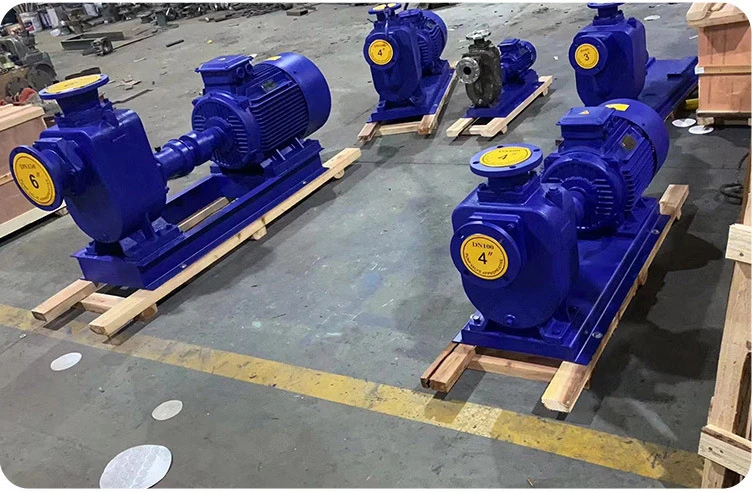
The cheap clean water double suction pump is a centrifugal pump designed for high-volume water transfer in applications demanding cost-effectiveness and reliability. Positioned primarily within municipal water supply, irrigation, and industrial water circulation systems, it represents a vital component in fluid handling infrastructure. Unlike single-suction pumps, the double-suction design minimizes cavitation risk and increases inlet flow capacity, resulting in improved efficiency and reduced noise. Core performance characteristics center around flow rate, head pressure, and efficiency, typically assessed against industry standards like ISO 9906. The pump’s design mitigates common issues associated with water handling – namely, corrosion and wear – through judicious material selection and robust mechanical configuration. This guide provides a comprehensive technical overview of this pump type, covering material science, manufacturing, performance parameters, failure modes, and applicable industry standards.
Material Science & Manufacturing
The construction of a cheap clean water double suction pump typically involves several key materials. The pump casing is often manufactured from cast iron (ASTM A126 Class 30 or equivalent), chosen for its cost-effectiveness, rigidity, and machinability. However, for applications involving potentially corrosive water sources, ductile iron (ASTM A536 Grade 65-45-12) or stainless steel (304/316 – ASTM A743) are frequently employed. Impeller material is critical; bronze (ASTM B584) is favored for its corrosion resistance and inherent low friction characteristics. Polymer impellers, typically utilizing polypropylene or glass-reinforced nylon, offer a cost-effective alternative for clean water applications, although they exhibit reduced durability compared to metallic options. Shaft material is commonly carbon steel (ASTM A108), often with a protective coating to mitigate corrosion. Seals are commonly mechanical seals utilizing materials like silicon carbide, graphite, or nitrile rubber, selected based on fluid compatibility and operating temperature.
Manufacturing processes vary depending on the scale and precision required. Casing production usually involves sand casting, followed by machining to achieve precise dimensions and smooth internal surfaces. Impellers are typically cast or molded, with subsequent balancing to minimize vibration. Welding processes (SMAW, GMAW) are used for joining components, requiring stringent quality control to ensure structural integrity. Critical parameters during manufacturing include impeller balancing (ISO 1940-1), casing dimensional accuracy (ISO 8807), and seal installation torque (manufacturer’s specifications). The manufacturing process directly influences the pump's hydraulic efficiency and overall lifespan. Improper casting, inadequate machining, or poorly executed welding can lead to premature failure due to cavitation, erosion, or structural defects.
Performance & Engineering
The performance of a double suction pump is largely governed by the principles of fluid dynamics and hydraulic design. Key engineering considerations include Net Positive Suction Head Required (NPSHr), which dictates the minimum pressure required at the pump inlet to prevent cavitation. Cavitation, the formation and collapse of vapor bubbles, can cause significant damage to the impeller and reduce pump efficiency. Pump performance curves, generated through rigorous testing (ISO 9906), illustrate the relationship between flow rate, head, power consumption, and efficiency. Force analysis is crucial in the design of the pump shaft and bearings, ensuring they can withstand radial and axial loads generated by the impeller. Environmental resistance is also a critical factor, particularly for outdoor installations. Pump casings must be designed to withstand temperature variations, UV exposure, and potential impacts. Compliance with relevant regulations, such as those concerning potable water safety (NSF/ANSI 61), is essential for pumps used in drinking water systems. The double suction design inherently reduces hydraulic thrust compared to single suction pumps, resulting in lower bearing loads and extended bearing life.
The pump's operational stability is also dependent on proper system design. Incorrect pipe sizing, excessive flow velocities, or poorly positioned valves can lead to energy losses and potential pump damage. Variable Frequency Drives (VFDs) are commonly employed to optimize pump performance and reduce energy consumption by adjusting the pump speed to match the required flow rate. Proper alignment between the pump and motor is paramount to prevent vibration and bearing wear. Regular monitoring of pump vibration (ISO 10816) and temperature is recommended to detect potential issues early on.
Technical Specifications
| Parameter | Value (Typical) | Unit | Standard |
|---|---|---|---|
| Flow Rate | 200-1200 | m³/h | ISO 9906 |
| Head | 10-50 | m | ISO 9906 |
| Power | 3-30 | kW | IEC 60034 |
| Suction Pipe Diameter | 100-300 | mm | DIN EN 1062-2 |
| Discharge Pipe Diameter | 80-250 | mm | DIN EN 1062-2 |
| Operating Temperature | -10 to 80 | °C | ISO 9906 |
Failure Mode & Maintenance
Common failure modes in cheap clean water double suction pumps include bearing failure, impeller erosion, seal leakage, and casing corrosion. Bearing failure is often attributed to improper lubrication, misalignment, or excessive loads. Impeller erosion occurs due to the impact of abrasive particles in the water, leading to reduced efficiency and eventual impeller damage. Seal leakage can result from seal wear, improper installation, or incompatibility with the fluid being pumped. Casing corrosion is prevalent in aggressive water environments, particularly those with high chloride content. Fatigue cracking in the casing can also occur due to cyclic loading and stress concentrations.
Preventative maintenance is crucial for maximizing pump lifespan and minimizing downtime. Regular lubrication of bearings (following manufacturer’s recommendations), periodic inspection of seals for leaks, and monitoring of pump vibration are essential. Water analysis should be conducted to identify potential corrosive elements, and appropriate corrosion inhibitors should be added to the water if necessary. Impeller inspection and replacement should be performed when erosion becomes significant. Regular cleaning of the pump casing and suction/discharge pipes can prevent clogging and maintain optimal flow rates. In the event of a failure, root cause analysis is critical to identify the underlying issue and prevent recurrence. Following proper shutdown procedures before performing any maintenance is crucial for safety.
Industry FAQ
Q: What are the primary causes of cavitation in a double suction pump?
A: Cavitation is primarily caused by insufficient Net Positive Suction Head Available (NPSHa) compared to the pump’s Net Positive Suction Head Required (NPSHr). This can be due to factors like high water temperature, excessive suction lift, or restrictions in the suction piping. Improper impeller design or damage can also contribute to cavitation.
Q: How does impeller material selection impact pump lifespan?
A: Impeller material significantly affects lifespan, especially in abrasive water conditions. Bronze offers good corrosion resistance but is susceptible to erosion. Polymer impellers are cost-effective but less durable. Stainless steel provides the best overall resistance to both corrosion and erosion, but at a higher cost.
Q: What is the recommended maintenance schedule for mechanical seals?
A: Mechanical seals should be inspected regularly (every 3-6 months) for signs of wear or leakage. Replacement should be performed based on manufacturer’s recommendations, typically every 1-3 years, depending on operating conditions and fluid properties.
Q: How can I minimize vibration in a double suction pump?
A: Minimizing vibration requires proper alignment between the pump and motor, impeller balancing, and ensuring a stable foundation. Regular monitoring of vibration levels (ISO 10816) can help identify potential issues early on.
Q: What are the key considerations for selecting a pump for a potable water application?
A: Pumps used in potable water applications must comply with relevant regulations, such as NSF/ANSI 61, which governs materials used in contact with drinking water. The pump materials must be non-toxic and resistant to corrosion from common water treatment chemicals.
Conclusion
The cheap clean water double suction pump remains a cornerstone of many water handling systems due to its balance of cost-effectiveness, reliability, and performance. Understanding the nuances of its material science, manufacturing processes, and operational parameters is essential for ensuring optimal lifespan and efficiency. Careful consideration must be given to factors like NPSHr, impeller material, and preventative maintenance to mitigate common failure modes and maximize return on investment.
Future trends in pump technology will likely focus on further enhancing efficiency through advanced impeller designs and the integration of smart monitoring systems. The development of more durable and corrosion-resistant materials will also be crucial for extending pump lifespan and reducing maintenance costs. Adherence to international standards and best practices in installation and maintenance will remain paramount for ensuring the reliable operation of these vital components in critical infrastructure.
-
pump for sewage water Performance Analysis
News2026-05-23
-
plumbing sewage ejector pump Performance Engineering
News2026-05-23
-
home sewer pump station Performance and Engineering
News2026-05-23
-
high pressure sump pump Performance Analysis
News2026-05-23
-
high head effluent pump Performance Analysis
News2026-05-23
-
Effluent vs Sump Pump Performance Analysis
News2026-05-22
-
effluent septic pump Performance Engineering
News2026-05-22
-
best sewer pumps Performance Engineering
News2026-05-22
-
best sewer pump Performance Analysis
News2026-05-22
-
best sewage pumps Performance Engineering
News2026-05-22
-
basement bathroom sewage pump Material Science Manufacturing
News2026-05-21
-
wastewater treatment plant pumps Material Science Manufacturing
News2026-05-21
-
waste water pump for basement Material Science Manufacturing
News2026-05-21
-
sump pump sewage Performance Analysis
News2026-05-21
-
sump pump for sewage Material Science and Manufacturing
News2026-05-21




