English
- Afrikaans
- Albanian
- Amharic
- Arabic
- Armenian
- Azerbaijani
- Basque
- Belarusian
- Bengali
- Bosnian
- Bulgarian
- Catalan
- Cebuano
- Corsican
- Croatian
- Czech
- Danish
- Dutch
- English
- Esperanto
- Estonian
- Finnish
- French
- Frisian
- Galician
- Georgian
- German
- Greek
- Gujarati
- Haitian Creole
- hausa
- hawaiian
- Hebrew
- Hindi
- Miao
- Hungarian
- Icelandic
- igbo
- Indonesian
- irish
- Italian
- Japanese
- Javanese
- Kannada
- kazakh
- Khmer
- Rwandese
- Korean
- Kurdish
- Kyrgyz
- Lao
- Latin
- Latvian
- Lithuanian
- Luxembourgish
- Macedonian
- Malgashi
- Malay
- Malayalam
- Maltese
- Maori
- Marathi
- Mongolian
- Myanmar
- Nepali
- Norwegian
- Norwegian
- Occitan
- Pashto
- Persian
- Polish
- Portuguese
- Punjabi
- Romanian
- Russian
- Samoan
- Scottish Gaelic
- Serbian
- Sesotho
- Shona
- Sindhi
- Sinhala
- Slovak
- Slovenian
- Somali
- Spanish
- Sundanese
- Swahili
- Swedish
- Tagalog
- Tajik
- Tamil
- Tatar
- Telugu
- Thai
- Turkish
- Turkmen
- Ukrainian
- Urdu
- Uighur
- Uzbek
- Vietnamese
- Welsh
- Bantu
- Yiddish
- Yoruba
- Zulu

Telephone: +86 13120555503
Email: frank@cypump.com


Apr . 01, 2024 17:55 Back to list
cesspool pump Performance Analysis
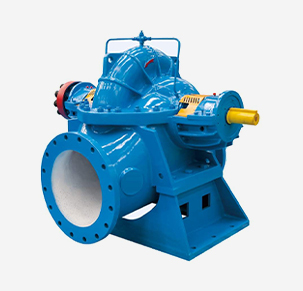
Introduction
Cesspool pumps, also known as effluent pumps, are specialized centrifugal pumps designed for the reliable removal of wastewater from septic tanks and cesspools. Their technical position within the wastewater management chain is critical, serving as the bridge between onsite sewage treatment and potential discharge to a drainfield, municipal sewer system, or advanced treatment facility. Unlike standard sewage ejector pumps, cesspool pumps are engineered to handle a higher solids content and more abrasive materials commonly found in cesspool environments. Core performance characteristics revolve around efficient solids handling capability (expressed as maximum sphere passage size), flow rate (gallons per minute or liters per second), head pressure (feet or meters), and long-term corrosion resistance. The industry currently faces challenges concerning pump longevity in increasingly aggressive waste streams containing non-biodegradable materials, requiring advanced material selection and pump design to mitigate premature failure. Pump selection is further complicated by varying regulations governing effluent quality and discharge permits.
Material Science & Manufacturing
The construction of a durable cesspool pump relies heavily on material science principles. Pump housings are commonly manufactured from cast iron (ASTM A48 Class 30) due to its high tensile strength and cost-effectiveness. However, for prolonged exposure to corrosive effluent, stainless steel (316L grade, conforming to ASTM A743) or engineered polymers like high-density polyethylene (HDPE) are preferred. Impellers, responsible for imparting kinetic energy to the fluid, are frequently constructed from abrasion-resistant materials like high-chrome cast iron or stainless steel. Mechanical seals, critical for preventing leakage around the pump shaft, utilize materials like silicon carbide (SiC) against SiC for superior wear resistance and chemical compatibility. Manufacturing processes involve sand casting for iron housings, investment casting for stainless steel impellers, and rotational molding for HDPE components. Key parameter control during manufacturing includes impeller balancing (to minimize vibration and extend bearing life), seal concentricity (to prevent premature seal failure), and coating application (epoxy coatings conforming to ASTM D3451 are frequently used for corrosion protection). Welding, when employed for housing assembly, must adhere to AWS D1.1 standards for structural welding of steel. Furthermore, polymer components require stringent quality control to ensure consistent material properties and dimensional accuracy.
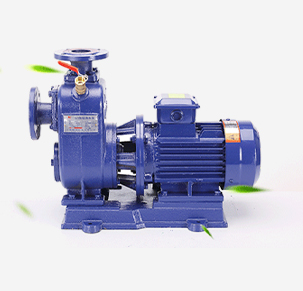
Performance & Engineering
Cesspool pump performance is dictated by a complex interplay of hydraulic forces and mechanical engineering principles. Force analysis focuses on radial loads imposed by the impeller on the pump shaft and axial thrust generated by fluid flow. Pump shafts are typically manufactured from 4140 alloy steel, heat-treated to achieve high yield strength and fatigue resistance. Bearing selection (deep groove ball bearings or tapered roller bearings) is based on anticipated load profiles and operating speeds. Environmental resistance is paramount; pumps must withstand continuous submersion in corrosive wastewater, potential for temperature fluctuations, and exposure to hydrogen sulfide (H2S) gas. Compliance requirements include adherence to NSF/ANSI 61 standards for drinking water system components (even though the effluent is not potable, the standard minimizes potential leaching of harmful substances) and UL 778 standards for safety in submersible pumps. Functional implementation requires careful consideration of pump curve characteristics (relationship between flow rate, head pressure, and efficiency), system head loss calculations (accounting for pipe friction, elevation changes, and valve resistance), and proper electrical grounding to prevent electrical hazards. Pump sizing is crucial to avoid overloading the motor or operating below the minimum flow rate, which can cause overheating and reduced efficiency. Dynamic balancing is performed to minimize vibration and prolong component life.
Technical Specifications
| Pump Model | Maximum Flow Rate (GPM) | Maximum Head (ft) | Solids Handling Capacity (in) |
|---|---|---|---|
| CSP-200 | 120 | 60 | 2 |
| CSP-350 | 180 | 85 | 2.5 |
| CSP-500 | 250 | 110 | 3 |
| CSP-750 | 375 | 140 | 3.5 |
| CSP-1000 | 500 | 170 | 4 |
| CSP-1250 | 625 | 200 | 4.5 |
Failure Mode & Maintenance
Cesspool pump failures typically stem from several key modes. Fatigue cracking in the impeller, often initiated by localized stress concentrations due to solids impingement, is a common issue. Delamination of epoxy coatings, resulting in accelerated corrosion of the cast iron housing, can lead to pump failure. Degradation of mechanical seals, caused by abrasive particles or chemical attack, results in leakage and loss of pumping efficiency. Oxidation of electrical components, particularly motor windings, can occur due to moisture ingress or H2S corrosion. Clogging of the impeller or volute by fibrous materials or debris reduces flow rate and increases motor load. Maintenance solutions include regular inspection of seals and bearings, periodic flushing of the pump housing to remove accumulated solids, and application of corrosion inhibitors. Preventative maintenance schedules should be tailored to the specific operating conditions and effluent composition. For pumps exhibiting excessive vibration, impeller balancing should be performed. If corrosion is evident, replacement of the housing or impeller may be necessary. Regular monitoring of pump performance (flow rate, current draw) can provide early warning signs of potential failure, enabling proactive maintenance interventions. Following manufacturer’s recommendations regarding lubrication and seal replacement is crucial.
Industry FAQ
Q: What is the impact of hydrogen sulfide (H2S) on cesspool pump lifespan?
A: Hydrogen sulfide is a highly corrosive gas commonly found in cesspools. It accelerates the corrosion of metallic components, particularly cast iron and stainless steel, leading to reduced pump lifespan. H2S can also degrade rubber components, such as seals and hoses. Mitigation strategies include utilizing corrosion-resistant materials (316L stainless steel, HDPE), applying protective coatings (epoxy), and ensuring adequate ventilation to reduce H2S concentration.
Q: How do I properly size a cesspool pump for my application?
A: Proper sizing requires careful consideration of the system's total dynamic head (TDH) and desired flow rate. TDH includes static lift, friction losses in the piping, and any pressure requirements at the discharge point. The pump’s performance curve should be consulted to determine the optimal operating point. It's generally advisable to select a pump with a slightly higher capacity than the minimum requirement to account for potential variations in flow rate and future system modifications.
Q: What are the advantages of using a stainless steel pump housing over a cast iron housing?
A: Stainless steel housings offer superior corrosion resistance compared to cast iron, making them ideal for aggressive wastewater environments. While more expensive initially, stainless steel pumps generally have a longer lifespan and require less maintenance in corrosive applications. They also tend to be lighter in weight than cast iron counterparts.
Q: How often should the mechanical seal be replaced in a cesspool pump?
A: The mechanical seal replacement interval depends on the effluent composition and pump operating conditions. As a general guideline, seals should be inspected annually and replaced every 1-3 years, or sooner if leakage is observed. Using a high-quality seal (SiC/SiC) and ensuring proper installation are crucial for maximizing seal life.
Q: What types of preventative maintenance are recommended for cesspool pumps?
A: Recommended preventative maintenance includes regular inspection of seals and bearings, flushing the pump housing to remove accumulated solids, verifying electrical connections are secure and free from corrosion, monitoring pump performance (flow rate, current draw), and lubricating bearings as specified by the manufacturer. Keeping a detailed maintenance log is essential for tracking pump performance and identifying potential issues.
Conclusion
Cesspool pumps represent a critical component within wastewater management systems, demanding careful consideration of material science, engineering design, and operational parameters. Their longevity and performance are directly tied to the selection of corrosion-resistant materials, proper pump sizing, and a diligent preventative maintenance program. Addressing the increasing challenge of handling abrasive and chemically aggressive effluent streams will require continued innovation in pump design and material development.
Effective cesspool pump operation is not merely a matter of selecting the correct model; it demands a holistic understanding of the entire system, from effluent characteristics to discharge regulations. Proactive monitoring and adherence to industry best practices will ultimately minimize downtime, reduce operating costs, and ensure environmental compliance, establishing a sustainable approach to onsite wastewater treatment.
-
Precision at the Pump: How Better Machining Protects Flow and Uptime
News2026-11-20
-
Why Pump Reliability Begins Before the First Drop of Fluid
News2026-11-20
-
Beyond the Pump: Designing Safer Access Around Critical Water Infrastructure
News2026-11-20
-
Why Pumping Stations Depend on the Infrastructure Beneath the Pumps
News2026-11-20
-
Beyond the Pump Room: How Smarter Loading Protects Industrial Equipment
News2026-11-19
-
When Pumps Stop: Designing More Resilient Power for Critical Pumping Systems
News2026-11-19
-
The Hidden Role of Dust and Gas Monitoring in Reliable Pump Operations
News2026-11-19
-
The Hidden Role of Mineral Compounds in Extending Industrial Pump Lifespan
News2026-10-12
-
Why Pump System Reliability Depends on Precision Hose Assembly Methods
News2026-09-15
-
How Advanced Imaging Films Are Transforming Pump Component Quality Control
News2026-08-25
-
How Advanced Filtration Protects Pump Systems from Premature Wear and Costly Downtime
News2026-08-25
-
How Steel Material Selection Drives Pump Reliability in Heavy-Duty Systems
News2026-08-25
-
Ensuring Pump System Efficiency: The Role of High-Quality Pipe Fittings and Tubing
News2026-08-24
-
Optimizing Fluid Dynamics and Material Consistency in Industrial Processing
News2026-08-18
-
Innovations and Challenges in Hydraulic Systems for Heavy Machinery
News2026-08-13




