English
- Afrikaans
- Albanian
- Amharic
- Arabic
- Armenian
- Azerbaijani
- Basque
- Belarusian
- Bengali
- Bosnian
- Bulgarian
- Catalan
- Cebuano
- Corsican
- Croatian
- Czech
- Danish
- Dutch
- English
- Esperanto
- Estonian
- Finnish
- French
- Frisian
- Galician
- Georgian
- German
- Greek
- Gujarati
- Haitian Creole
- hausa
- hawaiian
- Hebrew
- Hindi
- Miao
- Hungarian
- Icelandic
- igbo
- Indonesian
- irish
- Italian
- Japanese
- Javanese
- Kannada
- kazakh
- Khmer
- Rwandese
- Korean
- Kurdish
- Kyrgyz
- Lao
- Latin
- Latvian
- Lithuanian
- Luxembourgish
- Macedonian
- Malgashi
- Malay
- Malayalam
- Maltese
- Maori
- Marathi
- Mongolian
- Myanmar
- Nepali
- Norwegian
- Norwegian
- Occitan
- Pashto
- Persian
- Polish
- Portuguese
- Punjabi
- Romanian
- Russian
- Samoan
- Scottish Gaelic
- Serbian
- Sesotho
- Shona
- Sindhi
- Sinhala
- Slovak
- Slovenian
- Somali
- Spanish
- Sundanese
- Swahili
- Swedish
- Tagalog
- Tajik
- Tamil
- Tatar
- Telugu
- Thai
- Turkish
- Turkmen
- Ukrainian
- Urdu
- Uighur
- Uzbek
- Vietnamese
- Welsh
- Bantu
- Yiddish
- Yoruba
- Zulu

Telephone: +86 13120555503
Email: frank@cypump.com


Apr . 01, 2024 17:55 Back to list
Centrifugal Pump single suction vs double suction Performance Analysis
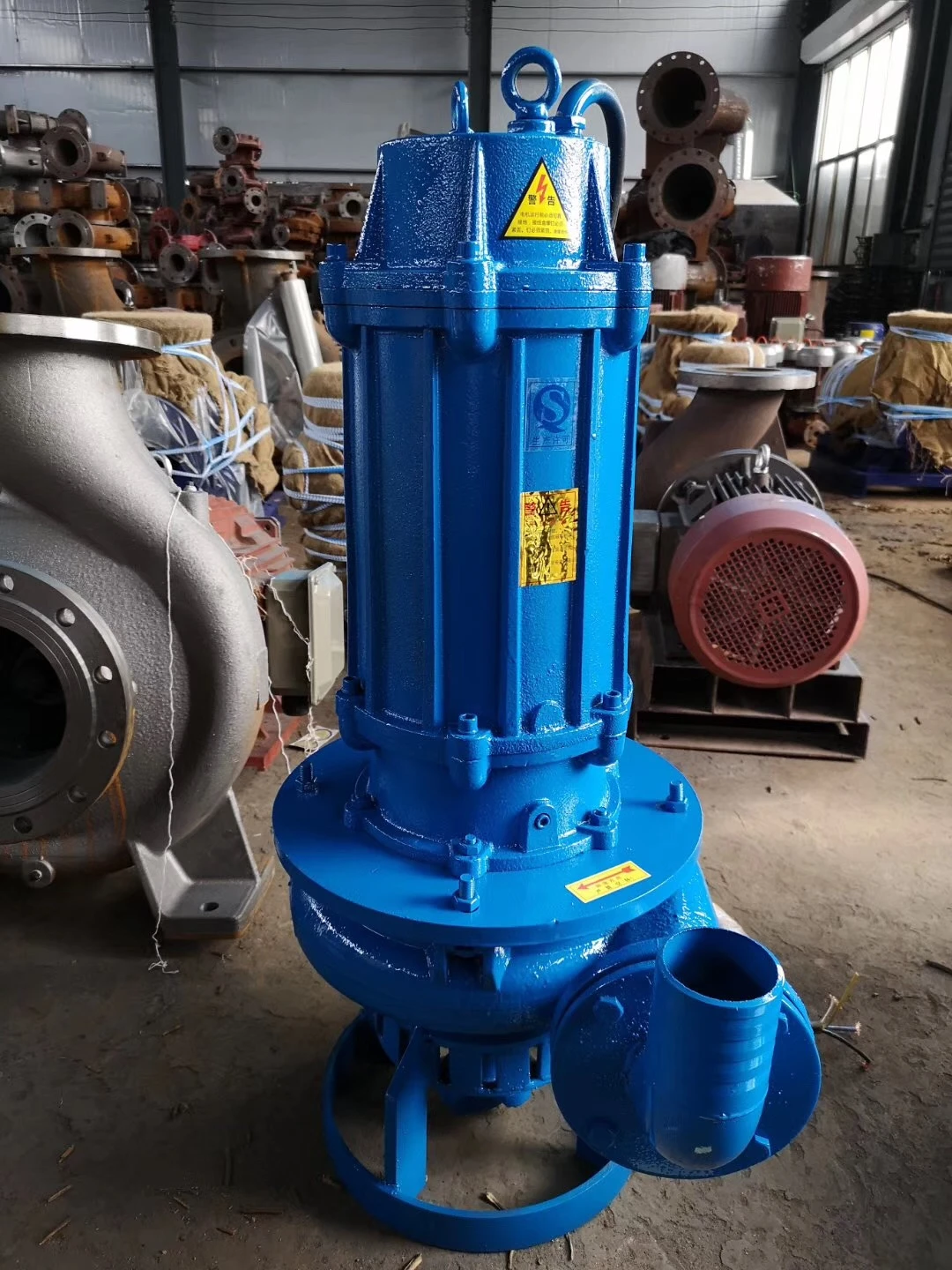
Introduction
Centrifugal pumps are critical components in numerous industrial processes, responsible for fluid transfer across a wide range of applications. Within this category, single suction and double suction pumps represent two primary configurations, distinguished by their impeller design and resulting performance characteristics. Single suction pumps, as the name implies, draw fluid from one side of the impeller, while double suction pumps draw fluid from both sides. This fundamental difference impacts flow rate, head pressure, net positive suction head required (NPSHr), and overall system efficiency. This guide provides a comprehensive technical analysis of single suction versus double suction pumps, covering material science, manufacturing processes, performance parameters, failure modes, and relevant industry standards. The core pain point addressed is selecting the optimal pump configuration for specific application demands, balancing performance, cost, and long-term reliability within stringent operational parameters. Misselection can lead to cavitation, reduced efficiency, increased maintenance, and ultimately, system failure.
Material Science & Manufacturing
The construction of both single and double suction pumps typically utilizes cast iron (ASTM A48 Class 30), ductile iron (ASTM A536 65-45-12), stainless steel (304, 316 – ASTM A743), or specialized alloys depending on the fluid being pumped and the operating environment. Impellers are often made from bronze (Babbitt alloys) or stainless steel to resist corrosion and erosion. Shafts are generally constructed from high-strength carbon steel (AISI 1045) and undergo heat treatment to improve hardness and tensile strength. Seals are commonly comprised of materials like Viton, PTFE, or ceramic. Manufacturing processes for pump housings involve sand casting, investment casting, or centrifugal casting. Impellers are manufactured using investment casting or precision machining. Key parameter control during manufacturing includes dimensional accuracy of the impeller and volute casing to minimize hydraulic losses. Balancing the impeller is crucial to prevent vibration and extend bearing life. For double suction pumps, precise alignment of both suction inlets is essential for symmetrical flow distribution. Welding processes, if employed, require stringent quality control measures (AWS D1.1) to ensure structural integrity and prevent corrosion. Material compatibility is paramount; for example, pumping corrosive fluids necessitates the use of corrosion-resistant alloys like Hastelloy or titanium.
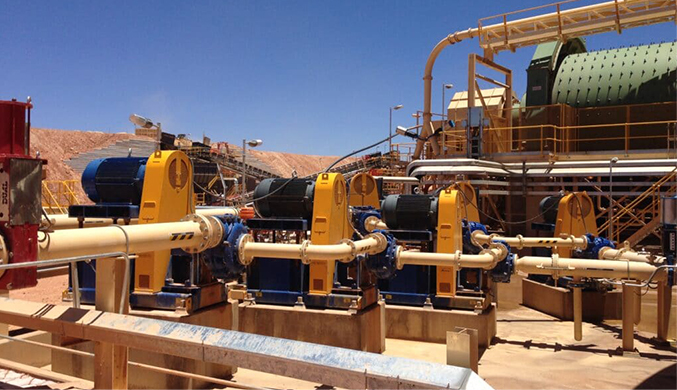
Performance & Engineering
The performance of centrifugal pumps is dictated by several key engineering principles. Force analysis focuses on hydraulic forces acting on the impeller and casing, and mechanical forces from the rotating components. Double suction pumps, due to their increased inlet area, generally exhibit lower NPSHr requirements compared to single suction pumps of equivalent capacity. This reduces the risk of cavitation, particularly with liquids having high vapor pressures or operating at elevated temperatures. The specific speed (Ns) – a dimensionless number relating flow rate, head, and rotational speed – helps categorize pump types. Single suction pumps are generally favored for lower specific speeds, while double suction pumps excel in medium-to-high specific speed applications. Environmental resistance is a critical factor, particularly in outdoor installations. Coatings, such as epoxy or polyurethane, are applied to protect pump housings from corrosion and UV degradation. Compliance requirements, such as those outlined by API 610 (Centrifugal Pumps), dictate minimum performance standards, material specifications, and testing procedures. Hydraulic Institute standards (HI) also provide guidelines for pump testing and performance evaluation. Double suction pumps offer the advantage of radial thrust cancellation if the impeller is properly designed, reducing bearing loads and extending bearing life.
Technical Specifications
| Parameter | Single Suction Pump | Double Suction Pump | Typical Application |
|---|---|---|---|
| Flow Rate (m³/h) | Up to 500 | Up to 2000 | Water supply, irrigation |
| Head (m) | Up to 80 | Up to 150 | Boiler feed, cooling water |
| NPSHr (m) | 1.5 – 4 | 0.5 – 2.5 | Applications with limited suction head |
| Specific Speed (Ns) | < 50 | 50 – 150 | Varying flow and head requirements |
| Efficiency (%) | 65 – 80 | 70 – 85 | High-volume fluid transfer |
| Pump Weight (kg) | 50 – 300 | 150 – 800 | Installation considerations |
Failure Mode & Maintenance
Common failure modes in centrifugal pumps include cavitation (erosion of impeller vanes due to vapor bubble collapse), impeller cracking (fatigue or stress corrosion cracking), bearing failure (due to inadequate lubrication or overload), seal leakage (wear or chemical incompatibility), and casing corrosion (particularly in aggressive environments). Cavitation is a significant concern, leading to reduced pump performance and potential impeller damage. Fatigue cracking can occur in the impeller due to cyclical loading and stress concentrations. Bearing failure manifests as increased vibration and noise. Seal leakage results in fluid loss and potential environmental contamination. Oxidation and erosion, especially in abrasive fluid applications, degrade impeller and casing components. Preventive maintenance strategies include regular vibration analysis, lubrication of bearings, seal inspection and replacement, and coating repair. Non-destructive testing (NDT) methods, such as ultrasonic testing (UT) and radiographic testing (RT), can detect cracks and defects before they lead to catastrophic failure. Proper alignment of the pump and motor is crucial to minimize vibration and extend bearing life. Regular monitoring of pump performance parameters (flow rate, head, power consumption) can identify anomalies and predict potential failures.
Industry FAQ
Q: What are the key considerations when selecting between a single and double suction pump for a raw water intake application?
A: For raw water intake, the primary considerations are NPSHr and flow rate. Raw water often has a relatively low NPSHa (Net Positive Suction Head Available). Double suction pumps generally have lower NPSHr requirements, making them less susceptible to cavitation. If the required flow rate is high, a double suction pump will likely be more efficient and cost-effective than using a larger single suction pump.
Q: How does impeller design affect the performance of a double suction pump compared to a single suction pump?
A: In a double suction pump, the impeller design must ensure symmetrical flow distribution from both inlets. Any imbalance in flow can create radial thrust, increasing bearing loads. Impeller vane angle and number are crucial parameters. Generally, double suction pump impellers are designed with a larger diameter to accommodate the higher flow rates.
Q: What materials are recommended for pump construction when handling corrosive fluids like sulfuric acid?
A: When handling sulfuric acid, materials like stainless steel 316, Alloy 20, or Hastelloy C are recommended. These alloys exhibit superior resistance to corrosion by sulfuric acid. The specific alloy selection will depend on the acid concentration, temperature, and flow velocity.
Q: Can a single suction pump be retrofitted to a double suction configuration? What are the challenges?
A: While theoretically possible, retrofitting a single suction pump to a double suction configuration is generally not practical. It requires significant modifications to the pump casing, impeller, and shaft. The challenges include ensuring proper alignment of the new suction inlet, maintaining hydraulic balance, and achieving adequate structural integrity. It’s almost always more cost-effective to replace the pump entirely.
Q: What maintenance procedures are critical for extending the lifespan of a double suction pump handling abrasive slurries?
A: When handling abrasive slurries, frequent inspection and replacement of the impeller, casing liners, and seals are critical. Hardfacing or ceramic coatings can be applied to impeller vanes and casing surfaces to enhance wear resistance. Regular monitoring of pump performance and vibration levels can detect early signs of wear and prevent catastrophic failure. Flush seals should be utilized to prevent abrasive particles from entering the seal chamber.
Conclusion
The selection between single and double suction pumps is a critical engineering decision heavily influenced by application-specific requirements. Double suction pumps offer advantages in higher flow rate applications, lower NPSHr, and potentially improved efficiency, but generally come with increased cost and complexity. Single suction pumps are well-suited for lower flow applications and are typically more economical. A thorough understanding of hydraulic principles, material science, and industry standards (API, HI) is essential for making an informed selection. Careful consideration of the fluid properties, operating conditions, and lifecycle costs will ensure optimal pump performance and long-term reliability.
Future advancements in pump technology will likely focus on improving impeller designs to minimize cavitation and enhance efficiency, developing more robust materials for abrasive slurry applications, and implementing smart monitoring systems for predictive maintenance. Embracing these innovations will further optimize pump performance and reduce operational costs, solidifying the role of centrifugal pumps as essential components of industrial infrastructure.
-
Comprehensive Guide to Waterproof ORings for Optimal Sealing Solutions
News2026-06-09
-
Septic Pump System Performance Analysis
News2026-06-08
-
pump for septic Material Science
News2026-06-08
-
basement sewer pump Performance Analysis
News2026-06-08
-
submerged pump Performance Engineering
News2026-06-08
-
Septic System Pumps Performance Analysis
News2026-06-08
-
septic system pump Material Science and Manufacturing
News2026-06-07
-
pump for septic tank Material Science Manufacturing
News2026-06-07
-
submersible sewage pump Material Science
News2026-06-07
-
Sewage Ejector Material Science and Manufacturing
News2026-06-07
-
Ejection Pump Material Science
News2026-06-07
-
pump submersible Performance Analysis
News2026-06-06
-
ejector pumps Performance Engineering
News2026-06-06
-
basement ejector pump Material Science Manufacturing
News2026-06-06
-
Septic Tanks Pumping Performance Analysis
News2026-06-06




