English
- Afrikaans
- Albanian
- Amharic
- Arabic
- Armenian
- Azerbaijani
- Basque
- Belarusian
- Bengali
- Bosnian
- Bulgarian
- Catalan
- Cebuano
- Corsican
- Croatian
- Czech
- Danish
- Dutch
- English
- Esperanto
- Estonian
- Finnish
- French
- Frisian
- Galician
- Georgian
- German
- Greek
- Gujarati
- Haitian Creole
- hausa
- hawaiian
- Hebrew
- Hindi
- Miao
- Hungarian
- Icelandic
- igbo
- Indonesian
- irish
- Italian
- Japanese
- Javanese
- Kannada
- kazakh
- Khmer
- Rwandese
- Korean
- Kurdish
- Kyrgyz
- Lao
- Latin
- Latvian
- Lithuanian
- Luxembourgish
- Macedonian
- Malgashi
- Malay
- Malayalam
- Maltese
- Maori
- Marathi
- Mongolian
- Myanmar
- Nepali
- Norwegian
- Norwegian
- Occitan
- Pashto
- Persian
- Polish
- Portuguese
- Punjabi
- Romanian
- Russian
- Samoan
- Scottish Gaelic
- Serbian
- Sesotho
- Shona
- Sindhi
- Sinhala
- Slovak
- Slovenian
- Somali
- Spanish
- Sundanese
- Swahili
- Swedish
- Tagalog
- Tajik
- Tamil
- Tatar
- Telugu
- Thai
- Turkish
- Turkmen
- Ukrainian
- Urdu
- Uighur
- Uzbek
- Vietnamese
- Welsh
- Bantu
- Yiddish
- Yoruba
- Zulu

Telephone: +86 13120555503
Email: frank@cypump.com


Apr . 01, 2024 17:55 Back to list
centrifugal pump mixed flow Performance Analysis
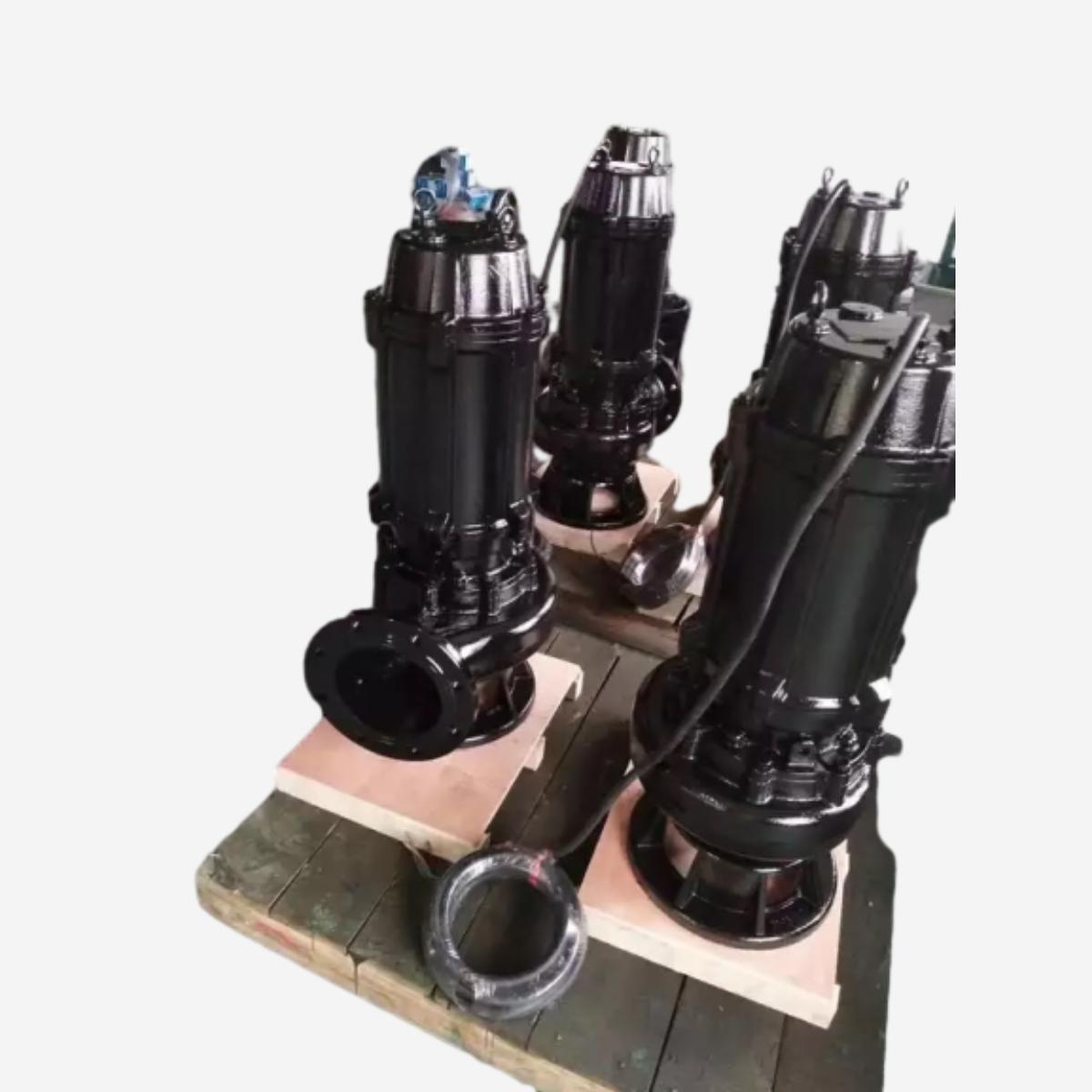
Introduction
Centrifugal pump mixed flow designs represent a crucial segment within the broader centrifugal pump category, positioned between purely radial and axial flow configurations. These pumps utilize an impeller that imparts both radial and axial velocity components to the fluid, achieving a balance between head and flow rate characteristics. They are commonly employed in applications demanding moderate head and high flow, such as water distribution, irrigation, drainage, and low-lift pumping stations. Their position in the industrial chain places them as integral components within larger fluid handling systems, directly impacting process efficiency and operational cost. Core performance indicators include flow rate (m³/h), head (m), efficiency (%), Net Positive Suction Head Required (NPSHr), and power consumption (kW). A key pain point within the industry is optimizing impeller geometry to maximize efficiency across a wider range of operating conditions while mitigating cavitation risk and ensuring structural integrity.
Material Science & Manufacturing
The performance and longevity of mixed flow pumps are heavily dependent on material selection and manufacturing precision. Impellers and volute casings are typically constructed from cast iron (ASTM A48 Class 30), stainless steel (304, 316 – ASTM A743), or ductile iron (ASTM A536). Cast iron provides cost-effectiveness and good machinability but is susceptible to corrosion. Stainless steels offer superior corrosion resistance, crucial for handling aggressive fluids, albeit at a higher cost. Ductile iron combines strength and ductility, improving resistance to cracking under pressure. Manufacturing processes begin with pattern making for the casting process. The casting itself is followed by precision machining of the impeller vanes and volute internal surfaces. Key parameters controlled during impeller manufacturing include vane angle, vane thickness, and surface finish. Volute casing manufacturing demands precise internal profiling to minimize hydraulic losses. Welding procedures (AWS D1.1 for steel) are employed for joining casing components, requiring strict adherence to non-destructive testing (NDT) methods – radiographic testing (RT), ultrasonic testing (UT), and liquid penetrant testing (PT) – to ensure weld integrity. Fiber reinforcement polymers are increasingly used for smaller pumps, requiring careful consideration of resin chemistry (epoxy, polyester) and fiber orientation to maximize tensile strength and prevent delamination.
Performance & Engineering
Mixed flow pump performance is governed by a complex interplay of fluid dynamics and mechanical engineering principles. Force analysis focuses on impeller stresses due to centrifugal forces and fluid pressure. Finite Element Analysis (FEA) is routinely used to optimize impeller geometry, minimizing stress concentrations and predicting deformation under load. Cavitation – the formation and collapse of vapor bubbles – is a significant concern, leading to impeller erosion and reduced pump efficiency. NPSHr calculations are critical to ensure adequate inlet pressure and prevent cavitation. The pump's hydraulic efficiency is directly linked to the impeller’s blade angle and the volute’s cross-sectional area. Environmental resistance considerations include operating temperature limitations (dictated by material properties) and the potential for corrosion or erosion from the pumped fluid. Compliance requirements vary by region. In Europe, CE marking (EN 16767) is mandatory, demonstrating conformity to safety and performance standards. North America typically requires Hydraulic Institute standards (HI) compliance for performance testing and certification. Proper pump alignment with the motor is crucial to prevent bearing failure and shaft vibration, necessitating laser alignment techniques and vibration analysis (ISO 10816).
Technical Specifications
| Parameter | Unit | Typical Range | Testing Standard |
|---|---|---|---|
| Flow Rate | m³/h | 50-1500 | ISO 9906:2012 |
| Head | m | 10-80 | ISO 9906:2012 |
| Efficiency | % | 65-85 | ISO 9906:2012 |
| NPSHr | m | 2-10 | ISO 9906:2012 |
| Power | kW | 0.5-200 | IEC 60034-1 |
| Maximum Solids Handling | mm | Up to 25 (dependent on impeller design) | Based on application & design |
Failure Mode & Maintenance
Centrifugal mixed flow pumps are susceptible to several failure modes. Fatigue cracking in the impeller, particularly around the vane roots, can occur due to cyclical loading. Corrosion, especially in cast iron impellers exposed to corrosive fluids, leads to material loss and reduced efficiency. Cavitation erosion manifests as pitting on the impeller surface, severely impacting performance. Bearing failure is a common issue, often stemming from misalignment, inadequate lubrication, or contamination. Shaft seal leakage can occur due to wear or improper installation. Maintenance strategies include regular visual inspections for corrosion and erosion, vibration analysis to detect bearing issues, and lubrication schedule adherence. Impeller replacement is often necessary after prolonged exposure to abrasive fluids. Shaft seals should be inspected and replaced periodically. Preventive maintenance programs, incorporating oil analysis (ISO 13357) and thermal imaging, can significantly extend pump lifespan and reduce unplanned downtime. For corrosion-related failures, applying protective coatings (epoxy, ceramic) can mitigate the problem. Consider upgrading to more corrosion-resistant materials like stainless steel for harsh environments.
Industry FAQ
Q: What is the impact of impeller trim on pump efficiency and NPSHr?
A: Impeller trimming – reducing the impeller diameter – is often used to adjust pump performance to meet specific system requirements. While it reduces flow rate and head, it can also negatively impact efficiency. More importantly, trimming significantly increases NPSHr. Careful hydraulic modeling is crucial to determine the optimal trim level without compromising efficiency or creating cavitation issues. It’s essential to re-evaluate NPSHa (Net Positive Suction Head Available) after trimming to ensure it exceeds NPSHr by a sufficient margin.
Q: How do different impeller materials affect corrosion resistance in wastewater applications?
A: Wastewater contains a diverse range of corrosive agents. Cast iron is generally unsuitable for most wastewater applications due to its susceptibility to corrosion. Ductile iron offers moderate resistance but may still experience corrosion over time. Stainless steel (316) provides significantly better corrosion resistance, especially against chlorides, commonly found in wastewater. However, even 316 stainless steel can experience localized corrosion in highly aggressive environments. Special alloy materials, like duplex stainless steel, offer superior corrosion resistance but at a higher cost.
Q: What are the primary causes of vibration in mixed flow pumps and how can they be diagnosed?
A: Common causes of pump vibration include impeller imbalance, misalignment between the pump and motor, bearing wear, cavitation, and resonance within the piping system. Diagnosis typically involves vibration analysis using a spectrum analyzer. Identifying the vibration frequency can pinpoint the source of the problem. For example, a frequency corresponding to the impeller rotational speed suggests imbalance, while a frequency related to bearing defects indicates bearing wear. Laser alignment tools are used to verify proper pump-motor alignment.
Q: How important is the volute casing design for achieving optimal pump efficiency?
A: The volute casing plays a critical role in converting velocity energy into pressure energy. Its internal profile must be carefully designed to minimize hydraulic losses and ensure smooth flow. An improperly designed volute can create turbulence and recirculation, leading to reduced efficiency and increased noise. Computational Fluid Dynamics (CFD) modeling is often employed during the design phase to optimize the volute geometry and minimize these losses.
Q: What are the limitations of using mixed flow pumps in high-head applications?
A: While mixed flow pumps offer a good balance of head and flow, they are not well-suited for very high-head applications. As head requirements increase, the flow rate tends to decrease significantly. For extremely high-head applications, radial flow pumps are generally more efficient and appropriate. Attempting to achieve high head with a mixed flow pump often results in reduced efficiency, increased power consumption, and a higher risk of cavitation.
Conclusion
Centrifugal mixed flow pumps represent a versatile solution for a wide array of fluid handling applications, providing a balance between flow rate and head. Their performance relies heavily on meticulous material selection, precise manufacturing techniques, and rigorous adherence to industry standards. Understanding the potential failure modes – including cavitation, corrosion, and mechanical wear – and implementing proactive maintenance strategies are paramount for ensuring long-term reliability and minimizing operational costs.
Future advancements in pump design will likely focus on optimizing impeller geometry using advanced CFD modeling and exploring new materials with enhanced corrosion resistance and wear properties. Integration of smart sensors and predictive maintenance algorithms will further improve pump reliability and reduce downtime, leading to more efficient and sustainable fluid handling systems. Continued adherence to international standards and best practices remains crucial for maintaining performance and safety.
-
Precision at the Pump: How Better Machining Protects Flow and Uptime
News2026-11-20
-
Why Pump Reliability Begins Before the First Drop of Fluid
News2026-11-20
-
Beyond the Pump: Designing Safer Access Around Critical Water Infrastructure
News2026-11-20
-
Why Pumping Stations Depend on the Infrastructure Beneath the Pumps
News2026-11-20
-
Beyond the Pump Room: How Smarter Loading Protects Industrial Equipment
News2026-11-19
-
When Pumps Stop: Designing More Resilient Power for Critical Pumping Systems
News2026-11-19
-
The Hidden Role of Dust and Gas Monitoring in Reliable Pump Operations
News2026-11-19
-
The Hidden Role of Mineral Compounds in Extending Industrial Pump Lifespan
News2026-10-12
-
Why Pump System Reliability Depends on Precision Hose Assembly Methods
News2026-09-15
-
How Advanced Imaging Films Are Transforming Pump Component Quality Control
News2026-08-25
-
How Advanced Filtration Protects Pump Systems from Premature Wear and Costly Downtime
News2026-08-25
-
How Steel Material Selection Drives Pump Reliability in Heavy-Duty Systems
News2026-08-25
-
Ensuring Pump System Efficiency: The Role of High-Quality Pipe Fittings and Tubing
News2026-08-24
-
Optimizing Fluid Dynamics and Material Consistency in Industrial Processing
News2026-08-18
-
Innovations and Challenges in Hydraulic Systems for Heavy Machinery
News2026-08-13




