English
- Afrikaans
- Albanian
- Amharic
- Arabic
- Armenian
- Azerbaijani
- Basque
- Belarusian
- Bengali
- Bosnian
- Bulgarian
- Catalan
- Cebuano
- Corsican
- Croatian
- Czech
- Danish
- Dutch
- English
- Esperanto
- Estonian
- Finnish
- French
- Frisian
- Galician
- Georgian
- German
- Greek
- Gujarati
- Haitian Creole
- hausa
- hawaiian
- Hebrew
- Hindi
- Miao
- Hungarian
- Icelandic
- igbo
- Indonesian
- irish
- Italian
- Japanese
- Javanese
- Kannada
- kazakh
- Khmer
- Rwandese
- Korean
- Kurdish
- Kyrgyz
- Lao
- Latin
- Latvian
- Lithuanian
- Luxembourgish
- Macedonian
- Malgashi
- Malay
- Malayalam
- Maltese
- Maori
- Marathi
- Mongolian
- Myanmar
- Nepali
- Norwegian
- Norwegian
- Occitan
- Pashto
- Persian
- Polish
- Portuguese
- Punjabi
- Romanian
- Russian
- Samoan
- Scottish Gaelic
- Serbian
- Sesotho
- Shona
- Sindhi
- Sinhala
- Slovak
- Slovenian
- Somali
- Spanish
- Sundanese
- Swahili
- Swedish
- Tagalog
- Tajik
- Tamil
- Tatar
- Telugu
- Thai
- Turkish
- Turkmen
- Ukrainian
- Urdu
- Uighur
- Uzbek
- Vietnamese
- Welsh
- Bantu
- Yiddish
- Yoruba
- Zulu

Telephone: +86 13120555503
Email: frank@cypump.com


Apr . 01, 2024 17:55 Back to list
centrifugal pump double suction Performance Analysis
Introduction
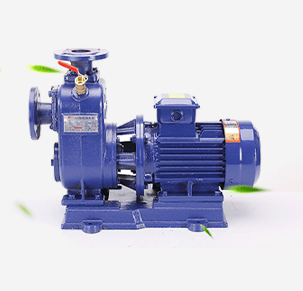
The centrifugal pump, double suction, is a dynamic fluid transfer machine utilized extensively across industrial sectors including water supply, irrigation, power generation, and chemical processing. Distinguished by its impeller design incorporating inlets on both sides, it effectively mitigates radial thrust, enabling higher flow rates and operational stability compared to single-suction configurations. This design feature is critical in applications demanding substantial fluid volume transport. Positioned within the industry chain as a core component of fluid handling systems, the double suction centrifugal pump’s performance dictates the efficiency and reliability of entire processes. Core performance characteristics include volumetric flow rate (typically measured in m³/h or GPM), total dynamic head (TDH - expressed in meters or feet), and pump efficiency – parameters directly influenced by impeller geometry, rotational speed, and fluid properties. Understanding these aspects is vital for correct pump selection and optimal system integration, addressing the significant industry pain point of mismatched pumping systems leading to energy waste and premature component failure.
Material Science & Manufacturing
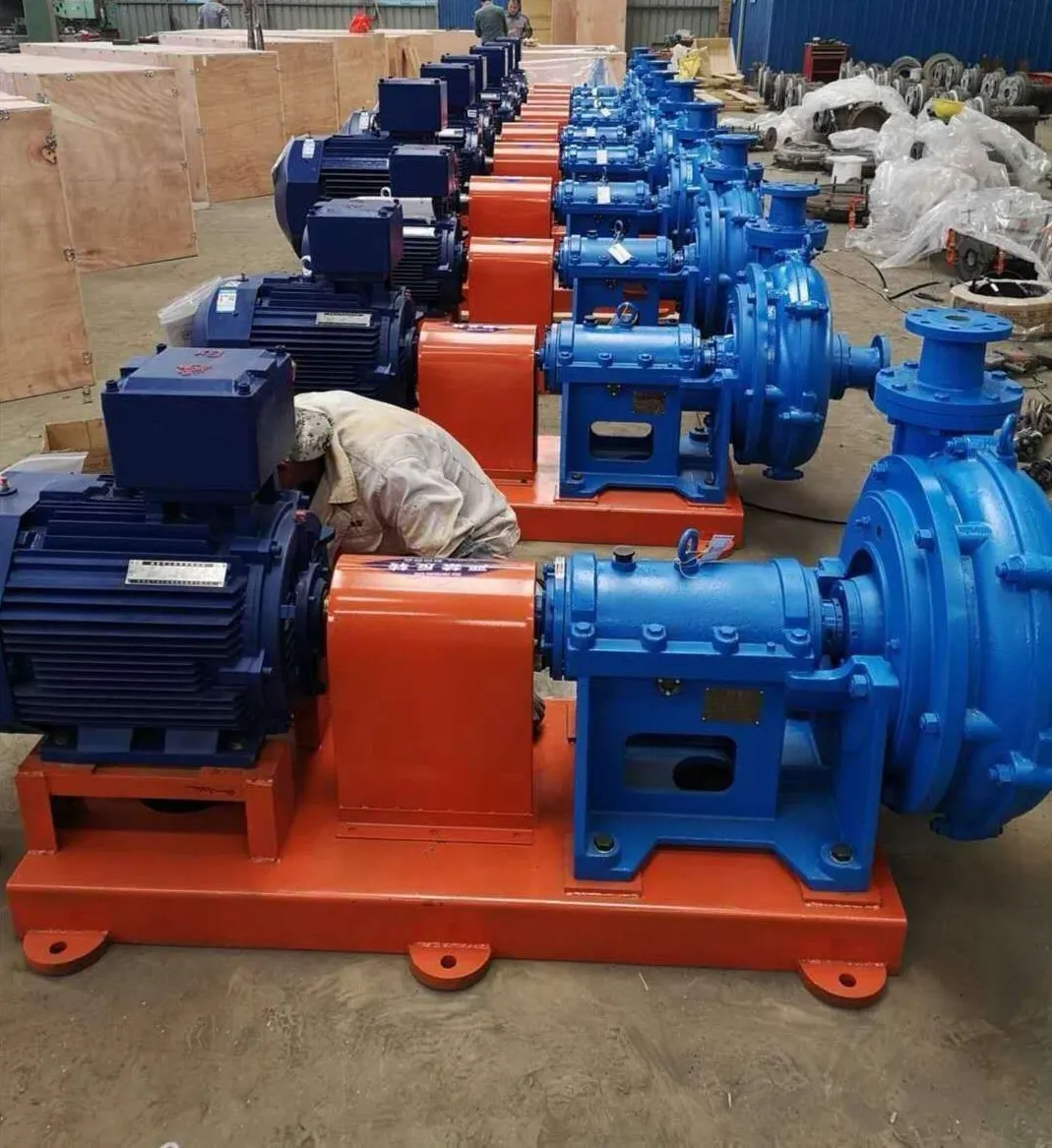
The construction of a double suction centrifugal pump heavily relies on materials selected for their corrosion resistance, mechanical strength, and compatibility with the transported fluid. Common materials include cast iron (ASTM A48 Class 30, offering cost-effectiveness for clean water applications), stainless steel (304/316 – providing superior corrosion resistance for aggressive fluids), and specialized alloys like duplex stainless steel (for highly corrosive environments like seawater). Impellers are often manufactured using techniques like investment casting or sand casting, with subsequent machining to achieve precise hydraulic profiles. Casing components are generally produced via sand casting followed by meticulous surface preparation. Key manufacturing parameters include impeller balancing (minimizing vibration and extending bearing life), surface finish (reducing friction losses and promoting flow efficiency), and weld quality (ensuring structural integrity of the casing). The shaft material (typically alloy steel, heat-treated for enhanced strength and wear resistance) undergoes stringent quality control regarding hardness and concentricity. A significant challenge in manufacturing lies in maintaining dimensional accuracy of the impeller and casing to achieve optimal hydraulic performance; deviations can dramatically reduce efficiency and increase cavitation risk. Post-manufacturing processes like hydrostatic testing (verifying casing integrity) and performance testing (measuring flow rate, head, and efficiency) are critical steps in quality assurance. The selection of appropriate shaft sealing materials – often mechanical seals composed of silicon carbide or tungsten carbide faces – is also paramount to prevent leakage and maintain system efficiency.
Performance & Engineering
The performance of a double suction centrifugal pump is fundamentally governed by the principles of fluid dynamics. The pump’s performance curve, depicting head vs. flow rate, is crucial for system design. Force analysis considers not only the hydraulic forces acting on the impeller but also the radial thrust generated by the fluid pressure imbalance. The double-suction design significantly reduces this radial thrust, increasing bearing life. Environmental resistance is a vital consideration; pumps operating outdoors require protective coatings and materials resistant to UV degradation and temperature fluctuations. Compliance requirements vary by region and application, often involving adherence to standards like ANSI/ASME B73.1 for pump dimensions and performance testing, and ISO 9906 for pump efficiency classification. Cavitation – the formation of vapor bubbles due to low pressure – is a major concern; proper Net Positive Suction Head Required (NPSHr) calculations are essential to prevent impeller damage. Pump efficiency is affected by hydraulic losses (friction within the pump), volumetric losses (leakage), and mechanical losses (bearing friction). Engineering considerations also include the selection of appropriate driver (motor) size, coupling type, and control systems (variable frequency drives – VFDs – for flow rate adjustment). A common industry pain point is inadequate consideration of NPSHr, leading to pump damage and costly downtime. Furthermore, efficient pump operation requires meticulous system design to minimize head losses in the piping network.
Technical Specifications
| Parameter | Typical Value (Small Pump) | Typical Value (Medium Pump) | Typical Value (Large Pump) |
|---|---|---|---|
| Flow Rate (m³/h) | 5 - 50 | 50 - 200 | 200 - 1000+ |
| Total Dynamic Head (TDH) (m) | 10 - 30 | 30 - 80 | 80 - 200+ |
| Power (kW) | 1.5 - 7.5 | 7.5 - 45 | 45 - 300+ |
| Impeller Diameter (mm) | 150 - 300 | 300 - 600 | 600 - 1200+ |
| Suction Flange Diameter (mm) | 50 - 100 | 100 - 200 | 200 - 400+ |
| Discharge Flange Diameter (mm) | 50 - 100 | 100 - 200 | 200 - 400+ |
Failure Mode & Maintenance
Common failure modes in double suction centrifugal pumps include impeller cavitation (leading to pitting and erosion), bearing failure (due to inadequate lubrication or overload), seal failure (causing leakage), and casing cracking (resulting from stress corrosion or excessive pressure). Fatigue cracking in the impeller, particularly around the blade roots, can occur due to cyclic loading. Delamination of coatings on the impeller or casing can accelerate corrosion. Oxidation of metallic components, especially in harsh environments, reduces material strength. Preventive maintenance is crucial and should include regular vibration analysis (detecting bearing wear or impeller imbalance), oil analysis (assessing lubricant condition), seal inspection (identifying leakage), and visual inspection for corrosion or cracks. Proper lubrication is paramount to extend bearing life. Impeller balancing should be performed periodically to minimize vibration. Seal replacement should be scheduled based on operating hours and fluid characteristics. Casing repairs often require welding and subsequent non-destructive testing (NDT) to ensure structural integrity. A significant industry pain point is reactive maintenance – addressing failures only after they occur – resulting in costly downtime and secondary damage. Implementing a robust predictive maintenance program, leveraging sensor data and data analytics, can significantly improve reliability and reduce lifecycle costs.
Industry FAQ
Q: What is the primary advantage of a double suction pump over a single suction pump in large-scale water transfer?
A: The primary advantage is the reduced radial thrust. In large-scale applications, the higher flow rates of a single suction pump generate significant radial forces on the impeller, requiring heavier-duty bearings and potentially leading to premature failure. The double suction design effectively balances these forces, allowing for a more stable and reliable operation with lower bearing loads and increased efficiency.
Q: How critical is NPSHr calculation, and what are the consequences of insufficient NPSH available?
A: NPSHr calculation is extremely critical. Insufficient Net Positive Suction Head Available (NPSHa) compared to the NPSHr leads to cavitation. Cavitation causes impeller erosion, noise, vibration, and reduced pump performance. Prolonged operation under cavitating conditions can lead to catastrophic impeller failure and significant downtime.
Q: What materials are recommended for pumping highly corrosive fluids like sulfuric acid?
A: For highly corrosive fluids like sulfuric acid, materials such as duplex stainless steel, Alloy 20, or specialized polymers like PTFE (Teflon) are recommended. The specific material selection depends on the concentration and temperature of the acid. Standard stainless steels (304/316) are generally not suitable for prolonged exposure to concentrated sulfuric acid.
Q: What is the role of VFDs in optimizing centrifugal pump performance and reducing energy consumption?
A: Variable Frequency Drives (VFDs) allow for precise control of the pump’s rotational speed, enabling flow rate adjustment to match system demand. This avoids throttling losses, which are common with traditional valve control, and significantly reduces energy consumption. VFDs also provide soft starting and stopping, minimizing stress on the pump and motor.
Q: How does impeller trim affect pump performance and efficiency?
A: Impeller trim – reducing the impeller diameter – lowers the pump's head and flow rate. It’s a common method for matching the pump’s performance to a specific system requirement. However, excessive trimming can reduce pump efficiency and increase the risk of cavitation. Careful hydraulic analysis is required to determine the optimal trim size.
Conclusion
The double suction centrifugal pump remains a cornerstone of industrial fluid handling due to its robust design and ability to deliver high flow rates reliably. Effective selection and implementation necessitate a deep understanding of material science, hydraulic principles, and industry-specific compliance standards. Addressing the common industry pain points of cavitation, corrosion, and mismatched system design requires meticulous attention to NPSHr calculations, material selection, and system optimization.
Continued advancements in pump design, coupled with the integration of predictive maintenance technologies and smart control systems, promise to further enhance the efficiency, reliability, and longevity of these critical machines, reducing lifecycle costs and improving overall process performance. A proactive approach to maintenance and a thorough understanding of operational parameters are crucial for maximizing the return on investment and ensuring the long-term viability of any pumping system.
-
Comprehensive Guide to Waterproof ORings for Optimal Sealing Solutions
News2026-06-09
-
Septic Pump System Performance Analysis
News2026-06-08
-
pump for septic Material Science
News2026-06-08
-
basement sewer pump Performance Analysis
News2026-06-08
-
submerged pump Performance Engineering
News2026-06-08
-
Septic System Pumps Performance Analysis
News2026-06-08
-
septic system pump Material Science and Manufacturing
News2026-06-07
-
pump for septic tank Material Science Manufacturing
News2026-06-07
-
submersible sewage pump Material Science
News2026-06-07
-
Sewage Ejector Material Science and Manufacturing
News2026-06-07
-
Ejection Pump Material Science
News2026-06-07
-
pump submersible Performance Analysis
News2026-06-06
-
ejector pumps Performance Engineering
News2026-06-06
-
basement ejector pump Material Science Manufacturing
News2026-06-06
-
Septic Tanks Pumping Performance Analysis
News2026-06-06




