English
- Afrikaans
- Albanian
- Amharic
- Arabic
- Armenian
- Azerbaijani
- Basque
- Belarusian
- Bengali
- Bosnian
- Bulgarian
- Catalan
- Cebuano
- Corsican
- Croatian
- Czech
- Danish
- Dutch
- English
- Esperanto
- Estonian
- Finnish
- French
- Frisian
- Galician
- Georgian
- German
- Greek
- Gujarati
- Haitian Creole
- hausa
- hawaiian
- Hebrew
- Hindi
- Miao
- Hungarian
- Icelandic
- igbo
- Indonesian
- irish
- Italian
- Japanese
- Javanese
- Kannada
- kazakh
- Khmer
- Rwandese
- Korean
- Kurdish
- Kyrgyz
- Lao
- Latin
- Latvian
- Lithuanian
- Luxembourgish
- Macedonian
- Malgashi
- Malay
- Malayalam
- Maltese
- Maori
- Marathi
- Mongolian
- Myanmar
- Nepali
- Norwegian
- Norwegian
- Occitan
- Pashto
- Persian
- Polish
- Portuguese
- Punjabi
- Romanian
- Russian
- Samoan
- Scottish Gaelic
- Serbian
- Sesotho
- Shona
- Sindhi
- Sinhala
- Slovak
- Slovenian
- Somali
- Spanish
- Sundanese
- Swahili
- Swedish
- Tagalog
- Tajik
- Tamil
- Tatar
- Telugu
- Thai
- Turkish
- Turkmen
- Ukrainian
- Urdu
- Uighur
- Uzbek
- Vietnamese
- Welsh
- Bantu
- Yiddish
- Yoruba
- Zulu

Telephone: +86 13120555503
Email: frank@cypump.com


Apr . 01, 2024 17:55 Back to list
centrifugal double suction pump price Performance Analysis
Introduction
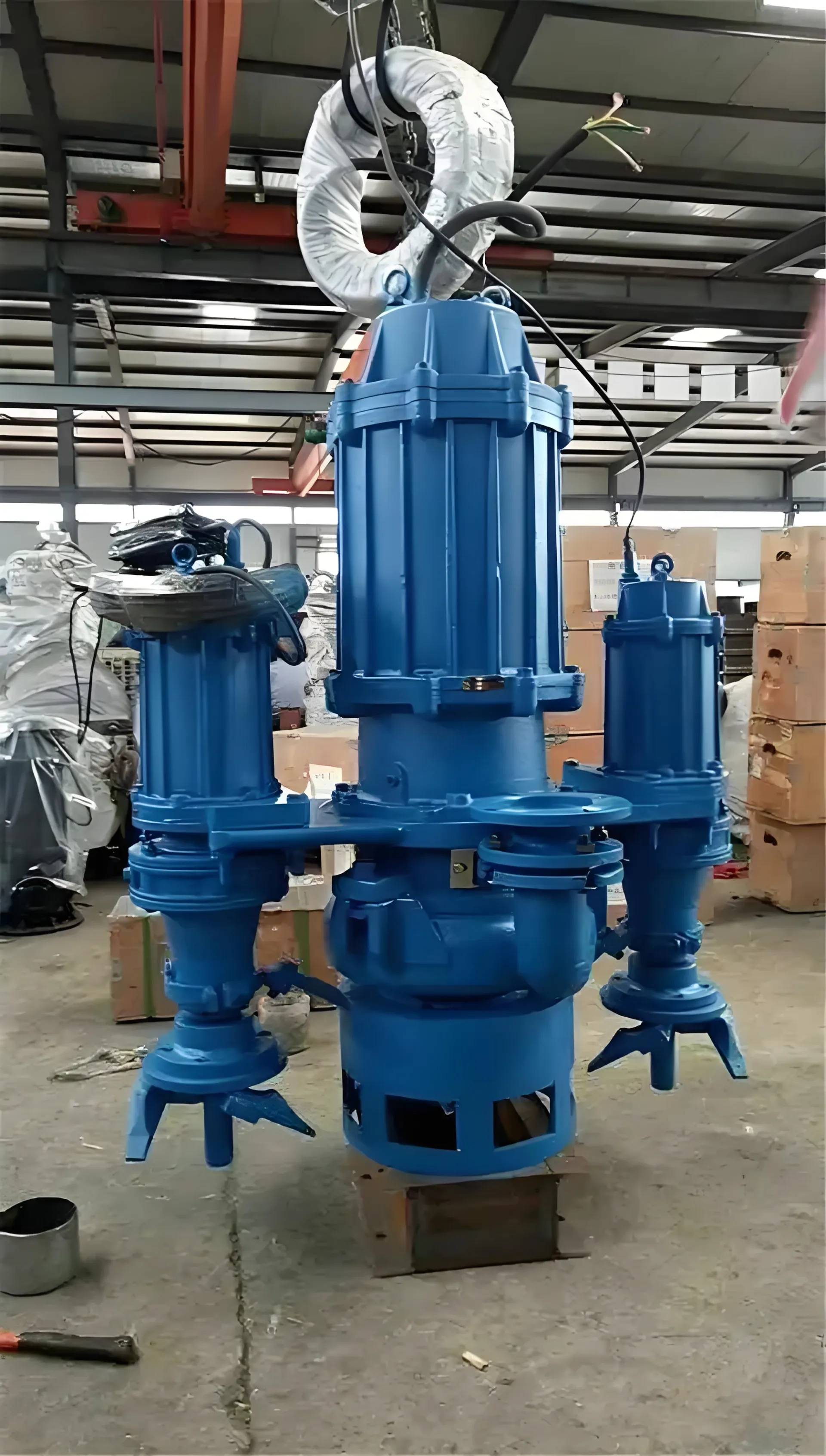
Centrifugal double suction pumps are a critical component in numerous industrial applications requiring high flow rates and moderate heads. Their design, featuring impellers that draw fluid from both sides, mitigates axial thrust, enhancing operational stability and longevity compared to single-suction alternatives. The ‘price’ of these pumps is heavily influenced by material selection, manufacturing precision, and adherence to stringent industry standards. This guide will comprehensively analyze the material science, manufacturing processes, performance characteristics, potential failure modes, and maintenance protocols associated with centrifugal double suction pumps. Understanding these factors is crucial for procurement managers and engineers seeking optimal performance, reliability, and lifecycle cost-effectiveness. These pumps are commonly utilized in water supply, irrigation, power generation, and large-scale industrial processes where consistent fluid transfer is paramount. The market for these pumps is highly competitive, requiring careful consideration of total cost of ownership, not merely initial purchase price.
Material Science & Manufacturing
The core components of a centrifugal double suction pump are typically constructed from cast iron, ductile iron, stainless steel (304, 316, or duplex), or bronze, depending on the fluid being pumped and the operational environment. Cast iron offers cost-effectiveness and good machinability, but is susceptible to corrosion. Ductile iron provides increased strength and impact resistance. Stainless steel is preferred for corrosive fluids and high-temperature applications, and offers superior durability. Bronze offers excellent corrosion resistance, particularly in seawater applications, but is generally more expensive. Impeller material selection dictates pump efficiency and resistance to cavitation.
Manufacturing typically involves several stages: pattern making, sand casting (or investment casting for higher precision), machining, welding (for certain components like the pump casing), and final assembly. Critical parameters during sand casting include sand composition, moisture content, and compaction pressure, all influencing surface finish and dimensional accuracy. Welding procedures must be strictly controlled to ensure structural integrity, utilizing techniques like submerged arc welding (SAW) or gas metal arc welding (GMAW) with appropriate filler metals. Balancing the impeller is paramount to minimize vibration and extend bearing life. A typical balancing process involves dynamic balancing on a specialized machine, adjusting weights until vibration is within acceptable limits specified by ISO 1940-1. Surface treatments like epoxy coating or ceramic coatings are frequently applied to internal surfaces to enhance corrosion resistance and reduce frictional losses.
Performance & Engineering
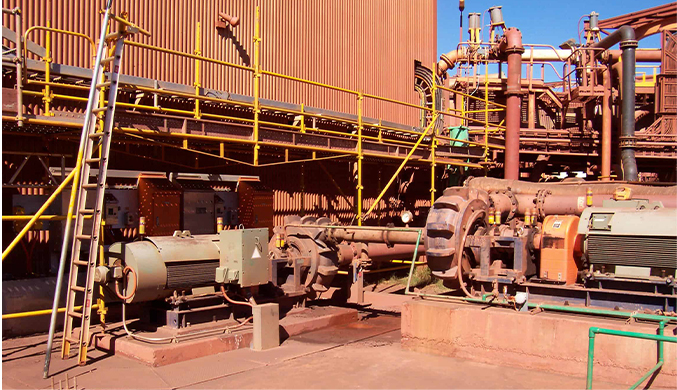
The performance of a centrifugal double suction pump is fundamentally governed by the principles of fluid dynamics, specifically the relationship between flow rate, head, and power consumption. The pump’s hydraulic power is determined by the product of flow rate and head, while the shaft power accounts for pump efficiency. Cavitation, a major concern, occurs when the absolute pressure at the impeller inlet falls below the vapor pressure of the fluid, forming vapor bubbles that collapse and erode the impeller material. Net Positive Suction Head Required (NPSHr) is a critical parameter specified by the manufacturer; the system’s Net Positive Suction Head Available (NPSHa) must always exceed NPSHr to prevent cavitation.
Force analysis involves evaluating radial and axial thrust forces acting on the impeller and shaft. Double suction design inherently balances axial thrust, reducing stress on the bearings. However, radial forces are present due to pressure distribution within the impeller and volute. Bearing selection must consider these forces and operating speed. Environmental resistance considerations include temperature extremes, humidity, and potential exposure to corrosive agents. Compliance requirements, such as those outlined in API 610 (Centrifugal Pumps – Refinery Service) and ISO 13709 (Petroleum and natural gas industries — Pumps for surface applications), dictate design, material selection, and testing procedures to ensure safe and reliable operation. Specifically, these standards address requirements for pump performance testing, mechanical seals, and bearing lubrication.
Technical Specifications
| Parameter | Unit | Typical Range (Small-Medium Size Pumps) | Material Options |
|---|---|---|---|
| Flow Rate | m³/h | 100 - 1000 | Cast Iron, Ductile Iron, Stainless Steel |
| Head | m | 10 - 50 | Cast Iron, Ductile Iron, Stainless Steel, Bronze |
| Power | kW | 7.5 - 75 | Cast Iron, Ductile Iron, Stainless Steel |
| Suction Pressure | MPa | -0.1 to 0.5 | Dependent on fluid properties |
| Discharge Pressure | MPa | 0.5 - 2.0 | Dependent on fluid properties |
| Operating Temperature | °C | -20 to 120 | Dependent on seal and material selection |
Failure Mode & Maintenance
Common failure modes in centrifugal double suction pumps include impeller cavitation (leading to erosion), bearing failure (due to improper lubrication or overload), seal failure (resulting in leakage), and casing cracking (from stress corrosion or hydraulic shock). Fatigue cracking can occur in the impeller or casing due to cyclic loading. Delamination of coatings can also lead to corrosion. Oxidation of internal components, particularly in non-stainless steel pumps, contributes to material degradation.
Preventive maintenance is crucial and should include regular vibration analysis, oil analysis (for bearing lubrication), visual inspections for leaks or corrosion, and impeller balancing. Seal replacement is typically required every 1-3 years, depending on fluid conditions and operating hours. Bearings should be greased according to manufacturer recommendations. Addressing cavitation requires ensuring sufficient NPSHa, adjusting impeller speed, or modifying pump suction piping. Corrosion can be mitigated through proper material selection, protective coatings, and cathodic protection (in certain applications). Regular performance monitoring (flow rate, head, power consumption) can help detect deviations from baseline performance, indicating potential problems.
Industry FAQ
Q: What is the impact of impeller material on pump efficiency and susceptibility to corrosion?
A: The impeller material significantly impacts both efficiency and corrosion resistance. Higher-grade stainless steels and bronze alloys offer superior corrosion resistance but generally result in a slightly lower hydraulic efficiency compared to cast iron or ductile iron. The choice depends on the fluid being pumped; aggressive fluids necessitate corrosion-resistant materials even if it means a minor efficiency trade-off.
Q: How critical is NPSHa versus NPSHr, and what are the consequences of insufficient NPSHa?
A: NPSHa must always exceed NPSHr. Insufficient NPSHa leads to cavitation, which causes impeller erosion, noise, vibration, and a significant reduction in pump performance. Prolonged cavitation can lead to catastrophic failure of the impeller.
Q: What are the key considerations when selecting mechanical seals for different fluids?
A: Seal selection depends on fluid compatibility, temperature, pressure, and abrasiveness. For abrasive fluids, hardened seal faces are necessary. For corrosive fluids, materials like silicon carbide or tungsten carbide are preferred. Single seals are suitable for clean fluids, while double seals with a barrier fluid are recommended for hazardous or corrosive fluids.
Q: How does pump efficiency change with varying flow rates and heads?
A: Pump efficiency typically follows a bell-shaped curve. It reaches a peak efficiency at a specific flow rate and head, known as the Best Efficiency Point (BEP). Operating significantly above or below the BEP reduces efficiency and increases energy consumption. Variable Frequency Drives (VFDs) can be used to adjust pump speed and maintain operation near the BEP.
Q: What are the typical maintenance intervals for bearings in a centrifugal double suction pump?
A: Bearing maintenance intervals depend on operating conditions and bearing type. Grease-lubricated bearings typically require re-greasing every 3-6 months. Oil-lubricated bearings require regular oil analysis to monitor oil condition and detect wear particles. Bearing replacement is generally required every 3-5 years, but can vary significantly based on operating hours and load.
Conclusion
The selection and operation of centrifugal double suction pumps necessitate a thorough understanding of their underlying principles, material properties, and potential failure modes. The ‘price’ of the pump represents only a fraction of the total lifecycle cost; factors like energy efficiency, maintenance requirements, and operational reliability play a significantly larger role. Careful consideration of fluid characteristics, system requirements, and adherence to relevant industry standards are paramount for ensuring optimal performance and minimizing downtime.
Future advancements in pump technology will likely focus on improving hydraulic efficiency through advanced impeller designs, reducing energy consumption with smarter control systems, and enhancing remote monitoring capabilities for predictive maintenance. The integration of digital technologies, such as IoT sensors and data analytics, will enable more proactive maintenance strategies and improve overall pump reliability. Investing in robust designs and proactive maintenance programs will deliver long-term cost savings and ensure the continued safe and efficient operation of these critical industrial assets.
-
Comprehensive Guide to Waterproof ORings for Optimal Sealing Solutions
News2026-06-09
-
Septic Pump System Performance Analysis
News2026-06-08
-
pump for septic Material Science
News2026-06-08
-
basement sewer pump Performance Analysis
News2026-06-08
-
submerged pump Performance Engineering
News2026-06-08
-
Septic System Pumps Performance Analysis
News2026-06-08
-
septic system pump Material Science and Manufacturing
News2026-06-07
-
pump for septic tank Material Science Manufacturing
News2026-06-07
-
submersible sewage pump Material Science
News2026-06-07
-
Sewage Ejector Material Science and Manufacturing
News2026-06-07
-
Ejection Pump Material Science
News2026-06-07
-
pump submersible Performance Analysis
News2026-06-06
-
ejector pumps Performance Engineering
News2026-06-06
-
basement ejector pump Material Science Manufacturing
News2026-06-06
-
Septic Tanks Pumping Performance Analysis
News2026-06-06




