English
- Afrikaans
- Albanian
- Amharic
- Arabic
- Armenian
- Azerbaijani
- Basque
- Belarusian
- Bengali
- Bosnian
- Bulgarian
- Catalan
- Cebuano
- Corsican
- Croatian
- Czech
- Danish
- Dutch
- English
- Esperanto
- Estonian
- Finnish
- French
- Frisian
- Galician
- Georgian
- German
- Greek
- Gujarati
- Haitian Creole
- hausa
- hawaiian
- Hebrew
- Hindi
- Miao
- Hungarian
- Icelandic
- igbo
- Indonesian
- irish
- Italian
- Japanese
- Javanese
- Kannada
- kazakh
- Khmer
- Rwandese
- Korean
- Kurdish
- Kyrgyz
- Lao
- Latin
- Latvian
- Lithuanian
- Luxembourgish
- Macedonian
- Malgashi
- Malay
- Malayalam
- Maltese
- Maori
- Marathi
- Mongolian
- Myanmar
- Nepali
- Norwegian
- Norwegian
- Occitan
- Pashto
- Persian
- Polish
- Portuguese
- Punjabi
- Romanian
- Russian
- Samoan
- Scottish Gaelic
- Serbian
- Sesotho
- Shona
- Sindhi
- Sinhala
- Slovak
- Slovenian
- Somali
- Spanish
- Sundanese
- Swahili
- Swedish
- Tagalog
- Tajik
- Tamil
- Tatar
- Telugu
- Thai
- Turkish
- Turkmen
- Ukrainian
- Urdu
- Uighur
- Uzbek
- Vietnamese
- Welsh
- Bantu
- Yiddish
- Yoruba
- Zulu

Telephone: +86 13120555503
Email: frank@cypump.com


Apr . 01, 2024 17:55 Back to list
Case Pump Performance Analysis
Introduction
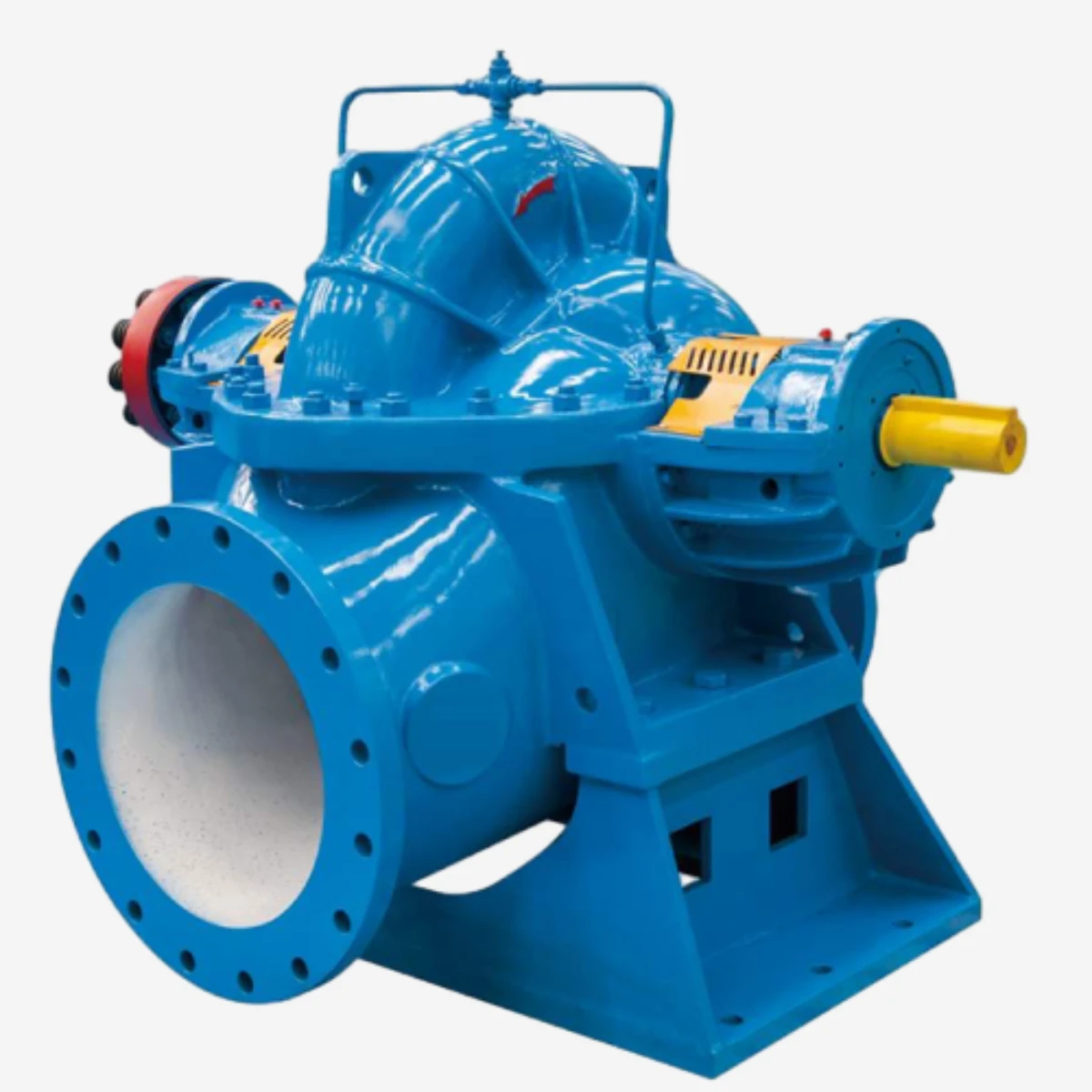
Case pumps, often referred to as canned motor pumps, represent a significant advancement in pump technology for demanding industrial applications. Positioned within the fluid handling industry, they function as self-contained, seal-less centrifugal pumps where the pump and motor are hermetically sealed within a common casing. This design differentiates them from conventional pumps requiring mechanical seals, and positions them as a critical component in processes demanding zero leakage, particularly in handling hazardous, toxic, or valuable fluids. Core performance characteristics include high head capability, consistent flow rates, and a compact footprint. Their primary application spans across chemical processing, oil and gas refining, pharmaceutical manufacturing, and power generation. The inherent design minimizes downtime related to seal failures and reduces maintenance costs, making them a strategically vital component in maximizing operational efficiency.
Material Science & Manufacturing
The construction of a case pump relies on precise material selection and meticulous manufacturing processes. Pump casings are frequently fabricated from stainless steel alloys (316, 304) chosen for their corrosion resistance, particularly in aggressive chemical environments. Impellers, the rotating component responsible for imparting kinetic energy to the fluid, are similarly constructed from stainless steel or specialized polymer materials like PEEK (Polyether ether ketone) for applications involving highly corrosive or abrasive fluids. The motor stator and rotor utilize silicon steel laminations to minimize hysteresis losses and maximize efficiency. The hermetic seal is achieved through a combination of precision machining and welding techniques, typically utilizing orbital TIG (Tungsten Inert Gas) welding to ensure a consistent, high-integrity weld. Critical parameters during manufacturing include dimensional tolerances within microns to prevent internal clearances that could lead to leakage or reduced efficiency. Post-weld heat treatment is essential to relieve stresses and enhance the material’s resistance to cracking. Bearing selection is also paramount; silicon nitride bearings are often employed for their low friction, high-temperature resistance, and non-magnetic properties. Quality control involves non-destructive testing (NDT) methods like radiographic inspection and liquid penetrant testing to verify weld integrity and detect any internal flaws.
Performance & Engineering
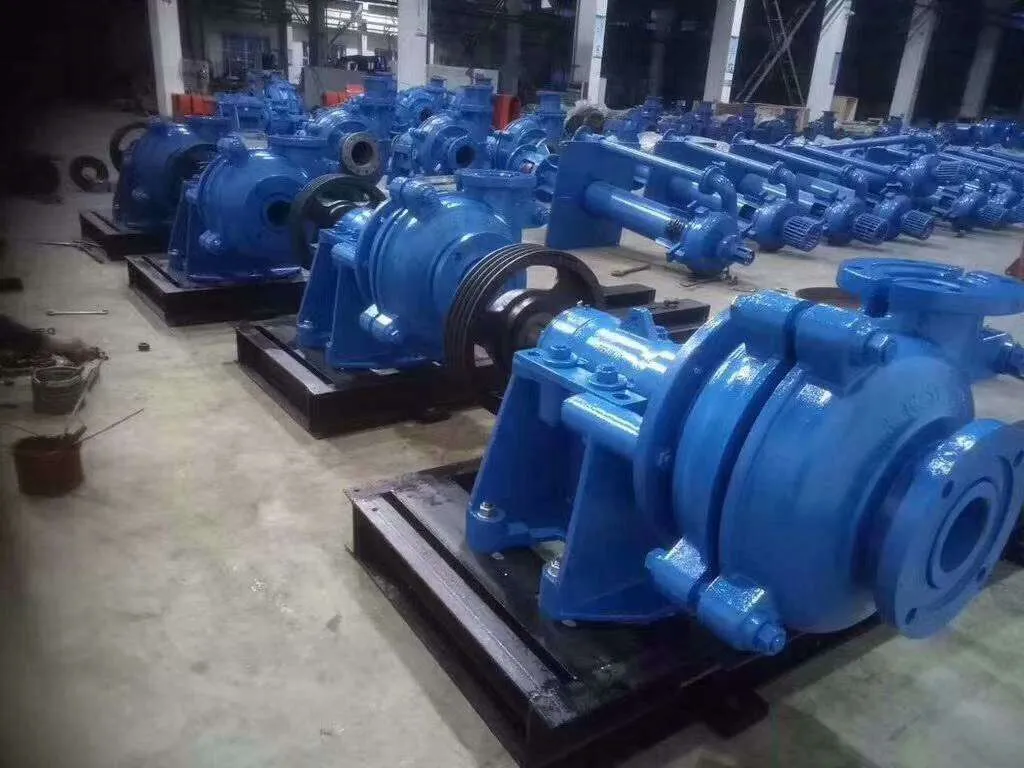
The performance of a case pump is governed by principles of fluid dynamics and electromagnetic theory. Hydraulic performance is characterized by head-capacity curves, which define the relationship between the pressure the pump can generate (head) and the volumetric flow rate. These curves are influenced by impeller geometry, rotational speed, and fluid viscosity. Engineering considerations include cavitation prevention – the formation and implosion of vapor bubbles that can damage the impeller – which is addressed through careful impeller design and maintaining sufficient Net Positive Suction Head Available (NPSHa). The motor's performance is determined by its power factor, efficiency, and thermal characteristics. Thermal management is crucial, as the motor generates heat during operation. The hermetically sealed casing acts as a heat sink, transferring heat to the fluid being pumped. Finite Element Analysis (FEA) is routinely employed to optimize casing geometry for stress distribution and thermal conductivity. Environmental resistance is a key factor; case pumps must withstand varying temperatures, pressures, and potentially corrosive atmospheres. Compliance with industry standards such as API 610 (Centrifugal Pumps) and Hydraulic Institute standards ensures consistent performance and reliability. Force analysis is conducted to ensure the structural integrity of the pump under various operating conditions, including start-up transients and potential water hammer effects.
Technical Specifications
| Parameter | Unit | Typical Range | Material Specification |
|---|---|---|---|
| Flow Rate | m³/h | 1 – 500 | Pump Casing: Stainless Steel 316L |
| Head | m | 5 – 300 | Impeller: Stainless Steel 316 / PEEK |
| Operating Pressure | bar | Up to 400 | Seal Cage: Hastelloy C-276 |
| Temperature Range | °C | -80 to 350 | Bearings: Silicon Nitride (Si₃N₄) |
| Motor Power | kW | 0.75 – 200 | Stator Insulation Class: H (180°C) |
| Leakage Rate | ppm | < 1 | Welding Procedure: Orbital TIG Welding |
Failure Mode & Maintenance
Despite their inherent reliability, case pumps are susceptible to specific failure modes. Bearing failure is a common occurrence, often attributed to lubricant degradation, contamination, or excessive loads. Symptoms include increased noise and vibration. Motor winding insulation breakdown can occur due to overheating or voltage surges, leading to short circuits and pump failure. Corrosion, particularly in aggressive fluid applications, can lead to casing and impeller degradation. Cavitation, if not addressed, can cause impeller erosion and reduced pump performance. Failure analysis typically involves visual inspection, dimensional measurements, metallurgical analysis, and electrical testing. Preventive maintenance is crucial and includes periodic vibration analysis, lubricant monitoring, insulation resistance testing, and visual inspection for signs of corrosion or leakage. Regular monitoring of pump performance parameters (flow rate, pressure, power consumption) can help detect anomalies early on. In case of failure, complete pump disassembly and component replacement are often necessary due to the hermetically sealed construction. Strict adherence to the manufacturer’s recommended maintenance schedule is essential to maximize pump lifespan and minimize downtime.
Industry FAQ
Q: What are the key advantages of a case pump compared to a mechanically sealed centrifugal pump?
A: The primary advantage lies in the elimination of mechanical seals. This results in zero leakage, reduced maintenance requirements (no seal replacement), and increased reliability, particularly when handling hazardous or valuable fluids. Case pumps also generally exhibit longer mean time between failures (MTBF) due to the absence of seal wear.
Q: How does the hermetic seal affect heat dissipation within the pump?
A: The hermetically sealed casing acts as a heat sink, transferring heat generated by the motor to the pumped fluid. This requires careful consideration of the fluid's thermal properties and flow rate to ensure adequate heat removal. Insufficient heat dissipation can lead to motor overheating and premature failure.
Q: What materials are typically used for case pumps handling highly corrosive chemicals?
A: For highly corrosive applications, materials like Hastelloy C-276, tantalum, and specialized polymers (e.g., PVDF, PTFE) are often employed for wetted parts, including the casing, impeller, and seal cage. Careful material selection is paramount to ensure long-term corrosion resistance.
Q: What are the limitations of case pumps in terms of solids handling capability?
A: Case pumps generally have limited solids handling capability compared to other pump types (e.g., slurry pumps). The close clearances within the pump can be susceptible to clogging or abrasive wear if solids are present in the fluid. Filters or strainers are often required upstream of the pump to remove solids.
Q: What is the typical life expectancy of a well-maintained case pump?
A: A well-maintained case pump can typically operate reliably for 10-20 years or more, depending on the application and operating conditions. Regular preventive maintenance, including vibration analysis, lubricant monitoring, and performance monitoring, is crucial to maximizing lifespan.
Conclusion
Case pumps represent a sophisticated solution for fluid handling in demanding industrial environments, distinguished by their zero-leakage design and inherent reliability. Their manufacturing demands precision material selection, advanced welding techniques, and stringent quality control. Understanding their performance characteristics, potential failure modes, and appropriate maintenance practices is essential for ensuring long-term operational efficiency and minimizing lifecycle costs.
The continued development of case pump technology focuses on improving energy efficiency, expanding material compatibility, and enhancing diagnostic capabilities. Future trends include the integration of condition monitoring sensors and predictive maintenance algorithms to further optimize performance and reduce downtime. Their role in process safety and environmental protection will continue to drive their adoption in increasingly stringent applications.
-
pump for sewage water Performance Analysis
News2026-05-23
-
plumbing sewage ejector pump Performance Engineering
News2026-05-23
-
home sewer pump station Performance and Engineering
News2026-05-23
-
high pressure sump pump Performance Analysis
News2026-05-23
-
high head effluent pump Performance Analysis
News2026-05-23
-
Effluent vs Sump Pump Performance Analysis
News2026-05-22
-
effluent septic pump Performance Engineering
News2026-05-22
-
best sewer pumps Performance Engineering
News2026-05-22
-
best sewer pump Performance Analysis
News2026-05-22
-
best sewage pumps Performance Engineering
News2026-05-22
-
basement bathroom sewage pump Material Science Manufacturing
News2026-05-21
-
wastewater treatment plant pumps Material Science Manufacturing
News2026-05-21
-
waste water pump for basement Material Science Manufacturing
News2026-05-21
-
sump pump sewage Performance Analysis
News2026-05-21
-
sump pump for sewage Material Science and Manufacturing
News2026-05-21




