


high chrome alloy slurry pump parts can no longer be treated as routine replacement inventory when mine operators face changing ore grades, tighter water constraints, and unpredictable delivery schedules. For executives, the challenge is to protect operating continuity without locking capital into equipment and materials that may not suit tomorrow’s process conditions.
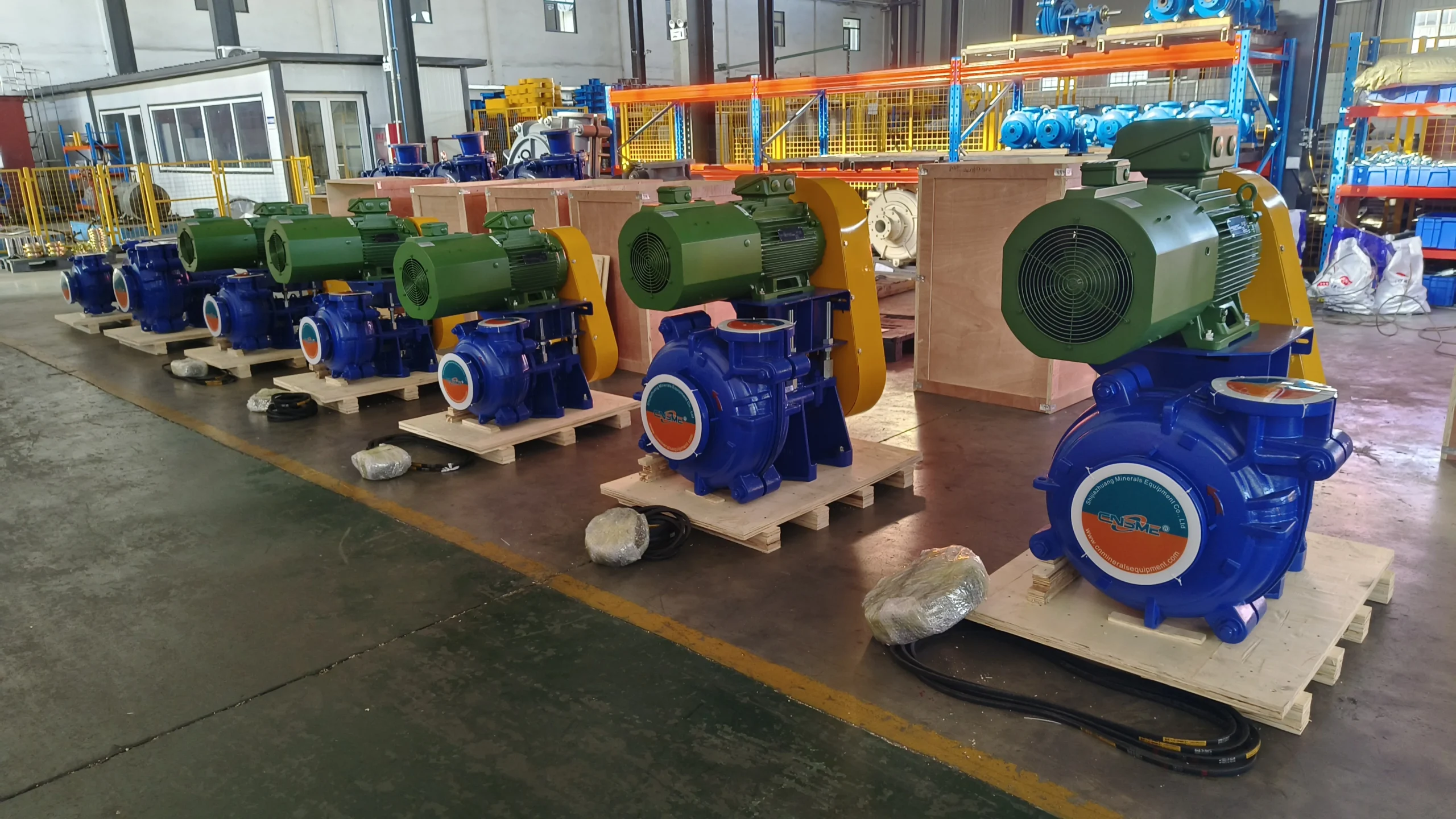
These pressures are reshaping investment decisions across mining, mineral processing, dredging, power generation, and other industries that move abrasive or corrosive mixtures. The strategic question is shifting from how to expand capacity to how to keep critical systems adaptable as operating conditions, energy costs, and supply networks change.
A shift from capacity growth to operating resilience
For many years, investment plans emphasized throughput: larger facilities, higher production targets, and equipment sized around expected peak demand. That logic still matters, but it is no longer sufficient. Lower-grade deposits can increase solids volumes and wear, while variable feed composition can make yesterday’s duty assumptions unreliable. At the same time, water reuse and energy efficiency are becoming more prominent in project economics.
This changes the value of flexibility. A pumping system selected only for its initial purchase cost may become expensive if it cannot accommodate changes in particle size, density, flow, or head. Executives are therefore looking beyond individual equipment specifications to the resilience of the whole process: how quickly operations can respond to new conditions, how reliably components can be serviced, and how much disruption a failure would cause.
The same shift is visible in procurement. Supply security is not simply a matter of holding more stock. It requires better visibility into component lifecycles, credible alternatives for critical materials, and stronger coordination between operations, engineering, and purchasing.
Where capability gaps become costly
A common gap is the distance between design assumptions and actual field conditions. If operators lack dependable data on slurry properties, wear rates, or duty cycles, replacement decisions can become reactive. A pump may be blamed for poor performance when the underlying issue is a changed process requirement, an unsuitable material choice, or a mismatch between system design and operating practice.
Maintenance capability is another constraint. Skilled teams need clear inspection routines, accessible service information, and components that can be replaced without excessive downtime. Where expertise is concentrated in a few individuals, staff turnover or remote operating sites can leave critical knowledge exposed. Training and documentation may appear less urgent than new equipment, yet they strongly influence the return on that equipment.
Organizations also vary in their ability to compare lifecycle costs. Purchase price is easy to record; energy use, unplanned stoppages, component consumption, and production losses are often dispersed across different budgets. Without a shared view, decision-makers may favor a low initial outlay even when a more suitable configuration would reduce operating risk over time.
Investment choices that preserve room to adapt
The strongest plans start with criticality rather than a blanket replacement schedule. Leaders can identify assets whose failure would constrain production, then prioritize condition monitoring, service readiness, and spares planning around those points. This approach directs capital toward material risks while avoiding unnecessary renewal of equipment with adequate remaining life.
A second priority is improving the quality of operating data. Tracking flow, pressure, power consumption, slurry characteristics, and component wear can reveal when a system is drifting away from its intended duty. Better information supports more precise selection and makes it easier to distinguish process changes from equipment problems. It also helps teams assess whether a centrifugal slurry pump configuration remains appropriate as production requirements evolve.
Material strategy deserves similar attention. Abrasion, corrosion, temperature, and maintenance intervals all influence component life, so material decisions should be tied to the actual service environment rather than treated as a standard catalogue choice. Suppliers with experience in pump design, application, and maintenance can contribute useful technical context, but operators retain the responsibility to validate recommendations against site data and process objectives.
Finally, investment in people can multiply the value of investment in hardware. Cross-functional reviews, practical training, and consistent maintenance records help preserve operational knowledge. For a supplier such as CNSME, whose development spans slurry-pump design, manufacturing, application, and service, that wider technical context reflects an important industry principle: reliable performance depends on the system around the equipment as much as on the equipment itself.
The long view: flexibility as a measurable asset
Over the next decade, industrial operators will face continuing pressure to produce efficiently with more variable resources and tighter environmental expectations. That does not make every forecast predictable. It makes adaptability more valuable. Plants designed with clear maintenance access, robust supply arrangements, usable operating data, and realistic material specifications are better positioned to respond when conditions change.
For strategic planners, the test of an investment is therefore broader than whether it meets today’s capacity target. It should also show how well it manages uncertainty, supports the people responsible for performance, and limits the cost of future adjustment. In a volatile operating environment, resilience is not a vague aspiration; it is the accumulated result of disciplined choices across equipment, materials, information, and skills.




