English
- Afrikaans
- Albanian
- Amharic
- Arabic
- Armenian
- Azerbaijani
- Basque
- Belarusian
- Bengali
- Bosnian
- Bulgarian
- Catalan
- Cebuano
- Corsican
- Croatian
- Czech
- Danish
- Dutch
- English
- Esperanto
- Estonian
- Finnish
- French
- Frisian
- Galician
- Georgian
- German
- Greek
- Gujarati
- Haitian Creole
- hausa
- hawaiian
- Hebrew
- Hindi
- Miao
- Hungarian
- Icelandic
- igbo
- Indonesian
- irish
- Italian
- Japanese
- Javanese
- Kannada
- kazakh
- Khmer
- Rwandese
- Korean
- Kurdish
- Kyrgyz
- Lao
- Latin
- Latvian
- Lithuanian
- Luxembourgish
- Macedonian
- Malgashi
- Malay
- Malayalam
- Maltese
- Maori
- Marathi
- Mongolian
- Myanmar
- Nepali
- Norwegian
- Norwegian
- Occitan
- Pashto
- Persian
- Polish
- Portuguese
- Punjabi
- Romanian
- Russian
- Samoan
- Scottish Gaelic
- Serbian
- Sesotho
- Shona
- Sindhi
- Sinhala
- Slovak
- Slovenian
- Somali
- Spanish
- Sundanese
- Swahili
- Swedish
- Tagalog
- Tajik
- Tamil
- Tatar
- Telugu
- Thai
- Turkish
- Turkmen
- Ukrainian
- Urdu
- Uighur
- Uzbek
- Vietnamese
- Welsh
- Bantu
- Yiddish
- Yoruba
- Zulu

Telephone: +86 13120555503
Email: frank@cypump.com


Apr . 01, 2024 17:55 Back to list
canton ma’s clear water pump and well service keeping systems Performance Analysis
Introduction
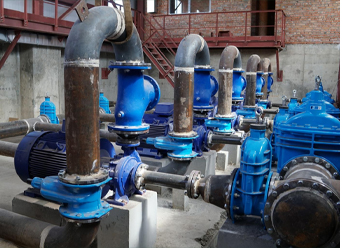
Canton MA’s clear water pump and well service keeping systems represent a critical component in maintaining potable water access for residential, agricultural, and industrial applications. These systems, broadly categorized as submersible and jet pumps, facilitate the extraction of groundwater from aquifers, ensuring a consistent supply for various needs. Their technical position in the water management chain is immediately post-aquifer, preceding water treatment and distribution networks. Core performance metrics center on flow rate (gallons per minute/GPM), total dynamic head (TDH – measured in feet), horsepower (HP), and energy efficiency. A key challenge in this sector is balancing pump longevity with energy consumption, particularly given increasing demands on groundwater resources and evolving environmental regulations. This guide provides an in-depth technical analysis of these systems, covering material science, manufacturing processes, performance characteristics, potential failure modes, and relevant industry standards. The increasing demand for sustainable water management practices drives a need for improved pump efficiency and minimal environmental impact. Proper well maintenance and pump selection are vital for long-term system reliability.
Material Science & Manufacturing
The construction of Canton MA’s clear water pumps heavily relies on specific material selections to withstand corrosive groundwater conditions and mechanical stresses. Pump housings are frequently manufactured from cast iron (ASTM A48 Class 30) due to its cost-effectiveness and inherent rigidity. However, for aggressive water chemistries (high chloride content, low pH), stainless steel (typically 304 or 316, adhering to ASTM A240) is favored for increased corrosion resistance. Impellers, critical for generating flow, are commonly made from Noryl (a Polyphenylene Oxide – PPO blend) or engineered polymers reinforced with glass fibers. These materials offer a balance of strength, wear resistance, and chemical compatibility. Motor components require high-grade electrical steel (ASTM A683) for stator and rotor cores, providing efficient electromagnetic performance. The manufacturing process varies depending on component complexity. Cast iron housings are produced via sand casting, requiring meticulous pattern making and core design to ensure dimensional accuracy. Stainless steel components often utilize investment casting or CNC machining. Impellers are typically injection molded. Motor winding insulation requires precise application of epoxy resins to prevent short circuits and withstand operating temperatures. Quality control focuses on non-destructive testing (NDT) such as radiographic inspection for castings and ultrasonic testing for welds. Parameter control during injection molding, specifically melt temperature, injection pressure, and cooling rates, is paramount to ensure impeller structural integrity and dimensional stability.
Performance & Engineering
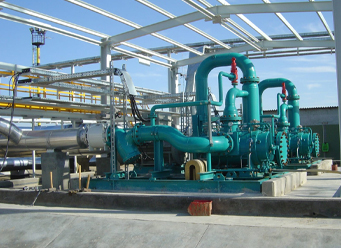
Performance of these pumps is fundamentally governed by hydraulic principles and motor characteristics. Force analysis involves calculating radial and axial loads imposed on the impeller and shaft due to fluid dynamic forces. These forces must be accommodated by appropriate bearing selection (typically ball or roller bearings, compliant with AFBMA standards) and shaft design. Environmental resistance is a key design consideration. Submersible pumps, operating continuously submerged in well water, require robust sealing mechanisms (elastomeric O-rings and lip seals, conforming to ASTM D2000) to prevent water ingress into the motor. Jet pumps, located above ground, must be protected from weather elements through appropriate enclosure design (NEMA standards). Compliance requirements include adherence to NSF/ANSI 61 standards for materials in contact with potable water, ensuring no harmful contaminants are leached into the water supply. Hydraulic Institute standards dictate pump performance testing and data reporting. Functional implementation relies on precise matching of pump characteristics (performance curve – flow vs. head) to the specific well’s hydrogeological properties (static water level, drawdown, aquifer transmissivity). Pump selection should consider the total dynamic head (TDH) which accounts for static lift, friction losses in the piping system, and pressure requirements at the point of use. Variable frequency drives (VFDs) are increasingly employed to optimize pump performance and reduce energy consumption by adjusting pump speed to match demand.
Technical Specifications
| Parameter | Submersible Pump (Typical) | Jet Pump (Shallow Well) | Jet Pump (Deep Well) |
|---|---|---|---|
| Flow Rate (GPM) | 10-100 | 5-30 | 20-60 |
| Total Dynamic Head (ft) | 50-400 | 25-100 | 100-300 |
| Horsepower (HP) | 0.5-10 | 0.5-1.5 | 1-5 |
| Voltage (V) | 120/240 | 120/240 | 240/480 |
| Impeller Material | Noryl/Glass Fiber Reinforced | Noryl/Glass Fiber Reinforced | Stainless Steel/Noryl |
| Housing Material | Stainless Steel/Cast Iron | Cast Iron | Cast Iron |
Failure Mode & Maintenance
Common failure modes in Canton MA’s clear water pumps include impeller wear due to abrasive particles in the water, bearing failure due to inadequate lubrication or overloading, motor winding burnout from overheating, and seal failure leading to water ingress. Fatigue cracking in the pump housing can occur due to cyclical pressure fluctuations and corrosion. Delamination of the impeller material, particularly in polymer-based impellers, can reduce pump efficiency and lead to catastrophic failure. Corrosion, especially galvanic corrosion in dissimilar metal couplings, is a significant concern. Oxidation of motor windings can degrade insulation and cause short circuits. Maintenance solutions involve regular inspection of the pump and well. This includes checking the impeller for wear, lubricating bearings according to manufacturer specifications (using appropriate grease compliant with NLGI standards), monitoring motor winding temperature, and testing seal integrity. Periodic well cleaning to remove sediment and debris is crucial to prevent impeller wear. Electrical connections should be inspected for corrosion and tightness. Water quality testing should be performed to assess the corrosivity of the groundwater and select appropriate materials. Preventative maintenance schedules, based on pump operating hours and water quality, are essential for maximizing pump lifespan and minimizing downtime. Vibration analysis can detect early signs of bearing failure or impeller imbalance.
Industry FAQ
Q: What is the expected lifespan of a typical submersible pump installed in a well with moderately corrosive water?
A: A properly maintained submersible pump in moderately corrosive water typically has a lifespan of 7-15 years. This lifespan is heavily influenced by water quality (pH, chloride content, sediment levels), pump operating hours, and adherence to preventative maintenance schedules. Regular inspections and proactive component replacement are critical for extending lifespan.
Q: How do I determine the appropriate pump size (HP and GPM) for my well?
A: Determining pump size requires assessing the well’s static water level, drawdown, aquifer transmissivity, and the desired flow rate for your application. A pump curve should be selected to match the well’s characteristics, ensuring the pump operates within its optimal efficiency range. Consulting with a qualified well service professional is highly recommended.
Q: What are the benefits of using a variable frequency drive (VFD) with a water pump?
A: VFDs offer several benefits, including energy savings by adjusting pump speed to match demand, reduced mechanical stress on the pump components, improved pressure control, and the ability to prevent water hammer. They also contribute to a more stable water supply and can extend pump lifespan.
Q: What steps should I take to prevent corrosion in my well water pump system?
A: Preventing corrosion involves selecting corrosion-resistant materials (stainless steel, engineered polymers), ensuring proper grounding of electrical components, minimizing galvanic corrosion by using compatible metals in couplings, and considering the installation of sacrificial anodes. Water quality testing and treatment (pH adjustment, corrosion inhibitors) can also be beneficial.
Q: What are the signs that my well pump is failing and needs to be replaced?
A: Signs of pump failure include reduced water flow, pressure fluctuations, unusual noises (grinding, squealing), tripped circuit breakers, and excessive pump cycling. A noticeable increase in energy consumption can also indicate a problem. If these symptoms are present, it’s crucial to have the pump inspected by a qualified technician.
Conclusion
Canton MA’s clear water pump and well service keeping systems are complex assemblies requiring careful material selection, precise manufacturing, and diligent maintenance. The performance and longevity of these systems are directly tied to the understanding of hydraulic principles, electrical engineering, and material science. Selecting the appropriate pump type and size based on specific well characteristics and application requirements is paramount to ensuring reliable water supply and minimizing energy consumption.
Continued advancements in pump technology, such as the increased adoption of VFDs and the development of more corrosion-resistant materials, are expected to further improve the efficiency and sustainability of these systems. Proactive maintenance programs, incorporating regular inspections and preventative component replacement, remain essential for maximizing pump lifespan and mitigating the risk of costly failures. Adherence to relevant industry standards (NSF/ANSI, Hydraulic Institute, ASTM, NEMA) is crucial for ensuring product quality and compliance.
-
Precision at the Pump: How Better Machining Protects Flow and Uptime
News2026-11-20
-
Why Pump Reliability Begins Before the First Drop of Fluid
News2026-11-20
-
Beyond the Pump: Designing Safer Access Around Critical Water Infrastructure
News2026-11-20
-
Why Pumping Stations Depend on the Infrastructure Beneath the Pumps
News2026-11-20
-
Beyond the Pump Room: How Smarter Loading Protects Industrial Equipment
News2026-11-19
-
When Pumps Stop: Designing More Resilient Power for Critical Pumping Systems
News2026-11-19
-
The Hidden Role of Dust and Gas Monitoring in Reliable Pump Operations
News2026-11-19
-
The Hidden Role of Mineral Compounds in Extending Industrial Pump Lifespan
News2026-10-12
-
Why Pump System Reliability Depends on Precision Hose Assembly Methods
News2026-09-15
-
How Advanced Imaging Films Are Transforming Pump Component Quality Control
News2026-08-25
-
How Advanced Filtration Protects Pump Systems from Premature Wear and Costly Downtime
News2026-08-25
-
How Steel Material Selection Drives Pump Reliability in Heavy-Duty Systems
News2026-08-25
-
Ensuring Pump System Efficiency: The Role of High-Quality Pipe Fittings and Tubing
News2026-08-24
-
Optimizing Fluid Dynamics and Material Consistency in Industrial Processing
News2026-08-18
-
Innovations and Challenges in Hydraulic Systems for Heavy Machinery
News2026-08-13




