English
- Afrikaans
- Albanian
- Amharic
- Arabic
- Armenian
- Azerbaijani
- Basque
- Belarusian
- Bengali
- Bosnian
- Bulgarian
- Catalan
- Cebuano
- Corsican
- Croatian
- Czech
- Danish
- Dutch
- English
- Esperanto
- Estonian
- Finnish
- French
- Frisian
- Galician
- Georgian
- German
- Greek
- Gujarati
- Haitian Creole
- hausa
- hawaiian
- Hebrew
- Hindi
- Miao
- Hungarian
- Icelandic
- igbo
- Indonesian
- irish
- Italian
- Japanese
- Javanese
- Kannada
- kazakh
- Khmer
- Rwandese
- Korean
- Kurdish
- Kyrgyz
- Lao
- Latin
- Latvian
- Lithuanian
- Luxembourgish
- Macedonian
- Malgashi
- Malay
- Malayalam
- Maltese
- Maori
- Marathi
- Mongolian
- Myanmar
- Nepali
- Norwegian
- Norwegian
- Occitan
- Pashto
- Persian
- Polish
- Portuguese
- Punjabi
- Romanian
- Russian
- Samoan
- Scottish Gaelic
- Serbian
- Sesotho
- Shona
- Sindhi
- Sinhala
- Slovak
- Slovenian
- Somali
- Spanish
- Sundanese
- Swahili
- Swedish
- Tagalog
- Tajik
- Tamil
- Tatar
- Telugu
- Thai
- Turkish
- Turkmen
- Ukrainian
- Urdu
- Uighur
- Uzbek
- Vietnamese
- Welsh
- Bantu
- Yiddish
- Yoruba
- Zulu

Telephone: +86 13120555503
Email: frank@cypump.com


Apr . 01, 2024 17:55 Back to list
best vertical pipeline centrifugal fire pump Performance Analysis
Introduction
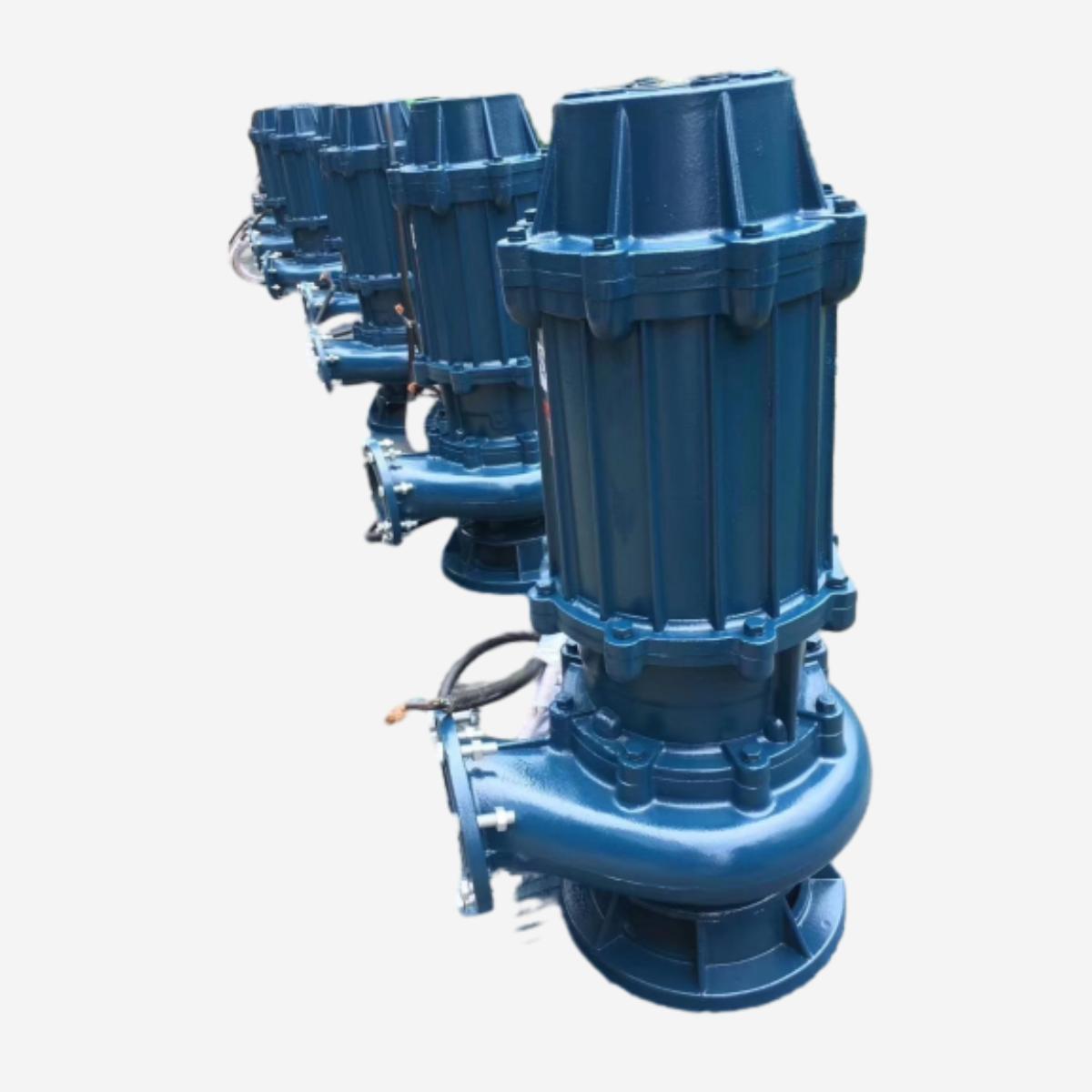
Vertical pipeline centrifugal fire pumps are critical components in fire protection systems, designed for the transfer of water at high flow rates and pressures. Positioned within the piping network, these pumps eliminate the need for priming, a significant advantage over horizontally mounted alternatives. They are widely deployed in high-rise buildings, industrial facilities, and other scenarios demanding reliable fire suppression. Their in-line configuration simplifies installation and reduces space requirements. Core performance characteristics include flow rate (GPM), head (feet), and power requirements (HP), directly impacting the effective fire suppression area and system reliability. A key industry pain point lies in selecting a pump material and impeller design capable of withstanding continuous operation under demanding conditions, particularly concerning corrosion resistance and cavitation prevention. This guide details the material science, manufacturing processes, performance engineering, and maintenance considerations for these crucial systems.
Material Science & Manufacturing
The primary materials used in vertical pipeline centrifugal fire pumps are cast iron (ASTM A48 Class 30), stainless steel (304/316 – ASTM A743 Grade CA660/CF8M), and, for impellers, often bronze (ASTM B584). Cast iron provides cost-effectiveness and good vibration damping but is susceptible to corrosion. Stainless steel offers superior corrosion resistance, essential for potable water or chemically treated systems. Bronze impellers balance durability, corrosion resistance, and hydraulic efficiency. Manufacturing typically involves sand casting for pump housings and impellers, followed by precision machining to ensure tight tolerances. Shaft sleeves are often made of duplex stainless steel for enhanced wear resistance. Welding, performed to AWS D1.1 standards, is crucial for joining components, requiring strict quality control to prevent defects that could compromise structural integrity. Key parameters during manufacturing include impeller balancing (to minimize vibration – ISO 1940-1), surface finish of internal passages (to reduce friction losses), and hydrostatic testing (to verify leak-tightness – ANSI/ASME B73.1). A common failure point arises from inadequate heat treatment during casting, leading to residual stresses and premature cracking. Material certification and traceability are paramount, requiring compliance with mill test reports (MTRs) to confirm material composition and mechanical properties. Seal materials, typically elastomers like Viton or PTFE, require careful selection based on fluid compatibility and temperature range.
Performance & Engineering
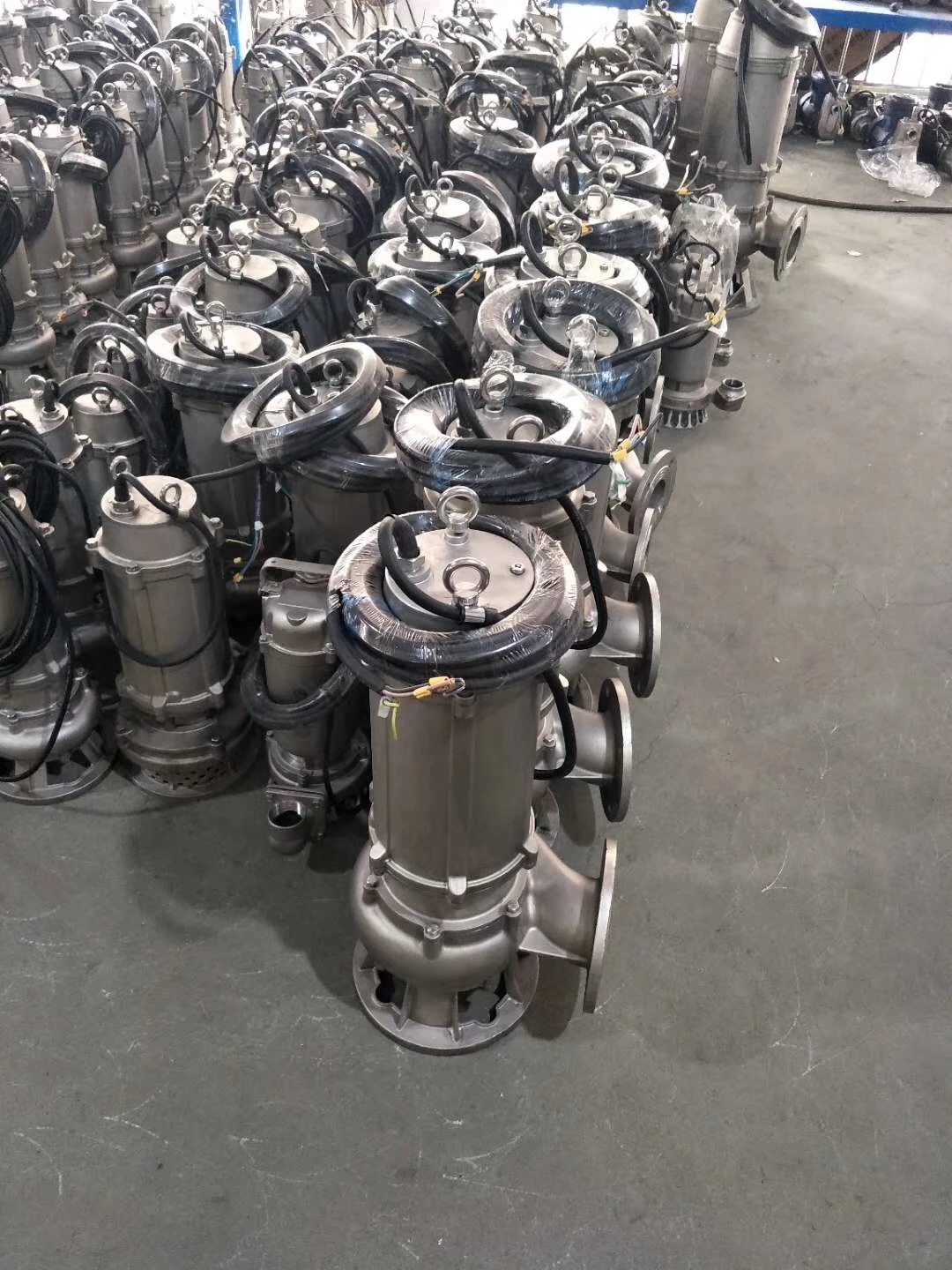
Performance engineering centers on the pump's hydraulic design, specifically impeller geometry and volute casing shape. Impeller design impacts flow rate, head, and efficiency. The specific speed (Ns) is a critical parameter for selecting the optimal impeller type (radial, mixed-flow, or axial). Force analysis involves assessing stresses within the pump casing and impeller due to internal pressure and hydrodynamic forces. Finite element analysis (FEA) is routinely used to optimize component geometry and minimize stress concentrations. Environmental resistance is vital; pumps must withstand temperature fluctuations, humidity, and potential exposure to corrosive agents. Compliance with NFPA 20 (Standard for the Installation of Stationary Pumps for Fire Protection) is non-negotiable, dictating performance requirements and testing procedures. Furthermore, hydraulic institute standards (HI) provide guidelines for pump performance testing and data reporting. Cavitation, a significant concern, occurs when the absolute pressure at the impeller inlet drops below the vapor pressure of the liquid, forming vapor bubbles that collapse violently, causing erosion and noise. Net Positive Suction Head Required (NPSHr) must be carefully considered to prevent cavitation. Proper system design, including adequate suction piping and minimizing elevation differences, is crucial. Pump curves, providing flow rate versus head and efficiency data, are essential for system matching and performance prediction.
Technical Specifications
| Flow Rate (GPM) | Head (ft) | Power (HP) | Impeller Material |
|---|---|---|---|
| 150-250 | 80-120 | 10-15 | Bronze |
| 250-500 | 120-180 | 20-30 | Stainless Steel (316) |
| 500-750 | 180-250 | 30-40 | Cast Iron (with coating) |
| 750-1000 | 250-350 | 40-60 | Stainless Steel (304) |
| 1000-1500 | 350-450 | 60-80 | Cast Iron (ductile) |
| 1500-2000 | 450-550 | 80-100 | Stainless Steel (Duplex) |
Failure Mode & Maintenance
Common failure modes include impeller cavitation (leading to erosion and reduced performance), seal failure (resulting in leakage), bearing failure (due to inadequate lubrication or overload), and casing cracking (caused by thermal stress or corrosion). Fatigue cracking, particularly in cast iron components, is exacerbated by cyclic loading. Delamination of protective coatings accelerates corrosion. Oxidation of stainless steel can occur in environments with limited oxygen. Maintenance should include regular visual inspections for leaks and unusual noises, vibration analysis (ISO 10816), and lubrication of bearings per manufacturer’s recommendations. Seal replacement is typically required every 2-3 years, depending on operating conditions. Impeller inspection should occur annually, with replacement considered if significant erosion or damage is detected. Casing inspection for cracks should be performed using non-destructive testing (NDT) methods like dye penetrant testing (ASTM E165) or ultrasonic testing (ASTM E797). Proper winterization procedures, including draining the pump and piping, are crucial to prevent freeze damage. Preventative maintenance programs should be documented and tracked to ensure consistent performance and identify potential issues before they lead to catastrophic failure. Record keeping of pump run times, maintenance activities, and any observed anomalies is essential for trend analysis and informed decision-making.
Industry FAQ
Q: What is the primary difference between a horizontal and vertical turbine pump for fire protection?
A: Vertical turbine pumps are typically preferred for installations where space is limited and suction lift is required. They eliminate the need for priming, offering faster start-up times. Horizontal pumps are often more accessible for maintenance but require a dedicated pump room and careful consideration of suction head requirements.
Q: How do you mitigate the risk of cavitation in a vertical pipeline fire pump?
A: Mitigating cavitation requires ensuring adequate Net Positive Suction Head Available (NPSHa) exceeds the Net Positive Suction Head Required (NPSHr). This can be achieved by minimizing suction line losses, increasing tank elevation, and reducing fluid temperature.
Q: What are the critical considerations when selecting a pump casing material?
A: Material selection depends on the fluid being pumped, the operating temperature, and the potential for corrosion. Cast iron is cost-effective for clean water applications, while stainless steel is necessary for corrosive fluids or potable water systems.
Q: How often should the pump’s mechanical seals be inspected and replaced?
A: Mechanical seals should be inspected annually, with replacement typically recommended every 2-3 years, depending on operating conditions and fluid characteristics. Monitoring for leakage is a key indicator of seal performance.
Q: What role does NFPA 20 play in the selection and installation of vertical fire pumps?
A: NFPA 20 is the definitive standard governing the installation of stationary pumps for fire protection. It dictates performance requirements, testing procedures, and safety guidelines that must be followed to ensure reliable fire suppression systems.
Conclusion
Vertical pipeline centrifugal fire pumps represent a critical element in modern fire protection infrastructure. Their in-line design and self-priming capabilities offer significant advantages, but achieving long-term reliability requires careful consideration of material selection, manufacturing processes, and performance engineering principles. Understanding the potential failure modes, implementing robust preventative maintenance programs, and adhering to industry standards like NFPA 20 are paramount for ensuring optimal performance and minimizing downtime.
Future advancements in fire pump technology are likely to focus on increased energy efficiency through optimized impeller designs and variable frequency drives, as well as the integration of smart sensors for real-time performance monitoring and predictive maintenance. Continued research into corrosion-resistant materials and advanced coating technologies will further enhance the durability and lifespan of these critical systems, minimizing lifecycle costs and maximizing safety.
-
Comprehensive Guide to Waterproof ORings for Optimal Sealing Solutions
News2026-06-09
-
Septic Pump System Performance Analysis
News2026-06-08
-
pump for septic Material Science
News2026-06-08
-
basement sewer pump Performance Analysis
News2026-06-08
-
submerged pump Performance Engineering
News2026-06-08
-
Septic System Pumps Performance Analysis
News2026-06-08
-
septic system pump Material Science and Manufacturing
News2026-06-07
-
pump for septic tank Material Science Manufacturing
News2026-06-07
-
submersible sewage pump Material Science
News2026-06-07
-
Sewage Ejector Material Science and Manufacturing
News2026-06-07
-
Ejection Pump Material Science
News2026-06-07
-
pump submersible Performance Analysis
News2026-06-06
-
ejector pumps Performance Engineering
News2026-06-06
-
basement ejector pump Material Science Manufacturing
News2026-06-06
-
Septic Tanks Pumping Performance Analysis
News2026-06-06




