English
- Afrikaans
- Albanian
- Amharic
- Arabic
- Armenian
- Azerbaijani
- Basque
- Belarusian
- Bengali
- Bosnian
- Bulgarian
- Catalan
- Cebuano
- Corsican
- Croatian
- Czech
- Danish
- Dutch
- English
- Esperanto
- Estonian
- Finnish
- French
- Frisian
- Galician
- Georgian
- German
- Greek
- Gujarati
- Haitian Creole
- hausa
- hawaiian
- Hebrew
- Hindi
- Miao
- Hungarian
- Icelandic
- igbo
- Indonesian
- irish
- Italian
- Japanese
- Javanese
- Kannada
- kazakh
- Khmer
- Rwandese
- Korean
- Kurdish
- Kyrgyz
- Lao
- Latin
- Latvian
- Lithuanian
- Luxembourgish
- Macedonian
- Malgashi
- Malay
- Malayalam
- Maltese
- Maori
- Marathi
- Mongolian
- Myanmar
- Nepali
- Norwegian
- Norwegian
- Occitan
- Pashto
- Persian
- Polish
- Portuguese
- Punjabi
- Romanian
- Russian
- Samoan
- Scottish Gaelic
- Serbian
- Sesotho
- Shona
- Sindhi
- Sinhala
- Slovak
- Slovenian
- Somali
- Spanish
- Sundanese
- Swahili
- Swedish
- Tagalog
- Tajik
- Tamil
- Tatar
- Telugu
- Thai
- Turkish
- Turkmen
- Ukrainian
- Urdu
- Uighur
- Uzbek
- Vietnamese
- Welsh
- Bantu
- Yiddish
- Yoruba
- Zulu

Telephone: +86 13120555503
Email: frank@cypump.com


Apr . 01, 2024 17:55 Back to list
best submersible mixed flow pump Performance Analysis
Introduction
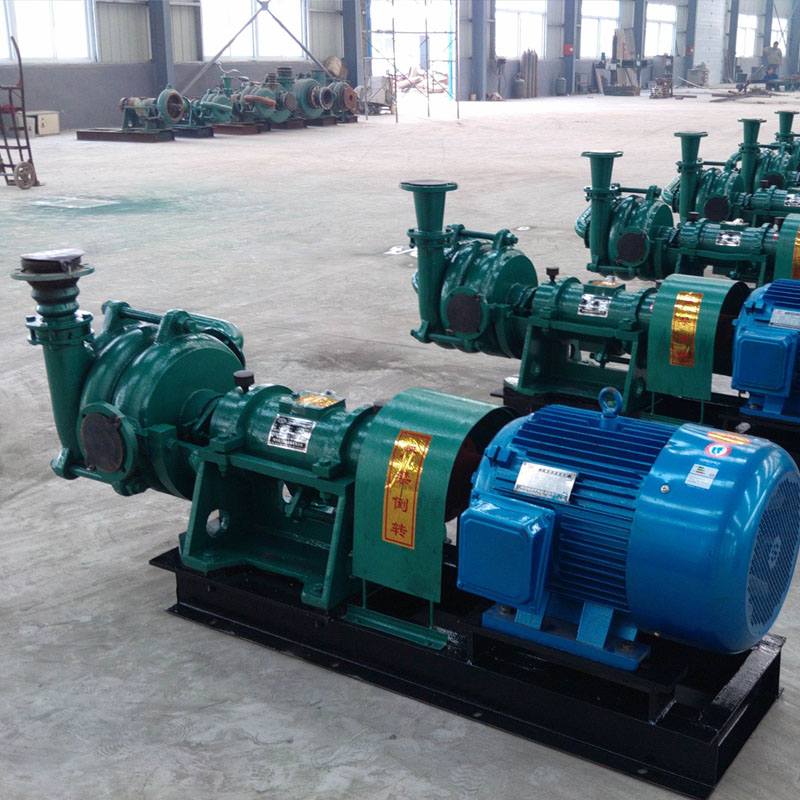
Submersible mixed flow pumps represent a critical component in numerous industrial and municipal water management systems. These pumps, designed for complete immersion, are distinct from centrifugal and axial flow pumps by their hybrid impeller design, which combines the characteristics of both, yielding efficiencies optimal for applications involving both high flow rates and moderate head pressures. Positioned within the industrial chain, they follow water intake structures (wells, rivers, reservoirs) and precede distribution networks, treatment facilities, or industrial processes. Core performance indicators for these pumps include flow rate (m³/h), total dynamic head (TDH - meters), power consumption (kW), and solids handling capacity (mm). A key challenge in this sector is balancing pump efficiency with durability in often abrasive and corrosive environments. The demand for energy-efficient and reliable pumps capable of handling increasingly complex fluids drives continuous innovation in materials and hydraulic design.
Material Science & Manufacturing
The construction of a best submersible mixed flow pump necessitates careful material selection and precise manufacturing processes. Impellers and diffusers are commonly cast from high-grade stainless steel (316L, 440C) due to their corrosion resistance and mechanical strength. Pump housings typically utilize cast iron (ASTM A48 Class 30) with epoxy or polyurethane coatings for enhanced protection against chemical attack and abrasion. Shafts are often forged from alloy steel (4140) and hardened for superior torsional strength. Seals are critical, typically employing silicon carbide faces against stainless steel for long-term wear resistance. Manufacturing involves several key stages: impeller casting (using investment or sand casting), machining (CNC milling and turning for precision tolerances), welding (submerged arc welding or GTAW for robust housing assembly), and coating application (electrodeposition or spraying). Parameter control during casting – specifically controlling cooling rates and alloy composition – directly impacts the microstructure and, consequently, the mechanical properties of the impeller. Welding requires stringent quality control to prevent porosity and ensure structural integrity. The rubber components utilized in seals and dampening systems utilize materials like Nitrile Butadiene Rubber (NBR) or Ethylene Propylene Diene Monomer (EPDM), chosen for their oil resistance and flexibility.
Performance & Engineering
Performance analysis of submersible mixed flow pumps centers on hydraulic efficiency, net positive suction head (NPSH) requirements, and vibration characteristics. The pump’s performance curve, a plot of head versus flow rate, is fundamental for matching the pump to the specific application. Force analysis focuses on radial and axial thrusts on the impeller and shaft, necessitating robust bearing designs and proper impeller balancing. Environmental resistance is paramount; pumps must withstand continuous immersion, varying water temperatures, and potential exposure to corrosive substances. Compliance with industry standards such as ANSI/HI (Hydraulic Institute) and ISO 9906 (Rotary pumps – performance test codes) is essential for ensuring reliable operation. The mixed flow impeller design balances centrifugal force (generating head) with axial flow (maximizing flow rate). Cavitation, a significant concern, occurs when the absolute pressure within the pump falls below the vapor pressure of the liquid, creating vapor bubbles that collapse and damage the impeller. Proper NPSH calculation and pump placement are crucial for preventing cavitation. The hydraulic design incorporates volute casings to efficiently convert velocity energy into pressure energy, further enhancing overall pump efficiency.
Technical Specifications
| Parameter | Unit | Typical Value (Small Pump) | Typical Value (Large Pump) |
|---|---|---|---|
| Flow Rate | m³/h | 5 – 50 | 100 – 500 |
| Total Dynamic Head (TDH) | m | 10 – 30 | 40 – 100 |
| Power Consumption | kW | 0.75 – 7.5 | 15 – 75 |
| Solids Handling Capacity | mm | Up to 5 | Up to 25 |
| Impeller Material | - | 316L Stainless Steel | 440C Stainless Steel |
| Housing Material | - | Cast Iron (Epoxy Coated) | Cast Iron (Polyurethane Coated) |
Failure Mode & Maintenance
Submersible mixed flow pumps are susceptible to several failure modes. Mechanical seal failure, often due to abrasive particles or dry running, is a common issue. Impeller erosion, particularly in applications with high solids content, reduces pump efficiency and can lead to complete failure. Bearing failure, resulting from inadequate lubrication or excessive load, manifests as increased vibration and noise. Motor winding failure can occur due to overheating or insulation breakdown, often linked to improper voltage supply or overloading. Corrosion, particularly in aggressive chemical environments, can weaken pump components over time. Failure analysis should include visual inspection for cracks, erosion, and corrosion; bearing examination for wear and lubrication issues; and electrical testing of the motor windings. Preventive maintenance includes regular seal replacement, bearing lubrication, motor winding insulation testing, and impeller inspection. Periodic cleaning to remove accumulated debris is also crucial. Vibration analysis can provide early warning signs of impending bearing or impeller failures. Implementing a condition monitoring system with sensors for temperature, vibration, and current draw can further enhance predictive maintenance capabilities.
Industry FAQ
Q: What is the impact of fluid viscosity on pump performance?
A: Increased fluid viscosity directly reduces pump efficiency. Higher viscosity leads to increased frictional losses within the pump, decreasing flow rate and increasing power consumption. The pump curve will shift downwards and to the right, meaning a lower flow rate for a given head. Pump selection should consider the viscosity of the fluid being pumped, and in cases of high viscosity, a larger motor and potentially a different pump type may be necessary.
Q: How do I determine the appropriate NPSH for a specific application?
A: NPSH Available (NPSHa) must always exceed NPSH Required (NPSHr) to prevent cavitation. NPSHa is a function of the liquid level in the suction source, atmospheric pressure, vapor pressure of the liquid, and suction line losses. NPSHr is a characteristic of the pump, provided by the manufacturer. Accurate calculation of NPSHa is crucial, and it is often conservative to add a safety margin.
Q: What type of motor protection is recommended for submersible pumps?
A: Submersible pumps should be equipped with thermal overload protection and short-circuit protection. Phase failure protection is also recommended to prevent damage to the motor if one of the phases is lost. Monitoring current draw is also helpful for identifying potential problems such as impeller blockage or bearing failure.
Q: What are the benefits of using variable frequency drives (VFDs) with submersible pumps?
A: VFDs allow for precise control of pump speed, resulting in energy savings, reduced wear and tear on the pump, and improved process control. By matching pump speed to the actual demand, VFDs can significantly reduce energy consumption, particularly in applications with fluctuating flow requirements.
Q: How often should the pump’s mechanical seal be inspected and replaced?
A: The frequency of seal inspection and replacement depends on the application and the fluid being pumped. As a general guideline, seals should be inspected annually and replaced every 2-3 years, or sooner if signs of leakage or wear are observed. Applications involving abrasive fluids will require more frequent inspection and replacement.
Conclusion
Submersible mixed flow pumps represent a sophisticated engineering solution for efficient fluid transfer in a variety of demanding applications. Optimal performance relies heavily on appropriate material selection, precise manufacturing processes, and adherence to industry standards. Understanding the potential failure modes and implementing a robust preventative maintenance program are critical for maximizing pump lifespan and minimizing downtime.
Continued advancements in pump design, motor technology, and condition monitoring systems are driving further improvements in efficiency, reliability, and sustainability. Future developments will likely focus on incorporating smart technologies, such as predictive analytics and remote monitoring, to further optimize pump performance and reduce operational costs.
-
Precision at the Pump: How Better Machining Protects Flow and Uptime
News2026-11-20
-
Why Pump Reliability Begins Before the First Drop of Fluid
News2026-11-20
-
Beyond the Pump: Designing Safer Access Around Critical Water Infrastructure
News2026-11-20
-
Why Pumping Stations Depend on the Infrastructure Beneath the Pumps
News2026-11-20
-
Beyond the Pump Room: How Smarter Loading Protects Industrial Equipment
News2026-11-19
-
When Pumps Stop: Designing More Resilient Power for Critical Pumping Systems
News2026-11-19
-
The Hidden Role of Dust and Gas Monitoring in Reliable Pump Operations
News2026-11-19
-
The Hidden Role of Mineral Compounds in Extending Industrial Pump Lifespan
News2026-10-12
-
Why Pump System Reliability Depends on Precision Hose Assembly Methods
News2026-09-15
-
How Advanced Imaging Films Are Transforming Pump Component Quality Control
News2026-08-25
-
How Advanced Filtration Protects Pump Systems from Premature Wear and Costly Downtime
News2026-08-25
-
How Steel Material Selection Drives Pump Reliability in Heavy-Duty Systems
News2026-08-25
-
Ensuring Pump System Efficiency: The Role of High-Quality Pipe Fittings and Tubing
News2026-08-24
-
Optimizing Fluid Dynamics and Material Consistency in Industrial Processing
News2026-08-18
-
Innovations and Challenges in Hydraulic Systems for Heavy Machinery
News2026-08-13




