English
- Afrikaans
- Albanian
- Amharic
- Arabic
- Armenian
- Azerbaijani
- Basque
- Belarusian
- Bengali
- Bosnian
- Bulgarian
- Catalan
- Cebuano
- Corsican
- Croatian
- Czech
- Danish
- Dutch
- English
- Esperanto
- Estonian
- Finnish
- French
- Frisian
- Galician
- Georgian
- German
- Greek
- Gujarati
- Haitian Creole
- hausa
- hawaiian
- Hebrew
- Hindi
- Miao
- Hungarian
- Icelandic
- igbo
- Indonesian
- irish
- Italian
- Japanese
- Javanese
- Kannada
- kazakh
- Khmer
- Rwandese
- Korean
- Kurdish
- Kyrgyz
- Lao
- Latin
- Latvian
- Lithuanian
- Luxembourgish
- Macedonian
- Malgashi
- Malay
- Malayalam
- Maltese
- Maori
- Marathi
- Mongolian
- Myanmar
- Nepali
- Norwegian
- Norwegian
- Occitan
- Pashto
- Persian
- Polish
- Portuguese
- Punjabi
- Romanian
- Russian
- Samoan
- Scottish Gaelic
- Serbian
- Sesotho
- Shona
- Sindhi
- Sinhala
- Slovak
- Slovenian
- Somali
- Spanish
- Sundanese
- Swahili
- Swedish
- Tagalog
- Tajik
- Tamil
- Tatar
- Telugu
- Thai
- Turkish
- Turkmen
- Ukrainian
- Urdu
- Uighur
- Uzbek
- Vietnamese
- Welsh
- Bantu
- Yiddish
- Yoruba
- Zulu

Telephone: +86 13120555503
Email: frank@cypump.com


Apr . 01, 2024 17:55 Back to list
best submersible mixed flow propeller pump Performance Analysis
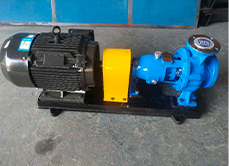
Introduction
Submersible mixed flow propeller pumps are centrifugal pumps specifically designed for submerged operation, utilizing an impeller that combines characteristics of both axial and radial flow designs. Positioned within the industrial water and wastewater management chain, these pumps serve as crucial components in applications requiring efficient fluid transfer from sumps, wells, and tanks. Their primary function revolves around handling large volumes of water containing solids, making them indispensable in municipal wastewater treatment plants, industrial effluent handling, flood control, and agricultural irrigation. Core performance characteristics include high flow rates, moderate head development, and the ability to effectively manage fluids with suspended solids, differing them significantly from clear liquid centrifugal pumps. The key benefit lies in their elimination of the need for surface priming, reducing system complexity and improving operational reliability. Understanding the nuances of impeller design, motor cooling techniques, and materials of construction is essential for optimal performance and longevity.
Material Science & Manufacturing
The construction of a submersible mixed flow propeller pump relies heavily on specific material properties to withstand the corrosive and abrasive environments in which they operate. Pump housings are typically manufactured from cast iron (ASTM A48 Class 30) offering good strength and cost-effectiveness, or alternatively, stainless steel (304/316 – ASTM A743) for increased corrosion resistance in more aggressive fluids. Impellers are frequently constructed from ductile iron (ASTM A536-85), chosen for its high tensile strength and resistance to cavitation erosion. Shafts are commonly made from high-strength alloy steel (4140 – ASTM A579), heat-treated to enhance durability. Seals are vital, utilizing materials like silicon carbide (SiC) faces against stainless steel for superior wear resistance and chemical compatibility. Elastomeric components like O-rings and diaphragms are often made from Nitrile Butadiene Rubber (NBR) or Viton (FKM) based on the fluid composition.
Manufacturing processes involve several critical stages. Casting forms the basis for the housing and impeller, requiring precise mold design and controlled cooling rates to minimize defects. Impeller blades undergo intricate machining to achieve the specific hydrodynamic profile required for efficient fluid flow. Welding (SMAW/GMAW – AWS D1.1) is employed for joining components, demanding skilled welders and thorough inspection to ensure structural integrity. Motor encapsulation utilizes epoxy resin or polyurethane potting compounds to provide electrical insulation and mechanical protection. Critical parameter control centers on maintaining tight tolerances in impeller balance (ISO 1940-1) to minimize vibration and ensure smooth operation, precise seal alignment to prevent leakage, and meticulous quality control during the welding process to avoid porosity and cracking. Surface treatments like epoxy coating are commonly applied to enhance corrosion resistance.
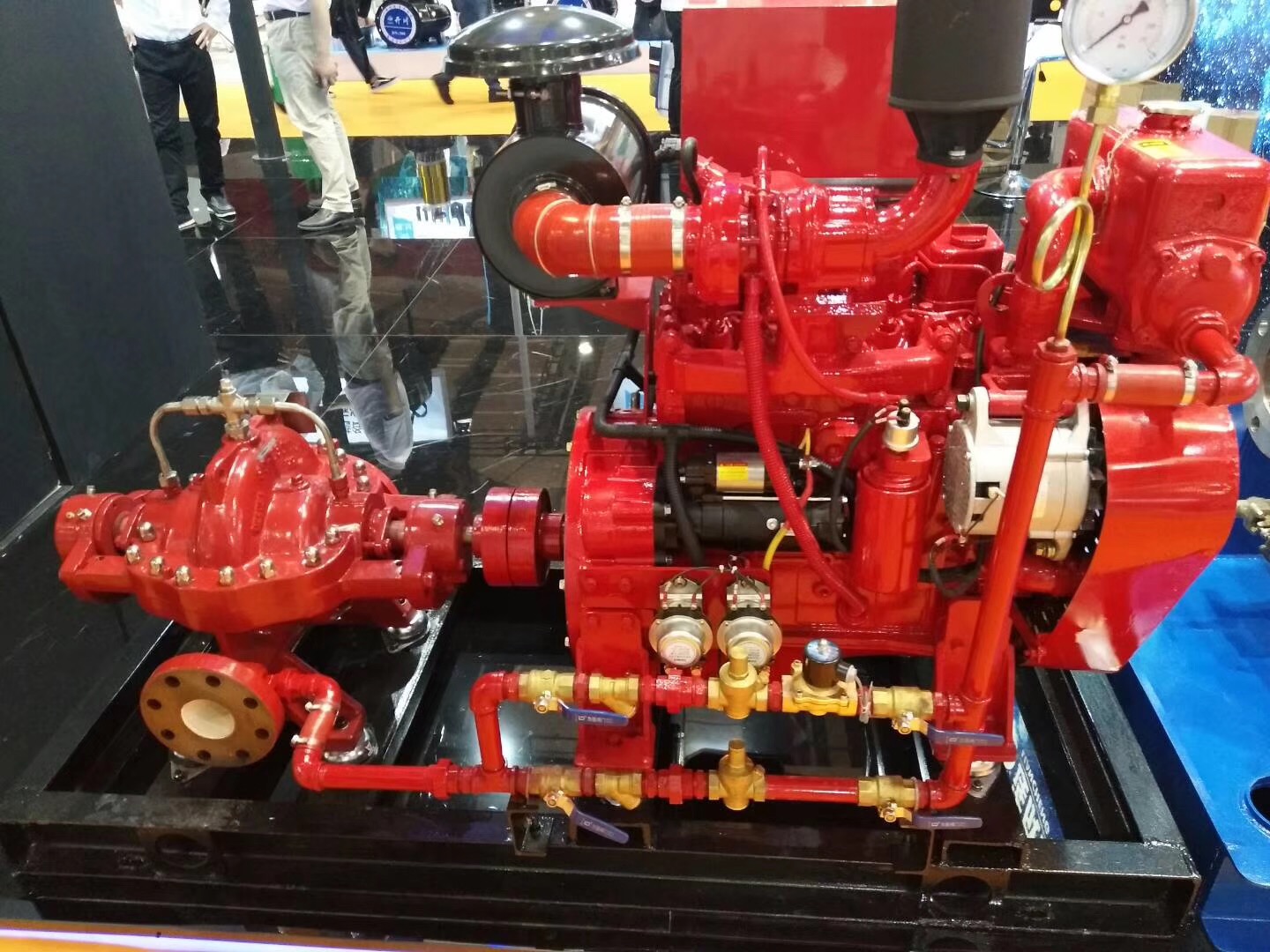
Performance & Engineering
The performance of a submersible mixed flow propeller pump is dictated by a complex interplay of hydraulic forces and mechanical engineering principles. Force analysis involves evaluating radial and axial thrusts generated by the impeller, requiring robust bearing systems (deep groove ball bearings or roller bearings – ISO 2811-1) to prevent premature failure. The pump’s head-capacity curve, a fundamental characteristic, is determined through computational fluid dynamics (CFD) simulations and physical testing (ISO 9906) to optimize impeller geometry for specific application requirements. Environmental resistance is crucial; pumps must withstand prolonged submersion, varying temperatures, and potential exposure to corrosive chemicals. Motor cooling is achieved through oil-filled compartments or water jacket designs to dissipate heat efficiently, preventing motor overheating and extending its lifespan.
Compliance requirements are stringent, particularly regarding electrical safety (IEC 60335-1) and environmental protection (directives such as RoHS and REACH). The pump’s electrical connections must be watertight to prevent short circuits and ensure operator safety. Functional implementation requires careful consideration of the system’s overall design, including piping configuration, suction lift limitations, and control system integration. Variable Frequency Drives (VFDs) are commonly employed to optimize pump performance and energy consumption based on fluctuating demand. Cavitation, a common failure mode, is mitigated through careful impeller design and maintaining adequate Net Positive Suction Head Available (NPSHa) exceeding the Net Positive Suction Head Required (NPSHr). The pump's efficiency (defined as the ratio of hydraulic power output to electrical power input) is a critical metric, aiming for values typically between 60-85% depending on pump size and operating conditions.
Technical Specifications
| Parameter | Unit | Typical Range (Small Pump) | Typical Range (Large Pump) |
|---|---|---|---|
| Flow Rate | m³/h | 0.5 - 20 | 50 - 500 |
| Total Head | m | 5 - 30 | 30 - 150 |
| Motor Power | kW | 0.75 - 7.5 | 15 - 150 |
| Impeller Diameter | mm | 100 - 300 | 400 - 800 |
| Solids Handling Capacity | mm | Up to 25 | Up to 75 |
| Maximum Submergence Depth | m | Up to 20 | Up to 50 |
Failure Mode & Maintenance
Submersible mixed flow propeller pumps, while robust, are susceptible to several failure modes. Fatigue cracking in the impeller, often initiated by cavitation erosion or stress concentrations, is a common issue. Delamination of epoxy coatings on the housing can lead to corrosion and structural weakening. Bearing failure, caused by excessive load, improper lubrication, or contamination, results in increased vibration and eventual pump seizure. Seal failures, stemming from wear, chemical attack, or misalignment, cause leakage and potential motor damage. Oxidation of electrical cables and connections due to prolonged submersion compromises electrical integrity.
Preventative maintenance is crucial. Regular inspection of the impeller for wear and cavitation damage (visual inspection and non-destructive testing – NDT) is essential. Lubrication of bearings according to manufacturer specifications (ISO 2871) prevents premature failure. Seal replacement should be scheduled based on operating hours and fluid characteristics. Electrical connections must be inspected for corrosion and insulated appropriately. Periodic cleaning of the pump housing removes accumulated debris that can impede performance. In the event of a failure, thorough failure analysis (using techniques like metallurgical analysis and visual inspection) is vital to identify the root cause and prevent recurrence. Scheduled motor insulation resistance testing (IEC 60038) helps detect potential electrical issues before they escalate. Following proper installation procedures, including adequate strainer usage to prevent solids ingress, significantly extends pump lifespan.
Industry FAQ
Q: What is the impact of solids concentration on pump performance and longevity?
A: Increased solids concentration significantly reduces pump efficiency and accelerates wear. Abrasive solids cause erosion of the impeller and housing, while larger solids can clog the pump, leading to overheating and potential damage. Proper strainer selection and regular cleaning are essential to mitigate these effects. Pumps designed for high solids handling have hardened impellers and wider flow passages.
Q: How do I determine the correct pump size for my application?
A: Determining the correct pump size requires careful evaluation of the system head (static and friction losses), flow rate requirements, and fluid properties. A system head curve must be generated to accurately represent the resistance to flow. Pump selection should be based on operating at or near the Best Efficiency Point (BEP) of the pump curve, ensuring optimal performance and minimizing energy consumption. Consulting with a pump specialist is highly recommended.
Q: What are the common causes of pump overheating and how can they be addressed?
A: Common causes of overheating include insufficient cooling, blocked impeller passages, low fluid levels, and electrical faults. Ensure adequate motor cooling is maintained, clean the impeller regularly, verify proper fluid levels, and inspect electrical connections for corrosion or damage. Implementing a temperature monitoring system can provide early warning of overheating conditions.
Q: What is the role of the variable frequency drive (VFD) in optimizing pump operation?
A: A VFD allows for precise control of the pump’s motor speed, enabling adjustments to flow rate and pressure based on demand. This optimizes energy consumption, reduces mechanical stress on the pump, and extends its lifespan. VFDs can also provide soft starting and stopping, minimizing water hammer and preventing damage to the piping system.
Q: What materials are best suited for handling specific corrosive fluids (e.g., sulfuric acid, sodium hydroxide)?
A: Material selection is critical when handling corrosive fluids. For sulfuric acid, stainless steel (316) or specialized alloys like Hastelloy are recommended. For sodium hydroxide, polypropylene or other chemically resistant plastics are often used. Always consult a chemical compatibility chart and consider the fluid concentration and temperature when selecting materials.
Conclusion
Submersible mixed flow propeller pumps represent a vital technology in fluid handling across diverse industries. Their inherent advantages, including submerged operation, efficient solids handling, and robust construction, position them as a preferred choice for wastewater treatment, flood control, and irrigation. However, realizing their full potential demands a comprehensive understanding of material science, manufacturing processes, and performance characteristics.
Ongoing advancements in pump design, materials, and control systems promise further enhancements in efficiency, reliability, and environmental sustainability. Implementing proactive maintenance programs, adhering to relevant industry standards, and carefully considering application-specific requirements are essential for maximizing pump lifespan and minimizing operational costs. Future trends point toward increased adoption of intelligent pumps with integrated sensors and remote monitoring capabilities, further optimizing performance and predictive maintenance strategies.
-
Precision at the Pump: How Better Machining Protects Flow and Uptime
News2026-11-20
-
Why Pump Reliability Begins Before the First Drop of Fluid
News2026-11-20
-
Beyond the Pump: Designing Safer Access Around Critical Water Infrastructure
News2026-11-20
-
Why Pumping Stations Depend on the Infrastructure Beneath the Pumps
News2026-11-20
-
Beyond the Pump Room: How Smarter Loading Protects Industrial Equipment
News2026-11-19
-
When Pumps Stop: Designing More Resilient Power for Critical Pumping Systems
News2026-11-19
-
The Hidden Role of Dust and Gas Monitoring in Reliable Pump Operations
News2026-11-19
-
The Hidden Role of Mineral Compounds in Extending Industrial Pump Lifespan
News2026-10-12
-
Why Pump System Reliability Depends on Precision Hose Assembly Methods
News2026-09-15
-
How Advanced Imaging Films Are Transforming Pump Component Quality Control
News2026-08-25
-
How Advanced Filtration Protects Pump Systems from Premature Wear and Costly Downtime
News2026-08-25
-
How Steel Material Selection Drives Pump Reliability in Heavy-Duty Systems
News2026-08-25
-
Ensuring Pump System Efficiency: The Role of High-Quality Pipe Fittings and Tubing
News2026-08-24
-
Optimizing Fluid Dynamics and Material Consistency in Industrial Processing
News2026-08-18
-
Innovations and Challenges in Hydraulic Systems for Heavy Machinery
News2026-08-13




