English
- Afrikaans
- Albanian
- Amharic
- Arabic
- Armenian
- Azerbaijani
- Basque
- Belarusian
- Bengali
- Bosnian
- Bulgarian
- Catalan
- Cebuano
- Corsican
- Croatian
- Czech
- Danish
- Dutch
- English
- Esperanto
- Estonian
- Finnish
- French
- Frisian
- Galician
- Georgian
- German
- Greek
- Gujarati
- Haitian Creole
- hausa
- hawaiian
- Hebrew
- Hindi
- Miao
- Hungarian
- Icelandic
- igbo
- Indonesian
- irish
- Italian
- Japanese
- Javanese
- Kannada
- kazakh
- Khmer
- Rwandese
- Korean
- Kurdish
- Kyrgyz
- Lao
- Latin
- Latvian
- Lithuanian
- Luxembourgish
- Macedonian
- Malgashi
- Malay
- Malayalam
- Maltese
- Maori
- Marathi
- Mongolian
- Myanmar
- Nepali
- Norwegian
- Norwegian
- Occitan
- Pashto
- Persian
- Polish
- Portuguese
- Punjabi
- Romanian
- Russian
- Samoan
- Scottish Gaelic
- Serbian
- Sesotho
- Shona
- Sindhi
- Sinhala
- Slovak
- Slovenian
- Somali
- Spanish
- Sundanese
- Swahili
- Swedish
- Tagalog
- Tajik
- Tamil
- Tatar
- Telugu
- Thai
- Turkish
- Turkmen
- Ukrainian
- Urdu
- Uighur
- Uzbek
- Vietnamese
- Welsh
- Bantu
- Yiddish
- Yoruba
- Zulu

Telephone: +86 13120555503
Email: frank@cypump.com


Apr . 01, 2024 17:55 Back to list
best sewer pump Performance Analysis
Introduction
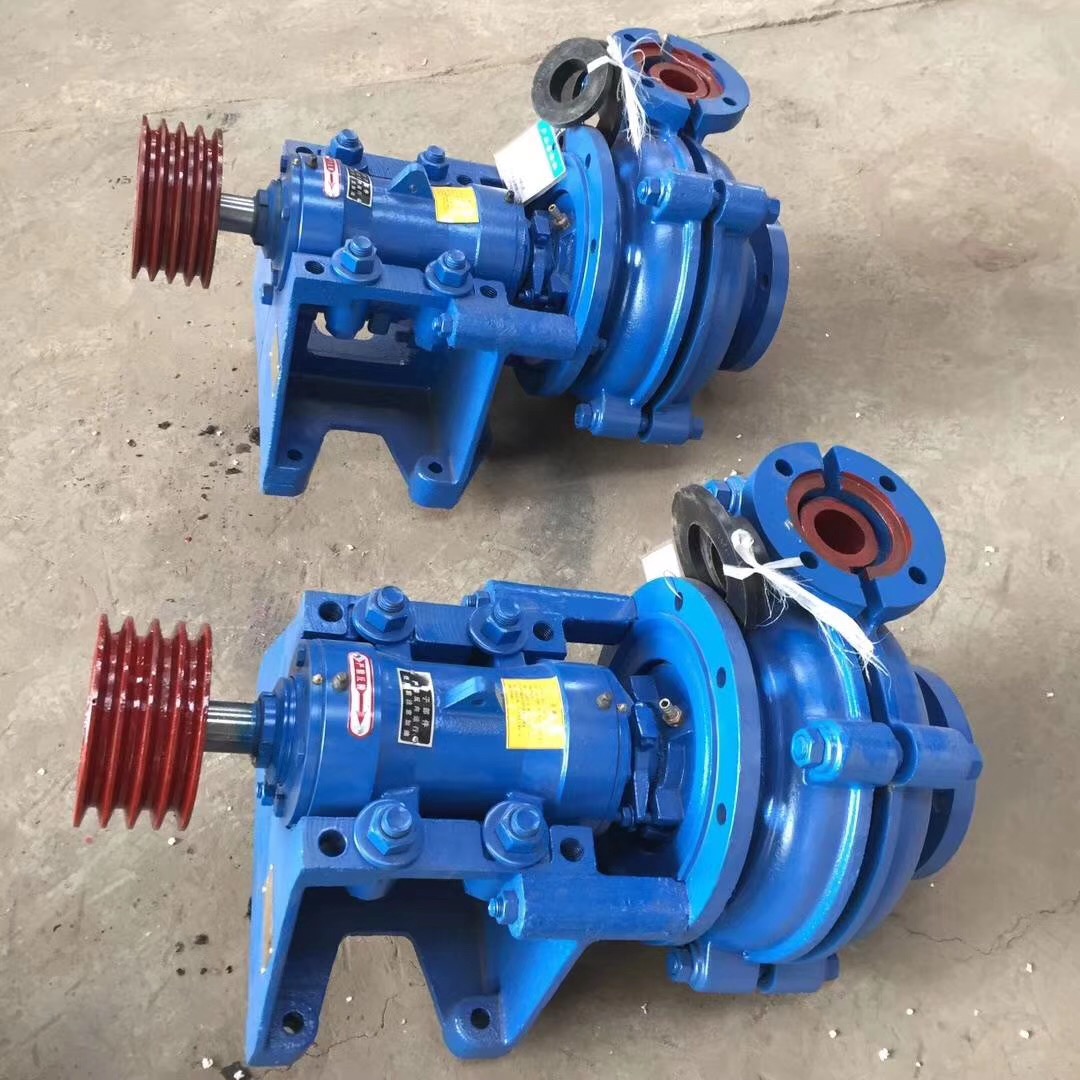
Submersible sewer pumps represent a critical component in wastewater management systems, facilitating the efficient and reliable removal of effluent from residential, commercial, and industrial sources. These pumps are specifically designed for submerged operation, typically within wet wells or lift stations, and are essential for overcoming gravity-related limitations in sewage conveyance. Their technical position within the wastewater treatment chain is upstream of primary treatment, ensuring the consistent and dependable transfer of raw sewage to processing facilities. Core performance characteristics center around hydraulic capacity (gallons per minute/liters per second), head (vertical lift capability in feet/meters), solids handling capability (diameter of solids the pump can pass without clogging), motor power (horsepower/kilowatts), and overall system efficiency. The selection of a 'best' sewer pump isn’t a singular designation, but rather a context-dependent evaluation based on the specific application demands. A primary industry pain point resides in balancing pump longevity with operational costs, frequently necessitating compromises between initial capital investment, energy consumption, and required maintenance intervals. Corrosion, abrasive wear from solids, and motor winding failure are common concerns driving ongoing advancements in pump design and materials science.
Material Science & Manufacturing
The core materials in a submersible sewer pump dictate its durability and resistance to the aggressive environments it encounters. Pump housings are commonly constructed from cast iron (ASTM A48 Class 30 or equivalent), stainless steel (304, 316, or duplex grades per ASTM A992), or high-density polyethylene (HDPE) depending on application severity and cost considerations. Cast iron provides cost-effectiveness and mass but requires protective coatings (epoxy or powder coating) to mitigate corrosion. Stainless steel offers superior corrosion resistance but at a higher cost, crucial for handling highly corrosive effluents. HDPE is lightweight and inherently corrosion-resistant but possesses lower structural strength. Impeller materials typically mirror housing materials, with stainless steel being favored for its resistance to abrasion from suspended solids. Shafts are generally manufactured from high-strength stainless steel (410 or 420 series) for torsional strength and corrosion resistance. Mechanical seals, critical for preventing ingress of sewage into the motor, utilize materials like silicon carbide, tungsten carbide, and Viton elastomers for compatibility with wastewater constituents. Manufacturing processes include sand casting for housings, investment casting or machining for impellers and shafts, and rotational molding for HDPE components. Welding processes (SMAW, GTAW) are employed for stainless steel assemblies. Key parameter control during manufacturing focuses on dimensional accuracy of impeller vanes to optimize hydraulic efficiency, surface finish to minimize friction losses, and concentricity of rotating components to reduce vibration and bearing wear. Proper heat treatment is essential for achieving desired mechanical properties in cast iron and stainless steel parts.
Performance & Engineering
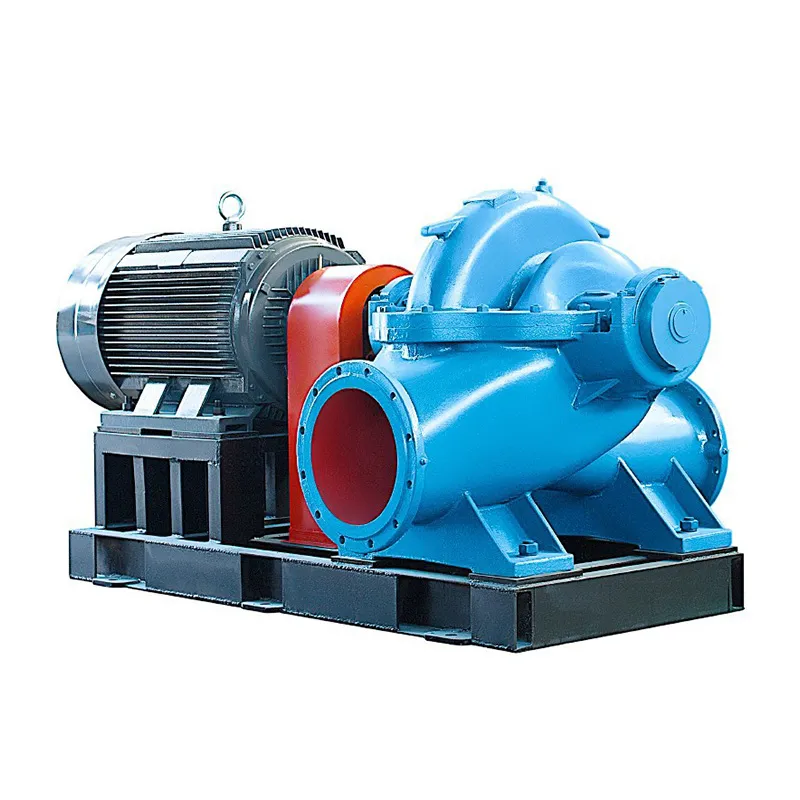
Sewer pump performance is fundamentally governed by fluid dynamics and motor characteristics. Force analysis centers around calculating the radial and axial loads imposed on the impeller, shaft, and bearings due to fluid pressure and solids impact. Hydraulic design employs computational fluid dynamics (CFD) to optimize impeller geometry and volute shape for maximum efficiency and solids handling capacity. The pump curve, a graphical representation of head versus flow rate, is a critical performance metric. Environmental resistance is paramount; pumps must withstand prolonged submersion, fluctuating temperatures, and exposure to corrosive substances. Motor selection involves considerations of horsepower, voltage, frequency, and insulation class (typically Class H for high-temperature operation). Motor protection mechanisms include thermal overload relays and moisture sensors. Compliance requirements dictate adherence to standards such as those set by the Hydraulic Institute (HI) for pump performance testing, and the National Electrical Manufacturers Association (NEMA) for motor standards. Functional implementation necessitates careful consideration of system head loss calculations, including friction losses in piping, elevation changes, and the pressure drop across any check valves or strainers. Proper pump sizing is crucial to avoid cavitation (formation of vapor bubbles due to low pressure) and vortexing (formation of a swirling flow pattern that can draw air into the pump).
Technical Specifications
| Parameter | Unit | Typical Range (Residential) | Typical Range (Industrial) |
|---|---|---|---|
| Flow Rate | GPM (Gallons per Minute) | 20-100 | 100-500+ |
| Total Dynamic Head | ft (Feet) | 10-50 | 50-200+ |
| Solids Handling | in (Inches) | Up to 2 | Up to 4+ |
| Motor Horsepower | HP | 1/2 - 1 | 3 - 10+ |
| Impeller Type | - | Vortex or Recessed | Non-Clog or Grinder |
| Casing Material | - | Cast Iron or HDPE | Stainless Steel or Ductile Iron |
Failure Mode & Maintenance
Sewer pump failures typically stem from several interconnected mechanisms. Fatigue cracking in the impeller or casing can occur due to cyclical loading and stress concentration. Delamination of protective coatings on cast iron components accelerates corrosion. Degradation of elastomers (seals, O-rings) leads to leakage and loss of hydraulic efficiency. Oxidation of motor windings results in short circuits and motor failure. Abrasive wear from suspended solids erodes impeller vanes and casing surfaces. Common failure modes include motor burnout (often due to overheating or voltage fluctuations), seal failure (allowing sewage ingress), and impeller blockage (reducing flow rate). Preventative maintenance is critical. This involves regular inspection of seals and bearings, monitoring motor current and temperature, and performing periodic cleaning to remove accumulated debris. Lubrication of bearings (if applicable) should be conducted according to manufacturer specifications. Vibration analysis can detect early signs of bearing wear or impeller imbalance. Annual pump removal and inspection are recommended for high-usage applications. Proper wet well maintenance, including removal of grit and debris, minimizes pump wear and extends service life. Routine testing of pump controls and alarms ensures reliable operation in emergency situations. When replacing components, adherence to OEM specifications is crucial to maintain performance and warranty validity.
Industry FAQ
Q: What is the difference between a vortex impeller and a non-clog impeller, and when should each be used?
A: Vortex impellers feature a recessed design that creates a swirling action to pull solids into the pump, minimizing clogging. They're ideal for applications with high solids content but lower head requirements. Non-clog impellers have a more open design and are capable of handling larger solids, often grinding them to reduce size, making them suitable for higher head applications and systems prone to rag accumulation.
Q: How do I determine the appropriate pump horsepower for my application?
A: Pump horsepower selection is based on calculating the total dynamic head (TDH) – the vertical lift plus friction losses – and the required flow rate. You'll need to use a pump curve from the manufacturer to identify a pump that can deliver the desired flow at the calculated TDH. Over-sizing the pump can lead to inefficiencies and increased energy consumption, while under-sizing will result in inadequate performance.
Q: What are the key considerations when selecting a pump casing material?
A: Casing material selection depends on the corrosiveness of the wastewater. Cast iron is cost-effective for relatively benign environments but requires protective coatings. Stainless steel (316) is essential for highly corrosive applications. HDPE is a good option for applications with minimal abrasion but lower structural demands. Consider the long-term cost of ownership, including maintenance and replacement frequency.
Q: How can I prevent pump cavitation?
A: Cavitation occurs when the pressure inside the pump drops below the vapor pressure of the liquid. To prevent it, ensure adequate submergence of the pump, minimize suction lift, and avoid sharp bends or restrictions in the suction piping. Proper pump sizing is also critical; an undersized pump can lead to cavitation.
Q: What are the best practices for extending the life of my sewer pump's mechanical seal?
A: Mechanical seal life can be extended by ensuring the pump is operating within its design parameters, preventing dry running, and minimizing the presence of abrasive solids. Regular inspection of the seal for wear or damage is essential. Proper lubrication, if applicable, should be maintained according to manufacturer recommendations. Avoid sudden starts and stops, which can create excessive pressure surges.
Conclusion
The selection and maintenance of submersible sewer pumps represent a complex engineering challenge demanding a thorough understanding of fluid dynamics, materials science, and application-specific requirements. Achieving optimal performance and longevity necessitates careful consideration of pump sizing, material selection, and preventative maintenance procedures. Failure to address these critical factors can result in costly downtime, environmental concerns, and increased operational expenses.
Future advancements in sewer pump technology are likely to focus on improved energy efficiency, enhanced solids handling capabilities, and the integration of smart monitoring systems for predictive maintenance. The development of more durable and corrosion-resistant materials will further extend pump service life and reduce lifecycle costs. Continued innovation in impeller design and hydraulic optimization will contribute to increased pump efficiency and reduced energy consumption.
-
Effluent vs Sump Pump Performance Analysis
News2026-05-22
-
effluent septic pump Performance Engineering
News2026-05-22
-
best sewer pumps Performance Engineering
News2026-05-22
-
best sewer pump Performance Analysis
News2026-05-22
-
best sewage pumps Performance Engineering
News2026-05-22
-
basement bathroom sewage pump Material Science Manufacturing
News2026-05-21
-
wastewater treatment plant pumps Material Science Manufacturing
News2026-05-21
-
waste water pump for basement Material Science Manufacturing
News2026-05-21
-
sump pump sewage Performance Analysis
News2026-05-21
-
sump pump for sewage Material Science and Manufacturing
News2026-05-21
-
sump pump for septic systems Material Science Manufacturing
News2026-05-20
-
sump pump and ejector pump Material Science Manufacturing
News2026-05-20
-
sewage treatment plant pumps Performance Analysis
News2026-05-20
-
sewage tank pump Material Science and Manufacturing
News2026-05-20
-
sewage pump for septic tank Performance Analysis
News2026-05-20




