English
- Afrikaans
- Albanian
- Amharic
- Arabic
- Armenian
- Azerbaijani
- Basque
- Belarusian
- Bengali
- Bosnian
- Bulgarian
- Catalan
- Cebuano
- Corsican
- Croatian
- Czech
- Danish
- Dutch
- English
- Esperanto
- Estonian
- Finnish
- French
- Frisian
- Galician
- Georgian
- German
- Greek
- Gujarati
- Haitian Creole
- hausa
- hawaiian
- Hebrew
- Hindi
- Miao
- Hungarian
- Icelandic
- igbo
- Indonesian
- irish
- Italian
- Japanese
- Javanese
- Kannada
- kazakh
- Khmer
- Rwandese
- Korean
- Kurdish
- Kyrgyz
- Lao
- Latin
- Latvian
- Lithuanian
- Luxembourgish
- Macedonian
- Malgashi
- Malay
- Malayalam
- Maltese
- Maori
- Marathi
- Mongolian
- Myanmar
- Nepali
- Norwegian
- Norwegian
- Occitan
- Pashto
- Persian
- Polish
- Portuguese
- Punjabi
- Romanian
- Russian
- Samoan
- Scottish Gaelic
- Serbian
- Sesotho
- Shona
- Sindhi
- Sinhala
- Slovak
- Slovenian
- Somali
- Spanish
- Sundanese
- Swahili
- Swedish
- Tagalog
- Tajik
- Tamil
- Tatar
- Telugu
- Thai
- Turkish
- Turkmen
- Ukrainian
- Urdu
- Uighur
- Uzbek
- Vietnamese
- Welsh
- Bantu
- Yiddish
- Yoruba
- Zulu

Telephone: +86 13120555503
Email: frank@cypump.com


Apr . 01, 2024 17:55 Back to list
best sewer ejector pump Performance Analysis
Introduction
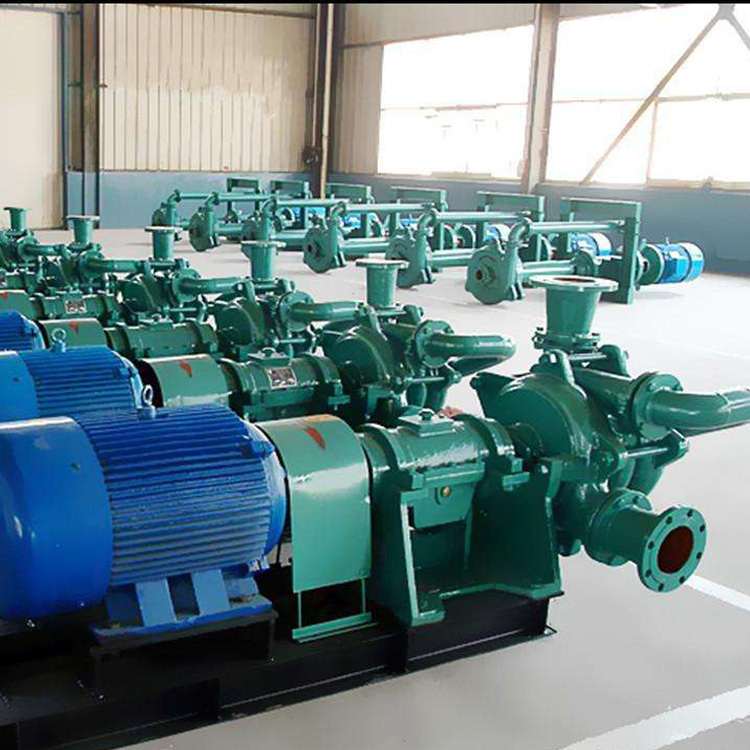
Sewer ejector pumps are critical components in wastewater management systems, specifically designed to transfer sewage from areas below the municipal sewer line to the main sewer system. Unlike standard sump pumps which handle stormwater, ejector pumps are engineered to handle solid-laden wastewater. Their technical position within the municipal infrastructure chain is as a lift station element, enabling basement facilities, low-lying properties, and remote locations to access centralized sewage treatment. Core performance characteristics center around pumping capacity (gallons per minute – GPM), head (vertical lift capability in feet), motor horsepower, and solids handling capability (diameter of solids that can be processed). A significant pain point in the industry stems from premature pump failure due to abrasive solids, corrosive environments, and inadequate pump sizing for peak flow demands. This guide provides an in-depth technical analysis of sewer ejector pumps, covering materials, manufacturing, performance, failure modes, and relevant industry standards.
Material Science & Manufacturing
The construction of a robust sewer ejector pump relies on careful material selection to resist corrosion and abrasion. Pump housings are commonly manufactured from cast iron (ASTM A48 Class 30 or higher for ductility and tensile strength), epoxy-coated cast iron (providing a barrier against corrosion from hydrogen sulfide and other corrosive elements), or stainless steel (304 or 316 grade for superior corrosion resistance, particularly in highly acidic or alkaline environments). Impellers are typically constructed from high-strength, abrasion-resistant materials like ductile iron, stainless steel, or engineered polymers such as Vortex polymeric material. Shafts are generally made from 4140 or 4340 alloy steel, heat-treated for high tensile strength and fatigue resistance. Seals are crucial; common materials include silicon carbide mechanical seals for their hardness and resistance to wear, particularly when handling abrasive materials. Manufacturing processes include sand casting for housings, investment casting for impellers, and CNC machining for precision components like shafts and wear plates. Key parameter control involves rigorous quality checks on casting porosity, dimensional accuracy, and material hardness. Epoxy coating application requires precise surface preparation and controlled curing times to ensure adequate adhesion and barrier properties. Welding processes, where applicable, must adhere to AWS D1.1 standards for structural welding.
Performance & Engineering
Performance analysis of sewer ejector pumps necessitates consideration of hydraulic design principles and motor characteristics. The pump's hydraulic power is determined by the flow rate and head. The pump curve, a graphical representation of flow rate versus head, is critical for selecting the appropriate pump for a specific application. Force analysis involves calculating the radial and axial loads on the impeller and shaft, ensuring adequate bearing capacity to prevent premature failure. Environmental resistance is paramount; pumps must withstand continuous submersion in wastewater, varying temperatures, and potential exposure to corrosive gases. Compliance requirements include adherence to National Electrical Manufacturers Association (NEMA) standards for motor performance and safety (NEMA MG 1), and potentially local plumbing codes dictating backflow prevention and discharge regulations. The engineering of the pump inlet and impeller vanes is optimized to minimize clogging and maximize hydraulic efficiency. Pump sizing calculations consider peak flow rates, anticipated solids loading, and the elevation difference between the pump location and the discharge point. The motor's starting torque must be sufficient to overcome the static friction of the impeller and the initial head pressure. Vibration analysis is conducted during testing to identify and mitigate potential resonance issues.
Technical Specifications
| Pump Type | Motor Horsepower (HP) | Maximum Head (ft) | Maximum Flow Rate (GPM) |
|---|---|---|---|
| Submersible, Centrifugal | 1/2 HP | 25 ft | 75 GPM |
| Submersible, Vortex Impeller | 3/4 HP | 40 ft | 120 GPM |
| Pedestal, Centrifugal | 1 HP | 30 ft | 90 GPM |
| Submersible, Grinder Pump | 1 HP | 50 ft | 60 GPM |
| Submersible, Non-Clog Impeller | 1.5 HP | 60 ft | 150 GPM |
| Pedestal, Vortex Impeller | 2 HP | 45 ft | 180 GPM |
Failure Mode & Maintenance
Common failure modes in sewer ejector pumps include impeller wear due to abrasive solids, seal failure leading to leakage, motor burnout caused by overheating or overload, and switch malfunction resulting in pump cycling issues. Fatigue cracking can occur in the pump housing or impeller due to repeated stress from solids impact. Delamination of epoxy coatings can expose the underlying cast iron to corrosion. Cavitation, caused by low NPSH (Net Positive Suction Head), can erode impeller vanes. Oxidation of electrical components can lead to intermittent operation or complete failure. Preventive maintenance is critical. This includes regular inspection of seals and bearings, lubrication of motor bearings, cleaning of pump inlets to remove debris, and verification of proper float switch operation. Scheduled pump removal and inspection for impeller wear and coating integrity is recommended. Periodic testing of motor insulation resistance can identify potential winding failures. In the event of a failure, root cause analysis should be performed to identify the underlying issue and prevent recurrence. Replacement of worn components with OEM-specified parts is essential to maintain performance and reliability.
Industry FAQ
Q: What is the primary difference between a sump pump and a sewer ejector pump?
A: While both pumps remove water, a sump pump handles clean water (stormwater, groundwater) and is designed for relatively low solids content. A sewer ejector pump is specifically designed to handle raw sewage, which contains solids and is often located below the gravity sewer line. Ejector pumps have different impeller designs and materials to cope with the abrasive and corrosive nature of sewage.
Q: How do I properly size an ejector pump for my application?
A: Proper sizing requires calculating the peak flow rate of sewage entering the pump basin, determining the total dynamic head (TDH) – which includes static lift, friction losses in piping, and discharge pressure – and selecting a pump with a flow rate and head curve that meets these requirements. Oversizing can lead to short cycling, while undersizing can result in inadequate sewage removal.
Q: What is the significance of the impeller type in an ejector pump?
A: The impeller type significantly affects the pump’s solids handling capability. Centrifugal impellers are efficient for handling relatively clean sewage, while vortex impellers are designed to pass larger solids with minimal clogging. Grinder pumps contain rotating blades that macerate solids before pumping.
Q: What are the common causes of ejector pump failure, and how can they be prevented?
A: Common causes include impeller wear, seal failure, motor burnout, and switch malfunctions. Prevention involves regular maintenance, proper pump sizing, ensuring adequate inlet screening to remove debris, and using corrosion-resistant materials.
Q: What safety precautions should be taken when working with sewer ejector pumps?
A: Always disconnect power before performing any maintenance. Wear appropriate personal protective equipment (PPE), including gloves, safety glasses, and a respirator if necessary. Be aware of the potential for hazardous gases in the pump basin. Follow all applicable electrical and plumbing codes.
Conclusion
Sewer ejector pumps represent a vital component of modern wastewater infrastructure, facilitating the efficient and reliable removal of sewage from challenging locations. The selection and maintenance of these pumps demand a thorough understanding of material science, hydraulic principles, and potential failure modes. Careful consideration of pump type, motor horsepower, head requirements, and solids handling capabilities is essential for optimal performance and longevity.
Continuous advancements in pump design, materials, and control systems are focused on enhancing efficiency, reducing energy consumption, and minimizing maintenance requirements. Implementing proactive maintenance programs, coupled with adherence to industry standards and best practices, will ensure the reliable operation of sewer ejector pumps and protect the integrity of wastewater management systems.
-
Comprehensive Guide to Waterproof ORings for Optimal Sealing Solutions
News2026-06-09
-
submergable pump Material Science
News2026-06-23
-
sewer injection pump Performance Engineering
News2026-06-23
-
Sewer Ejector Pump System Performance Analysis
News2026-06-23
-
septic tank pump for sale Performance Engineering
News2026-06-23
-
septic pump for sale Performance Engineering
News2026-06-23
-
septic ejector system Performance Analysis
News2026-06-22
-
replace septic pump Performance Analysis
News2026-06-22
-
pump system septic tank Performance Analysis
News2026-06-22
-
lift pump for sewer Performance and Engineering
News2026-06-22
-
industrial submersible water pump Material Science
News2026-06-22
-
industrial submersible pumps Material Science and Manufacturing
News2026-06-21
-
best sewer ejector pump Performance Analysis
News2026-06-21
-
best septic pump Performance Analysis
News2026-06-21
-
1 2 hp septic pump Performance Engineering
News2026-06-21




