English
- Afrikaans
- Albanian
- Amharic
- Arabic
- Armenian
- Azerbaijani
- Basque
- Belarusian
- Bengali
- Bosnian
- Bulgarian
- Catalan
- Cebuano
- Corsican
- Croatian
- Czech
- Danish
- Dutch
- English
- Esperanto
- Estonian
- Finnish
- French
- Frisian
- Galician
- Georgian
- German
- Greek
- Gujarati
- Haitian Creole
- hausa
- hawaiian
- Hebrew
- Hindi
- Miao
- Hungarian
- Icelandic
- igbo
- Indonesian
- irish
- Italian
- Japanese
- Javanese
- Kannada
- kazakh
- Khmer
- Rwandese
- Korean
- Kurdish
- Kyrgyz
- Lao
- Latin
- Latvian
- Lithuanian
- Luxembourgish
- Macedonian
- Malgashi
- Malay
- Malayalam
- Maltese
- Maori
- Marathi
- Mongolian
- Myanmar
- Nepali
- Norwegian
- Norwegian
- Occitan
- Pashto
- Persian
- Polish
- Portuguese
- Punjabi
- Romanian
- Russian
- Samoan
- Scottish Gaelic
- Serbian
- Sesotho
- Shona
- Sindhi
- Sinhala
- Slovak
- Slovenian
- Somali
- Spanish
- Sundanese
- Swahili
- Swedish
- Tagalog
- Tajik
- Tamil
- Tatar
- Telugu
- Thai
- Turkish
- Turkmen
- Ukrainian
- Urdu
- Uighur
- Uzbek
- Vietnamese
- Welsh
- Bantu
- Yiddish
- Yoruba
- Zulu

Telephone: +86 13120555503
Email: frank@cypump.com


Apr . 01, 2024 17:55 Back to list
best sewage pumps Performance Engineering
Introduction
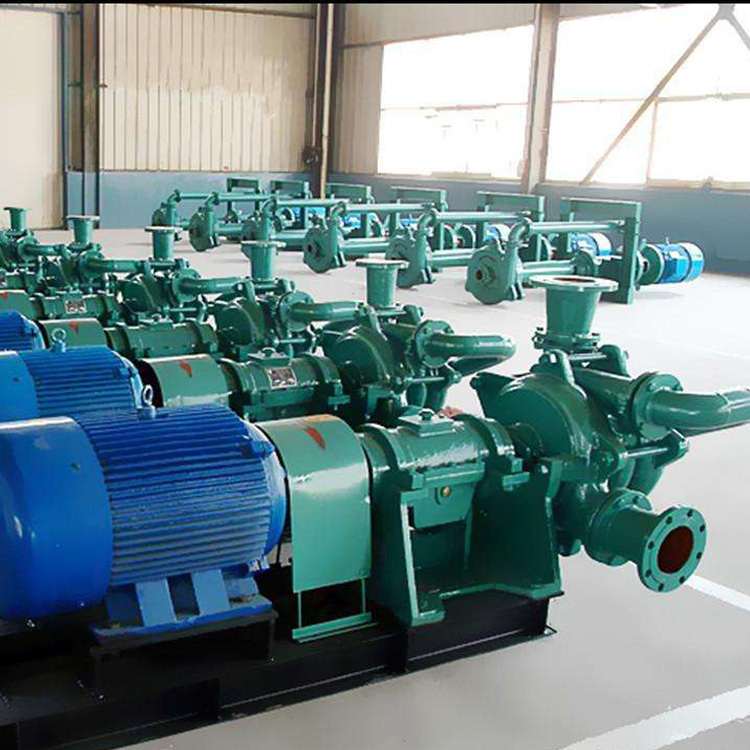
Submersible sewage pumps represent a critical component in wastewater management infrastructure, serving both municipal and industrial applications. These pumps are specifically engineered to handle liquids containing solids, unlike centrifugal pumps which are sensitive to abrasive materials and clogging. Their technical position within the wastewater treatment chain is pivotal, functioning as the primary lifting mechanism for raw sewage from collection points to treatment facilities. Core performance characteristics include hydraulic efficiency, solids handling capability, motor longevity in submerged conditions, and resistance to corrosive elements prevalent in sewage. The increasing urbanization and stricter environmental regulations drive continuous innovation in sewage pump technology, focusing on energy efficiency, reduced maintenance, and improved reliability. A key pain point within the industry centers around pump failure due to rag accumulation, sand abrasion, and corrosion, leading to costly downtime and environmental concerns. Selecting the optimal pump requires a nuanced understanding of the specific application’s flow rate, head requirements, solids content, and chemical composition of the wastewater.
Material Science & Manufacturing
Sewage pumps leverage a combination of materials selected for their corrosion resistance, abrasion resistance, and structural integrity. Impeller construction commonly utilizes high-chrome cast iron (typically 27-30% chromium) due to its exceptional hardness and resistance to wear from suspended solids. The pump housing and volute are frequently constructed from ductile iron (ASTM A536 Grade 65-45-12), offering a balance of strength, ductility, and corrosion resistance. For more aggressive environments, stainless steel (316 or duplex stainless steel) is employed, although at a significantly higher cost. Motor housings are typically constructed from cast iron or stainless steel, encapsulating a submersible induction motor. The motor’s winding insulation requires specialized polymers (e.g., epoxy resins) to withstand prolonged submersion and prevent electrical breakdown. Manufacturing processes involve several critical steps: sand casting for the impeller and housing, machining for precise tolerances, welding for assembly, and epoxy coating for enhanced corrosion protection. Parameter control during casting is vital to minimize porosity and ensure structural soundness. Welding procedures must adhere to AWS D1.1 standards to guarantee weld integrity. Finally, rigorous quality control checks, including hydrostatic testing and non-destructive testing (NDT) like ultrasonic testing, are essential to verify product reliability. The choice of elastomer materials for seals and O-rings (typically nitrile rubber or Viton) is determined by compatibility with the chemical composition of the sewage being pumped.
Performance & Engineering
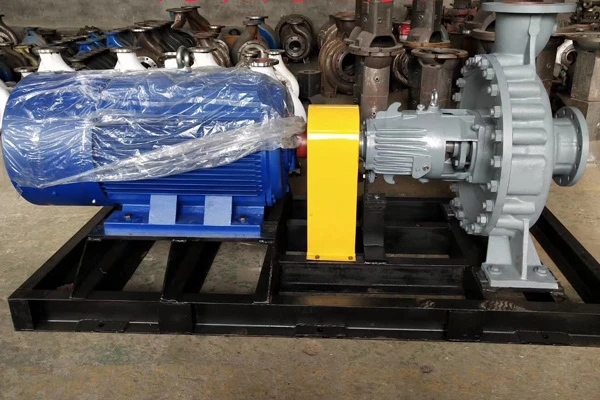
The performance of a sewage pump is fundamentally governed by its hydraulic design and motor characteristics. Key performance parameters include flow rate (typically measured in gallons per minute or cubic meters per hour), total dynamic head (TDH – the total height the pump can lift the fluid, accounting for friction losses), and pump efficiency. Force analysis is critical in designing the impeller and volute to withstand the centrifugal forces generated during operation. Environmental resistance is paramount; pumps must operate reliably in a wide range of temperatures, pH levels, and chemical environments. Compliance requirements are dictated by regional and national regulations, such as EPA standards in the United States and EU directives in Europe, concerning wastewater discharge limits and pump energy efficiency. Functional implementation requires careful consideration of the pump’s installation configuration (submerged or dry-pit), the impeller type (vortex, recessed, or solids-handling), and the pump’s control system (fixed speed, variable frequency drive – VFD). VFDs offer significant energy savings by adjusting the pump speed to match the flow rate demand, reducing wear and tear on the pump components. Cavitation, a common failure mode, must be prevented through proper impeller design and maintaining sufficient submergence depth. The pump’s mechanical seal system is crucial for preventing leakage and ingress of solids into the motor, typically utilizing a double mechanical seal arrangement with an oil barrier.
Technical Specifications
| Parameter | Unit | Typical Range (Residential/Small Commercial) | Typical Range (Municipal/Industrial) |
|---|---|---|---|
| Flow Rate | GPM (Gallons per Minute) | 20-100 | 100-1000+ |
| Total Dynamic Head (TDH) | ft (Feet) | 10-50 | 50-200+ |
| Motor Power | HP (Horsepower) | 1/2 - 5 | 5 - 100+ |
| Solids Handling Capability | in (Inches) | up to 2 | up to 4+ |
| Impeller Type | - | Vortex/Recessed | Solids-Handling/Vortex |
| Operating pH Range | - | 6.5 - 8.5 | 5.0 - 9.0 |
Failure Mode & Maintenance
Sewage pumps are susceptible to several failure modes, primarily related to the abrasive and corrosive nature of the wastewater they handle. Fatigue cracking in the impeller, particularly around the vanes, is common due to cyclical loading and stress concentrations. Delamination of the epoxy coating on the pump housing and impeller can lead to accelerated corrosion. Degradation of the elastomer seals and O-rings results in leakage and potential motor failure. Oxidation of metal components, especially in pumps handling sulfur-rich sewage, contributes to material loss and reduced structural integrity. Rag accumulation, often caused by non-biodegradable materials like wipes and plastics, can jam the impeller and overload the motor. Maintenance solutions involve regular inspection of the impeller for wear and damage, replacement of worn seals and bearings, and cleaning of the pump housing to remove accumulated solids. Implementing a preventative maintenance schedule, including vibration analysis and thermographic surveys, can identify potential problems before they lead to catastrophic failure. Proper lubrication of bearings is critical for extending their lifespan. For heavily abrasive applications, considering pumps with hardened impeller materials and advanced wear-resistant coatings is crucial. Periodically testing the motor winding insulation resistance helps detect insulation breakdown and prevent short circuits.
Industry FAQ
Q: What is the optimal impeller type for a wastewater treatment plant handling significant amounts of rags and debris?
A: For applications with high levels of rags and debris, a solids-handling impeller is the most appropriate choice. These impellers feature an open design with a large passage, allowing solids to pass through without causing clogging or jamming. Vortex impellers are also suitable as they create a swirling action that pushes solids away from the impeller.
Q: How does a variable frequency drive (VFD) improve the efficiency of a sewage pump system?
A: A VFD allows you to adjust the pump speed to match the actual flow rate demand. This eliminates the energy wasted when running a pump at full speed when lower flows are sufficient. Reduced speed also lowers wear and tear on pump components, extending their service life.
Q: What are the key considerations when selecting a material for the pump housing in a corrosive environment?
A: The chemical composition of the wastewater is the primary consideration. For mildly corrosive environments, ductile iron with an epoxy coating may suffice. However, for highly corrosive environments (e.g., high levels of hydrogen sulfide), stainless steel (316 or duplex stainless steel) is recommended.
Q: What are the common causes of premature motor failure in submersible sewage pumps?
A: Common causes include seal failure leading to water ingress, overheating due to overloading, and insulation breakdown due to prolonged submersion and exposure to corrosive chemicals. Regular monitoring of motor temperature and winding insulation resistance is crucial for preventative maintenance.
Q: What maintenance procedures are critical for extending the lifespan of a sewage pump’s mechanical seal?
A: Regular inspection for wear and leakage is essential. Ensure proper lubrication and cooling of the seal faces. Avoid running the pump dry, as this can quickly damage the seals. Promptly replace any damaged or worn seals with compatible materials.
Conclusion
The selection and maintenance of best sewage pumps are paramount to ensuring the reliable and efficient operation of wastewater management systems. Understanding the interplay between material science, manufacturing processes, hydraulic performance, and potential failure modes is crucial for informed decision-making. Investing in pumps constructed from corrosion-resistant materials, employing advanced impeller designs for solids handling, and implementing a robust preventative maintenance program will significantly reduce downtime and extend the overall lifespan of the equipment.
Future trends in sewage pump technology will likely focus on further enhancing energy efficiency through optimized hydraulic designs and intelligent control systems, incorporating predictive maintenance capabilities through sensor data analysis, and developing more sustainable and environmentally friendly pump materials. These advancements will be critical in addressing the growing challenges of wastewater management in an increasingly urbanized world.
-
Effluent vs Sump Pump Performance Analysis
News2026-05-22
-
effluent septic pump Performance Engineering
News2026-05-22
-
best sewer pumps Performance Engineering
News2026-05-22
-
best sewer pump Performance Analysis
News2026-05-22
-
best sewage pumps Performance Engineering
News2026-05-22
-
basement bathroom sewage pump Material Science Manufacturing
News2026-05-21
-
wastewater treatment plant pumps Material Science Manufacturing
News2026-05-21
-
waste water pump for basement Material Science Manufacturing
News2026-05-21
-
sump pump sewage Performance Analysis
News2026-05-21
-
sump pump for sewage Material Science and Manufacturing
News2026-05-21
-
sump pump for septic systems Material Science Manufacturing
News2026-05-20
-
sump pump and ejector pump Material Science Manufacturing
News2026-05-20
-
sewage treatment plant pumps Performance Analysis
News2026-05-20
-
sewage tank pump Material Science and Manufacturing
News2026-05-20
-
sewage pump for septic tank Performance Analysis
News2026-05-20




