English
- Afrikaans
- Albanian
- Amharic
- Arabic
- Armenian
- Azerbaijani
- Basque
- Belarusian
- Bengali
- Bosnian
- Bulgarian
- Catalan
- Cebuano
- Corsican
- Croatian
- Czech
- Danish
- Dutch
- English
- Esperanto
- Estonian
- Finnish
- French
- Frisian
- Galician
- Georgian
- German
- Greek
- Gujarati
- Haitian Creole
- hausa
- hawaiian
- Hebrew
- Hindi
- Miao
- Hungarian
- Icelandic
- igbo
- Indonesian
- irish
- Italian
- Japanese
- Javanese
- Kannada
- kazakh
- Khmer
- Rwandese
- Korean
- Kurdish
- Kyrgyz
- Lao
- Latin
- Latvian
- Lithuanian
- Luxembourgish
- Macedonian
- Malgashi
- Malay
- Malayalam
- Maltese
- Maori
- Marathi
- Mongolian
- Myanmar
- Nepali
- Norwegian
- Norwegian
- Occitan
- Pashto
- Persian
- Polish
- Portuguese
- Punjabi
- Romanian
- Russian
- Samoan
- Scottish Gaelic
- Serbian
- Sesotho
- Shona
- Sindhi
- Sinhala
- Slovak
- Slovenian
- Somali
- Spanish
- Sundanese
- Swahili
- Swedish
- Tagalog
- Tajik
- Tamil
- Tatar
- Telugu
- Thai
- Turkish
- Turkmen
- Ukrainian
- Urdu
- Uighur
- Uzbek
- Vietnamese
- Welsh
- Bantu
- Yiddish
- Yoruba
- Zulu

Telephone: +86 13120555503
Email: frank@cypump.com


Apr . 01, 2024 17:55 Back to list
best sewage pump Performance Analysis
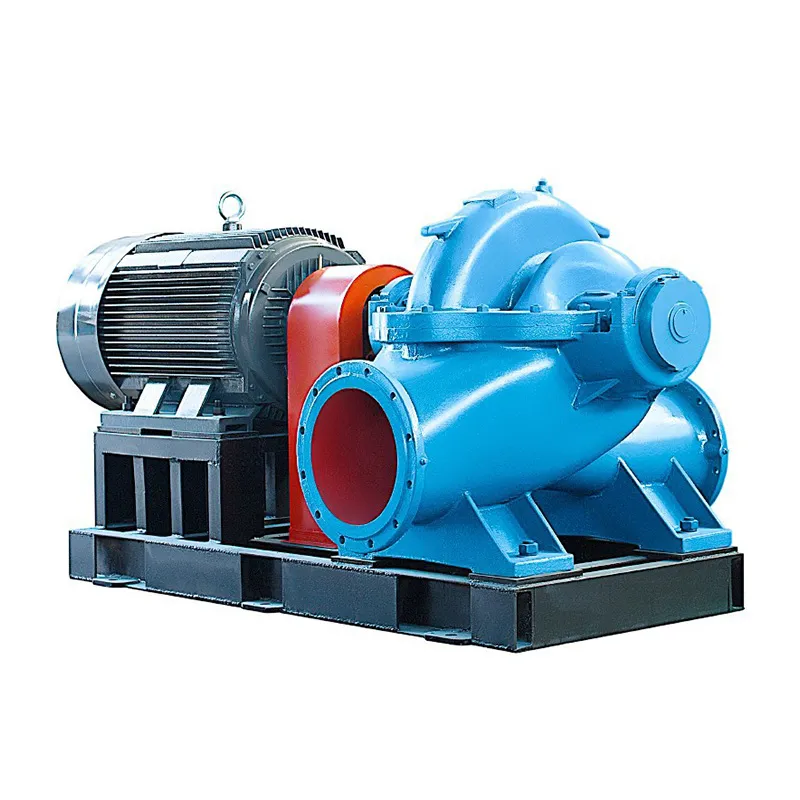
Introduction
Submersible sewage pumps are critical components in wastewater management systems, responsible for the efficient and reliable transfer of domestic, commercial, and industrial effluent. Positioned within the industry chain as a terminal fluid handling device, these pumps directly impact the performance of wastewater treatment plants, municipal sewage networks, and industrial processing facilities. Core performance characteristics center around solids handling capability, pumping efficiency, resistance to corrosive elements, and long-term operational reliability. The selection of an appropriate sewage pump requires a detailed understanding of the specific application, including flow rate requirements, total dynamic head, solids content, and the chemical composition of the wastewater. Failure to properly specify a pump can lead to frequent maintenance, reduced system efficiency, and potentially catastrophic system failure. This guide provides a comprehensive technical overview of sewage pump technology, covering material science, manufacturing processes, performance characteristics, failure modes, and relevant industry standards.
Material Science & Manufacturing
Sewage pumps are typically constructed from materials designed to withstand the abrasive and corrosive nature of wastewater. Cast iron (specifically, gray cast iron ASTM A48 Class 30) is a common material for pump housings due to its cost-effectiveness and good wear resistance. However, for more aggressive environments, stainless steel (specifically, 304 or 316 grades according to ASTM A240) is preferred, offering superior corrosion resistance, particularly against hydrogen sulfide and other sulfur compounds found in sewage. Impellers, the rotating components responsible for imparting energy to the fluid, are frequently manufactured from high-chrome cast iron or ductile iron (ASTM A536-83) for enhanced abrasion resistance. Shafts are typically made from 4140 or 4340 alloy steel (ASTM A29), heat-treated for high tensile strength and torsional rigidity. Seals are a critical component, commonly utilizing silicon carbide faces with Viton or EPDM elastomers (ASTM D2000) to prevent leakage and ensure reliable operation. The manufacturing process generally involves casting (for housings and impellers), machining (for precise dimensional accuracy), welding (for assembly of components), and a rigorous quality control process including hydrostatic testing (API 610) and non-destructive testing (NDT) such as radiographic inspection (ASTM E94) to detect internal flaws. Parameter control during casting is crucial, including maintaining appropriate sand-to-metal ratios, pouring temperatures, and cooling rates to minimize porosity and ensure structural integrity. The impeller’s hydraulic design, achieved through computational fluid dynamics (CFD) analysis, is optimized to maximize efficiency and solids handling capability.
Performance & Engineering
Sewage pump performance is defined by several key engineering parameters. Total Dynamic Head (TDH), measured in feet or meters, represents the total pressure the pump must overcome, including static lift, friction losses in the piping system, and pressure at the discharge point. Flow rate, measured in gallons per minute (GPM) or liters per second (L/s), determines the volume of fluid delivered per unit time. Pump efficiency, expressed as a percentage, quantifies the ratio of hydraulic power output to electrical power input. Solids handling capability, a critical factor for sewage pumps, is specified in terms of maximum sphere size (e.g., 2-inch sphere passing capability) and the pump's ability to handle fibrous materials. Force analysis is critical in the design of the impeller and shaft, ensuring they can withstand the stresses imposed by the fluid flow and rotational forces. Environmental resistance is paramount; pumps must operate reliably in potentially corrosive environments and withstand temperature fluctuations. Compliance with industry regulations, such as those outlined by the EPA (Environmental Protection Agency) regarding wastewater discharge standards, is essential. Pump selection must also consider the Net Positive Suction Head Required (NPSHr), which is the minimum pressure required at the pump inlet to prevent cavitation. Cavitation, the formation and collapse of vapor bubbles, can cause significant damage to the impeller and reduce pump performance. Proper system design must ensure that the Net Positive Suction Head Available (NPSHa) exceeds the NPSHr by a sufficient margin.
Technical Specifications
| Parameter | Unit | Typical Range | Industry Standard |
|---|---|---|---|
| Flow Rate | GPM (L/s) | 50 - 5000 (1.9 - 189) | HI 1.6 |
| Total Dynamic Head | ft (m) | 10 - 200 (3 - 61) | ANSI/ASME B73.1 |
| Motor Power | HP (kW) | 0.5 - 500 (0.37 - 373) | NEMA MG 1 |
| Solids Handling | inch (mm) | Up to 3 (76) | WEFTEC |
| Impeller Material | - | High-Chrome Cast Iron, Stainless Steel | ASTM A536-83, ASTM A240 |
| Housing Material | - | Cast Iron, Stainless Steel | ASTM A48 Class 30, ASTM A240 |
Failure Mode & Maintenance
Sewage pumps are susceptible to several failure modes. Fatigue cracking in the impeller, often initiated by stress concentrations near the impeller vanes, is a common issue. Delamination of protective coatings on the pump housing can expose the underlying metal to corrosion. Abrasion from solids in the wastewater leads to impeller wear and reduced pump efficiency. Seal failure results in leakage and potential motor damage. Oxidation and corrosion of metallic components, particularly in aggressive environments, degrade material integrity. Bearing failure, indicated by excessive noise and vibration, can lead to catastrophic pump failure. Regular maintenance is crucial for preventing these failures. This includes periodic inspection of the impeller for wear, replacement of seals at recommended intervals (typically 1-2 years), lubrication of bearings, and cleaning of the pump housing to remove accumulated solids. Vibration analysis (ISO 10816) can detect early signs of bearing wear or impeller imbalance. Motor winding insulation resistance testing (IEEE 43) should be performed regularly to assess the condition of the motor. Proper alignment of the pump and motor is essential to minimize stress on the bearings and seals. For pumps handling particularly abrasive fluids, sacrificial liners can be installed in the pump housing to protect the impeller and housing from wear.
Industry FAQ
Q: What is the primary difference between a submersible and a non-submersible sewage pump?
A: Submersible pumps are designed to operate fully submerged in the wastewater, offering advantages in terms of priming requirements (no priming needed) and reduced noise levels. Non-submersible pumps are installed above ground and require a suction lift, making them more susceptible to cavitation issues and generally louder in operation. Submersible pumps are overwhelmingly preferred for sewage applications.
Q: How does the impeller design impact the pump’s ability to handle solids?
A: The impeller design is critical. Vortex impellers are best suited for handling large solids and fibrous materials by creating a swirling motion that draws the solids into the pump without significant maceration. Chopper pumps utilize rotating cutters to break down solids before they enter the impeller, suitable for applications with stringy or bulky waste. Centrifugal impellers are generally less effective at handling large solids.
Q: What is the significance of the pump’s power curve?
A: The pump’s power curve graphically illustrates the relationship between flow rate, head, and efficiency. It allows engineers to select a pump that operates at its best efficiency point (BEP) for the specific application, maximizing energy savings and minimizing wear and tear. Operating significantly off the BEP can lead to reduced efficiency, increased vibration, and premature failure.
Q: What material is best suited for a sewage pump operating in a highly corrosive environment?
A: In highly corrosive environments, 316 stainless steel is generally the preferred material due to its superior resistance to chloride attack and pitting corrosion compared to 304 stainless steel or cast iron. Specialty alloys, such as duplex stainless steel, may be considered for extremely aggressive environments.
Q: What preventative measures can be taken to extend the lifespan of a sewage pump's seals?
A: Regular inspection for wear, ensuring proper lubrication, maintaining a clean fluid environment (minimizing abrasive particles), and avoiding dry running are all crucial preventative measures. Implementing a seal flush system, which introduces a clean fluid barrier between the seal faces, can significantly extend seal life.
Conclusion
Selecting and maintaining a sewage pump requires a holistic understanding of fluid dynamics, material science, and operational demands. The inherent variability of wastewater composition, coupled with the critical need for continuous, reliable operation, necessitates careful consideration of all performance parameters and potential failure modes. Proper pump selection, based on accurate assessment of flow rate, head, solids content, and environmental conditions, is paramount to achieving long-term efficiency and minimizing lifecycle costs.
Ongoing preventative maintenance, incorporating regular inspection, lubrication, and performance monitoring, is equally vital. Utilizing advanced diagnostic techniques like vibration analysis and motor winding insulation testing allows for the early detection of potential issues, preventing catastrophic failures and maximizing uptime. Adherence to established industry standards, such as those defined by API, ANSI, and ASTM, ensures that pumps are designed, manufactured, and operated to the highest levels of safety and reliability.
-
Sewer Line Pump Material Science and Manufacturing
News2026-05-15
-
best sewage pump Performance Analysis
News2026-05-15
-
sewage pump for basement bathroom Performance and Engineering
News2026-05-15
-
submersible sewer pump Material Science and Manufacturing
News2026-05-15
-
septic tank sump pump Performance Analysis
News2026-05-15
-
effluent pump Performance and Engineering
News2026-05-14
-
basement waste pump Performance Analysis
News2026-05-14
-
sewage water pump Material Science and Manufacturing
News2026-05-14
-
Sewage Transfer Pump Performance Analysis
News2026-05-14
-
sewage submersible pump Performance Analysis
News2026-05-14
-
sewage pumps for basements Material Science Manufacturing
News2026-05-13
-
sewage pump systems Performance and Engineering
News2026-05-13
-
sewage grinding pump Material Science and Manufacturing
News2026-05-13
-
ejector pumps for sewage Performance Analysis
News2026-05-13
-
effluent pump vs sump pump Performance Analysis
News2026-05-13




