English
- Afrikaans
- Albanian
- Amharic
- Arabic
- Armenian
- Azerbaijani
- Basque
- Belarusian
- Bengali
- Bosnian
- Bulgarian
- Catalan
- Cebuano
- Corsican
- Croatian
- Czech
- Danish
- Dutch
- English
- Esperanto
- Estonian
- Finnish
- French
- Frisian
- Galician
- Georgian
- German
- Greek
- Gujarati
- Haitian Creole
- hausa
- hawaiian
- Hebrew
- Hindi
- Miao
- Hungarian
- Icelandic
- igbo
- Indonesian
- irish
- Italian
- Japanese
- Javanese
- Kannada
- kazakh
- Khmer
- Rwandese
- Korean
- Kurdish
- Kyrgyz
- Lao
- Latin
- Latvian
- Lithuanian
- Luxembourgish
- Macedonian
- Malgashi
- Malay
- Malayalam
- Maltese
- Maori
- Marathi
- Mongolian
- Myanmar
- Nepali
- Norwegian
- Norwegian
- Occitan
- Pashto
- Persian
- Polish
- Portuguese
- Punjabi
- Romanian
- Russian
- Samoan
- Scottish Gaelic
- Serbian
- Sesotho
- Shona
- Sindhi
- Sinhala
- Slovak
- Slovenian
- Somali
- Spanish
- Sundanese
- Swahili
- Swedish
- Tagalog
- Tajik
- Tamil
- Tatar
- Telugu
- Thai
- Turkish
- Turkmen
- Ukrainian
- Urdu
- Uighur
- Uzbek
- Vietnamese
- Welsh
- Bantu
- Yiddish
- Yoruba
- Zulu

Telephone: +86 13120555503
Email: frank@cypump.com


Apr . 01, 2024 17:55 Back to list
best sewage ejector pump Performance Engineering
Introduction
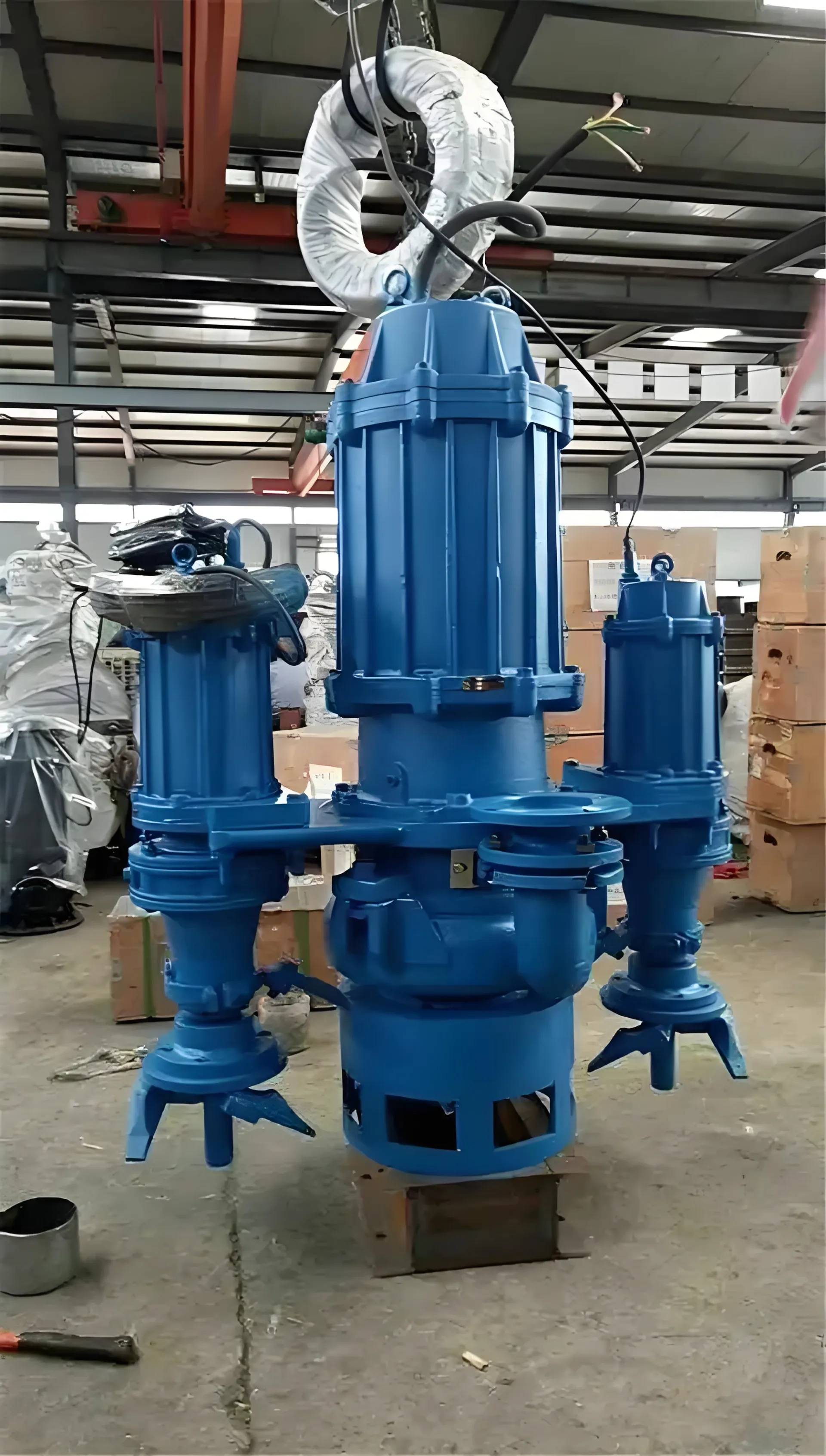
Sewage ejector pumps are critical components in wastewater management systems, specifically designed to transfer wastewater from below grade (basements, low-lying areas) to the municipal sewer system or septic tank. Unlike standard centrifugal pumps, ejector pumps utilize a sealed impeller design and often incorporate a float switch to automatically activate and deactivate based on liquid level. Their technical position within the wastewater infrastructure lies between the source of effluent and the main conveyance system. Core performance characteristics revolve around efficient solids handling capability, reliable operation in abrasive environments, and consistent discharge pressure to overcome gravitational head. A key industry pain point is premature pump failure due to solids buildup, corrosion from hydrogen sulfide (H₂S) gas, and inadequate motor protection. Effective ejector pump selection addresses these challenges through robust construction, appropriate materials of construction, and intelligent control systems.
Material Science & Manufacturing
The construction of a sewage ejector pump heavily relies on materials capable of withstanding corrosive liquids and abrasive solids. Pump housings are frequently manufactured from cast iron (ASTM A48 Class 30) due to its cost-effectiveness and inherent strength, often coated with epoxy or other polymer linings to enhance chemical resistance. Impellers are commonly crafted from high-chrome cast iron or stainless steel (304 or 316 grade) to resist abrasion from sand, grit, and other particulate matter. Shaft materials are typically 4140 alloy steel, heat-treated for strength and durability. Seals are a critical element, often employing silicon carbide mechanical seals for superior wear resistance and chemical compatibility. The manufacturing process involves precision casting of the housing, machining of internal components, and assembly with stringent quality control. Welding processes, where applicable, must adhere to AWS D1.1 standards. Critical parameter control during manufacturing includes impeller balancing (to minimize vibration), seal alignment (to prevent leakage), and motor winding insulation testing (to ensure electrical safety and prevent short circuits). The polymer coatings are applied via electrostatic powder coating, ensuring uniform coverage and adhesion.
Performance & Engineering
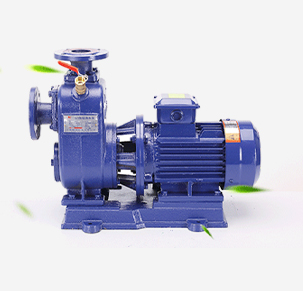
Sewage ejector pump performance is determined by hydraulic design and motor power. Force analysis centers around the impeller’s ability to generate sufficient head (discharge pressure) to overcome static lift and friction losses within the discharge piping. The pump curve, a graphical representation of head vs. flow rate, is a fundamental performance metric. Environmental resistance is crucial; the pump must operate reliably in potentially flooded basements with varying temperatures and humidity levels. NEMA MG 1 standards govern motor performance and efficiency. Compliance requirements include UL 508A (industrial control panels) and potentially NSF/ANSI 61 (for components in contact with potable water, if applicable). Functional implementation necessitates careful consideration of the pump’s lift capacity, the volume of wastewater requiring evacuation, and the characteristics of the wastewater itself (solids content, pH, temperature). Pump sizing calculations must account for peak flow rates and future expansion requirements. Vibration analysis is performed during testing to ensure structural integrity and prevent premature bearing failure. Proper venting of the pump chamber is essential to prevent air locking and maintain efficient operation.
Technical Specifications
| Model Number | Maximum Head (ft) | Maximum Flow Rate (GPM) | Motor Horsepower (HP) |
|---|---|---|---|
| SEP-100 | 30 | 100 | 1 |
| SEP-200 | 50 | 150 | 2 |
| SEP-300 | 75 | 200 | 3 |
| SEP-400 | 100 | 250 | 5 |
| SEP-500 | 120 | 300 | 7.5 |
| SEP-600 | 150 | 350 | 10 |
Failure Mode & Maintenance
Common failure modes in sewage ejector pumps include impeller clogging (due to rags, debris, and solids buildup), mechanical seal failure (resulting in leakage and motor damage), motor winding failure (caused by overheating or moisture ingress), and float switch malfunction (leading to pump over-cycling or failure to activate). Failure analysis often reveals that impeller clogging is the most prevalent issue. Fatigue cracking can occur in the pump housing or impeller due to cyclic loading. Delamination of epoxy coatings exposes the cast iron to corrosion. Hydrogen sulfide (H₂S) corrosion can lead to pitting and weakening of metallic components. Regular maintenance is critical for extending pump life. This includes periodic inspection and cleaning of the impeller and pump chamber, replacement of worn mechanical seals, lubrication of motor bearings, and testing of the float switch. Preventative maintenance schedules should be established based on pump usage and wastewater characteristics. A thorough inspection for signs of corrosion is vital. Periodic voltage and amperage readings should be taken to monitor motor performance and identify potential electrical issues. Backflushing the pump can help remove accumulated solids.
Industry FAQ
Q: What is the optimal material for a sewage ejector pump impeller when handling highly abrasive wastewater containing sand and grit?
A: For highly abrasive applications, a high-chrome cast iron impeller (typically 18-20% chrome content) is the most cost-effective and durable option. Stainless steel (316 grade) offers superior corrosion resistance but is generally more expensive and can be susceptible to erosion in extremely abrasive environments. Hardfacing techniques can also be employed to extend the life of cast iron impellers.
Q: How does the pump curve influence the selection of a sewage ejector pump for a specific application?
A: The pump curve dictates the relationship between head (discharge pressure) and flow rate. You must select a pump whose curve aligns with the system’s requirements. Specifically, the pump must be able to deliver the required flow rate at the necessary head to overcome static lift, friction losses, and any backpressure. Operating a pump outside its optimal range can lead to reduced efficiency, increased wear, and premature failure.
Q: What are the key considerations for protecting the pump motor from overheating in a continuously running application?
A: Proper motor sizing is the first line of defense. Ensure the motor is rated for continuous duty and has adequate cooling. Consider using a motor with thermal overload protection. Good ventilation around the motor is crucial. Regular monitoring of motor temperature and amperage can help detect potential overheating issues. Ensuring the pump is not operating against excessive head (due to clogging or restrictions in the discharge piping) will reduce motor load.
Q: What is the significance of the mechanical seal design in a sewage ejector pump, and what types are most commonly used?
A: The mechanical seal prevents wastewater from entering the motor housing and damaging the windings. A robust seal design is essential for long-term reliability. Silicon carbide-versus-silicon carbide mechanical seals are the most common and provide excellent wear resistance and chemical compatibility. Other materials like ceramic-versus-carbon are also used, but generally offer lower performance. Proper seal lubrication and installation are critical.
Q: How often should the float switch be inspected and tested to ensure proper operation?
A: The float switch should be inspected at least quarterly, and ideally monthly, for signs of damage or debris buildup. It should be tested regularly to verify that it accurately activates and deactivates the pump at the correct liquid levels. A simple test involves manually lifting and lowering the float to observe pump operation. Ensure the float's range of motion is unrestricted.
Conclusion
Sewage ejector pumps represent a vital component in decentralized wastewater systems. Their reliable operation is predicated on a holistic understanding of material science, hydraulic principles, and potential failure modes. Selecting the appropriate pump involves careful consideration of application-specific requirements, including lift height, flow rate, solids content, and chemical composition of the wastewater.
Proactive maintenance practices, encompassing regular inspection, cleaning, and component replacement, are paramount to maximizing pump longevity and minimizing downtime. Adherence to relevant industry standards (NEMA, UL, ASTM) and proper installation techniques further contribute to system performance and ensure operational safety. Continued advancements in pump design and materials science are focused on improving energy efficiency, reducing maintenance requirements, and enhancing resistance to corrosive environments.
-
Comprehensive Guide to Waterproof ORings for Optimal Sealing Solutions
News2026-06-09
-
best sewage ejector pump Performance Engineering
News2026-06-11
-
aerobic septic system pump Performance Analysis
News2026-06-11
-
Sumergible Pump Performance Analysis
News2026-06-11
-
ejector pump for basement Performance Engineering
News2026-06-11
-
sewer lift pump Performance Engineering
News2026-06-11
-
Septic Pump Replacement Performance Analysis
News2026-06-10
-
Septic Pump Price Performance Analysis
News2026-06-10
-
pumps for septic systems Material Science Manufacturing
News2026-06-10
-
ejector pumps for basement bathrooms Performance Analysis
News2026-06-10
-
Ejector Pump Cost Analysis
News2026-06-10
-
drainage pumps Performance and Engineering
News2026-06-09
-
basement bathroom ejector pump Material Science
News2026-06-09
-
Sewer Ejector Pump Cost Performance Analysis
News2026-06-09
-
Septic Tank Pump Replacement Performance Analysis
News2026-06-09




