English
- Afrikaans
- Albanian
- Amharic
- Arabic
- Armenian
- Azerbaijani
- Basque
- Belarusian
- Bengali
- Bosnian
- Bulgarian
- Catalan
- Cebuano
- Corsican
- Croatian
- Czech
- Danish
- Dutch
- English
- Esperanto
- Estonian
- Finnish
- French
- Frisian
- Galician
- Georgian
- German
- Greek
- Gujarati
- Haitian Creole
- hausa
- hawaiian
- Hebrew
- Hindi
- Miao
- Hungarian
- Icelandic
- igbo
- Indonesian
- irish
- Italian
- Japanese
- Javanese
- Kannada
- kazakh
- Khmer
- Rwandese
- Korean
- Kurdish
- Kyrgyz
- Lao
- Latin
- Latvian
- Lithuanian
- Luxembourgish
- Macedonian
- Malgashi
- Malay
- Malayalam
- Maltese
- Maori
- Marathi
- Mongolian
- Myanmar
- Nepali
- Norwegian
- Norwegian
- Occitan
- Pashto
- Persian
- Polish
- Portuguese
- Punjabi
- Romanian
- Russian
- Samoan
- Scottish Gaelic
- Serbian
- Sesotho
- Shona
- Sindhi
- Sinhala
- Slovak
- Slovenian
- Somali
- Spanish
- Sundanese
- Swahili
- Swedish
- Tagalog
- Tajik
- Tamil
- Tatar
- Telugu
- Thai
- Turkish
- Turkmen
- Ukrainian
- Urdu
- Uighur
- Uzbek
- Vietnamese
- Welsh
- Bantu
- Yiddish
- Yoruba
- Zulu

Telephone: +86 13120555503
Email: frank@cypump.com


Apr . 01, 2024 17:55 Back to list
best septic pump Performance Analysis
Introduction
Septic pumps are critical components within wastewater treatment systems, specifically designed for the conveyance of effluent from septic tanks to drain fields. They represent a crucial link in onsite sewage treatment, managing the flow of partially treated wastewater when gravity alone is insufficient. This guide provides a detailed technical overview of septic pumps, encompassing material science, manufacturing processes, performance characteristics, failure modes, maintenance protocols, and relevant industry standards. The core function of a septic pump is to overcome elevation differences and distances between the septic tank and the drain field, ensuring consistent and reliable effluent distribution. Their selection and proper maintenance are paramount to preventing system failures, environmental contamination, and costly repairs. Industry pain points center around pump longevity in corrosive environments, energy efficiency, and the ability to handle solids-laden wastewater without clogging. This document aims to address these concerns with a technically rigorous examination of septic pump technology.
Material Science & Manufacturing
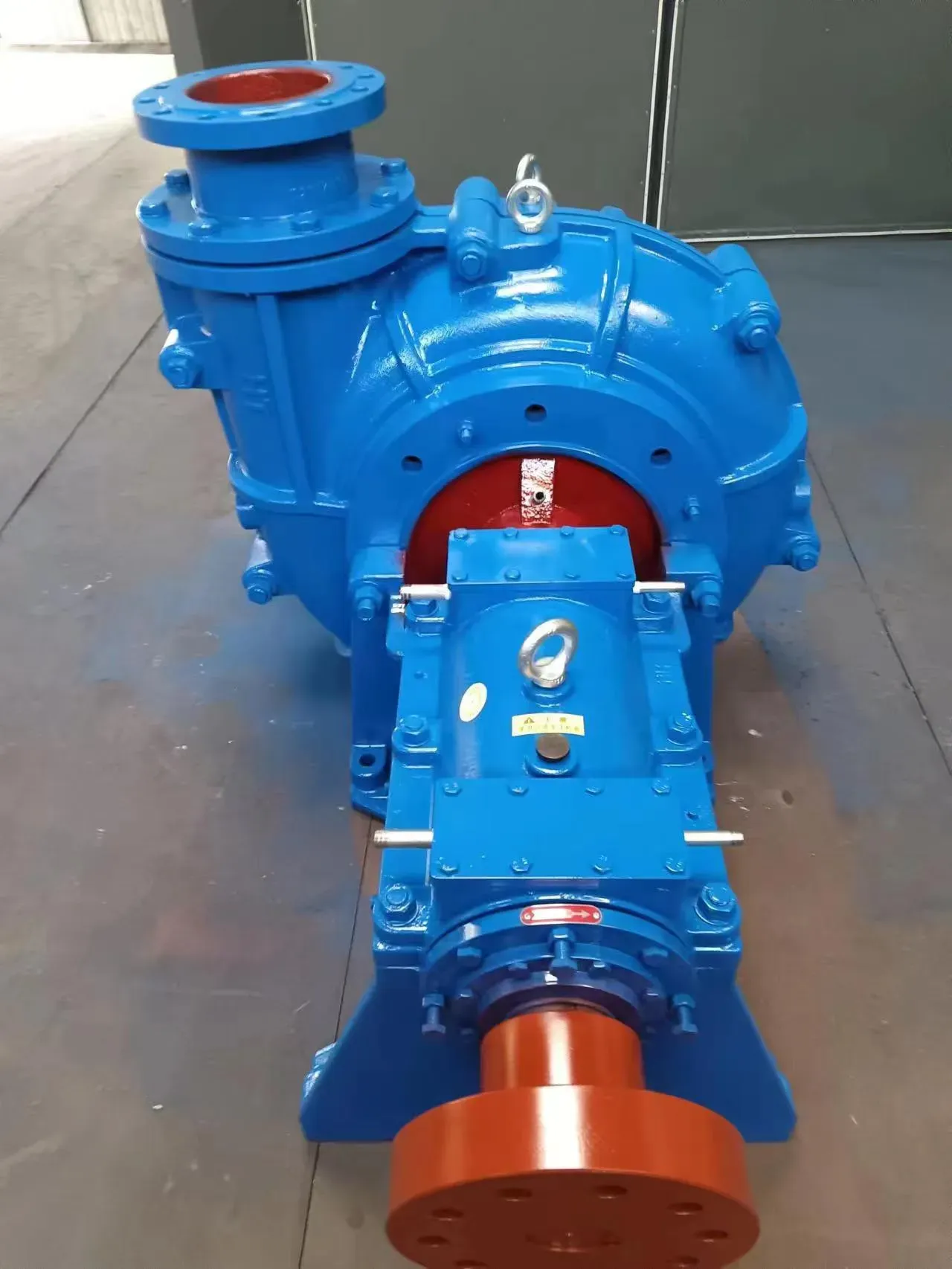
Septic pumps commonly employ materials selected for their resistance to corrosion and abrasion due to the aggressive nature of wastewater. Impeller and volute housings are frequently constructed from engineered thermoplastics, such as polypropylene (PP) or glass-filled nylon (PA66), offering chemical inertness and impact resistance. These polymers exhibit good resistance to hydrogen sulfide (H2S), a common byproduct of anaerobic digestion within septic tanks, which can cause significant corrosion in metallic components. Shaft materials typically consist of stainless steel (304 or 316 grade) to provide mechanical strength and corrosion resistance, even under continuous submersion. Seals are crucial for preventing leakage and are commonly manufactured from nitrile rubber (NBR) or Viton (fluoroelastomer) based on the specific wastewater composition and temperature.
Manufacturing processes vary depending on the pump component. Thermoplastic components are typically produced via injection molding, allowing for complex geometries and tight tolerances. Key parameters in injection molding include melt temperature, mold temperature, and injection pressure, which directly influence the mechanical properties and dimensional accuracy of the final part. Stainless steel shafts are manufactured via machining from bar stock, followed by heat treatment to achieve desired hardness and strength. Volute housings may also be constructed from cast iron with epoxy coating for increased durability and corrosion protection. Pump assembly involves precision fitting of the impeller, shaft, seals, and motor components, followed by rigorous testing to ensure proper operation and leak-free performance. Quality control checks often include hydrostatic pressure testing, impeller balancing, and electrical safety assessments.
Performance & Engineering
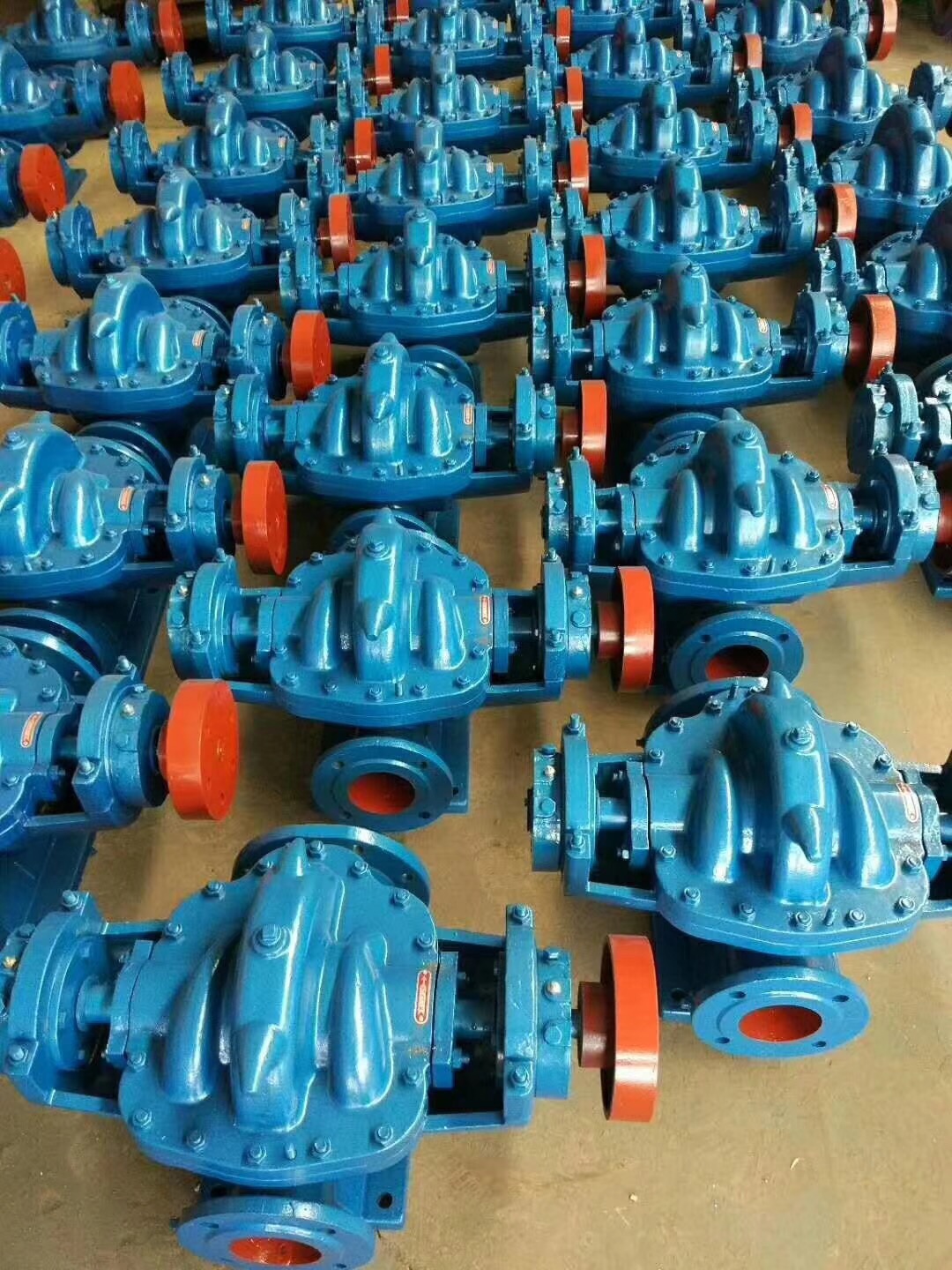
The performance of a septic pump is characterized by its flow rate (gallons per minute - GPM) and total dynamic head (TDH), measured in feet. TDH represents the total resistance the pump must overcome, including static lift (vertical distance from the pump to the drain field), friction losses in piping, and pressure required at the drain field. Pump curves, generated through laboratory testing, illustrate the relationship between flow rate and TDH, allowing for proper pump selection based on specific application requirements.
Engineering considerations include motor sizing, impeller design, and pump control systems. Motor horsepower (HP) must be sufficient to deliver the required flow rate and TDH. Impeller design influences pump efficiency and solids handling capability. Radial impellers are suitable for high-head, low-flow applications, while vortex impellers are better suited for handling solids without clogging. Pump control systems typically incorporate float switches or pressure sensors to automatically activate and deactivate the pump based on liquid level in the septic tank. These control systems prevent pump run-dry conditions, which can lead to motor overheating and premature failure. Force analysis considers the radial and axial loads on the impeller shaft and bearings, ensuring adequate structural integrity. Environmental resistance includes consideration of temperature extremes, UV exposure, and potential for freezing. Compliance requirements are dictated by local and national regulations regarding wastewater discharge and environmental protection.
Technical Specifications
| Parameter | Typical Range | Units | Testing Standard |
|---|---|---|---|
| Flow Rate | 40-120 | GPM | ANSI/ASME B73.1 |
| Total Dynamic Head | 10-50 | Feet | ANSI/ASME B73.1 |
| Motor Horsepower | 1/2 - 1 | HP | NEMA MG 1 |
| Solids Handling Capability | Up to 2 inches | Diameter | ASTM D6598 |
| Operating Temperature | 33-104 | °F | ASTM E831 |
| Voltage | 115/230 | Volts | UL 508A |
Failure Mode & Maintenance
Common failure modes in septic pumps include impeller wear, seal failure, motor burnout, and clogging. Impeller wear occurs due to abrasive particles in the wastewater, leading to reduced pump efficiency and flow rate. Seal failure results in leakage and potential motor damage. Motor burnout is often caused by overheating due to dry running or excessive load. Clogging is a frequent issue, particularly with pumps not designed for solids handling. Fatigue cracking of the impeller material can occur due to cyclical loading. Delamination of thermoplastic components can result from exposure to aggressive chemicals or temperature fluctuations. Degradation of rubber seals can occur from prolonged exposure to chemicals or UV radiation. Oxidation of metal components occurs with long-term exposure to wastewater.
Preventive maintenance is crucial for extending pump lifespan. Regular inspection of the impeller for wear and damage is recommended. Seal replacement should be performed on a scheduled basis, typically every 1-2 years. Electrical connections should be checked for corrosion and tightness. The pump intake should be screened to prevent large debris from entering the pump. The septic tank should be periodically pumped to remove accumulated solids, reducing the load on the pump. If clogging occurs, the pump should be disconnected and the obstruction removed. Motor overheating should be addressed by checking the pump’s load and ensuring proper ventilation. For repairs, always consult qualified technicians and use manufacturer-approved replacement parts. Regular monitoring of pump performance metrics (flow rate, pressure) can detect early signs of degradation, enabling proactive maintenance.
Industry FAQ
Q: What is the primary cause of septic pump failure in highly corrosive environments?
A: The primary cause of failure in corrosive environments is material degradation. Hydrogen sulfide (H2S) present in septic tanks attacks metallic components, leading to corrosion. Improper material selection (e.g., using carbon steel instead of stainless steel or engineered thermoplastics) significantly accelerates this process. Regular inspection and replacement of vulnerable components, coupled with using corrosion-resistant materials, is essential.
Q: How do I determine the correct pump size for my application?
A: Determining the correct pump size requires calculating the Total Dynamic Head (TDH) and desired flow rate. TDH considers static lift, friction losses in piping, and discharge pressure. Flow rate is dictated by the size of the drain field and the volume of wastewater generated. Consult pump curves provided by manufacturers to select a pump that delivers the required flow at the calculated TDH.
Q: What are the advantages of a vortex impeller compared to a radial impeller in a septic pump?
A: Vortex impellers excel at handling solids-laden wastewater without clogging. They create a swirling motion that allows solids to pass through the pump housing without contacting the impeller blades. Radial impellers are more efficient for clean liquids but are prone to clogging when handling solids. The choice depends on the characteristics of the wastewater.
Q: How often should the pump be inspected for wear and tear?
A: A comprehensive inspection should be performed at least annually, and more frequently in heavily used systems. This includes checking the impeller for wear, seals for leakage, electrical connections for corrosion, and the pump intake for obstructions. Proactive inspections can identify potential problems before they lead to catastrophic failure.
Q: What is the role of a float switch in a septic pump system?
A: A float switch automatically controls the pump’s operation based on the liquid level in the septic tank. It prevents the pump from running dry, which can damage the motor, and ensures that the pump cycles on and off as needed to maintain proper effluent levels. Properly functioning float switches are critical for reliable system operation.
Conclusion
The selection and maintenance of a septic pump are paramount to the long-term functionality and environmental safety of onsite wastewater treatment systems. Understanding the material science behind pump construction, the engineering principles governing performance, and the potential failure modes is essential for informed decision-making. By prioritizing corrosion resistance, proper sizing, regular maintenance, and adherence to industry standards, operators can significantly extend pump lifespan, minimize downtime, and ensure effective wastewater management.
Future advancements in septic pump technology are likely to focus on improved energy efficiency, enhanced solids handling capabilities, and the integration of smart sensors for remote monitoring and diagnostics. These innovations will contribute to more sustainable and cost-effective wastewater treatment solutions. The adoption of advanced materials and predictive maintenance strategies will also play a crucial role in mitigating failures and optimizing system performance.
-
Comprehensive Guide to Waterproof ORings for Optimal Sealing Solutions
News2026-06-09
-
submergable pump Material Science
News2026-06-23
-
sewer injection pump Performance Engineering
News2026-06-23
-
Sewer Ejector Pump System Performance Analysis
News2026-06-23
-
septic tank pump for sale Performance Engineering
News2026-06-23
-
septic pump for sale Performance Engineering
News2026-06-23
-
septic ejector system Performance Analysis
News2026-06-22
-
replace septic pump Performance Analysis
News2026-06-22
-
pump system septic tank Performance Analysis
News2026-06-22
-
lift pump for sewer Performance and Engineering
News2026-06-22
-
industrial submersible water pump Material Science
News2026-06-22
-
industrial submersible pumps Material Science and Manufacturing
News2026-06-21
-
best sewer ejector pump Performance Analysis
News2026-06-21
-
best septic pump Performance Analysis
News2026-06-21
-
1 2 hp septic pump Performance Engineering
News2026-06-21




