English
- Afrikaans
- Albanian
- Amharic
- Arabic
- Armenian
- Azerbaijani
- Basque
- Belarusian
- Bengali
- Bosnian
- Bulgarian
- Catalan
- Cebuano
- Corsican
- Croatian
- Czech
- Danish
- Dutch
- English
- Esperanto
- Estonian
- Finnish
- French
- Frisian
- Galician
- Georgian
- German
- Greek
- Gujarati
- Haitian Creole
- hausa
- hawaiian
- Hebrew
- Hindi
- Miao
- Hungarian
- Icelandic
- igbo
- Indonesian
- irish
- Italian
- Japanese
- Javanese
- Kannada
- kazakh
- Khmer
- Rwandese
- Korean
- Kurdish
- Kyrgyz
- Lao
- Latin
- Latvian
- Lithuanian
- Luxembourgish
- Macedonian
- Malgashi
- Malay
- Malayalam
- Maltese
- Maori
- Marathi
- Mongolian
- Myanmar
- Nepali
- Norwegian
- Norwegian
- Occitan
- Pashto
- Persian
- Polish
- Portuguese
- Punjabi
- Romanian
- Russian
- Samoan
- Scottish Gaelic
- Serbian
- Sesotho
- Shona
- Sindhi
- Sinhala
- Slovak
- Slovenian
- Somali
- Spanish
- Sundanese
- Swahili
- Swedish
- Tagalog
- Tajik
- Tamil
- Tatar
- Telugu
- Thai
- Turkish
- Turkmen
- Ukrainian
- Urdu
- Uighur
- Uzbek
- Vietnamese
- Welsh
- Bantu
- Yiddish
- Yoruba
- Zulu

Telephone: +86 13120555503
Email: frank@cypump.com


Apr . 01, 2024 17:55 Back to list
best pipeline/horizontal centrifugal pump Performance Engineering
Introduction
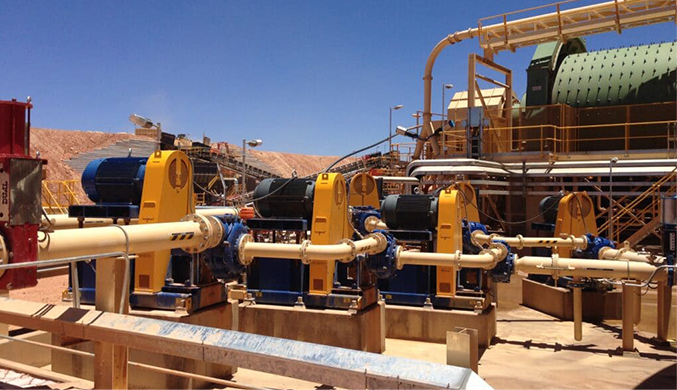
Horizontal centrifugal pumps, specifically those designed for pipeline applications, represent a critical component in numerous industrial processes. These pumps are widely employed for the transfer of fluids across diverse sectors, including oil & gas, water treatment, chemical processing, and power generation. Their primary function is to increase the pressure and flow rate of a fluid, enabling its efficient conveyance through pipelines. The selection of a pipeline centrifugal pump is predicated upon several key performance characteristics including flow rate, head (pressure increase), fluid viscosity, temperature, and the presence of abrasive or corrosive elements. A robust pump design minimizes energy consumption, reduces maintenance requirements, and ensures long-term operational reliability. Modern pipeline pumps increasingly incorporate advanced materials and hydraulic designs to optimize performance and reduce lifecycle costs, addressing growing industry demands for efficiency and environmental responsibility. The core pain point within the industry lies in balancing initial cost with long-term reliability and efficiency, especially when dealing with harsh or sensitive fluid applications.
Material Science & Manufacturing
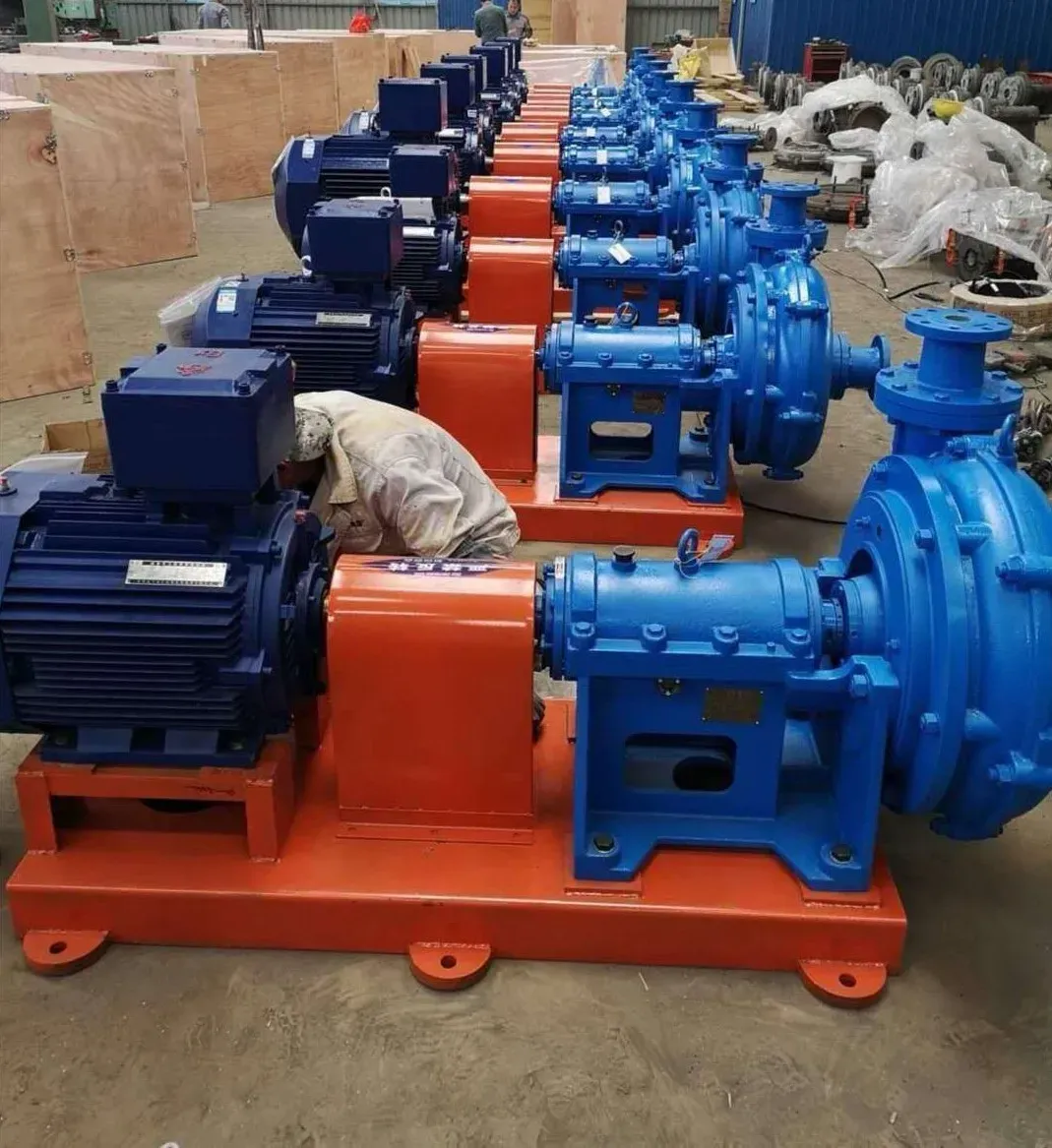
The core materials used in pipeline/horizontal centrifugal pump construction significantly influence performance and longevity. Pump casings are commonly manufactured from cast iron (ASTM A48 Class 30), ductile iron (ASTM A536 65-45-12), or stainless steel (304, 316, or duplex stainless steels – ASTM A240). Cast iron provides cost-effectiveness and good machinability but lacks corrosion resistance. Ductile iron offers enhanced tensile strength and impact resistance compared to cast iron. Stainless steels are employed for corrosive fluids, offering excellent chemical resistance but at a higher cost. Impellers are typically manufactured from bronze (ASTM B584), stainless steel (as above), or engineered polymers for specialized applications. Shafts are usually made from high-strength alloy steel (AISI 4140) and undergo heat treatment to achieve optimal hardness and tensile strength. Seals are critical, often utilizing materials like silicon carbide (SiC) or tungsten carbide (WC) against various elastomers (Viton, EPDM) for compatibility with the pumped fluid. Manufacturing processes involve casting for casings and impellers, forging for shafts, and precision machining for all components. Welding (AWS D1.1) is used for joining components, requiring strict adherence to quality control procedures, including non-destructive testing (NDT) such as radiography and ultrasonic testing, to ensure weld integrity. The hydrodynamic design of the impeller, achieved through computational fluid dynamics (CFD) modeling, optimizes fluid flow and minimizes energy losses. Key parameter control includes maintaining tight tolerances during machining, ensuring proper heat treatment of steel components, and validating material certifications to conform to relevant standards.
Performance & Engineering
Performance evaluation of pipeline/horizontal centrifugal pumps relies heavily on understanding the pump curve – a graphical representation of head versus flow rate at a specific impeller diameter and speed. Force analysis involves evaluating stresses within the pump components due to fluid pressure, impeller weight, and dynamic loads. Finite Element Analysis (FEA) is frequently employed to simulate stress distribution and identify potential failure points. Cavitation, a significant concern, occurs when the fluid pressure drops below its vapor pressure, forming vapor bubbles that collapse violently, causing impeller damage. Net Positive Suction Head Required (NPSHr) is a critical parameter to prevent cavitation; it must be less than the Net Positive Suction Head Available (NPSHa) in the system. Environmental resistance considerations include protection against corrosion, erosion, and temperature extremes. Coatings (epoxy, polyurethane) and material selection play crucial roles in mitigating these effects. Compliance requirements vary depending on the application. For example, pumps handling potable water must comply with NSF/ANSI 61 standards, while those used in explosive atmospheres must meet ATEX or IECEx certifications. Hydraulic Institute (HI) standards provide guidelines for pump testing and performance evaluation. Pump efficiency is a major engineering focus, influenced by impeller design, casing geometry, and internal clearances. Minimizing hydraulic losses and optimizing impeller-volute matching are key strategies for maximizing efficiency.
Technical Specifications
| Parameter | Unit | Typical Range (Standard Pump) | High-Performance Pump |
|---|---|---|---|
| Flow Rate | m³/hr | 50 - 500 | Up to 2000 |
| Head (Pressure) | m | 20 - 100 | Up to 300 |
| Pump Speed | RPM | 1450 - 3600 | Variable Frequency Drive (VFD) capable |
| Power | kW | 5.5 - 55 | Up to 200 |
| Fluid Temperature | °C | -20 to 120 | Up to 200 (with special materials) |
| Maximum Solid Handling | mm | < 5 | Up to 50 (depending on impeller type) |
Failure Mode & Maintenance
Pipeline/horizontal centrifugal pumps are susceptible to several failure modes. Fatigue cracking can occur in the shaft or impeller due to cyclical loading. Corrosion, particularly in aggressive fluids, leads to material degradation and reduced component strength. Erosion, caused by abrasive particles, wears down impeller vanes and casing surfaces. Cavitation damage manifests as pitting and erosion on impeller blades. Seal failure results in leakage and reduced pump efficiency. Bearing failure is common due to inadequate lubrication or excessive loading. Delamination of coatings can expose underlying materials to corrosion. Oxidation affects metallic components at high temperatures. Preventative maintenance is crucial. Regular vibration analysis identifies bearing wear and misalignment. Lubrication schedules must be strictly adhered to. Seal inspection and replacement are essential. Impeller and casing inspections reveal erosion and corrosion damage. Routine performance monitoring (flow rate, pressure, power consumption) detects deviations from baseline data. For major repairs, component replacement may be necessary. Non-destructive testing (NDT) such as ultrasonic testing and liquid penetrant inspection help identify cracks and flaws before catastrophic failure. Proper system alignment and minimizing pipe strain reduce stress on pump components. Selecting materials compatible with the pumped fluid extends pump life.
Industry FAQ
Q: What are the primary considerations when selecting a pump material for handling a highly corrosive fluid?
A: When handling corrosive fluids, material selection is paramount. Stainless steel alloys (316, duplex stainless) offer superior resistance compared to cast iron or standard carbon steel. However, the specific corrosivity of the fluid dictates the appropriate grade. Consider factors like pH, chloride content, and temperature. For extremely aggressive chemicals, more exotic materials like Hastelloy or titanium may be required. Testing material samples with the actual fluid is highly recommended to assess long-term compatibility.
Q: How does impeller trim affect pump performance and efficiency?
A: Impeller trimming – reducing the impeller diameter – is a common method for adjusting pump performance to meet specific system requirements. Trimming reduces both the head and the power consumption of the pump. However, excessive trimming can significantly reduce efficiency due to increased recirculation losses and altered hydraulic profiles. It's crucial to follow the pump manufacturer’s guidelines and avoid trimming beyond recommended limits.
Q: What are the benefits of using a Variable Frequency Drive (VFD) with a centrifugal pump?
A: VFDs provide significant benefits, primarily energy savings. By adjusting the pump speed to match the system demand, VFDs reduce power consumption, especially during periods of reduced flow. VFDs also offer soft starting, minimizing stress on the pump and motor. Precise flow control improves process stability and reduces wear and tear. However, VFDs introduce harmonic distortion into the electrical system, which may require mitigation measures.
Q: What is the significance of NPSHr and NPSHa, and how are they related to cavitation?
A: NPSHr (Net Positive Suction Head Required) is the minimum pressure required at the pump suction to prevent cavitation. NPSHa (Net Positive Suction Head Available) is the actual pressure available in the system at the pump suction. To avoid cavitation, NPSHa must always be greater than NPSHr by a safety margin. Insufficient NPSHa leads to vapor bubble formation, resulting in cavitation damage.
Q: What are the key considerations for conducting a routine pump vibration analysis?
A: Routine vibration analysis is a powerful predictive maintenance tool. Baseline vibration readings should be established when the pump is operating normally. Subsequent readings are compared to the baseline to identify changes indicating potential problems, such as bearing wear, misalignment, imbalance, or cavitation. Frequency analysis helps pinpoint the source of the vibration. It’s critical to use calibrated vibration sensors and follow established data collection procedures. Qualified personnel should interpret the data and recommend corrective actions.
Conclusion
The selection and operation of pipeline/horizontal centrifugal pumps require a comprehensive understanding of fluid dynamics, material science, and engineering principles. Optimizing pump performance involves careful consideration of application-specific requirements, including fluid properties, flow rate, head, and environmental conditions. Implementing a robust preventative maintenance program, coupled with continuous performance monitoring, is essential for maximizing pump reliability and minimizing lifecycle costs. The increasing adoption of advanced materials, hydraulic designs, and control systems, like VFDs, are driving advancements in pump efficiency and sustainability.
Moving forward, the focus will likely shift towards smart pump technologies incorporating IoT sensors and data analytics for predictive maintenance and optimized operation. Further research into corrosion-resistant materials and cavitation mitigation strategies will continue to enhance pump durability. Adherence to industry standards (HI, ISO) and best practices ensures the safe and efficient operation of these critical components within industrial processes.
-
Comprehensive Guide to Waterproof ORings for Optimal Sealing Solutions
News2026-06-09
-
best sewage ejector pump Performance Engineering
News2026-06-11
-
aerobic septic system pump Performance Analysis
News2026-06-11
-
Sumergible Pump Performance Analysis
News2026-06-11
-
ejector pump for basement Performance Engineering
News2026-06-11
-
sewer lift pump Performance Engineering
News2026-06-11
-
Septic Pump Replacement Performance Analysis
News2026-06-10
-
Septic Pump Price Performance Analysis
News2026-06-10
-
pumps for septic systems Material Science Manufacturing
News2026-06-10
-
ejector pumps for basement bathrooms Performance Analysis
News2026-06-10
-
Ejector Pump Cost Analysis
News2026-06-10
-
drainage pumps Performance and Engineering
News2026-06-09
-
basement bathroom ejector pump Material Science
News2026-06-09
-
Sewer Ejector Pump Cost Performance Analysis
News2026-06-09
-
Septic Tank Pump Replacement Performance Analysis
News2026-06-09




