English
- Afrikaans
- Albanian
- Amharic
- Arabic
- Armenian
- Azerbaijani
- Basque
- Belarusian
- Bengali
- Bosnian
- Bulgarian
- Catalan
- Cebuano
- Corsican
- Croatian
- Czech
- Danish
- Dutch
- English
- Esperanto
- Estonian
- Finnish
- French
- Frisian
- Galician
- Georgian
- German
- Greek
- Gujarati
- Haitian Creole
- hausa
- hawaiian
- Hebrew
- Hindi
- Miao
- Hungarian
- Icelandic
- igbo
- Indonesian
- irish
- Italian
- Japanese
- Javanese
- Kannada
- kazakh
- Khmer
- Rwandese
- Korean
- Kurdish
- Kyrgyz
- Lao
- Latin
- Latvian
- Lithuanian
- Luxembourgish
- Macedonian
- Malgashi
- Malay
- Malayalam
- Maltese
- Maori
- Marathi
- Mongolian
- Myanmar
- Nepali
- Norwegian
- Norwegian
- Occitan
- Pashto
- Persian
- Polish
- Portuguese
- Punjabi
- Romanian
- Russian
- Samoan
- Scottish Gaelic
- Serbian
- Sesotho
- Shona
- Sindhi
- Sinhala
- Slovak
- Slovenian
- Somali
- Spanish
- Sundanese
- Swahili
- Swedish
- Tagalog
- Tajik
- Tamil
- Tatar
- Telugu
- Thai
- Turkish
- Turkmen
- Ukrainian
- Urdu
- Uighur
- Uzbek
- Vietnamese
- Welsh
- Bantu
- Yiddish
- Yoruba
- Zulu

Telephone: +86 13120555503
Email: frank@cypump.com


Apr . 01, 2024 17:55 Back to list
best grinder pump for sewage Performance Engineering
Introduction
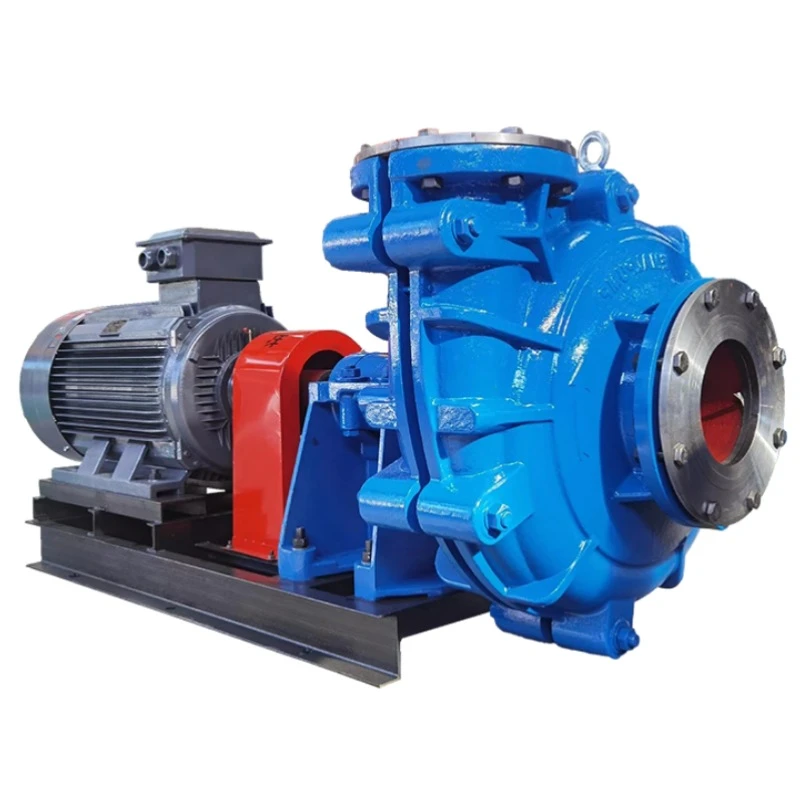
Grinder pumps for sewage represent a critical component in wastewater management systems, particularly in residential, commercial, and industrial applications where gravity-based sewage transport is impractical. These pumps, distinct from traditional centrifugal pumps, utilize rotating impeller blades to macerate solid waste before pumping it to a treatment facility or septic system. Their technical position within the wastewater treatment chain is immediately post-collection, bridging the gap between individual properties and centralized treatment infrastructure. Core performance characteristics center around hydraulic capacity (gallons per minute), head pressure (feet), solids handling capability (inch diameter), motor horsepower, and overall energy efficiency. A key industry pain point lies in premature pump failure due to abrasive solids, corrosion from hydrogen sulfide, and inadequate sealing mechanisms. Selecting the appropriate grinder pump requires detailed consideration of flow rates, discharge head, sewage composition, and the pump's construction materials to ensure long-term reliability and minimize maintenance interventions. This guide provides an in-depth technical analysis of grinder pumps for sewage, encompassing material science, manufacturing processes, performance parameters, failure modes, and relevant industry standards.
Material Science & Manufacturing
The performance and longevity of a grinder pump are fundamentally dictated by the materials used in its construction. Pump housings are commonly fabricated from cast iron (ASTM A48 Class 30) due to its cost-effectiveness and resistance to impact. However, in corrosive environments, ductile iron (ASTM A536-83) or stainless steel (316/304, ASTM A240) is preferred to mitigate corrosion induced by hydrogen sulfide (H₂S) and other sewage constituents. Impellers, responsible for the grinding action, are typically manufactured from hardened stainless steel (440C, Rockwell C55-60) or high-chromium cast iron to resist abrasion from solids like sand, grit, and rags. Mechanical seals, crucial for preventing leakage, often employ silicon carbide (SiC) faces against tungsten carbide (WC) or ceramic counterparts, offering high wear resistance and chemical compatibility. Manufacturing processes vary. Pump housings are produced via sand casting followed by machining to tight tolerances. Impellers are often investment cast for intricate blade geometries and precise dimensional control. Shafts are precision-machined from alloy steel (4140, quenched and tempered) and subjected to non-destructive testing (NDT) like magnetic particle inspection to detect surface flaws. Critical parameters include impeller blade angle, cutting gap tolerances, and shaft runout, all of which directly influence grinding efficiency and pump performance. Assembly requires meticulous attention to sealing surfaces and torque specifications to ensure a leak-proof and reliable operation. The proper heat treatment of metallic components is essential to achieve the desired hardness and toughness characteristics.
Performance & Engineering
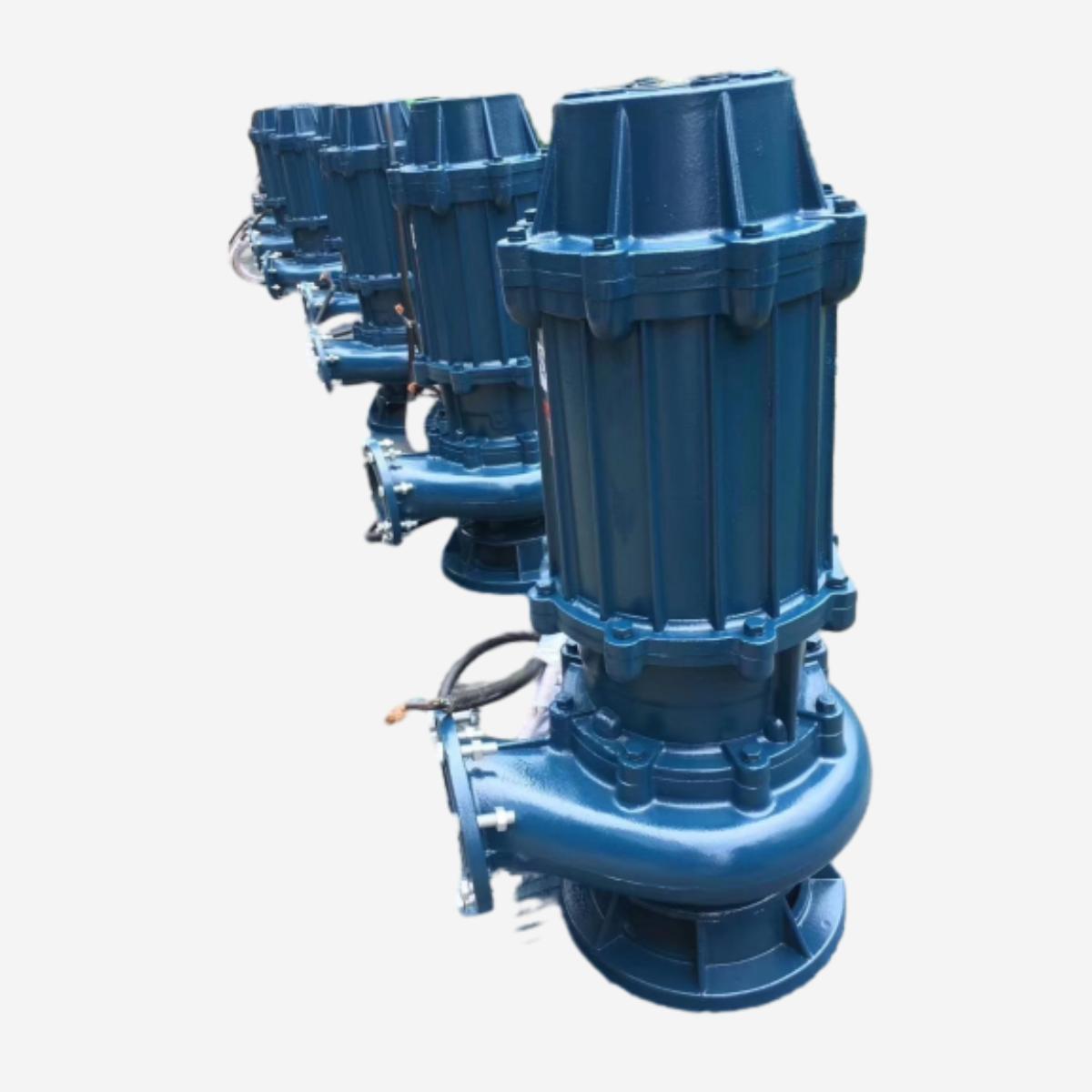
Grinder pump performance is governed by hydraulic principles, specifically Bernoulli's equation and the pump affinity laws. Force analysis centers on the shear forces exerted by the impeller blades on solid waste, and the resulting hydraulic head generated. The pump's efficiency is a function of impeller design, volumetric displacement, and hydraulic losses due to friction within the pump casing and discharge piping. Environmental resistance is a critical factor; pumps operating in outdoor installations must withstand temperature fluctuations, UV exposure, and potential flooding. Compliance requirements dictate adherence to National Electrical Manufacturers Association (NEMA) standards for motor enclosures and electrical safety (NEMA MG 1). Functional implementation demands proper pump sizing based on anticipated flow rates and discharge head. Calculating the total dynamic head (TDH), which includes static head, friction losses, and pressure requirements at the discharge point, is paramount. The pump's motor must be adequately sized to overcome the TDH and deliver the required flow rate. Variable frequency drives (VFDs) are increasingly employed to optimize pump performance by adjusting motor speed based on demand, resulting in energy savings and reduced mechanical stress. Additionally, pumps must be designed to handle potential clogging issues and incorporate features such as automatic overload protection and thermal sensors to prevent motor burnout. Corrosion resistance is also paramount, requiring the selection of materials appropriate for the specific sewage composition and pH levels.
Technical Specifications
| Model Number | Motor Horsepower (HP) | Maximum Flow Rate (GPM) | Maximum Head (Feet) |
|---|---|---|---|
| GP-2000 | 1.0 | 75 | 80 |
| GP-3000 | 1.5 | 100 | 100 |
| GP-4000 | 2.0 | 125 | 120 |
| GP-5000 | 3.0 | 150 | 150 |
| GP-6000 | 4.0 | 200 | 180 |
| GP-7000 | 5.0 | 250 | 200 |
Failure Mode & Maintenance
Grinder pump failures typically stem from several key areas. Fatigue cracking in the impeller blades is common, particularly under high loads and prolonged operation. This is often initiated by stress concentrations at the blade root. Delamination of the pump housing coating (if applicable) can occur due to corrosion or impact damage, exposing the underlying metal to corrosive agents. Seal failure is a frequent issue, resulting in leakage and potential motor damage. This can be caused by abrasive particles, chemical attack, or improper installation. Motor burnout can occur due to overheating, overload, or voltage fluctuations. Oxidation of electrical connections can also lead to intermittent operation or complete failure. Preventative maintenance is crucial. Regular inspection of the impeller for wear and damage is recommended, along with seal replacement based on operating hours or leakage observations. Flushing the pump regularly to remove accumulated solids and debris can prevent clogging and reduce wear. Monitoring motor current and temperature can detect potential overheating issues. Lubricating bearings according to the manufacturer's specifications is essential for smooth operation. Periodic inspection of electrical connections for corrosion and tightness is also vital. Detailed failure analysis should be performed on failed components to identify root causes and implement corrective actions. Consideration should be given to implementing a predictive maintenance program utilizing vibration analysis and thermal imaging to identify potential issues before they escalate.
Industry FAQ
Q: What is the impact of solids size and type on grinder pump selection?
A: Solids size and type are paramount. Grinder pumps are rated for a maximum solids handling capability (e.g., 1 inch diameter). Exceeding this rating can cause clogging, impeller damage, and premature pump failure. Ragged, fibrous materials (wipes, feminine hygiene products) pose a significant challenge, often wrapping around the impeller and impeding its operation. Pumps designed for higher solids handling capacity and featuring robust impeller designs are necessary for applications with high concentrations of these materials.
Q: How does hydrogen sulfide (H₂S) affect grinder pump longevity?
A: H₂S is a corrosive gas commonly found in sewage. It attacks metallic components, particularly cast iron and ductile iron, leading to pitting corrosion and material degradation. This weakens the pump housing and impeller, increasing the risk of failure. Selecting pumps constructed from corrosion-resistant materials like stainless steel or utilizing coatings with enhanced H₂S resistance is crucial in environments with high H₂S concentrations.
Q: What are the key considerations for motor selection in a grinder pump application?
A: Motor selection must account for the required horsepower to overcome the total dynamic head (TDH) and deliver the desired flow rate. The motor enclosure must be appropriately rated for the environment (e.g., NEMA 4 for outdoor applications). Overload protection and thermal sensors are essential to prevent motor burnout. Consideration should also be given to motor efficiency and energy consumption.
Q: What is the role of a check valve in a grinder pump system?
A: A check valve is installed in the discharge piping to prevent backflow when the pump shuts off. This is critical to maintain prime and prevent sewage from draining back into the pump station. The check valve must be properly sized and maintained to ensure reliable operation. Failure of the check valve can lead to pump cycling and reduced system efficiency.
Q: How important is proper pump sizing, and what are the consequences of undersizing or oversizing?
A: Proper pump sizing is critical for optimal performance and efficiency. Undersizing results in insufficient flow and potential system overload. Oversizing leads to excessive energy consumption, pump cycling, and premature wear. Accurate calculation of the TDH and anticipated flow rates is essential for selecting the appropriate pump size.
Conclusion
Grinder pumps for sewage are indispensable components in modern wastewater management. Their performance is intricately linked to the selection of appropriate materials, precise manufacturing processes, and a thorough understanding of hydraulic principles. The industry’s ongoing challenges center around mitigating corrosion, preventing clogging, and maximizing energy efficiency. Effective preventative maintenance programs, coupled with informed pump selection based on specific application requirements, are essential for ensuring long-term reliability and minimizing lifecycle costs.
Looking ahead, advancements in impeller designs, motor technologies (e.g., permanent magnet motors), and control systems (e.g., smart pump controllers) will continue to enhance the performance and efficiency of grinder pumps. Increased focus on reducing energy consumption and minimizing environmental impact will drive innovation in materials and pump designs. Adherence to stringent industry standards and a commitment to rigorous testing will remain paramount for ensuring the quality and reliability of these critical wastewater management systems.
-
sump pump for septic systems Material Science Manufacturing
News2026-05-20
-
sump pump and ejector pump Material Science Manufacturing
News2026-05-20
-
sewage treatment plant pumps Performance Analysis
News2026-05-20
-
sewage tank pump Material Science and Manufacturing
News2026-05-20
-
sewage pump for septic tank Performance Analysis
News2026-05-20
-
Sewage Pump and Tank Performance Analysis
News2026-05-19
-
Sewage Ejector Pump Replacement Performance Analysis
News2026-05-19
-
sewage ejector pump for basement bathroom Material Science Manufacturing
News2026-05-19
-
sewage ejection pump Material Science and Manufacturing
News2026-05-19
-
in line sewage pump Performance Analysis
News2026-05-19
-
effluent sump pump Performance Analysis
News2026-05-18
-
best grinder pump for sewage Performance Engineering
News2026-05-18
-
basement waste water pump Performance Engineering
News2026-05-18
-
sump pump sewer Performance Analysis
News2026-05-18
-
sump pump for sewer Performance Analysis
News2026-05-18




