English
- Afrikaans
- Albanian
- Amharic
- Arabic
- Armenian
- Azerbaijani
- Basque
- Belarusian
- Bengali
- Bosnian
- Bulgarian
- Catalan
- Cebuano
- Corsican
- Croatian
- Czech
- Danish
- Dutch
- English
- Esperanto
- Estonian
- Finnish
- French
- Frisian
- Galician
- Georgian
- German
- Greek
- Gujarati
- Haitian Creole
- hausa
- hawaiian
- Hebrew
- Hindi
- Miao
- Hungarian
- Icelandic
- igbo
- Indonesian
- irish
- Italian
- Japanese
- Javanese
- Kannada
- kazakh
- Khmer
- Rwandese
- Korean
- Kurdish
- Kyrgyz
- Lao
- Latin
- Latvian
- Lithuanian
- Luxembourgish
- Macedonian
- Malgashi
- Malay
- Malayalam
- Maltese
- Maori
- Marathi
- Mongolian
- Myanmar
- Nepali
- Norwegian
- Norwegian
- Occitan
- Pashto
- Persian
- Polish
- Portuguese
- Punjabi
- Romanian
- Russian
- Samoan
- Scottish Gaelic
- Serbian
- Sesotho
- Shona
- Sindhi
- Sinhala
- Slovak
- Slovenian
- Somali
- Spanish
- Sundanese
- Swahili
- Swedish
- Tagalog
- Tajik
- Tamil
- Tatar
- Telugu
- Thai
- Turkish
- Turkmen
- Ukrainian
- Urdu
- Uighur
- Uzbek
- Vietnamese
- Welsh
- Bantu
- Yiddish
- Yoruba
- Zulu

Telephone: +86 13120555503
Email: frank@cypump.com


Apr . 01, 2024 17:55 Back to list
best double suction sludge water pump Performance Analysis
Introduction
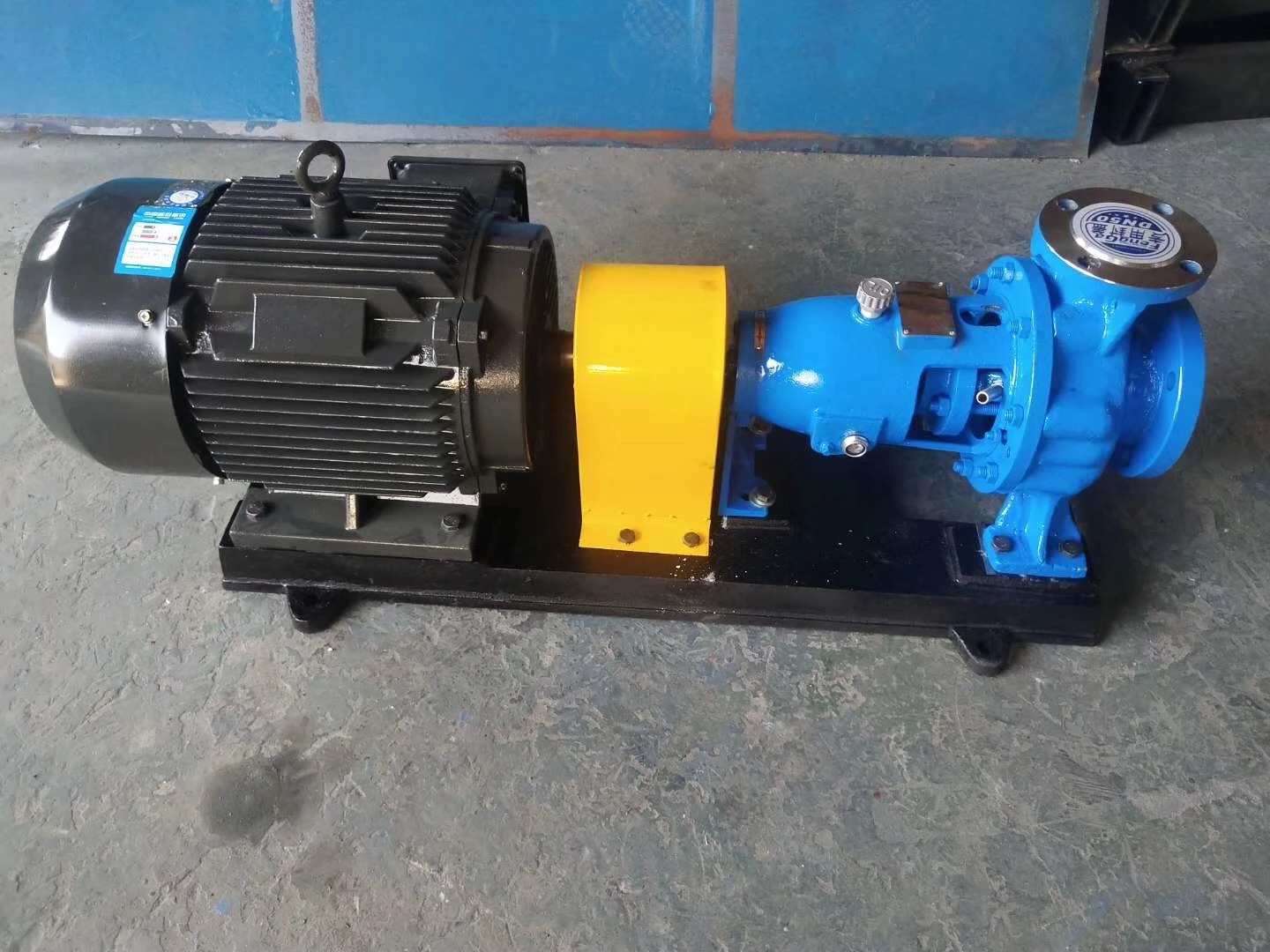
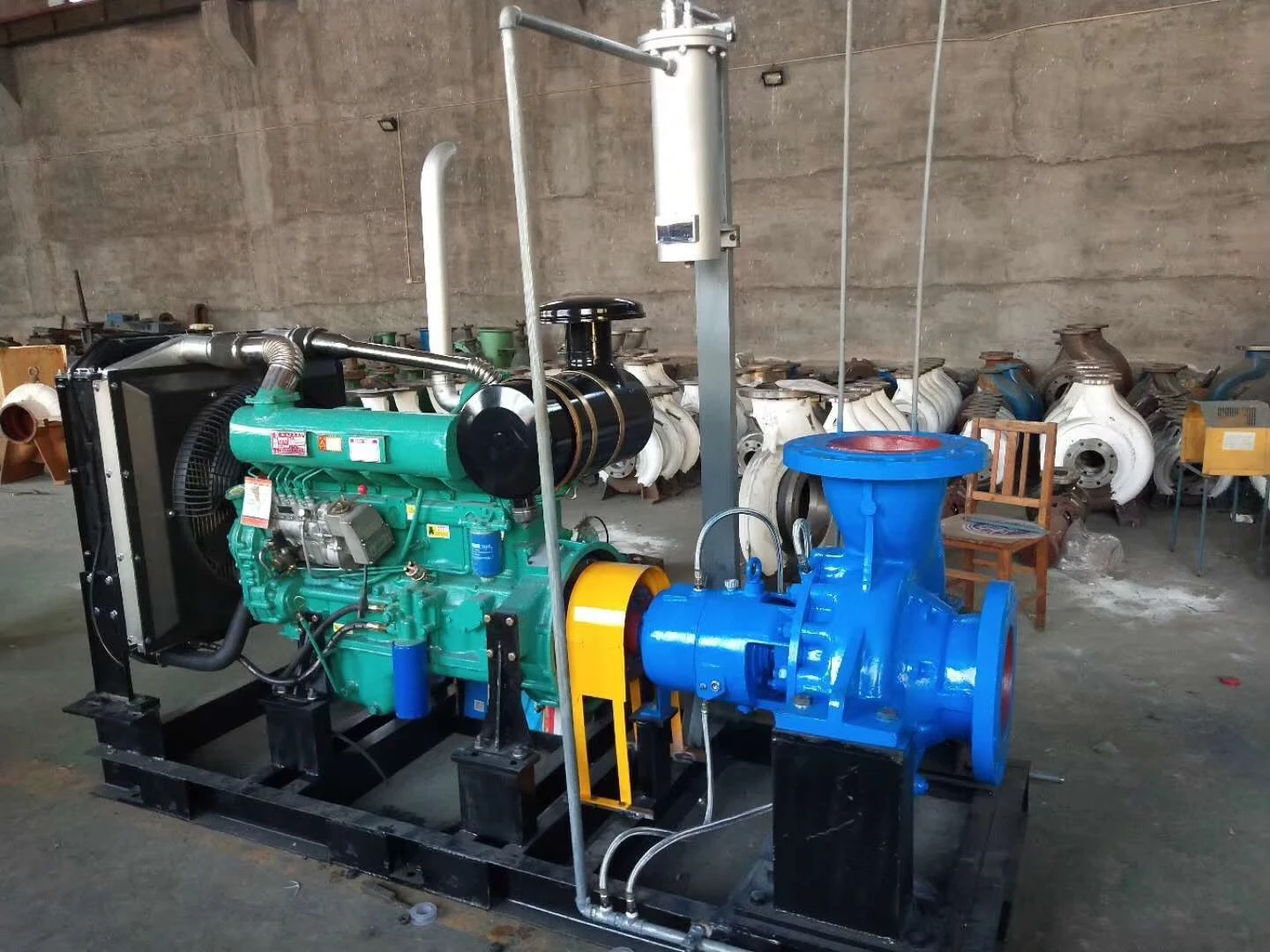
Double suction sludge water pumps are centrifugal pumps specifically engineered for the demanding task of transferring heavily contaminated fluids – commonly referred to as sludge – prevalent in wastewater treatment, industrial effluent management, and mining operations. Unlike standard centrifugal pumps, these units are designed to handle high solids content, abrasive materials, and varying viscosity levels without significant performance degradation or premature failure. Their ‘double suction’ configuration, with impellers drawing fluid from both sides, increases suction capability, reduces hydraulic load on the shaft and bearings, and ultimately improves operational efficiency. This guide provides a comprehensive technical overview of these pumps, encompassing material science, manufacturing processes, performance characteristics, failure modes, and relevant industry standards, targeted towards B2B procurement and engineering professionals. Core performance metrics center around solids handling capability (percentage by weight/volume), flow rate at specified head, pump efficiency, and resistance to abrasive wear.
Material Science & Manufacturing
The construction of a robust double suction sludge water pump necessitates careful material selection and precise manufacturing techniques. Pump casings are typically constructed from grey iron (ASTM A48 Class 30) for its cost-effectiveness and damping characteristics, although for highly corrosive environments, ductile iron (ASTM A536 Grade 65-45-12) or stainless steel (316 or duplex stainless steel – ASTM A992) are employed. Impellers present the most significant material challenge. High-chrome cast iron alloys (typically containing 18-28% chromium) are widely used due to their exceptional abrasion resistance, vital for handling sludge containing sand, grit, and other abrasive particulates. Manufacturing processes for impellers often involve investment casting for complex geometries and precise dimensional control. Shafts are commonly made from high-strength alloy steel (4140 or 4340 – ASTM A370), heat-treated and tempered for optimal tensile strength and fatigue resistance. Mechanical seals are crucial, utilizing materials like silicon carbide (SiC) against tungsten carbide (WC) or ceramic, with Viton or EPDM elastomers for compatibility with the broad range of chemical constituents found in sludge. The manufacturing process includes precise machining of impeller blades to optimize hydraulic performance and minimize cavitation, rigorous quality control checks on weld integrity (for assembled casings), and dynamic balancing of rotating components to minimize vibration and bearing wear. Key parameter control focuses on hardness testing of wear surfaces, non-destructive testing (NDT) of welds via radiographic inspection (RT) or ultrasonic testing (UT), and dimensional accuracy verified through coordinate measuring machines (CMMs).
Performance & Engineering
The performance of a double suction sludge water pump is governed by a complex interplay of hydraulic forces, fluid properties, and mechanical design. Force analysis involves evaluating radial and axial thrust loads on the impeller, which are minimized by the double suction design and balanced impeller geometry. Cavitation, a destructive phenomenon caused by vapor bubble formation and implosion, is a critical concern. Pump performance curves (head vs. flow rate) are generated through rigorous hydraulic testing according to ISO 9906 standards. Environmental resistance is paramount; pumps operating outdoors are often coated with epoxy or polyurethane coatings to protect against corrosion and UV degradation. Compliance requirements mandate adherence to standards such as ANSI/ASME B73.1 for pump dimensions and testing, and potentially API 610 for higher-specification applications. Functional implementation necessitates careful selection of pump size and speed based on system head loss calculations, sludge characteristics (solids content, viscosity, density), and required flow rate. Variable Frequency Drives (VFDs) are frequently employed to optimize pump performance and energy consumption by modulating pump speed to match fluctuating demand. The pump’s Net Positive Suction Head Required (NPSHr) must be carefully compared to the Net Positive Suction Head Available (NPSHa) in the system to prevent cavitation. Furthermore, the hydraulic design must account for potential clogging and ragging, often incorporating open impeller designs and larger passage areas.
Technical Specifications
| Parameter | Typical Value (Small Pump – 50HP) | Typical Value (Medium Pump – 200HP) | Typical Value (Large Pump – 500HP) |
|---|---|---|---|
| Flow Rate (GPM) | 500-1500 | 1500-4000 | 4000-8000 |
| Total Dynamic Head (ft) | 50-150 | 100-300 | 200-500 |
| Solids Handling Capacity (% by weight) | 5-8% | 8-12% | 10-15% |
| Impeller Diameter (in) | 8-12 | 14-18 | 20-28 |
| Pump Efficiency (%) | 65-75 | 70-80 | 75-85 |
| Motor Power (HP) | 50 | 200 | 500 |
Failure Mode & Maintenance
Double suction sludge water pumps are susceptible to several failure modes, primarily driven by the abrasive and corrosive nature of the handled fluids. Fatigue cracking in the impeller, particularly around the blade roots, is a common issue stemming from cyclic stress and stress concentrations. Delamination of the impeller coating, if applied, can lead to accelerated erosion. Bearing failure, manifested as increased vibration and noise, often results from inadequate lubrication, misalignment, or contamination. Mechanical seal leakage occurs due to wear of the seal faces, damage from abrasive particles, or incompatibility with the fluid chemistry. Clogging of the impeller or volute with fibrous materials (ragging) reduces pump efficiency and can induce overload. Oxidation and corrosion of the pump casing and impeller can compromise structural integrity. Preventative maintenance is critical, encompassing regular visual inspections for leaks, vibration analysis to detect bearing issues, lubrication according to manufacturer specifications, periodic impeller inspection for wear, and seal replacement based on runtime and fluid characteristics. Flush plans for mechanical seals should be consistently monitored and maintained. A proactive maintenance program should also include impeller balancing after repair, non-destructive testing of critical components, and documentation of maintenance history to track performance trends and predict potential failures.
Industry FAQ
Q: What is the primary advantage of a double suction pump over a single suction pump for sludge applications?
A: A double suction pump distributes the hydraulic load across two impellers, reducing axial thrust and the risk of cavitation. This translates to increased efficiency, extended bearing life, and improved reliability when handling fluids with high solids content and varying viscosity like sludge. It also generally allows for a higher flow rate for a given pump size.
Q: How do I determine the appropriate impeller material for my specific sludge composition?
A: The impeller material selection hinges on the sludge’s abrasive and corrosive characteristics. High-chrome cast iron is excellent for abrasive wear, while stainless steel (316 or duplex) provides superior corrosion resistance. A detailed chemical analysis of the sludge is essential, along with an assessment of the particle size distribution and hardness of the abrasive solids. Consulting with the pump manufacturer's materials engineering team is highly recommended.
Q: What are the key considerations for selecting a mechanical seal for a sludge pump?
A: Seal material compatibility with the sludge’s chemical constituents is crucial. Silicon carbide (SiC) seal faces offer excellent abrasion resistance. The seal arrangement (e.g., single, double, tandem) should be selected based on the fluid’s toxicity and the potential for leakage. Flushing plans are critical to prevent abrasive particle buildup and maintain seal lubrication.
Q: How do I mitigate the risk of clogging in a double suction sludge pump?
A: Utilizing an open impeller design with a larger passage area is paramount. Consider incorporating a pre-screening system upstream of the pump to remove large debris. Regular inspection and cleaning of the impeller and volute are essential. Proper pump sizing and speed control can also minimize clogging incidents.
Q: What are the typical lead times for procuring a customized double suction sludge pump?
A: Lead times vary significantly depending on the pump’s size, complexity, material specifications, and the manufacturer’s current order backlog. Typically, customized pumps require a lead time of 12-20 weeks, but this can extend to 24 weeks or more for large, complex units with specialized materials.
Conclusion
Double suction sludge water pumps represent a critical component in numerous industrial processes requiring robust and reliable fluid handling of challenging media. Their design, incorporating double suction impellers, carefully selected materials, and stringent manufacturing controls, directly addresses the specific pain points of solids handling, abrasion resistance, and corrosion protection. Proper specification, installation, and preventative maintenance are essential to maximize pump longevity and operational efficiency.
Looking ahead, advancements in pump design are focusing on optimized impeller geometries to further reduce hydraulic losses and improve solids handling capabilities. The integration of smart sensors and predictive maintenance algorithms will enable condition-based monitoring and proactive intervention, minimizing downtime and reducing life-cycle costs. Furthermore, the development of more corrosion-resistant materials and coatings will extend pump service life in increasingly aggressive environments.
-
Effluent vs Sump Pump Performance Analysis
News2026-05-22
-
effluent septic pump Performance Engineering
News2026-05-22
-
best sewer pumps Performance Engineering
News2026-05-22
-
best sewer pump Performance Analysis
News2026-05-22
-
best sewage pumps Performance Engineering
News2026-05-22
-
basement bathroom sewage pump Material Science Manufacturing
News2026-05-21
-
wastewater treatment plant pumps Material Science Manufacturing
News2026-05-21
-
waste water pump for basement Material Science Manufacturing
News2026-05-21
-
sump pump sewage Performance Analysis
News2026-05-21
-
sump pump for sewage Material Science and Manufacturing
News2026-05-21
-
sump pump for septic systems Material Science Manufacturing
News2026-05-20
-
sump pump and ejector pump Material Science Manufacturing
News2026-05-20
-
sewage treatment plant pumps Performance Analysis
News2026-05-20
-
sewage tank pump Material Science and Manufacturing
News2026-05-20
-
sewage pump for septic tank Performance Analysis
News2026-05-20




